
The life expectancy of Wisconsin residents dropped by 1.6 years in 2020, likely because of COVID-19 and a rise in unintentional injuries like drug overdoses, according to new data released by the Centers for Disease Control and Prevention.
People are also reading…

Cancer was the leading cause of death in South Central Wisconsin in 2020, with lung cancer the most prevalent followed by pancreatic cancer. While treatments have improved, experts say, early detection is critical.

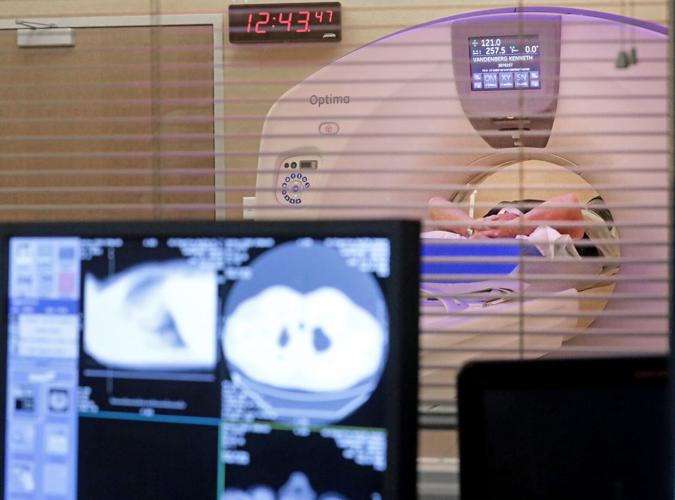
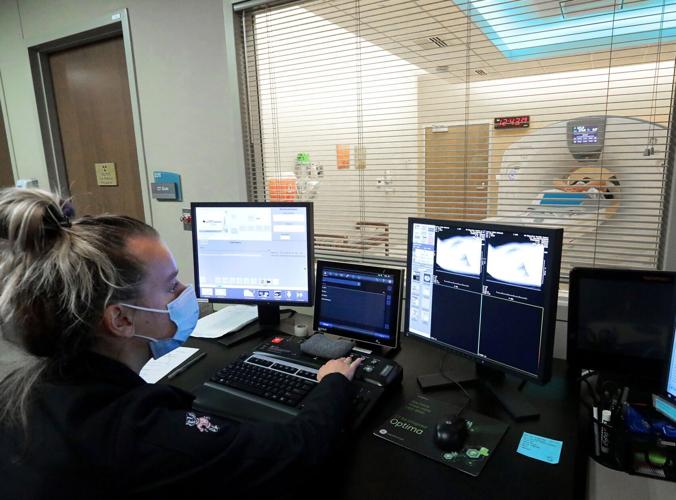
Low-dose computed tomography scans, like this one being administered to a patient at UW’s Digestive Health Center in Madison, can provide detailed pictures of the lung, enabling doctors to spot and treat cancer early and improve survival rates.
No time to lose: Finding rare diseases in infants
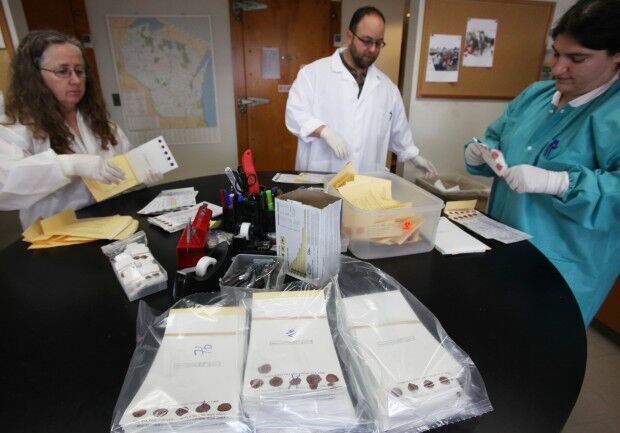
Wisconsin doesn't screen newborns for some disorders other states include, which can delay treatment that could prevent death or disability.
As parents urge state officials to expand the program to catch more ailments early, doctors are increasingly turning to genome sequencing to diagnose some critical conditions.

Wisconsin doesn't test for Krabbe and Pompe diseases, deadly but treatable disorders detected in many other states.

Tardy tests can delay essential treatment, as a New London family learned.

Lawsuits over medical privacy in Minnesota and Texas forced those states to destroy millions of stored samples.
Other states say they test for more conditions, but a Wisconsin lab director said it isn't "a counting game."

Jenna and Kyle Heckendorf lost their son, Bryce, to Krabbe disease seven years ago when he was 18 months old

Atlas Faucher, 5, was diagnosed with Pompe disease at 4 months old

Jeremy Thoms, 21, has Krabbe disease and received a stem cell transplant at 4 weeks old

Wisconsin and most states test newborns for spinal muscular atrophy. But 12 don't, despite the need for prompt treatment.

The state started testing babies for severe combined immunodeficiency disorder in 2008.

Adults with spinal muscular atrophy can take two of three treatments, approved within the past five years.

Amy and Adan Medina’s children, Mateo, 10, Javier, 5, and Amelia, 3, were all born with SMA or spinal muscular atrophy

For the Gutzdorfs of Watertown, the situation for their son "was very much life or death."

At University Research Park, San Diego-based Illumina makes enzymes used in its DNA sequencers.

Rikki and Joshua Gutzdorf’s son, Theo, 3, was born with Stuve-Wiedemann syndrome that was diagnosed three weeks after birth through genome seq…