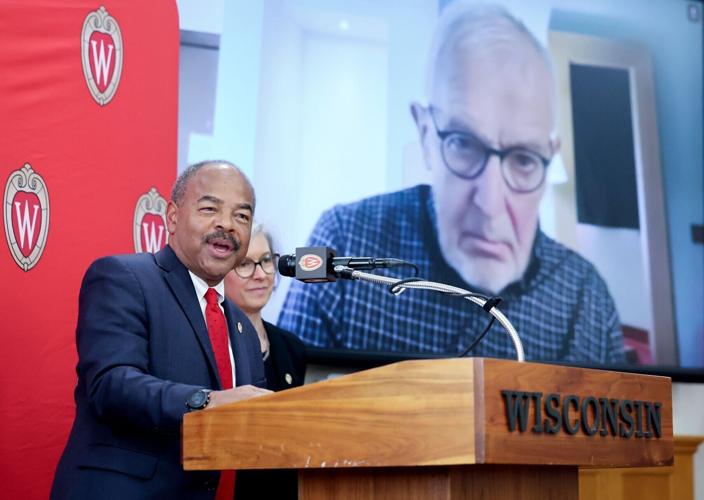
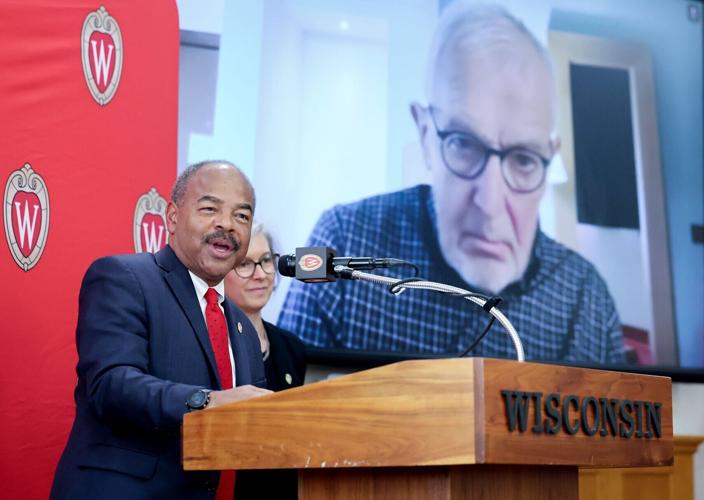
UW-Madison Interim Chancellor Eric Wilcots recognizes the work of Professor Francis Halzen, who appeared by video from Italy, at a press conference Tuesday to announce Halzen had won the 2026 Nobel Prize in physics. Halzen’s work studying neutrinos is “a powerful reminder of something fundamental about who we are,” Wilcots said.
JOHN HART, STATE JOURNAL
UW-Madison Interim Chancellor Eric Wilcots recognizes the work of Professor Francis Halzen, who appeared by video from Italy, at a press conference Tuesday to announce Halzen had won the 2026 Nobel Prize in physics. Halzen’s work studying neutrinos is “a powerful reminder of something fundamental about who we are,” Wilcots said.
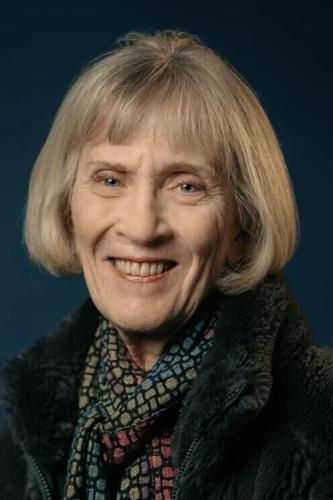
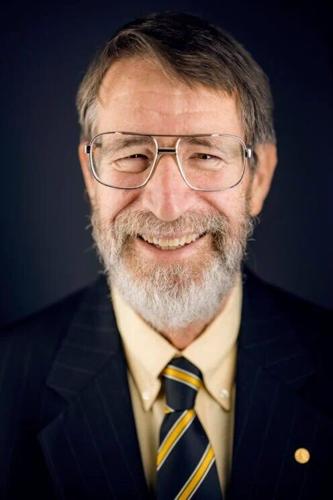
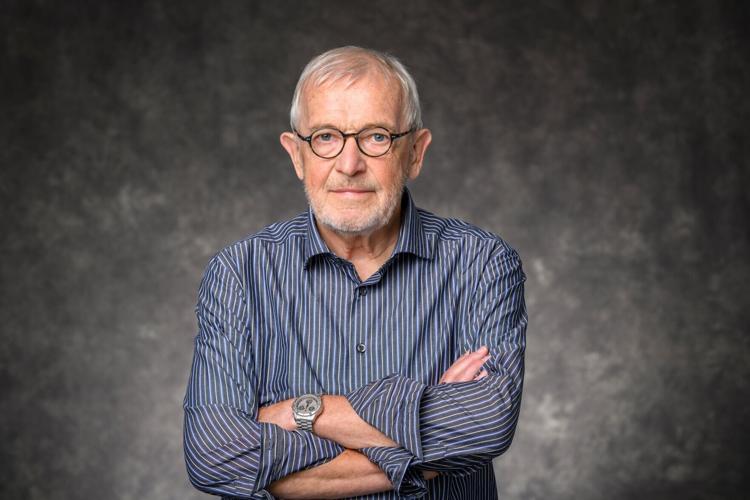
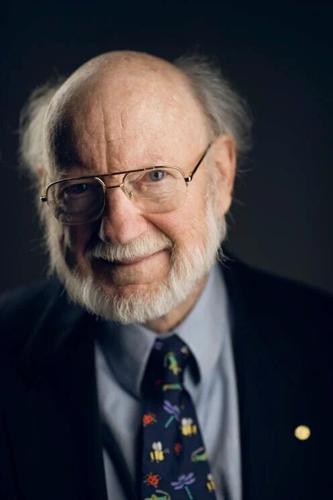
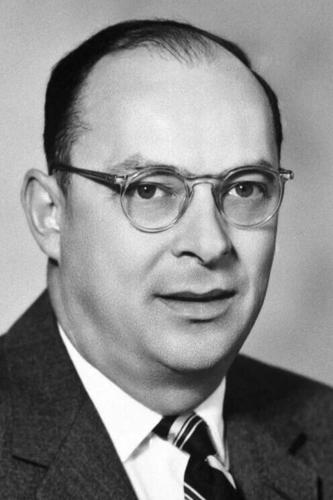
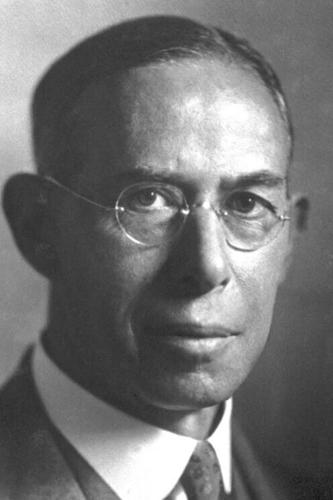
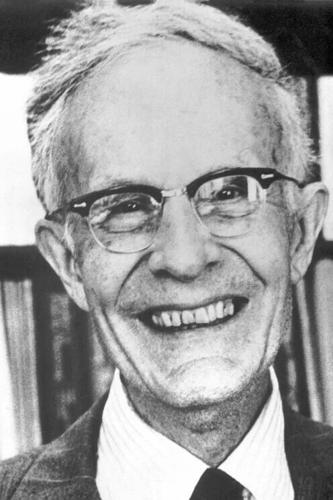
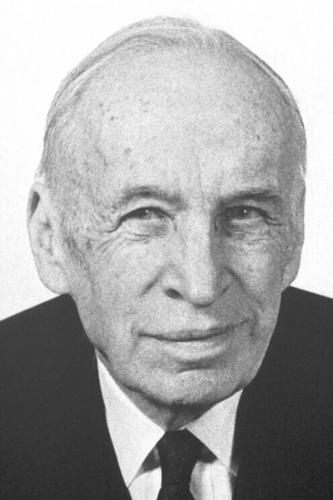
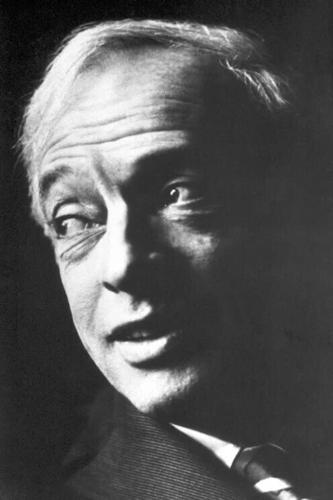
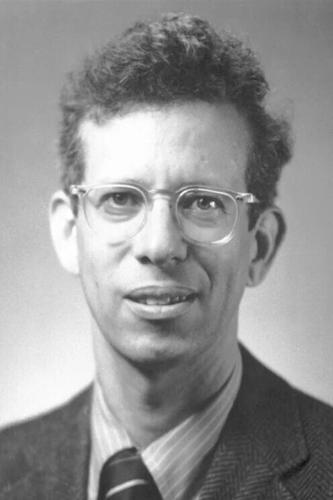
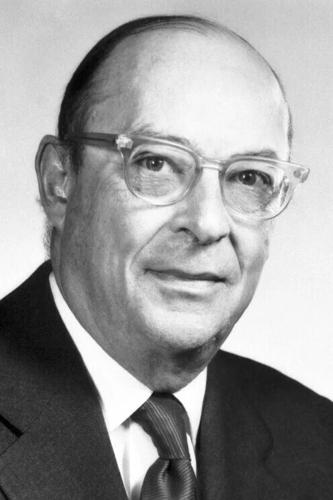
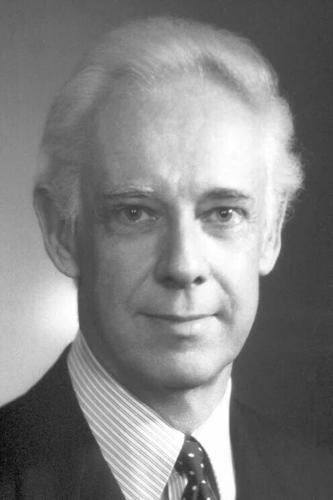
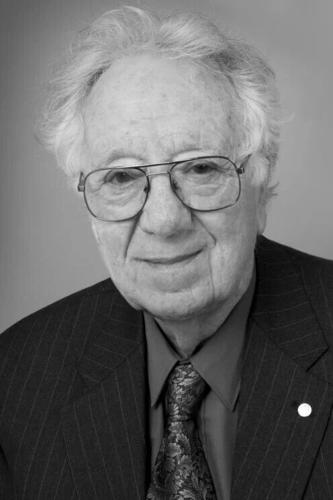
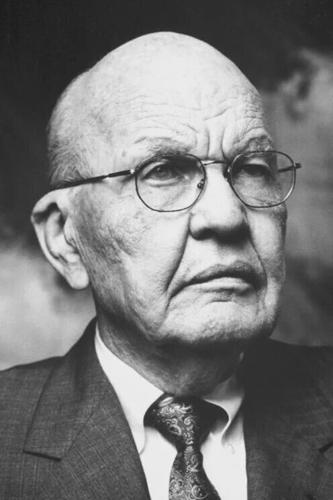
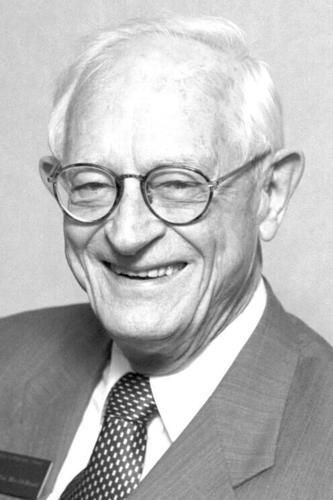
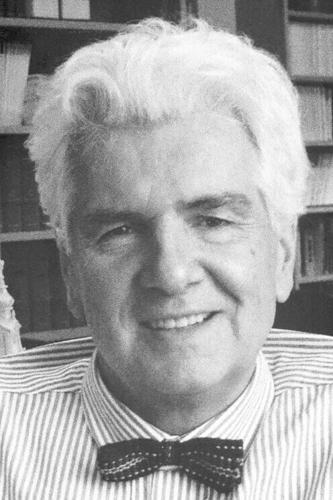
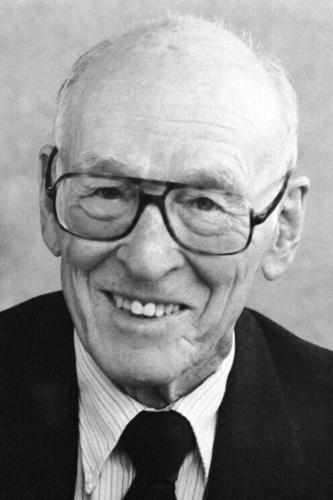
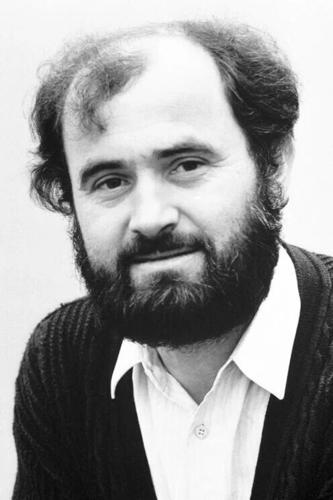
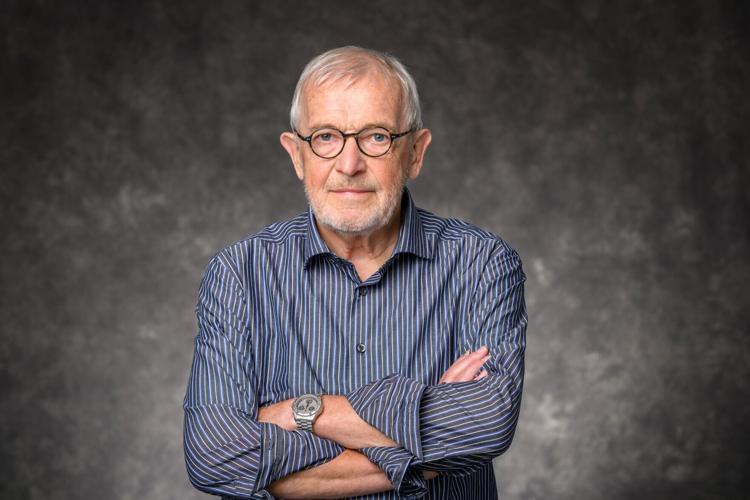
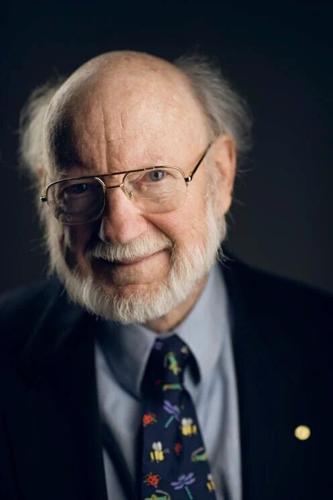
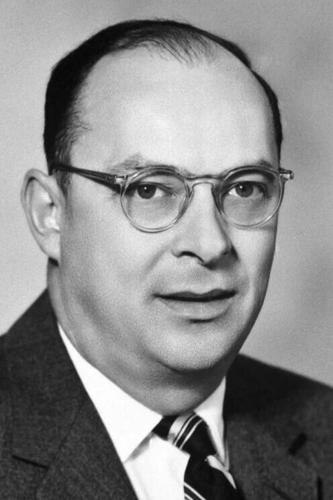
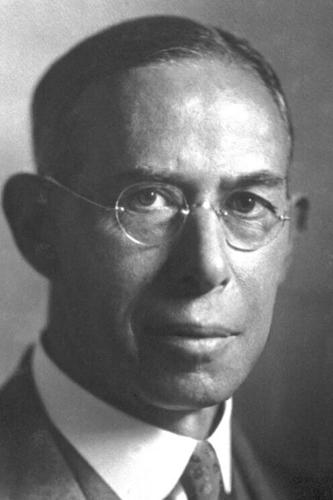
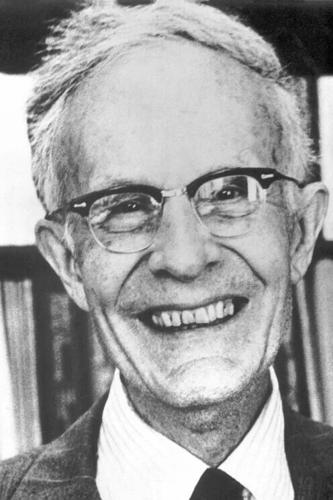
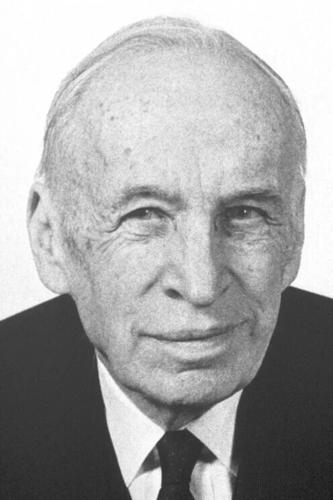
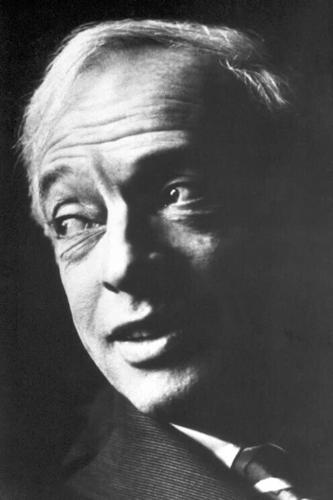
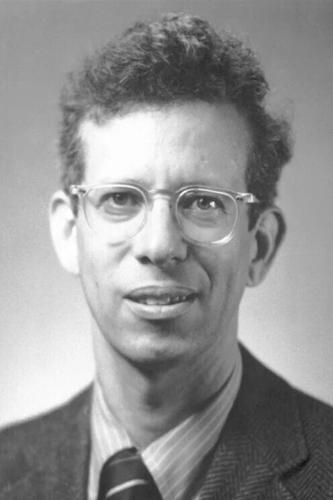
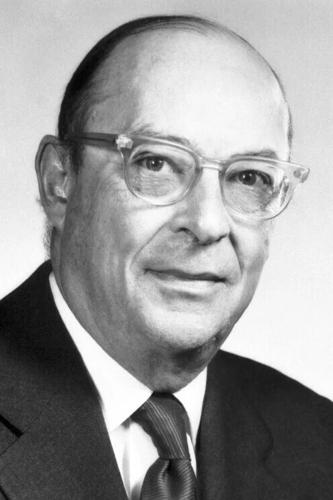
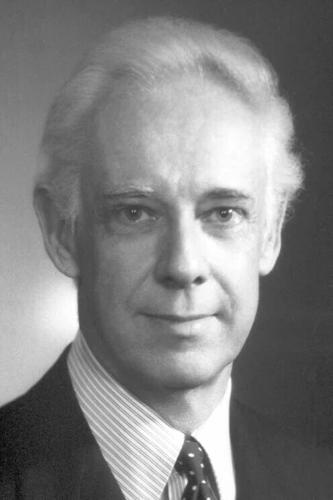
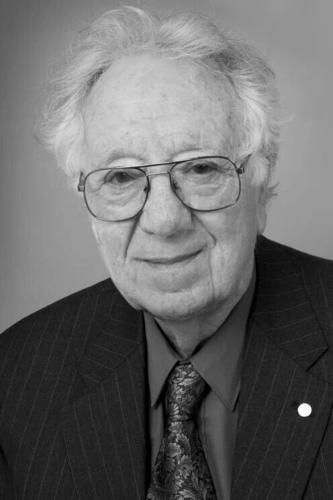
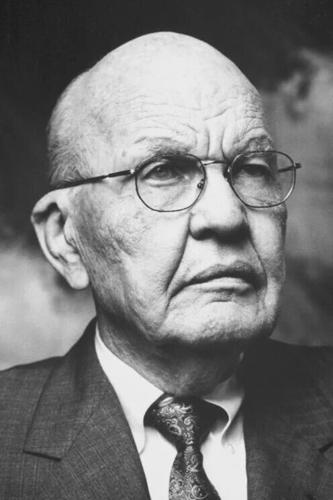
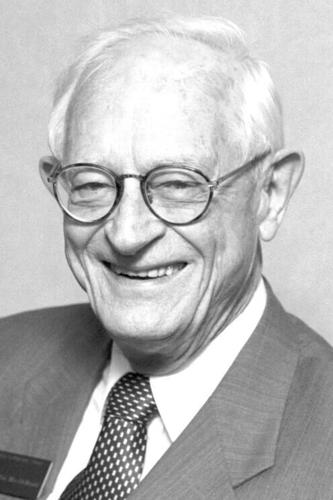
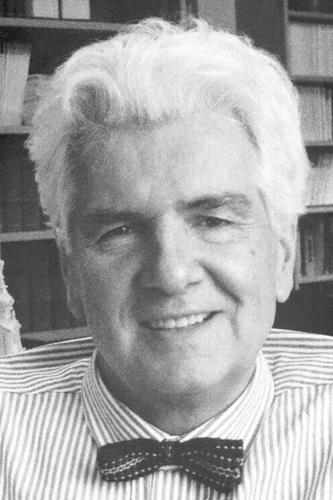
With Francis Halzen’s win for the 2026 Nobel Prize in physics, UW-Madison can now count 22 Nobel laureates among its alumni and faculty — and one alumnus who won twice.
UW-Madison Interim Chancellor Eric Wilcots recognizes the work of Professor Francis Halzen, who appeared by video from Italy, at a press conference Tuesday to announce Halzen had won the 2026 Nobel Prize in physics. Halzen’s work studying neutrinos is “a powerful reminder of something fundamental about who we are,” Wilcots said.
UW-Madison Interim Chancellor Eric Wilcots recognizes the work of Professor Francis Halzen, who appeared by video from Italy, at a press conference Tuesday to announce Halzen had won the 2026 Nobel Prize in physics. Halzen’s work studying neutrinos is “a powerful reminder of something fundamental about who we are,” Wilcots said.