UW-Madison Nobel Prize winner Francis Halzen isn't done chasing the mysteries of the universe
SABINE MARTIN
Updated
Francis Halzen, UW-Madison professor and principal investigator of the IceCube Neutrino Observatory, shares the moment of discovery during the AMANDA project, Antarctic Muon and Neutrino Detector Array, in 1996.
UW-Madison physicist Francis Halzen won the Nobel Prize in physics earlier this month for his nearly four decades of groundbreaking work detecting neutrinos, high-energy “ghostly” particles from deep space, under a cubic kilometer of ice in Antarctica.
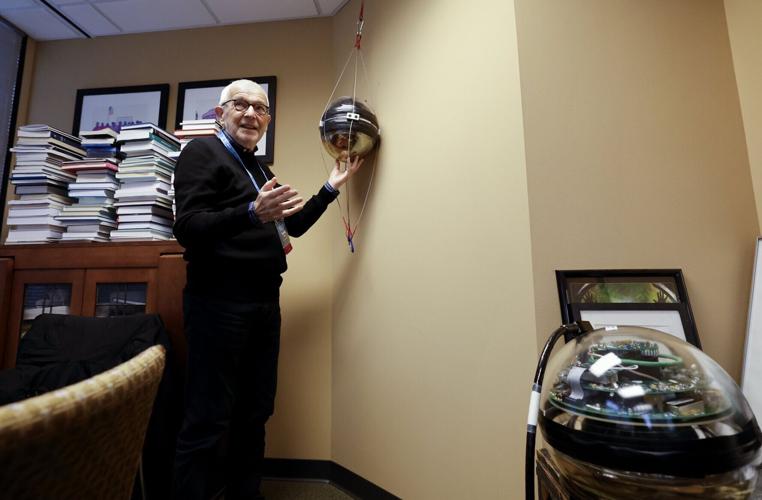
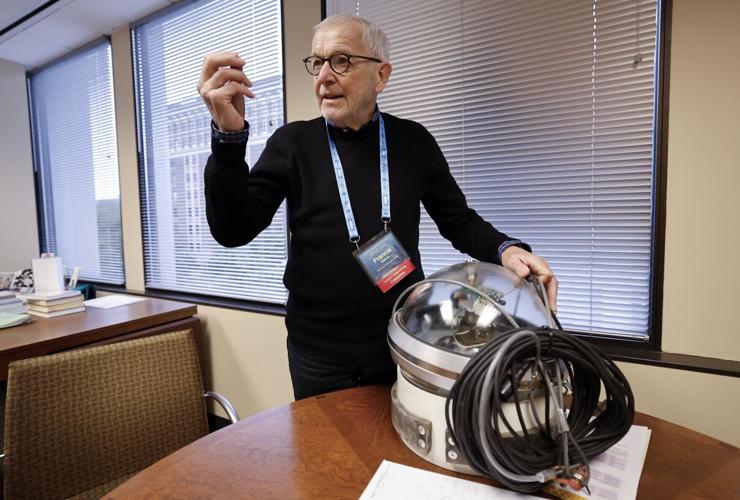
UW-Madison professor Francis Halzen, who won the 2026 Nobel Prize in physics, shows an early model neutrino detector that was later perfected as part of the IceCube Neutrino Observatory. The detector, which he keeps hanging in his office, could be one of the only ones still existing from that earlier project, known as AMANDA.
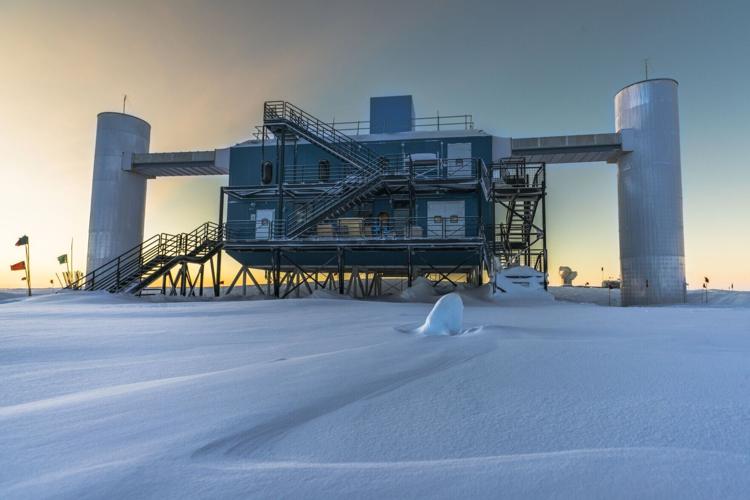
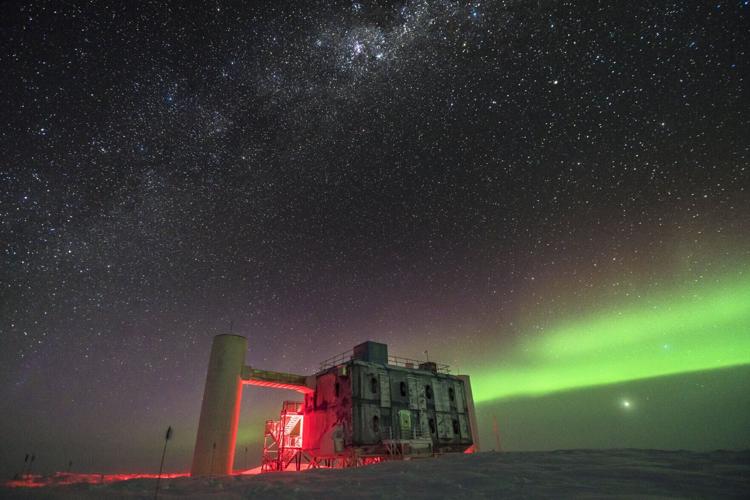
The IceCube Lab at sunset, 2017. Halzen has never made the trip to the South Pole, not because he’s not interested, but he said he just couldn’t justify taking another researcher’s place.
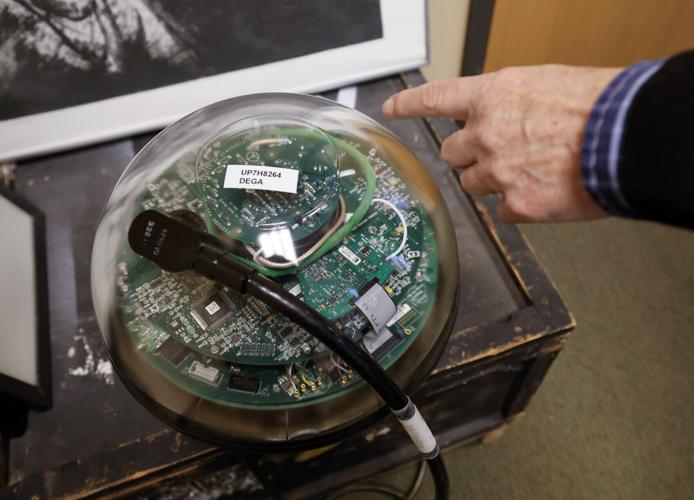
Francis Halzen with a detector similar to those used in the Antarctic as part of the IceCube Neutrino Observatory. Thousands of the devices work together to detect tiny flashes of light when a neutrino strikes a subatomic particle.
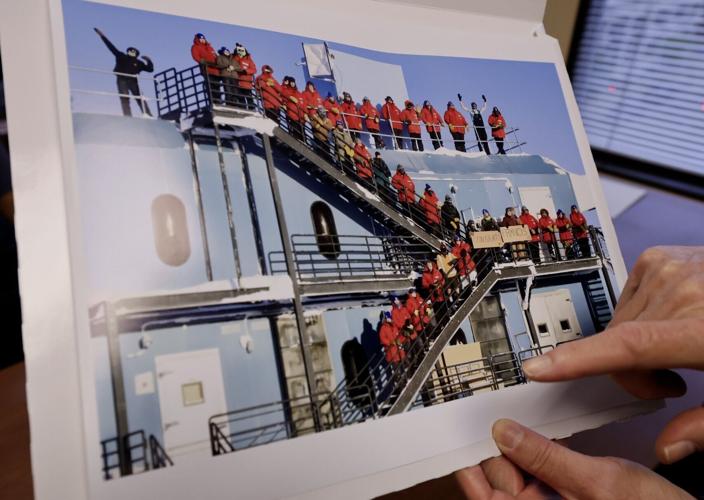
Halzen displays a photo of researchers at the IceCube laboratory at the South Pole holding a sign that reads “Congrats Francis” after Halzen won the 2026 Nobel Prize in physics.
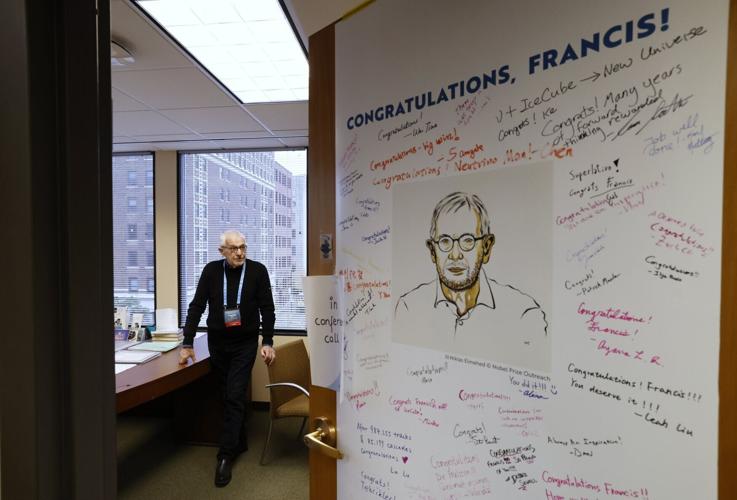
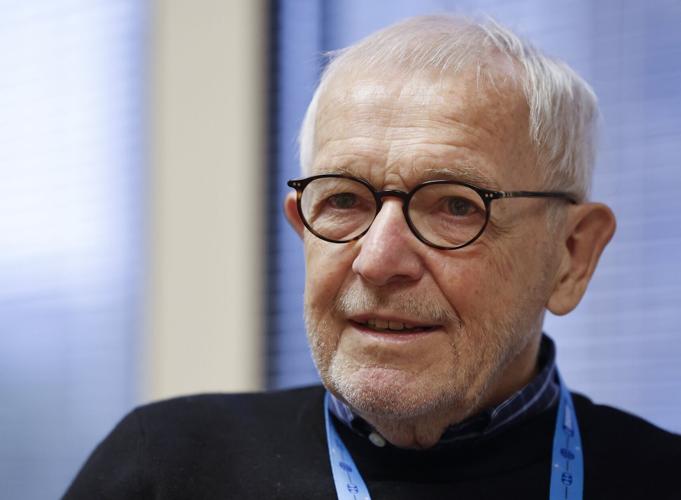
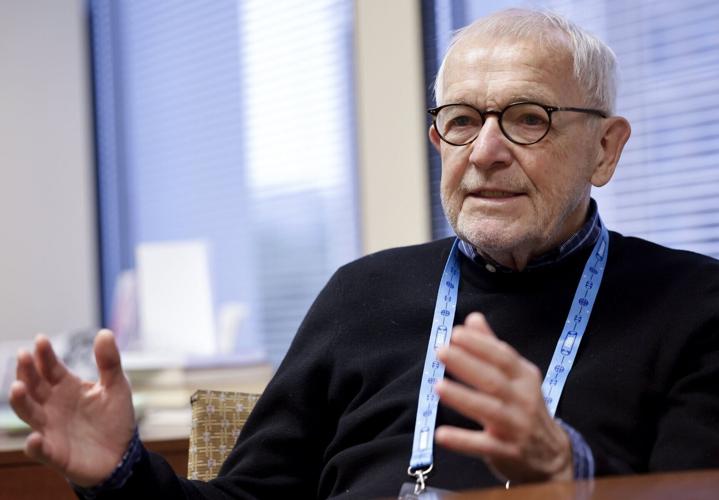
Francis Halzen, UW-Madison professor and principal investigator of the IceCube Neutrino Observatory who won the 2026 Nobel Prize in physics, at his office in downtown Madison. Before Halzen, the latest Nobel laureate with UW-Madison ties was Claudia Goldin, who earned the top award in 2023. She was on the economics faculty in the early 1970s.
UW-Madison professor Francis Halzen, who won the 2026 Nobel Prize in physics, shows an early model neutrino detector that was later perfected as part of the IceCube Neutrino Observatory. The detector, which he keeps hanging in his office, could be one of the only ones still existing from that earlier project, known as AMANDA.
Francis Halzen with a detector similar to those used in the Antarctic as part of the IceCube Neutrino Observatory. Thousands of the devices work together to detect tiny flashes of light when a neutrino strikes a subatomic particle.
Halzen displays a photo of researchers at the IceCube laboratory at the South Pole holding a sign that reads “Congrats Francis” after Halzen won the 2026 Nobel Prize in physics.
Francis Halzen, UW-Madison professor and principal investigator of the IceCube Neutrino Observatory who won the 2026 Nobel Prize in physics, at his office in downtown Madison. Before Halzen, the latest Nobel laureate with UW-Madison ties was Claudia Goldin, who earned the top award in 2023. She was on the economics faculty in the early 1970s.
The IceCube Lab at sunset, 2017. Halzen has never made the trip to the South Pole, not because he’s not interested, but he said he just couldn’t justify taking another researcher’s place.