
Staffing challenges in some government agencies have made it more difficult for people to obtain public information they have a right to see under state law, as individuals, advocacy groups and media outlets increasingly seek out those records.
A small central Kansas police department is facing a torrent of criticism for raiding a local newspaper’s office and the home of its owner and publisher, seizing computers and cellphones, and, in the publisher’s view, stressing his 98-year-old mother enough to cause her weekend death. Several press freedom watchdogs condemned the Marion Police Department’s actions as a blatant violation of the U.S. Constitution’s protection for a free press. The Marion County Record’s editor and publisher, Eric Meyer, worked with his staff Sunday to reconstruct stories, ads and other materials for its next edition Wednesday, even as he took time in the afternoon to provide a local funeral home with information about his mother, Joan, the paper’s co-owner.
People are also reading…

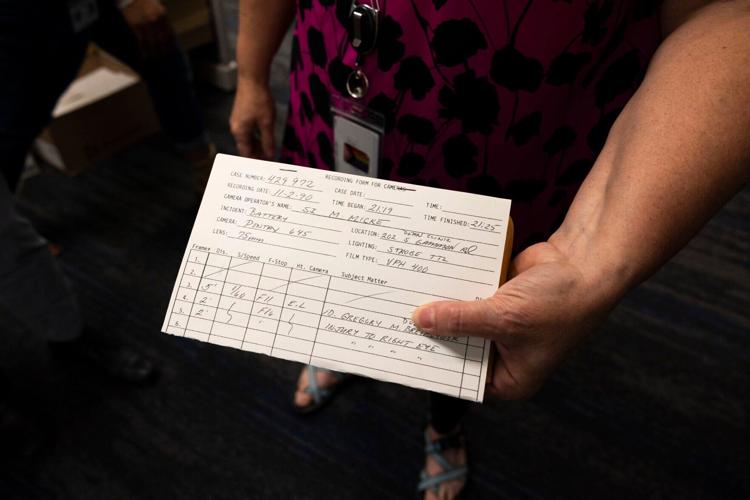
Madison Police Department records custodian Julie Laundrie with a paper record of a battery incident from 1990 at the City-County Building.

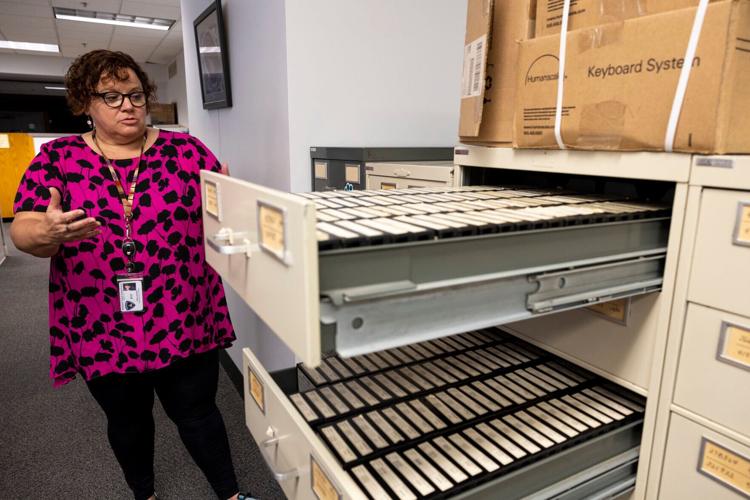
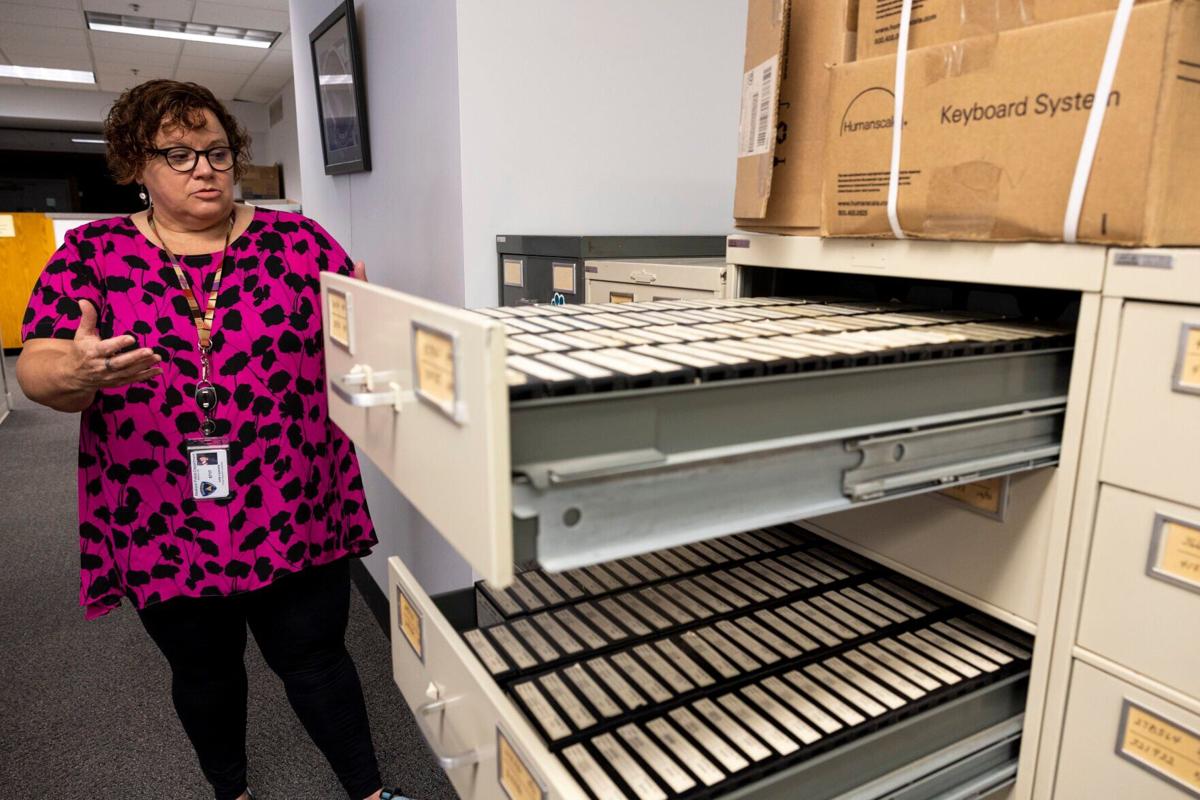
Madison Police Department records custodian Julie Laundrie shows the department's physical public records requests backlog. The department handles a wide range of records, from paper reports on crimes to video surveillance footage.
Read years of State Journal coverage of the debate over police body cameras in Madison
Madison city officials and activists have been debating whether to make body cameras standard police equipment since at least 2014.

The council, after a marathon meeting with impassioned debate, voted 11-9 about 4 a.m. Wednesday to let the city begin preparations for a yearlong body-worn camera pilot program in the Police Department's North District

Vote on latest resolution to equip Madison police with body cameras is too close to call.

The meetings are the latest twist in the city's yearslong debate over whether to adopt the increasingly common technology.

The City Council has been narrowly split on the technology, and the mayor has declined to take a position.

The survey by the Wisconsin Professional Police Association found strong support for police generally, but less among nonwhite respondents.

Into this drama steps the City Council's yet-to-be-elected president along with 19 other people, including nine new faces, to be sworn in April 20.

Two conditions seek to mitigate or limit the use of cameras if they are associated with an uptick in the number of people being charged with crimes.

At least, 13 of 24 law enforcement agencies in Dane County use body cameras. Five of Wisconsin's 10 largest city police departments have them.

"No one though is proposing that video cameras are a panacea," said UW-Madison law professor Keith Findley.

More than half of law enforcement agencies in Dane County employ the cameras.

Majorities of white and nonwhite respondents believed that most people shot by police were black or members of other minority groups.