
While corn-based ethanol may be no better for the climate than fossil fuels, UW-Madison scientists are working on new plant-based fuels that reduce greenhouse gas emissions.
People are also reading…

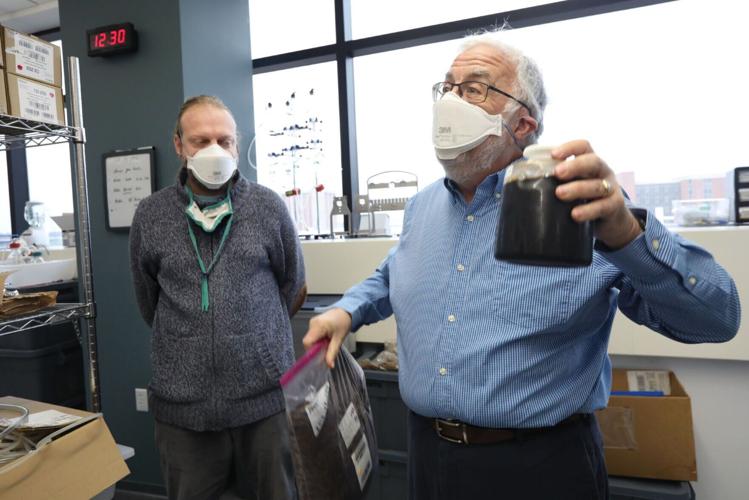
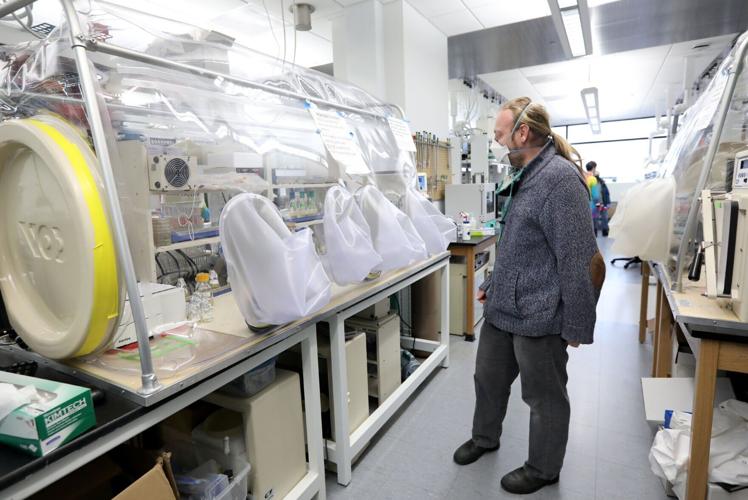
Tim Donohue, director of the Great Lakes Bioenergy Research Center at UW-Madison, with genetics professor Chris Hittinger, left, displays a solution of sugar extracted from switchgrass. The federally funded lab is developing ways to produce transportation fuel and other chemicals from non-food plants.

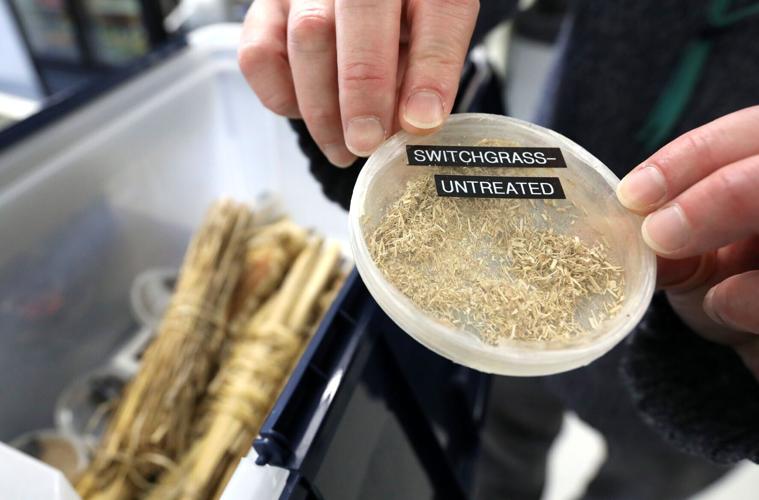
Chris Hittinger, associate professor of genetics, shows samples of plants, including switchgrass, poplar and sorghum, which can be distilled into environmentally friendly fuels and products like plastic and nylon.
Lark

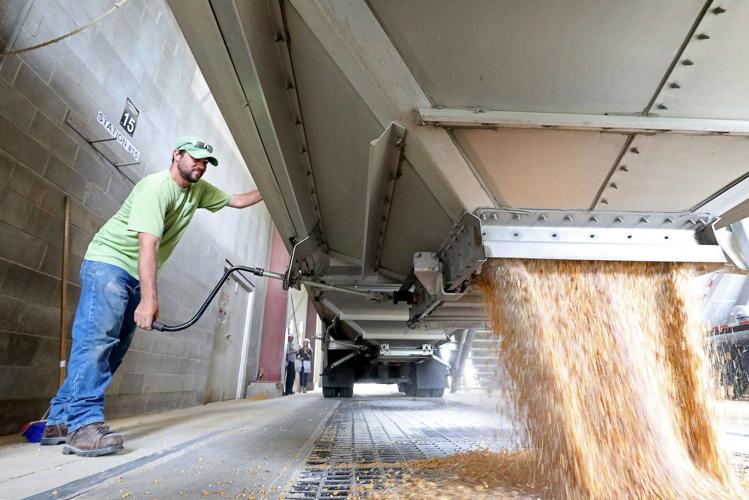
Chad Spotts offloads corn from his truck at the Badger State Ethanol Plant in Monroe in 2019. Roughly 40% of all U.S. corn is used to produce ethanol, which UW-Madison researchers say is no better for the environment than fossil fuels.

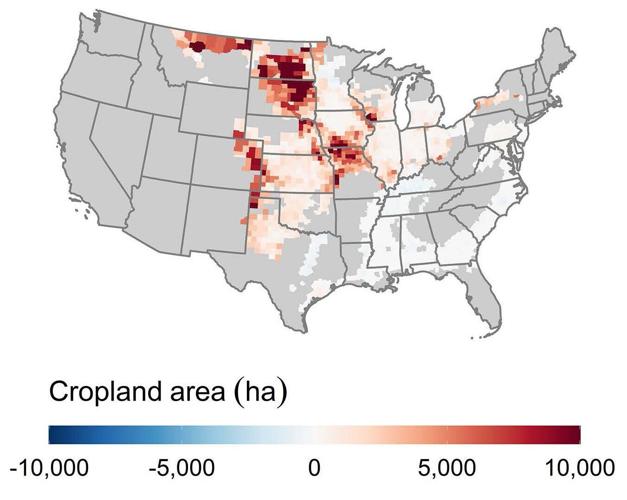
Between 2008 and 2016, U.S. farmers plowed up roughly 5 million acres of pasture and grassland as the ethanol mandate pushed up corn prices, according to UW-Madison researchers.

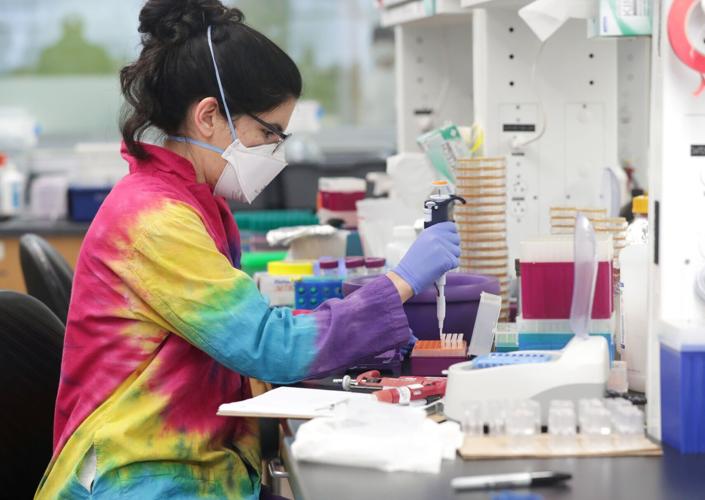
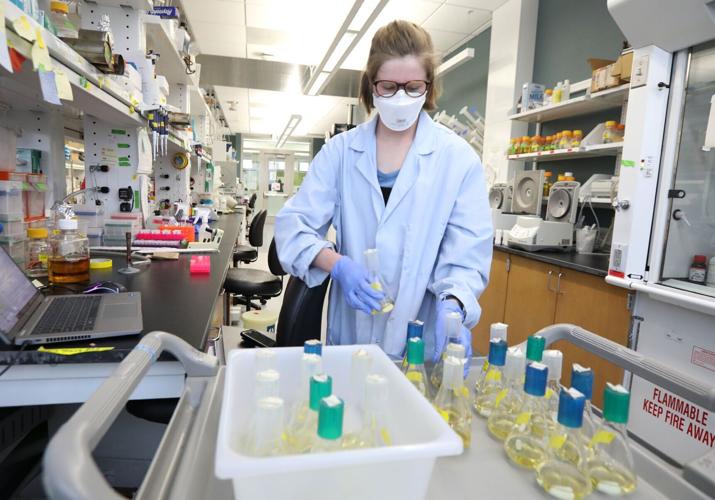
Linda Horianopoulos, a postdoctoral fellow at the Great Lakes Bioenergy Research Center, experiments with different species of yeast used to ferment plant-based sugars into alternatives to fossil fuels and corn-based ethanol.

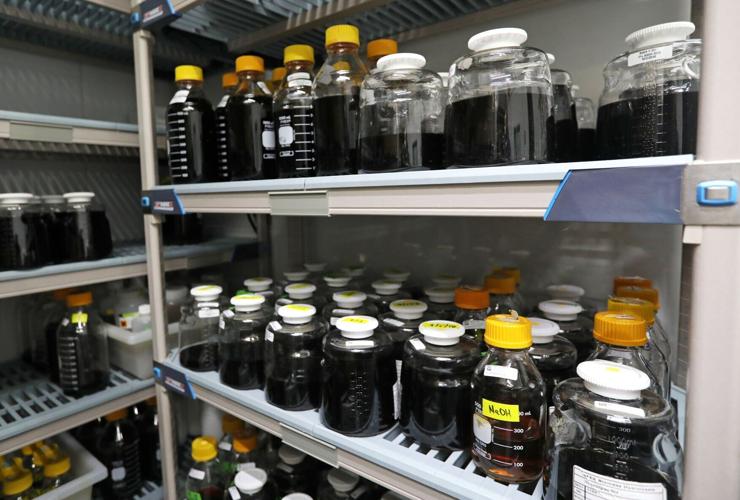
Sugar extracted from plant biomass used for fuel production in the lab at the Great Lakes Bioenergy Research Center at the Wisconsin Energy Institute in Madison.
Environmental reporter Chris Hubbuch's favorite stories of 2021
Stories are a bit like children when it comes to picking favorites. But then who has room in their wallet for pictures of 278 kids? So here are five that kind of stand out in my mind. I hope you enjoyed reading them as much as I did writing them.

The proposed 2,400-acre Koshkonong solar farm highlights the tensions as Wisconsin utilities seek to replace coal-fired power with clean energy.

One of the best perks of my job is getting paid to learn and talk with interesting people. Case in point: these UW-Platteville geographers.

My attempt to explain a complicated problem in the face of rampant misinformation after winter storm Uri.

Hat tip to my father in law for spotting this fantastic snow castle!

Turns out these wily critters are in just about every neighborhood -- even Downtown Madison.