
WISCONSIN DELLS — Decades before the construction of Wisconsin’s first coal-fired generator, an engineer named Magnus Swenson and his partners harnessed the power of the Wisconsin River behind a wall of concrete.
People are also reading…

Completed in 1909, Alliant Energy's Kilbourn dam in Wisconsin Dells generated enough electricity to supply about 5,000 homes last year. It is one of more than 140 hydroelectric dams that produce about 4% of Wisconsin's electricity supply.

Baird

Werner

Zayas

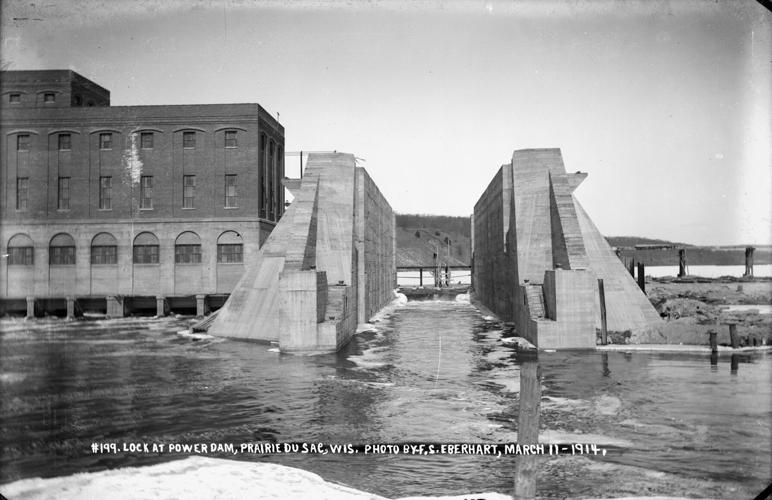
Looking upstream through the lock at the Prairie du Sac dam on the Wisconsin River during construction in 1914. The lock is no longer used because erosion has dropped the downstream water level by about 11 feet. (Wisconsin Historical Society image No. 48492)


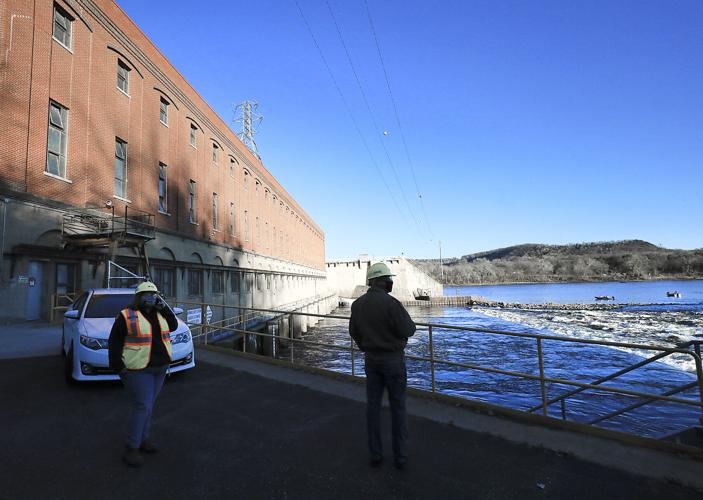
The Mississippi River rushes through Lock and Dam 7 in Dresbach, Minn. The U.S. Department of Energy estimates non-power dams like this, used to aid navigation, could support up to 12 gigawatts of new hydroelectric capacity.

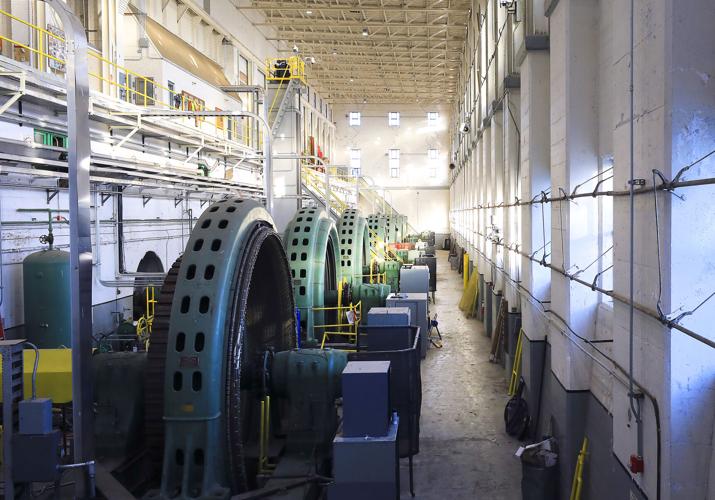
Driven by water from the Wisconsin River, generators at Alliant Energy's Prairie du Sac dam delivered enough electricity last year to power more than 20,500 homes.

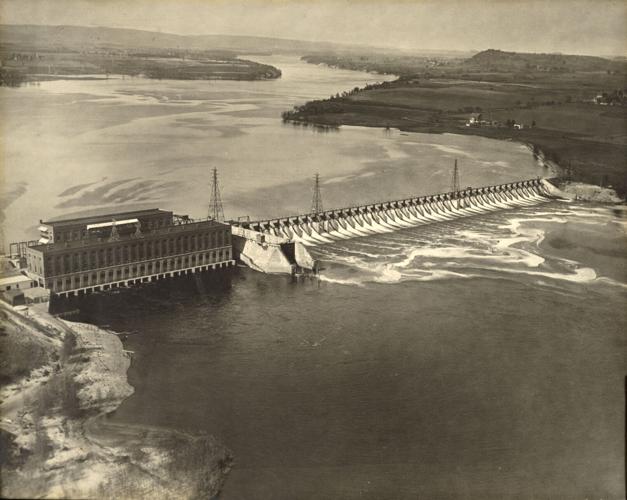
The Prairie du Sac dam, completed in 1914 and pictured around 1924, forms Lake Wisconsin. (WHI 49745)

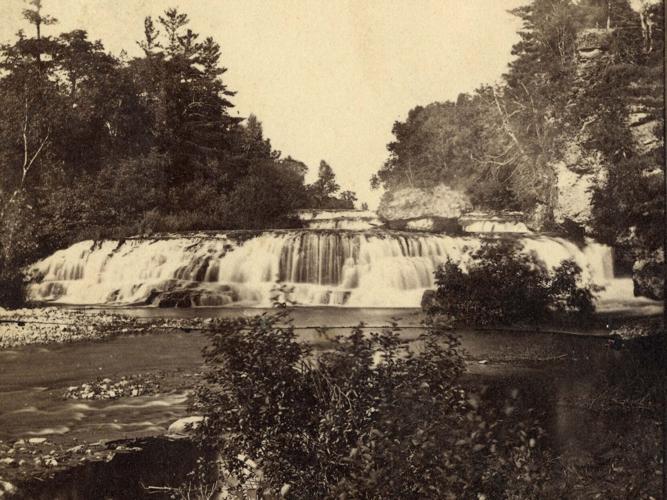
The Kinnickinnic River, pictured in 1865, drops 70 feet over the course of a mile. The city of River Falls last year voted to remove two dams as part of an effort to restore the river to its natural state.
Photos: Wisconsin's hydroelectric dams yesterday and today
Prairie du Sac Dam 01-12032020110131

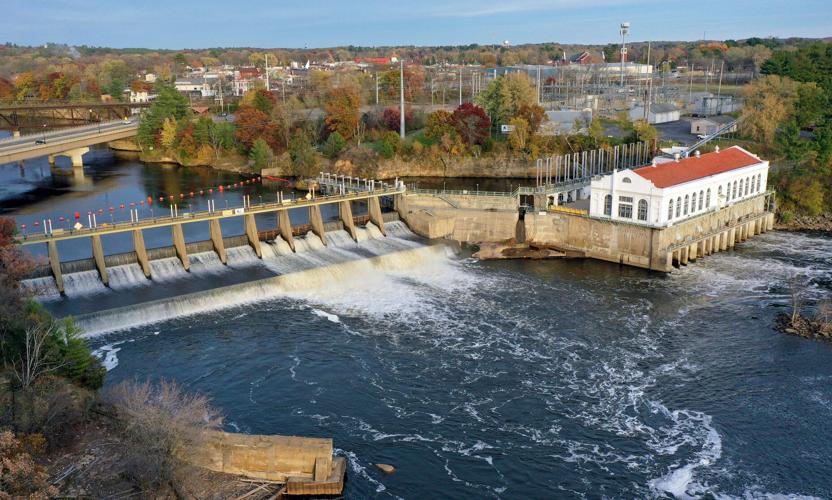
Site manager Amanda Blank stands atop Alliant Energy's Prairie du Sac dam on the Wisconsin River. The 106-year-old dam is Alliant's second-oldest power plant after the Kilbourn dam, built in 1909.
Prairie du Sac Dam 02-12032020110131
Driven by water from the Wisconsin River, generators at Alliant Energy's Prairie du Sac dam delivered enough electricity last year to power more than 20,500 homes.
Prairie du Sac WHS Image ID 48686.jpg

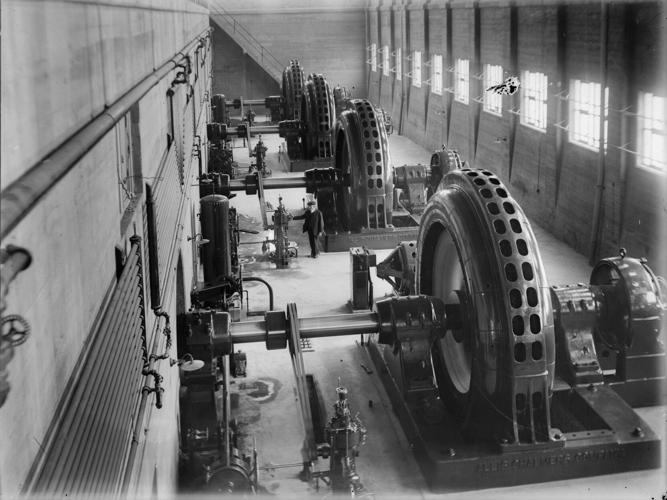
Allis-Chalmers generators inside the Prairie du Sac dam as photographed circa 1915 by Frank S. Eberhart. The 30-megawatt dam has been operated since 1917 by Wisconsin Power & Light, better known as Alliant Energy. (Wisconsin Historical Society image No. 48686)
Prairie du Sac Dam 03-12032020110131

Competed in 1914, Alliant Energy's Prairie du Sac dam sits atop wooden piles driven about 60 feet into the sandy bottom of the Wisconsin River.
Prairie du Sac Dam 04-12032020110131

Concrete spillways allow water to bypass turbines at Alliant Energy's Prairie du Sac dam on the Wisconsin River. Alliant's license requires the utility to maintain the level of Lake Wisconsin within a range of about 7 inches.
Prairie du Sac Dam 05-12032020110131

A visitor snaps a photo of Alliant Energy's 106-year-old Prairie du Sac dam from just downstream on the Wisconsin River.
Prairie du Sac Dam 06-12032020110131

A plaque on the powerhouse of the Prairie du Sac dam commemorates its completion. The dam, which can power up to 30,000 homes, is Alliant Energy's second oldest plant.
Prairie du Sac Dam 07-12032020110131

A trash rake clears debris from gates that protect the turbines inside the Prairie du Sac dam and allows it to continue downstream. Amanda Blank is Alliant Energy's site manager for hydro and natural gas generation.
Prairie du Sac WHS Image ID 48492.jpg
Looking upstream through the lock at the Prairie du Sac dam on the Wisconsin River during construction in 1914. The lock is no longer used because erosion has dropped the downstream water level by about 11 feet. (Wisconsin Historical Society image No. 48492)
Prairie du Sac Dam 08-12032020110131

Power lines carry electricity from the Prairie du Sac dam, which can power up to 30,000 homes with energy generated by the Wisconsin River.
Prairie du Sac Dam 09-12032020110131

Anglers fish the Wisconsin River below the Prairie du Sac dam. Recognizing the threat of climate change, conservation organizations that oppose dams for the damage they inflict on rivers have agreed to support some existing structures.
Prairie du Sac WHS Image ID 49745.jpg
The Prairie du Sac dam, completed in 1914 and pictured around 1924, forms Lake Wisconsin. (WHI 49745)
Kilbourn Dam
Completed in 1909, Alliant Energy's Kilbourn dam in Wisconsin Dells generated enough electricity to supply about 5,000 homes last year. It is one of more than 140 hydroelectric dams that produce about 4% of Wisconsin's electricity supply.
KILBOURN DAM

A Madison engineer named Magnus Swenson and some partners formed the Southern Wisconsin Power Company in 1905 and completed the Kilbourn Dam in Wisconsin Dells in 1909. (Wisconsin Historical Society image No. WHI 35085)
Cornell dam WHS Image ID 30031.jpg

Built in 1913 to power a paper mill, the Cornell dam on the Chippewa River was acquired by Northern States Power in 1929. The utility, now known as Xcel Energy, overhauled the dam in 1977. It can now generate up to 33 megawatts. (WHI image no. 30031)
Dresbach Dam.jpg
The Mississippi River rushes through Lock and Dam 7 in Dresbach, Minn. The U.S. Department of Energy estimates non-power dams like this, used to aid navigation, could support up to 12 gigawatts of new hydroelectric capacity.
112520-lt-nws-angelo-dam-1.jpg
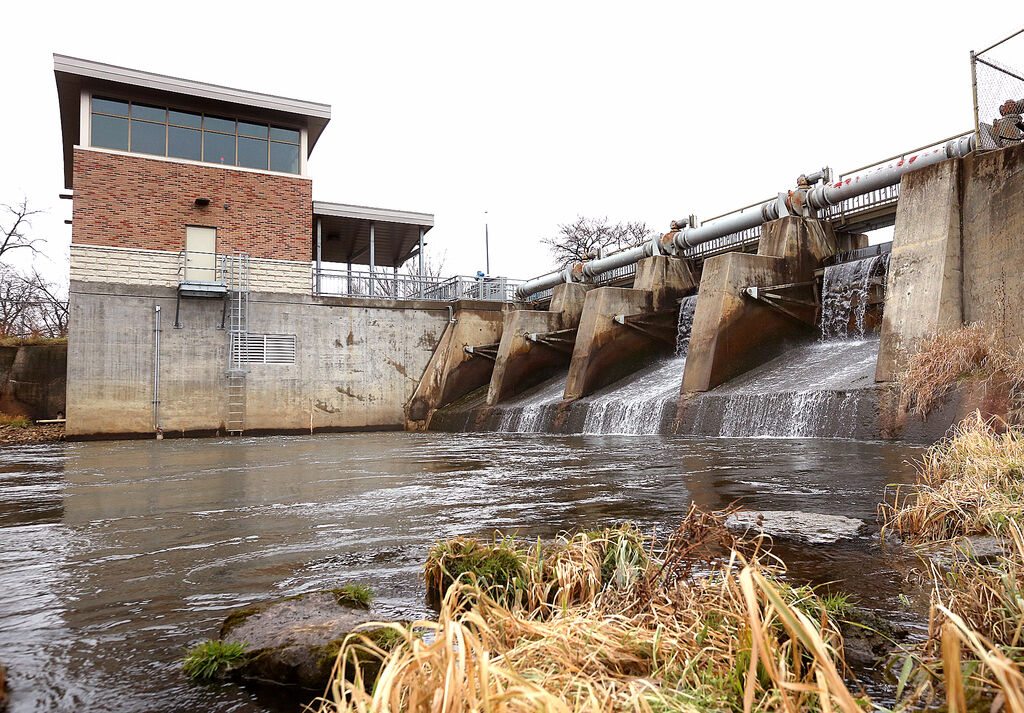
Western Technical College purchased the Angelo dam from Monroe County in 2011 and spent $4 million to add electrical generators. Citing a lack of student interest in hydroelectricity, the college has agreed to sell the dam for $80,000.
112520-lt-nws-angelo-dam-2.jpg

Less than 10 years after investing $4 million in a hydroelectric project to power its campuses and serve as a teaching lab, Western Technical College has agreed to sell the dam for $80,000.
Pine River dam

The Federal Energy Regulatory Commission last month extended the license for the Pine River dam in northern Wisconsin through 2040, disregarding a 1998 agreement to remove it in 2025.
Lake Louise

The Lower Powell Falls Dam and Lake Louise impoundment in River Falls, pictured in 2014. The lake was drained after heavy rains damaged the dam this summer. The dam is scheduled to be removed in 2026.
Junction Falls, 1865
The Kinnickinnic River, pictured in 1865, drops 70 feet over the course of a mile. The city of River Falls last year voted to remove two dams as part of an effort to restore the river to its natural state.
Upper Junction Falls dam

The Upper Junction Falls Dam in River Falls, photographed in 2014. The city of River Falls voted last year to remove the dam in order to restore the natural rapids on the Kinnickinnic River, though removal is not scheduled until 2035.