



A long, shared history: Madison and the Wisconsin State Journal
The inaugural edition of the Madison Express — the newspaper that in 1852 became the Wisconsin State Journal — hit the streets on Dec. 2, 1839. In the subsequent years, the newspaper has written the first draft of Madison’s history, chronicling events routine — births, deaths, school board meetings — and historic. In doing so, the paper itself made history: it’s the oldest continuously operating profitable business in Madison, according to the Greater Madison Chamber of Commerce.
In 2014, to mark the newspaper's 175th anniversary, the State Journal ran the following series of stories looking back at the growth and development of the news organization alongside the city it called home.

State Journal reporters no longer shine editors' shoes. They do on occasion volunteer to pet-sit an editor's chickens.

“The columns of the Express will be open to the discussion of all fair and proper subjects which will have the tendency of promoting the public good. We shall expose tyranny wherever it may exist, fearless of consequences, and shall also endeavor to expose any infringement which may be made, by men in power, upon the rights of the people.’’

By the time the Civil War broke out in 1861, the Wisconsin State Journal had been publishing for more than 20 years. But nothing could prepare Wisconsin and its nascent capital city for the horrors to follow. The country’s struggle with slavery, and the resulting war, would be the dominant issue of the time.

The years just before and after the Civil War were difficult times for Madison. It failed to grow during the panic of 1857, when real estate values plummeted, causing many to go bankrupt. And the city struggled through 11 of the 15 years following the war, when the country bounced between depression and recession.

The end of the 19th century and the start of the 20th saw times of transition for the Wisconsin State Journal and the University of Wisconsin.

“I pledge to my city a more complete understanding of her problems, a more liberal conception of her limitations, … a more generous contribution to her needs, and a more active participation … in order that my city may become a greater credit to herself.”

With World War I over, Madison and much of the rest of the nation turned its attention to a new battle: the fight over the proliferation of saloons.

Madison and its interest in aviation were booming as the "Roaring Twenties" came to a close, with the Depression and world war looming.
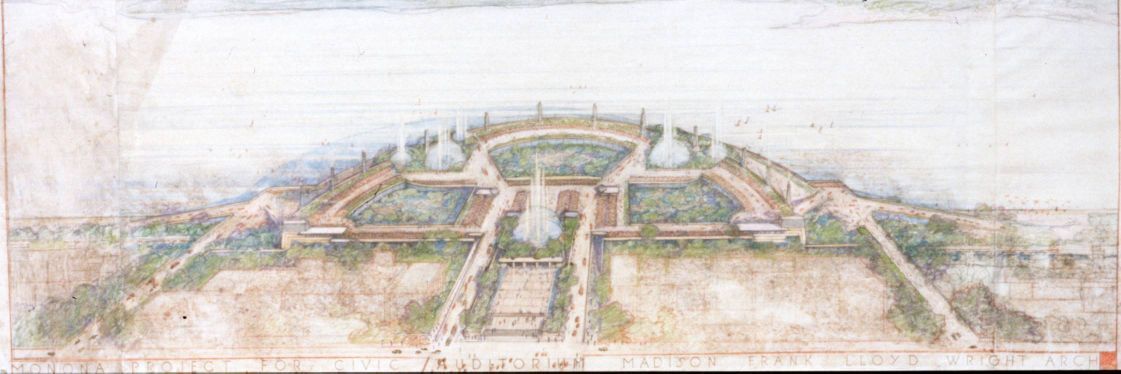
For those who lived through the fight over Monona Terrace in the early 1990s, Madison in the 1950s would have felt eerily familiar.

The dawn of the 1960s brought with it the promise of change. But war on the other side of the world would soon eclipse all that.

"Zoos are a characteristic feature of parks in all large cities," the Wisconsin State Journal declared in 1911. "The zoo idea should be welcomed."

After 70 years of use, the structure was showing its age. An 11-year, $141 million renovation restored the majestic building to its earlier grandeur.

Fittingly, the last installment in our 175th anniversary series proves what goes around comes around.

“I pledge to my city a more complete understanding of her problems, a more liberal conception of her limitations, … a more generous contribution to her needs, and a more active participation … in order that my city may become a greater credit to herself.”

With World War I over, Madison and much of the rest of the nation turned its attention to a new battle: the fight over the proliferation of saloons.

Madison and its interest in aviation were booming as the "Roaring Twenties" came to a close, with the Depression and world war looming.
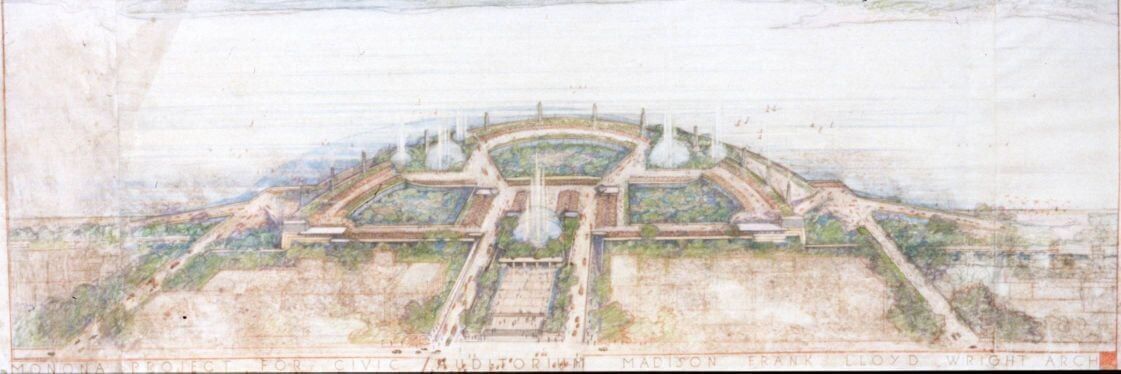
For those who lived through the fight over Monona Terrace in the early 1990s, Madison in the 1950s would have felt eerily familiar.

The dawn of the 1960s brought with it the promise of change. But war on the other side of the world would soon eclipse all that.

"Zoos are a characteristic feature of parks in all large cities," the Wisconsin State Journal declared in 1911. "The zoo idea should be welcomed."

After 70 years of use, the structure was showing its age. An 11-year, $141 million renovation restored the majestic building to its earlier grandeur.

Fittingly, the last installment in our 175th anniversary series proves what goes around comes around.

“I pledge to my city a more complete understanding of her problems, a more liberal conception of her limitations, … a more generous contribution to her needs, and a more active participation … in order that my city may become a greater credit to herself.”

With World War I over, Madison and much of the rest of the nation turned its attention to a new battle: the fight over the proliferation of saloons.

Madison and its interest in aviation were booming as the "Roaring Twenties" came to a close, with the Depression and world war looming.
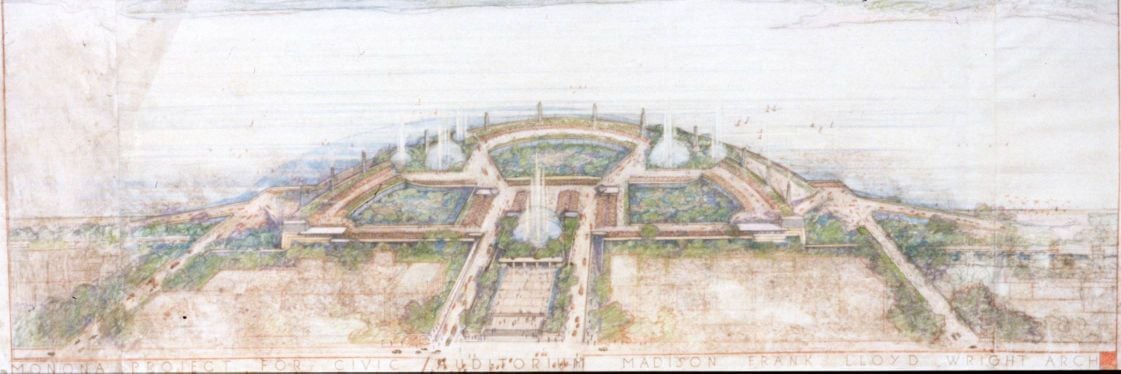
For those who lived through the fight over Monona Terrace in the early 1990s, Madison in the 1950s would have felt eerily familiar.

The dawn of the 1960s brought with it the promise of change. But war on the other side of the world would soon eclipse all that.

"Zoos are a characteristic feature of parks in all large cities," the Wisconsin State Journal declared in 1911. "The zoo idea should be welcomed."

After 70 years of use, the structure was showing its age. An 11-year, $141 million renovation restored the majestic building to its earlier grandeur.

Fittingly, the last installment in our 175th anniversary series proves what goes around comes around.