


Kenosha County Public Health is offering $5 radon test kits throughout January — Radon Action Month — to anyone who donates a nonperishable food item.
People are also reading…
- Brewers’ simple clinch celebration shows how expectations have changed
- Gateway helps graduate help family
- Gateway shows graduate the way to reaching career and life goals
- 51-year-old athlete dies during Saturday’s half Ironman in Madison
- Lake Geneva Public Library to host paranormal investigator
- Residents receive information about proposed transmission line project
- Tom Tiffany's plane makes emergency lake landing after campaign event
- Cars & Company returns to raise money for children’s cancer research
- New pediatrician joins Mercyhealth Hospital and Medical Center
- Brewers outfielder 'couldn't be more thankful' with health, role
- Tom Tiffany recounts harrowing plane emergency, swim to safety in Wausau
- 3 takeaways from Wisconsin volleyball's loss against Texas
- Lake Geneva Business improvement District steps up to help pay for Ice Sculpture Walk
- Lake Geneva Badger vs. Westosha Central
- Lake Geneva Police Department’s expenses expect to increase by $411,000 in 2027
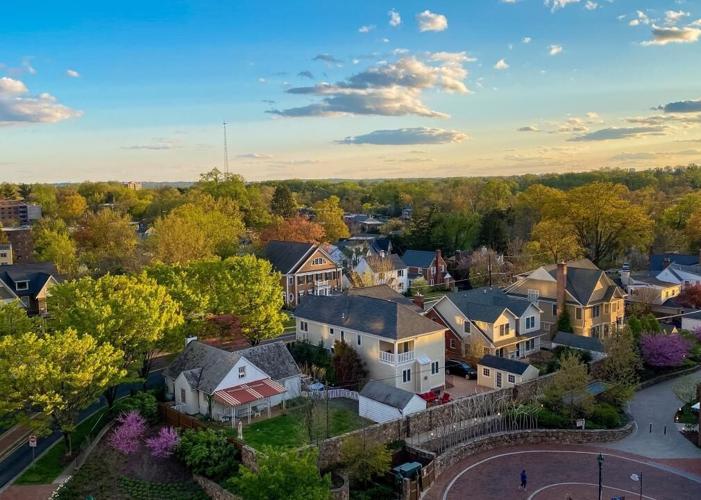
Many Americans who have bid farewell to the workforce or are thinking about it are turning to places that offer affordability, a strong economy, quality health care options, less traffic, and overall, more comfort. Neighborhoods outside major cities and metropolitan areas have grown in popularity among retirees, with 26% moving to smaller towns, but the overall number of people moving for retirement is down.
In 2021, American retirement relocations dropped significantly—approximately 43% less than the previous year, its lowest number of retiree relocations in five years. The Economic Research Federal Reserve Bank of St. Louis suggests this was a result of the ongoing COVID-19 pandemic, soaring home prices, and retirees not having enough savings.
- Nicole Glass Photography // Shutterstock
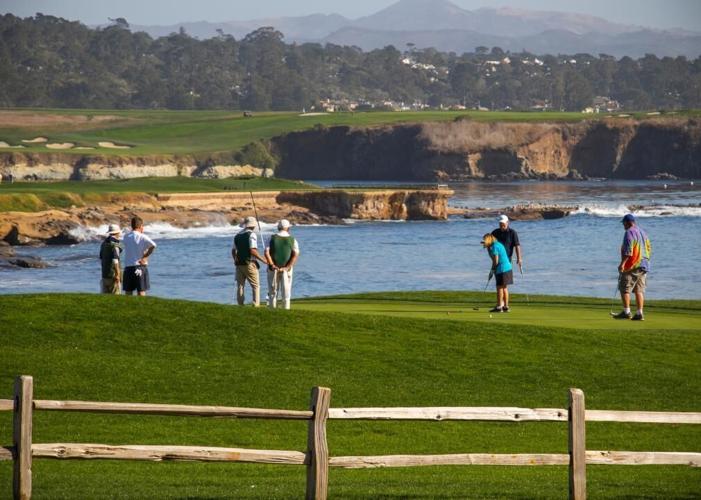
- Population: 4,105 (16% age 55-64 and 40% age 65+)
- Homeowners: 82% of the population
- MiNiProduction // Shutterstock
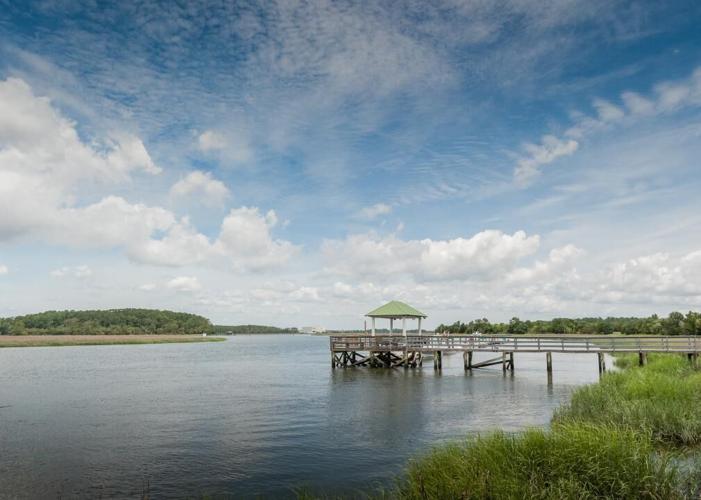
- Population: 1,162 (17% age 55-64 and 28% age 65+)
- Homeowners: 100% of the population
- Diana Daley // Shutterstock
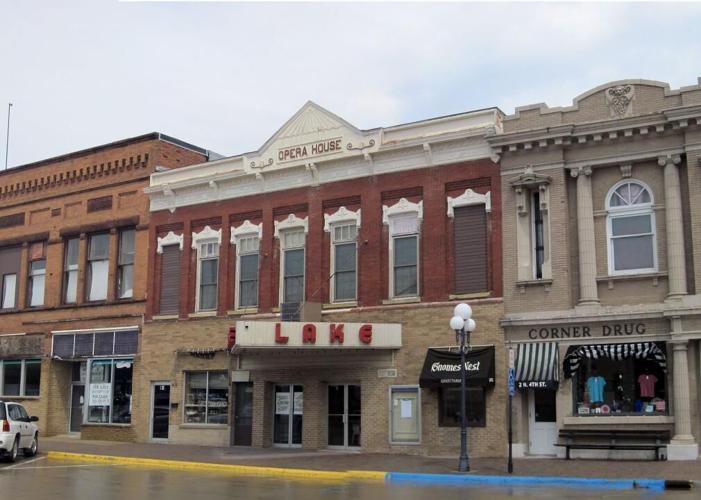
- Population: 7,597 (18% age 55-64 and 25% age 65+)
- Homeowners: 72% of the population
- Billwhittaker // Wikimedia Commons
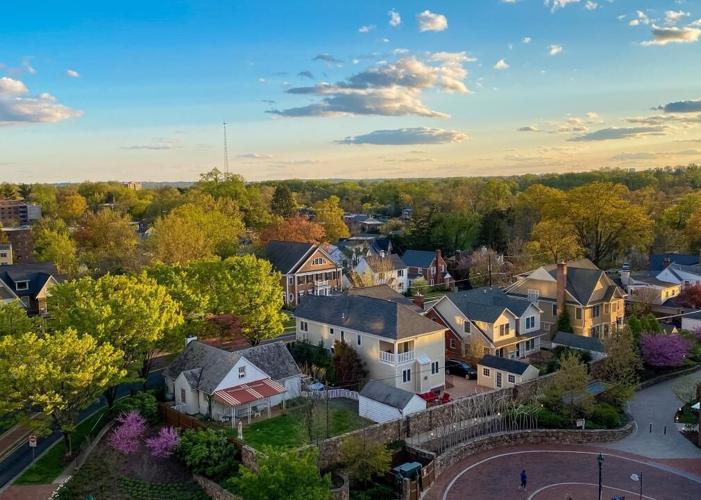
- Population: 9,622 (15% age 55-64 and 23% age 65+)
- Homeowners: 78% of the population
- Nicole Glass Photography // Shutterstock

- Population: 11,077 (15% age 55-64 and 30% age 65+)
- Homeowners: 85% of the population
- Amy Kerkemeyer // Shutterstock
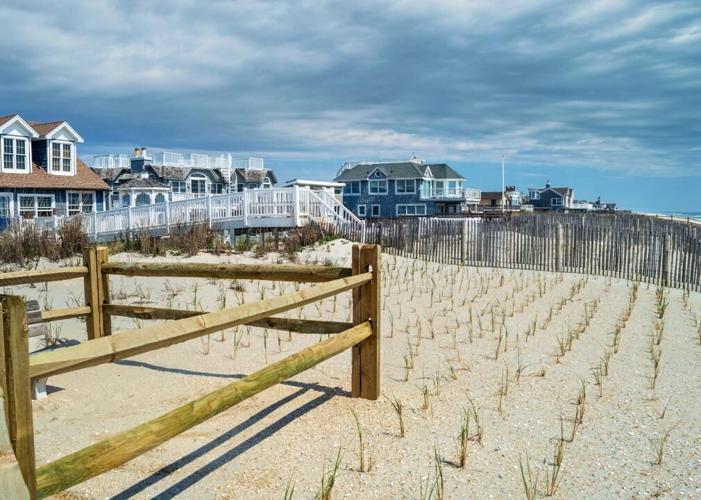
- Population: 1,271 (23% age 55-64 and 50% age 65+)
- Homeowners: 86% of the population
- Andrew F. Kazmierski // Shutterstock
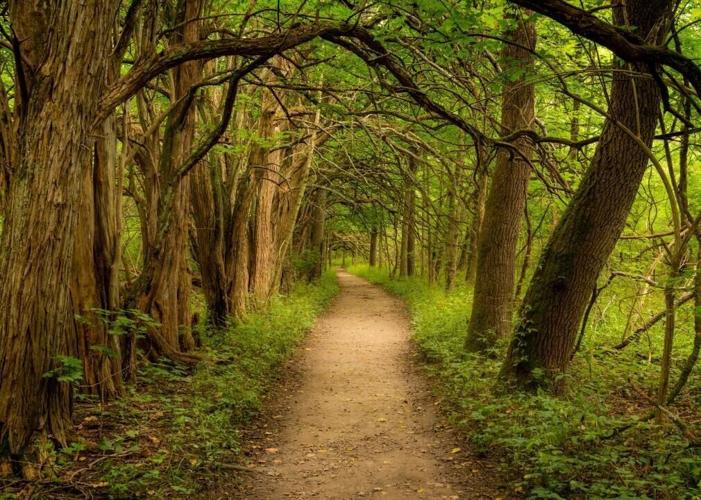
- Population: 7,212 (16% age 55-64 and 19% age 65+)
- Homeowners: 81% of the population
- arthurgphotography // Shutterstock
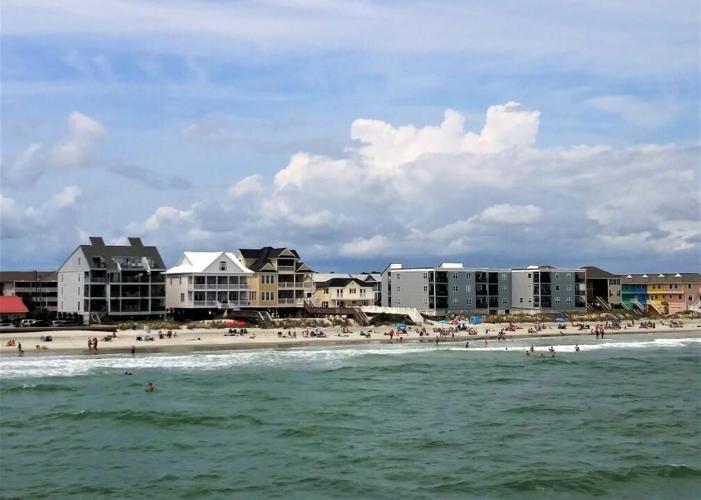
- Population: 10,669 (20% age 55-64 and 40% age 65+)
- Homeowners: 79% of the population
- bsankow // Shutterstock
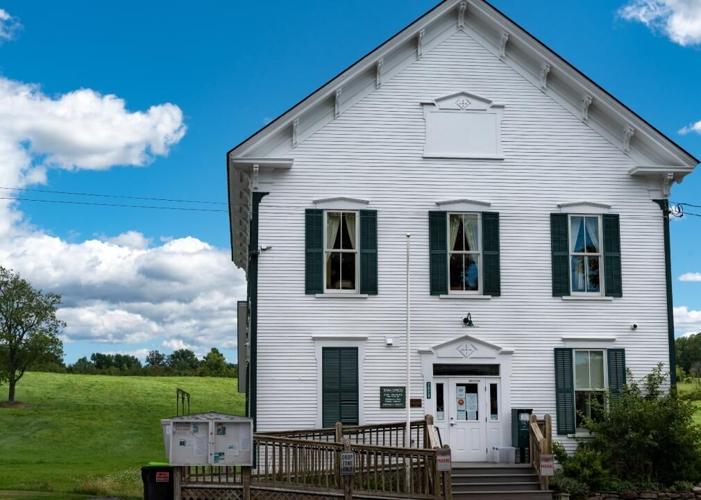
- Population: 1,028 (18% age 55-64 and 29% age 65+)
- Homeowners: 77% of the population
- Bob LoCicero // Shutterstock
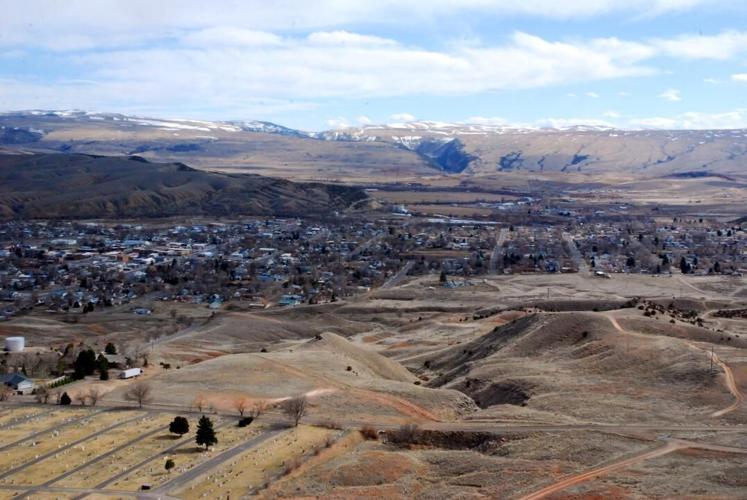
- Population: 2,703 (14% age 55-64 and 26% age 65+)
- Homeowners: 77% of the population
- Jonathan Green // Wikimedia Commons
Best small towns for retirees in every state

Best small towns for retirees in every state
Many Americans who have bid farewell to the workforce or are thinking about it are turning to places that offer affordability, a strong economy, quality health care options, less traffic, and overall, more comfort. Neighborhoods outside major cities and metropolitan areas have grown in popularity among retirees, with 26% moving to smaller towns, but the overall number of people moving for retirement is down.
In 2021, American retirement relocations dropped significantly—approximately 43% less than the previous year, its lowest number of retiree relocations in five years. The Economic Research Federal Reserve Bank of St. Louis suggests this was a result of the ongoing COVID-19 pandemic, soaring home prices, and retirees not having enough savings.
- Nicole Glass Photography // Shutterstock
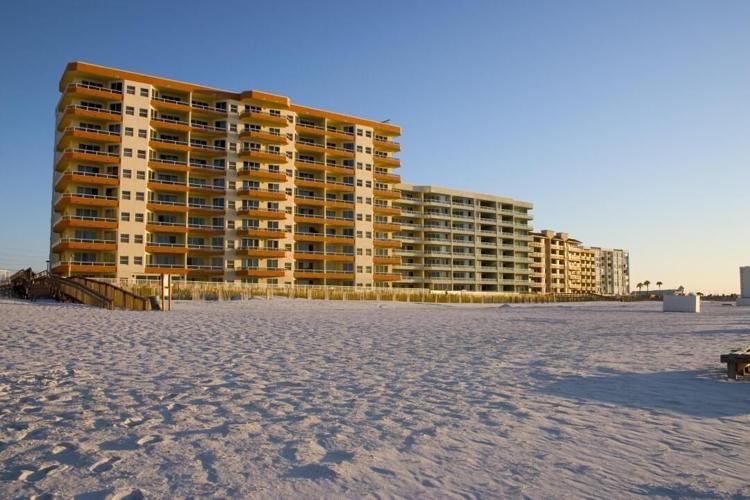
- Population: 6,019 (19% age 55-64 and 34% age 65+)
- Homeowners: 70% of the population
- Chris Watson // Wikimedia Commons
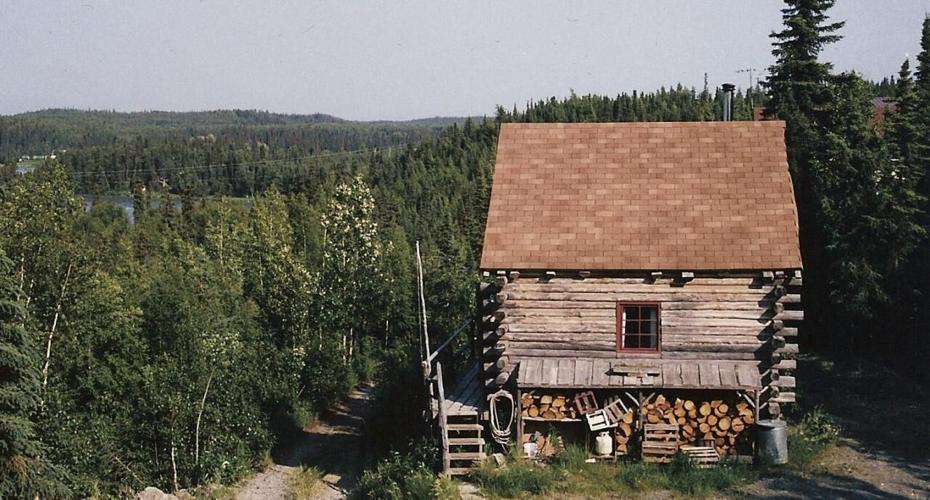
- Population: 4,649 (13% age 55-64 and 20% age 65+)
- Homeowners: 51% of the population
- Brian A. Ridder // Wikimedia Commons
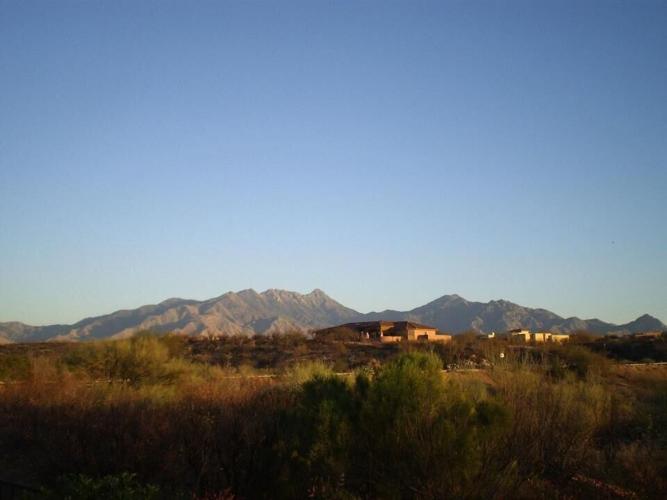
- Population: 20,902 (14% age 55-64 and 80% age 65+)
- Homeowners: 85% of the population
- James Brooks // Wikimedia Commons
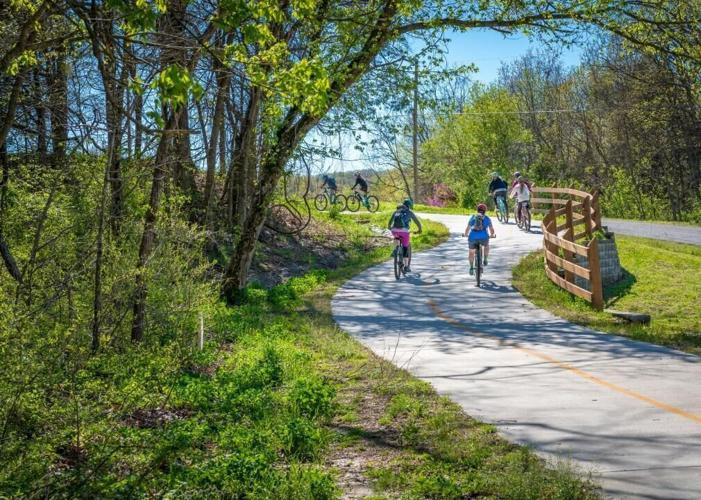
- Population: 28,539 (14% age 55-64 and 33% age 65+)
- Homeowners: 87% of the population
- shuttersv // Shutterstock
- Population: 4,105 (16% age 55-64 and 40% age 65+)
- Homeowners: 82% of the population
- MiNiProduction // Shutterstock
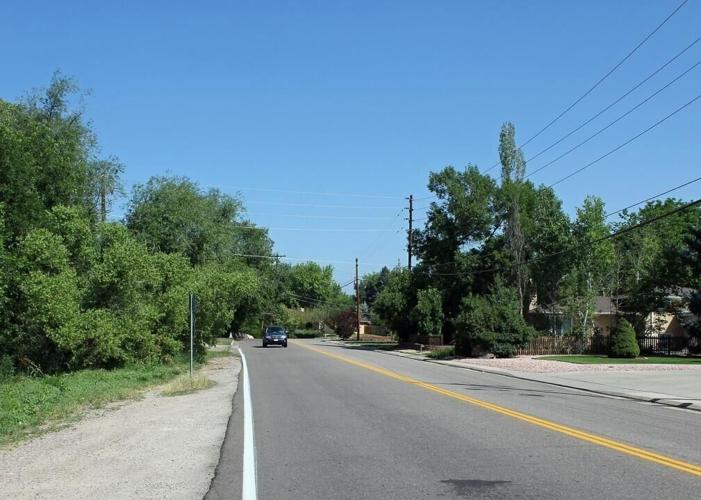
- Population: 2,835 (15% age 55-64 and 21% age 65+)
- Homeowners: 97% of the population
- Jeffrey Beall // Shutterstock
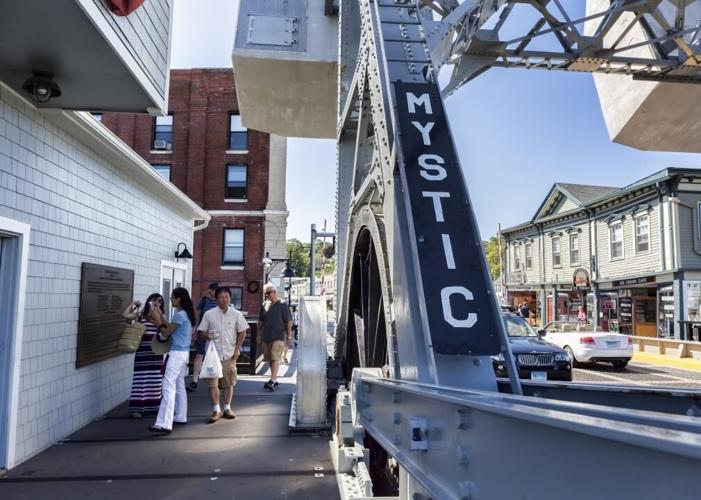
- Population: 4,249 (17% age 55-64 and 32% age 65+)
- Homeowners: 68% of the population
- Paul Latham // Shutterstock
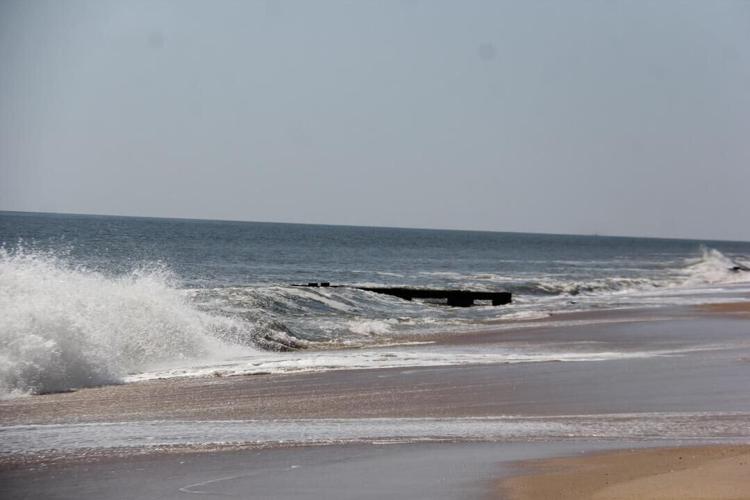
- Population: 1,400 (24% age 55-64 and 48% age 65+)
- Homeowners: 82% of the population
- Ron Shawley // Wikimedia Commons
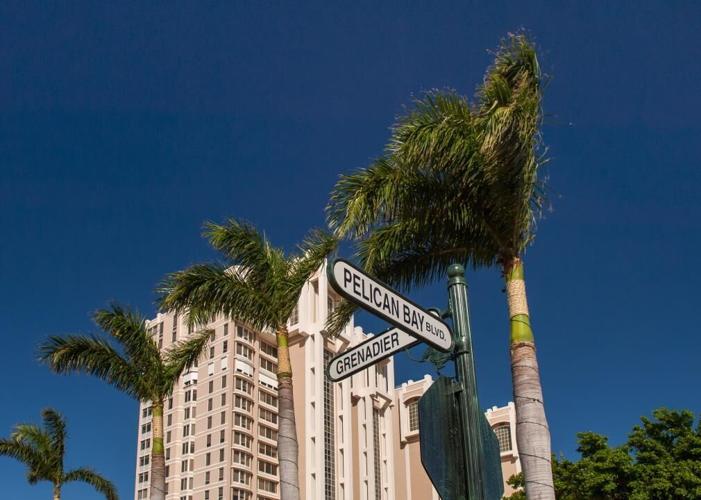
- Population: 6,140 (13% age 55-64 and 83% age 65+)
- Homeowners: 95% of the population
- FloridaStock // Shutterstock
- Population: 1,162 (17% age 55-64 and 28% age 65+)
- Homeowners: 100% of the population
- Diana Daley // Shutterstock

- Population: 6,218 (23% age 55-64 and 25% age 65+)
- Homeowners: 60% of the population
- Elena_Suvorova // Shutterstock
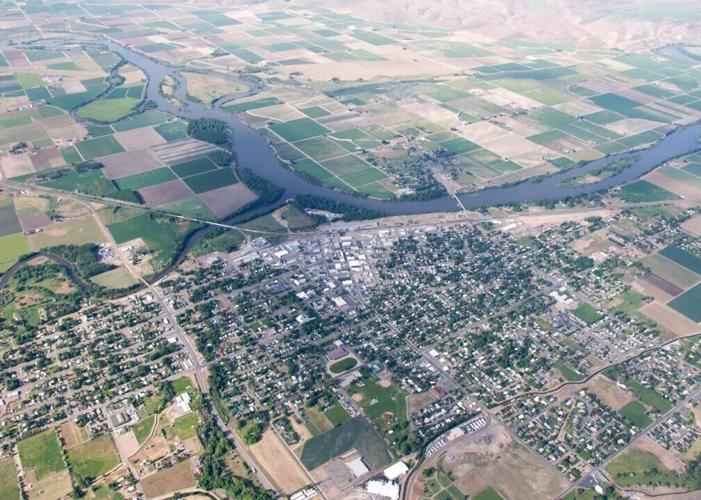
- Population: 5,323 (14% age 55-64 and 20% age 65+)
- Homeowners: 62% of the population
- Sam Beebe // Wikimedia Commons
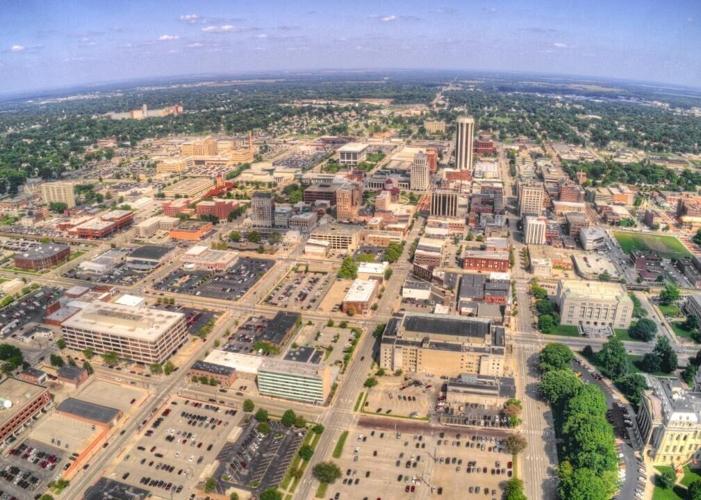
- Population: 1,406 (17% age 55-64 and 34% age 65+)
- Homeowners: 95% of the population
- Jacob Boomsma // Shutterstock
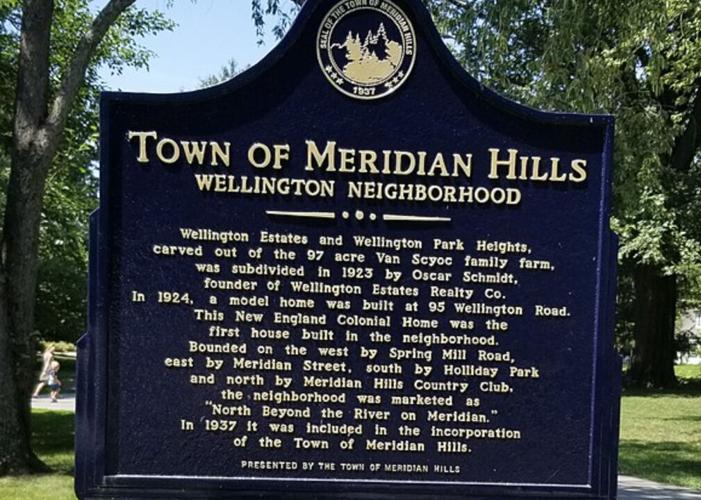
- Population: 1,741 (15% age 55-64 and 18% age 65+)
- Homeowners: 98% of the population
- ONUnicorn // Wikimedia Commons
- Population: 7,597 (18% age 55-64 and 25% age 65+)
- Homeowners: 72% of the population
- Billwhittaker // Wikimedia Commons
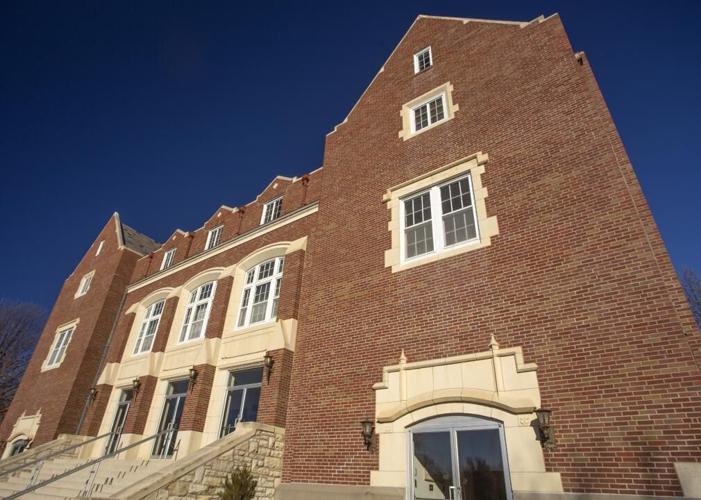
- Population: 1,778 (10% age 55-64 and 30% age 65+)
- Homeowners: 57% of the population
- Weldon Schloneger // Shutterstock
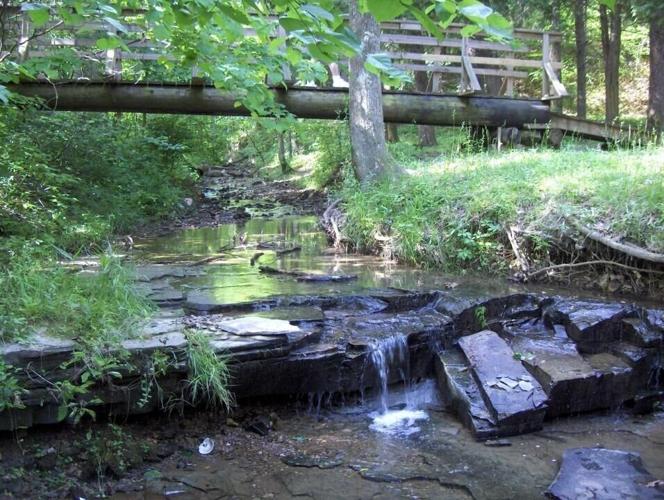
- Population: 2,433 (19% age 55-64 and 33% age 65+)
- Homeowners: 94% of the population
- John Knouse // Wikimedia Commons
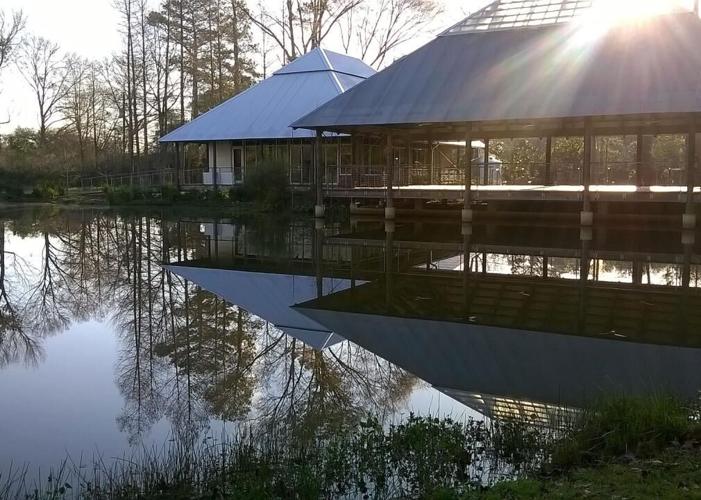
- Population: 2,760 (11% age 55-64 and 22% age 65+)
- Homeowners: 71% of the population
- H.dryad // Wikimedia Commons
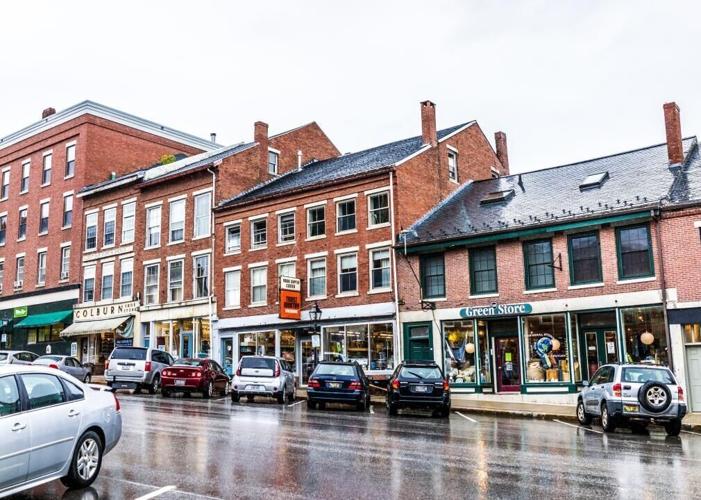
- Population: 6,688 (17% age 55-64 and 26% age 65+)
- Homeowners: 63% of the population
- Kristi Blokhin // Shutterstock
- Population: 9,622 (15% age 55-64 and 23% age 65+)
- Homeowners: 78% of the population
- Nicole Glass Photography // Shutterstock
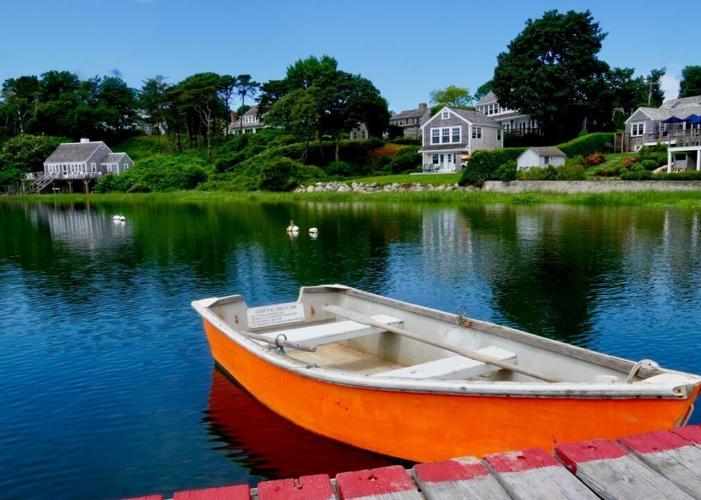
- Population: 6,019 (18% age 55-64 and 45% age 65+)
- Homeowners: 84% of the population
- J.A. Johnson // Shutterstock
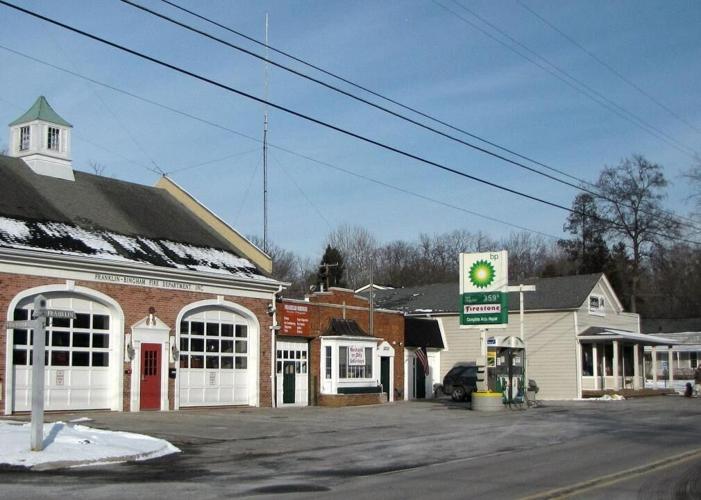
- Population: 1,129 (16% age 55-64 and 48% age 65+)
- Homeowners: 89% of the population
- Traveler100 // Wikimedia Commons
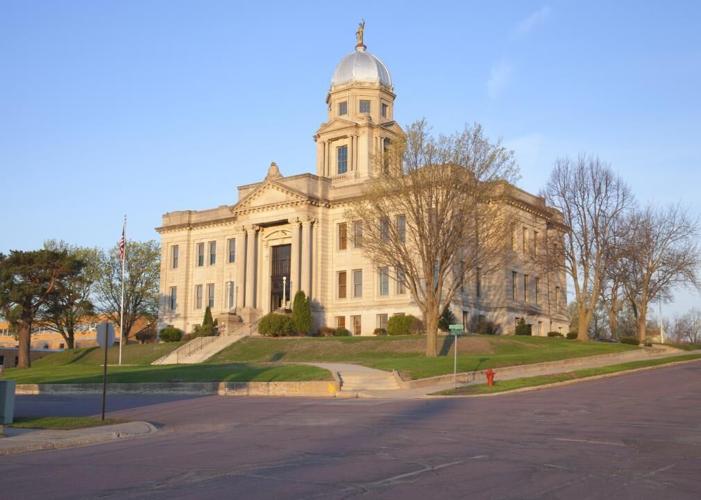
- Population: 3,219 (18% age 55-64 and 24% age 65+)
- Homeowners: 75% of the population
- Dan Thornberg // Shutterstock
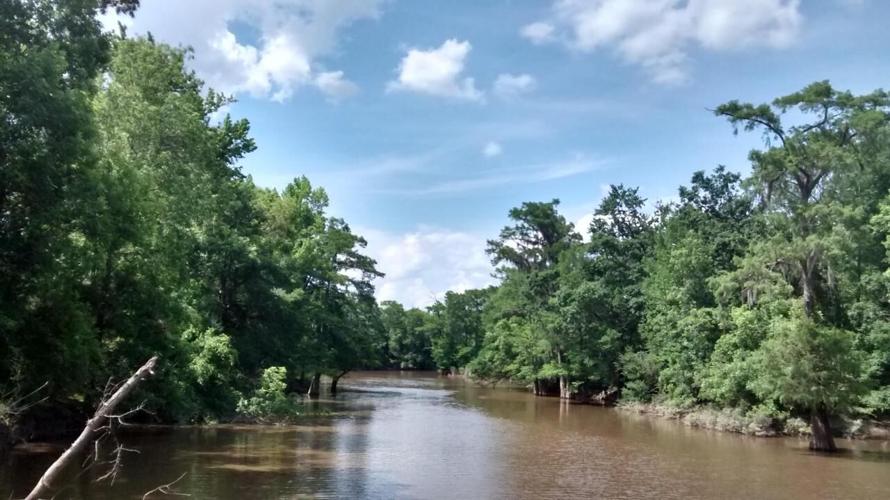
- Population: 2,392 (17% age 55-64 and 28% age 65+)
- Homeowners: 87% of the population
- Aaron Manning // Wikimedia Commons
- Population: 11,077 (15% age 55-64 and 30% age 65+)
- Homeowners: 85% of the population
- Amy Kerkemeyer // Shutterstock
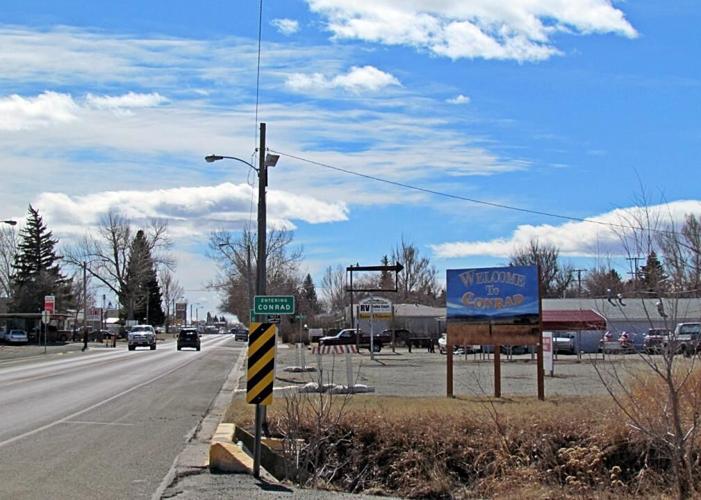
- Population: 2,633 (15% age 55-64 and 21% age 65+)
- Homeowners: 73% of the population
- 5of7 // Wikimedia Commons
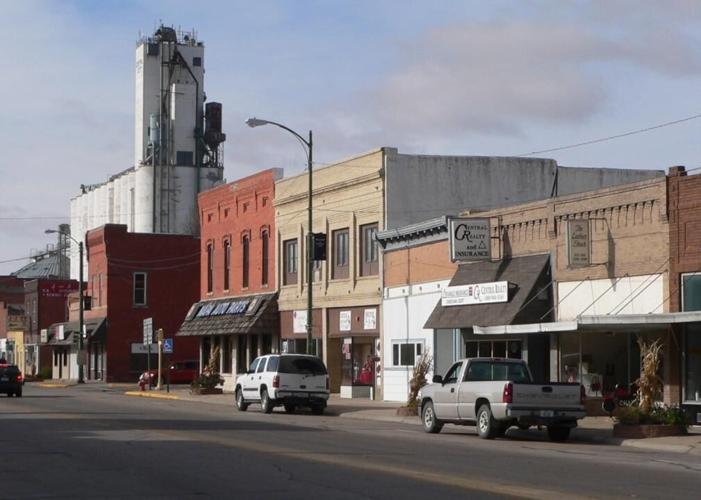
- Population: 2,903 (10% age 55-64 and 25% age 65+)
- Homeowners: 60% of the population
- Ammodramus // Wikimedia Commons
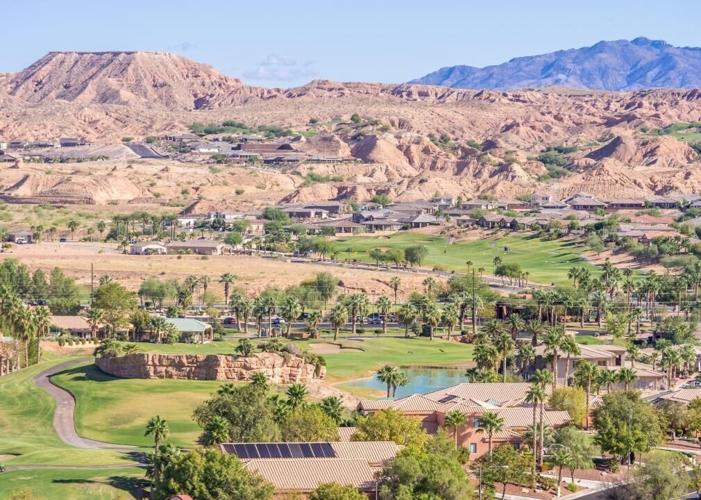
- Population: 18,446 (15% age 55-64 and 41% age 65+)
- Homeowners: 73% of the population
- Steve Lagreca // Shutterstock
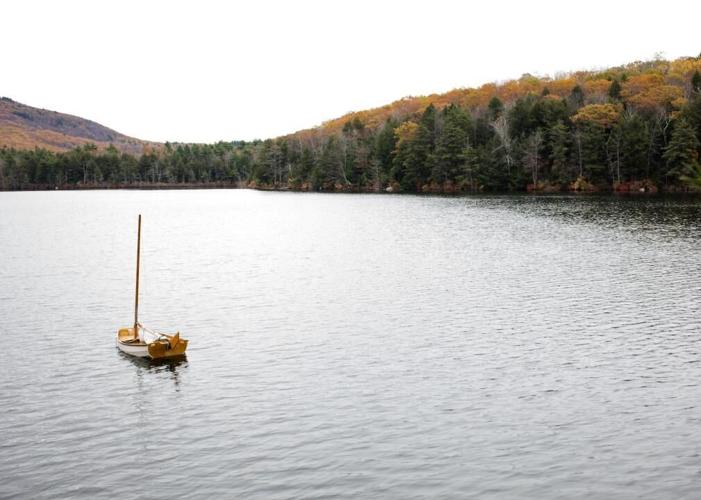
- Population: 6,604 (18% age 55-64 and 27% age 65+)
- Homeowners: 67% of the population
- M.Bailey // Shutterstock
- Population: 1,271 (23% age 55-64 and 50% age 65+)
- Homeowners: 86% of the population
- Andrew F. Kazmierski // Shutterstock
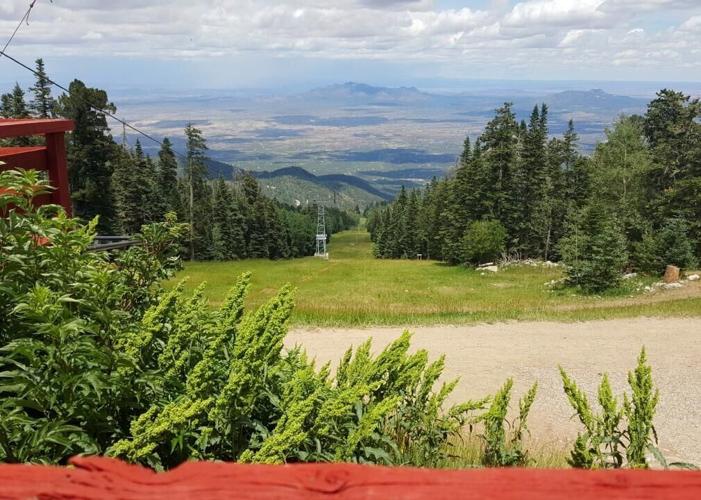
- Population: 3,571 (17% age 55-64 and 44% age 65+)
- Homeowners: 97% of the population
- Karl Cox // Shutterstock
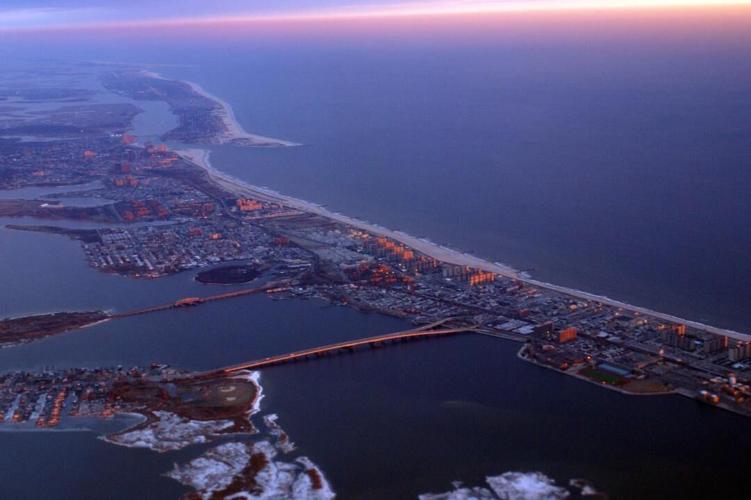
- Population: 3,119 (12% age 55-64 and 31% age 65+)
- Homeowners: 100% of the population
- Eric Salard // Wikimedia Commons
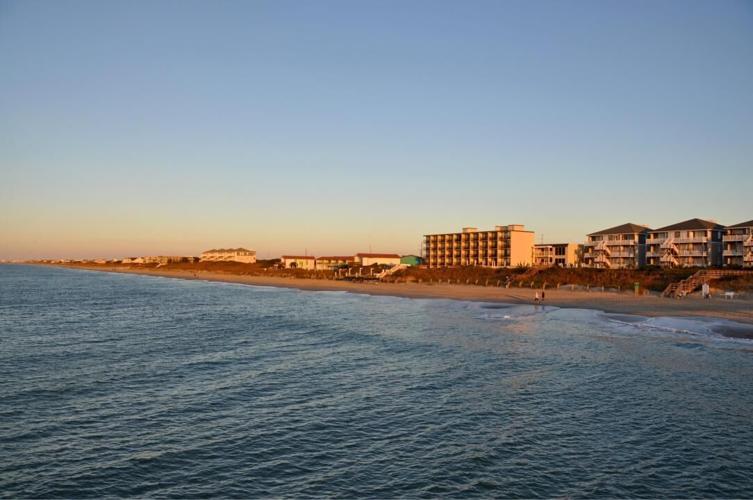
- Population: 1,343 (22% age 55-64 and 47% age 65+)
- Homeowners: 89% of the population
- James Willamor // Wikimedia Commons
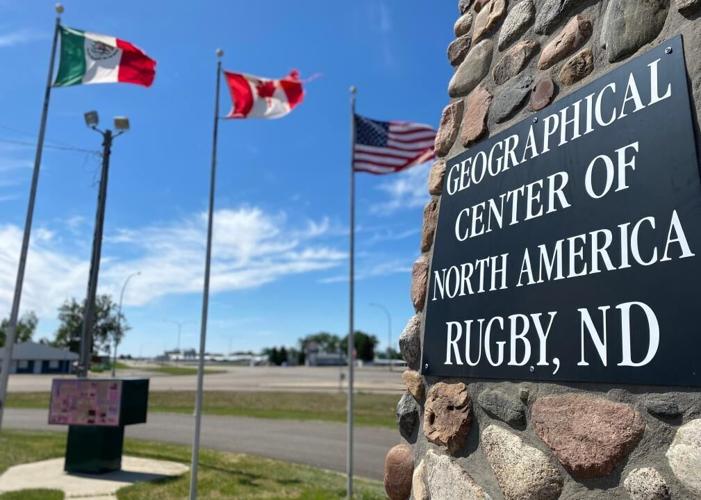
- Population: 2,724 (15% age 55-64 and 29% age 65+)
- Homeowners: 71% of the population
- Tim Samuelson // Shutterstock
- Population: 7,212 (16% age 55-64 and 19% age 65+)
- Homeowners: 81% of the population
- arthurgphotography // Shutterstock
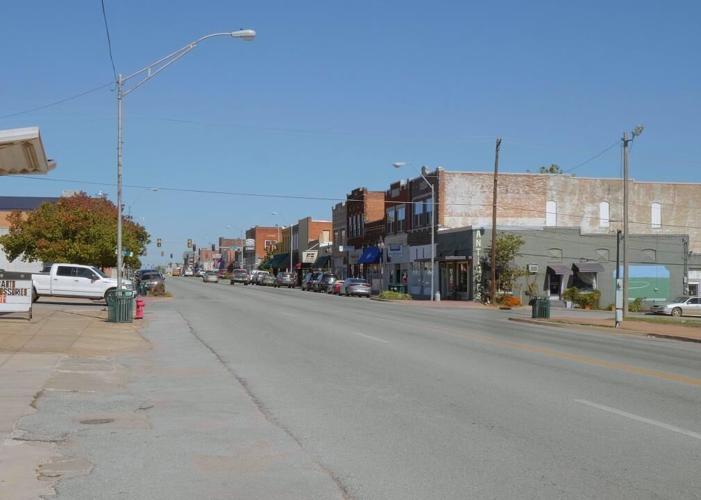
- Population: 9,452 (11% age 55-64 and 18% age 65+)
- Homeowners: 67% of the population
- 4kclips // Shutterstock
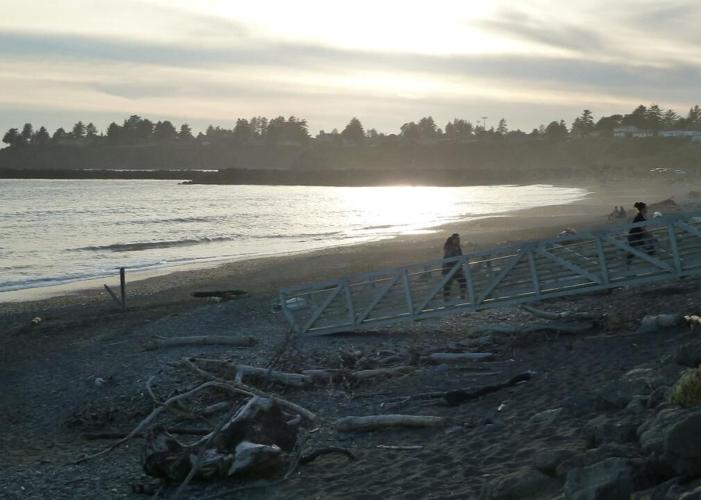
- Population: 1,958 (15% age 55-64 and 71% age 65+)
- Homeowners: 84% of the population
- Cary Bass // Wikimedia Commons
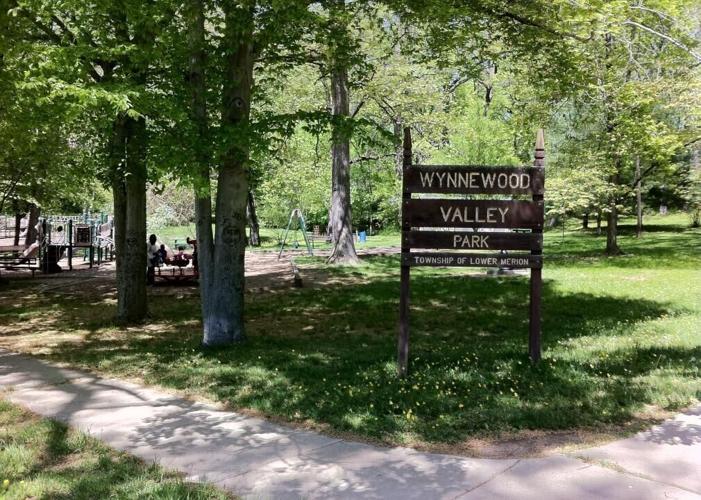
- Population: 5,932 (15% age 55-64 and 26% age 65+)
- Homeowners: 87% of the population
- ifly6 // Wikimedia Commons
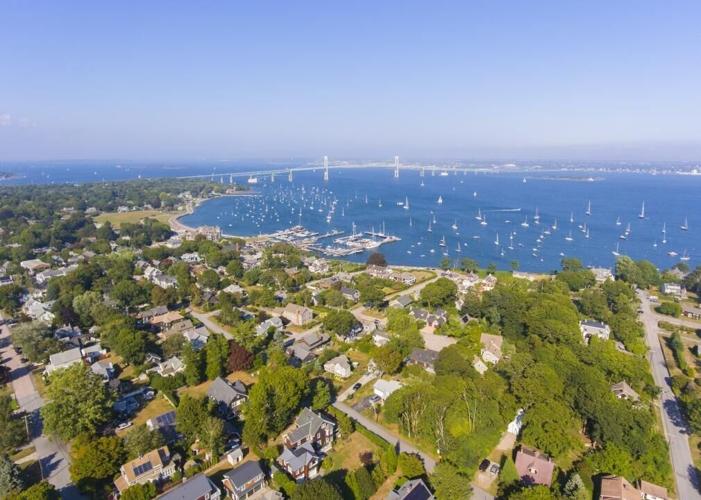
- Population: 5,494 (19% age 55-64 and 26% age 65+)
- Homeowners: 83% of the population
- Wangkun Jia // Shutterstock
- Population: 10,669 (20% age 55-64 and 40% age 65+)
- Homeowners: 79% of the population
- bsankow // Shutterstock
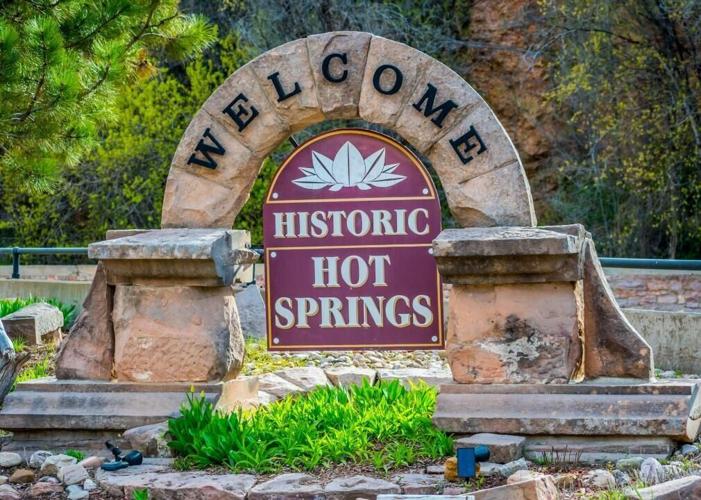
- Population: 3,509 (17% age 55-64 and 28% age 65+)
- Homeowners: 68% of the population
- Cheri Alguire // Shutterstock
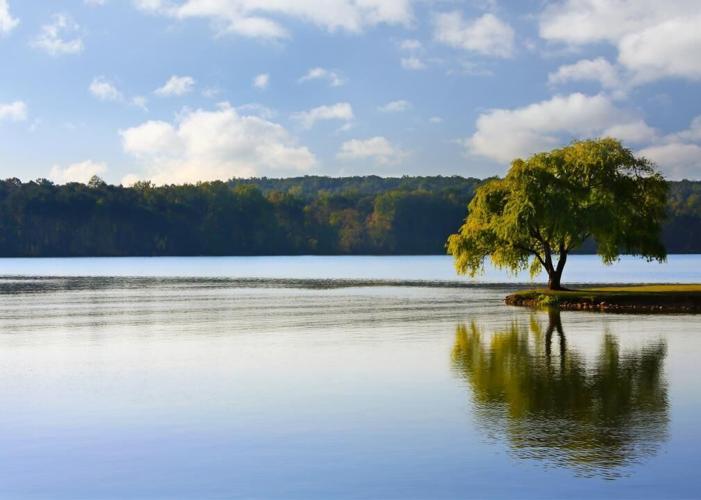
- Population: 22,631 (16% age 55-64 and 23% age 65+)
- Homeowners: 89% of the population
- Melinda Fawver // Shutterstock
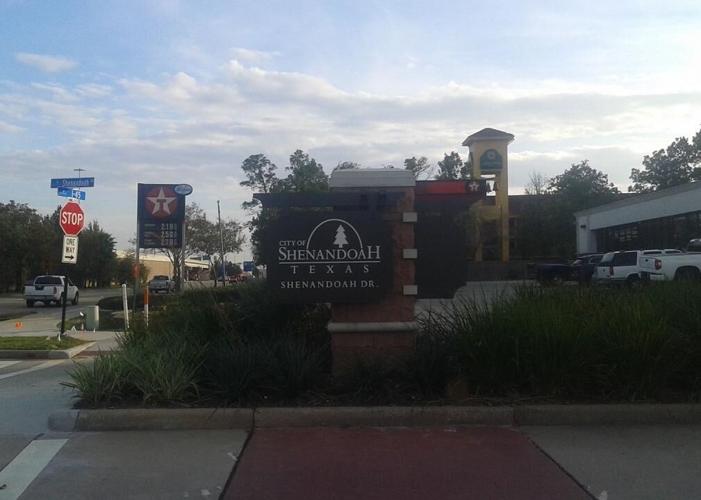
- Population: 2,887 (10% age 55-64 and 40% age 65+)
- Homeowners: 55% of the population
- Stedil // Wikimedia Commons
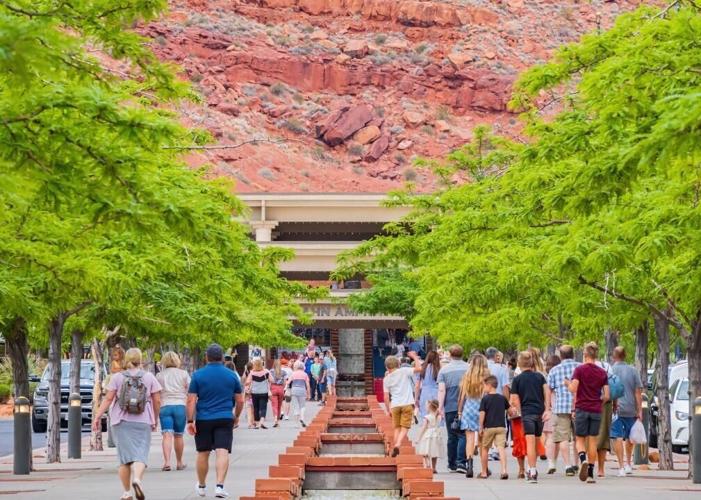
- Population: 8,530 (14% age 55-64 and 30% age 65+)
- Homeowners: 83% of the population
- Kit Leong // Shutterstock
- Population: 1,028 (18% age 55-64 and 29% age 65+)
- Homeowners: 77% of the population
- Bob LoCicero // Shutterstock
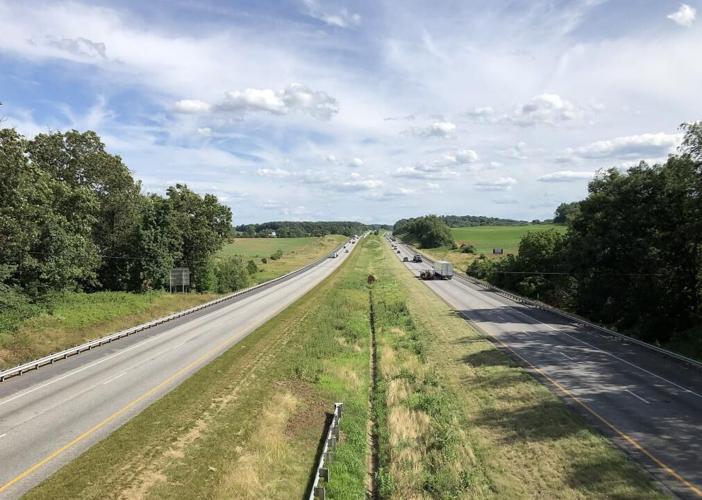
- Population: 1,226 (13% age 55-64 and 34% age 65+)
- Homeowners: 100% of the population
- Famartin // Wikimedia Commons
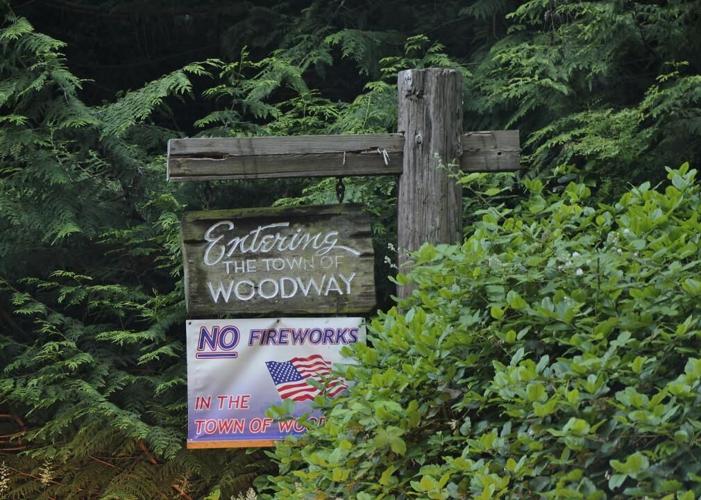
- Population: 1,105 (13% age 55-64 and 23% age 65+)
- Homeowners: 97% of the population
- SounderBruce // Wikimedia Commons
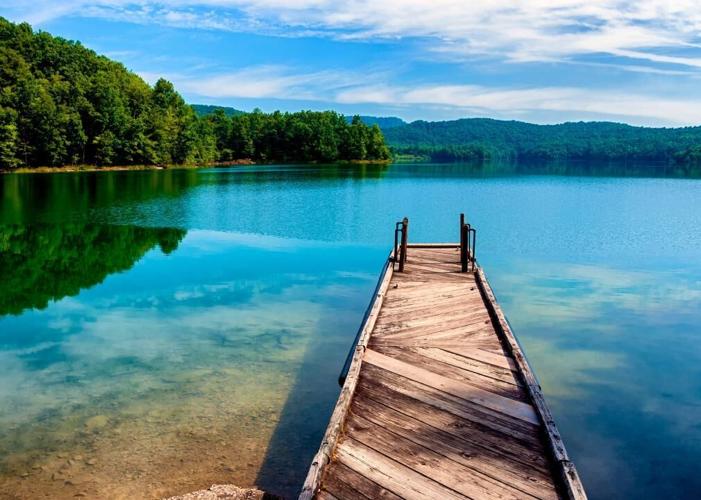
- Population: 3,368 (20% age 55-64 and 28% age 65+)
- Homeowners: 69% of the population
- Malachi Jacobs // Shutterstock
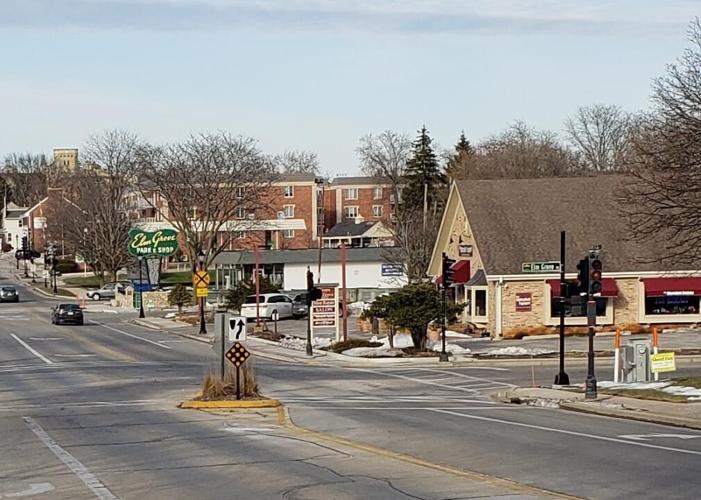
- Population: 6,153 (14% age 55-64 and 25% age 65+)
- Homeowners: 93% of the population
- Porterhse // Wikimedia Commons
- Population: 2,703 (14% age 55-64 and 26% age 65+)
- Homeowners: 77% of the population
- Jonathan Green // Wikimedia Commons

Cheerful couple walking on pedestrian street.
- Rido // Shutterstock
In this Series
Recent Kenosha County stories
Get Government & Politics updates in your inbox!
Stay up-to-date on the latest in local and national government and political topics with our newsletter.

John Sloca
Get email notifications on {{subject}} daily!
{{description}}
Email notifications are only sent once a day, and only if there are new matching items.


