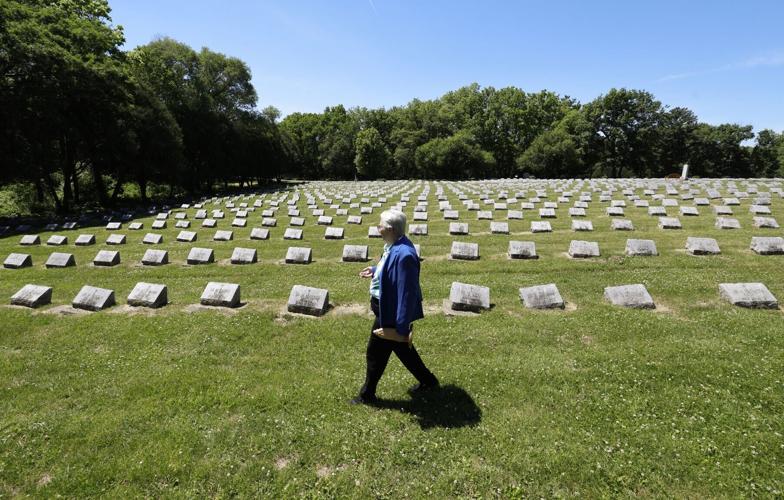
Sister Judy Schaefer walks amid the the grave markers of Dominican Sisters of Sinsinawa at St. Clara Cemetery at the Sinsinawa Mound Center near Hazel Green. Over 2,300 nuns are buried in the cemetery.
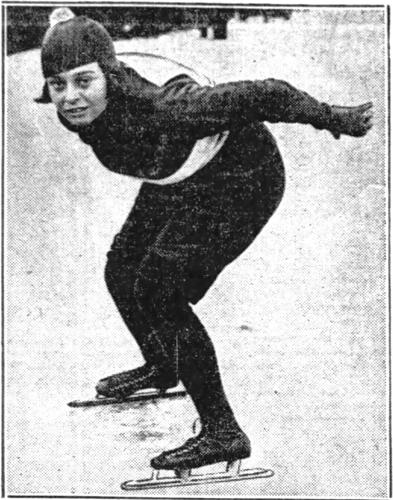
Elizabeth Du Bois, seen here in 1928, won the 1000-meter race and placed second in the 500-meter race at the 1932 Winter Olympics in Lake Placid, New York. At that time, speed skating for women was a demonstration sport, and no medals were awarded.
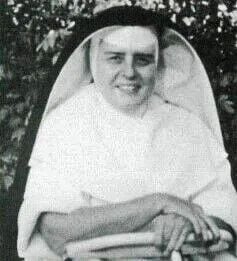
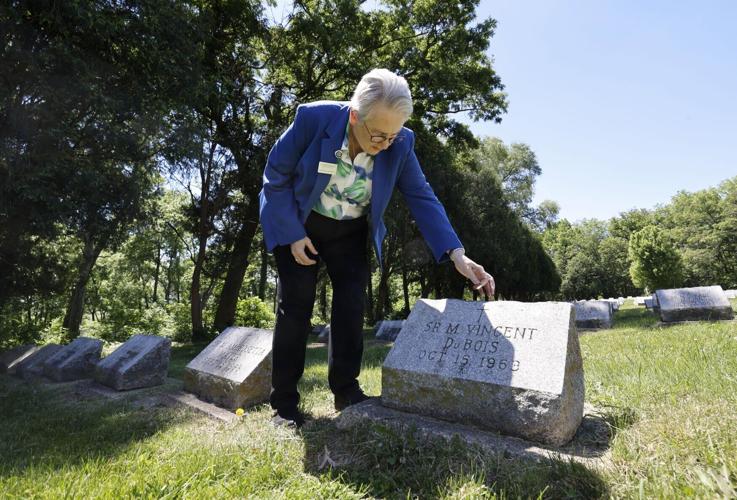
Sister Judy Schaefer, part of the leadership team at Sinsinawa Mound Center near Hazel Green, places a pin from the 2026 Winter Olympics in Italy onto the headstone of Sister Mary Vincent, who died in 1963. Prior to becoming a nun in 1942, Sister Vincent was known as Elizabeth Du Bois, one of the best speed skaters in the world. Du Bois was inducted into the U.S. Speed Skating Hall of Fame in a ceremony at American Family Field in Milwaukee on May 30th.
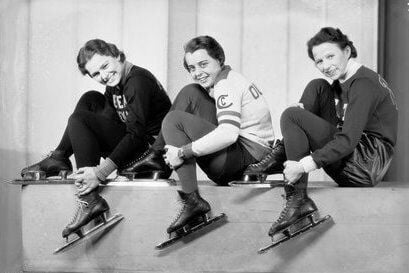
Elizabeth Du Bois, center, grew up in Chicago and Evanston, Illinois, and began speed skating at 10 years old. She would become one of the top speed skaters in the world by the time she was 19.
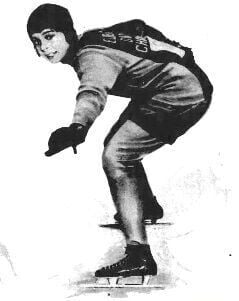
Elizabeth Du Bois, seen here in 1929, became a world-class speed skater before leaving the sport to teach gym at Edgewood High School and become a nun.
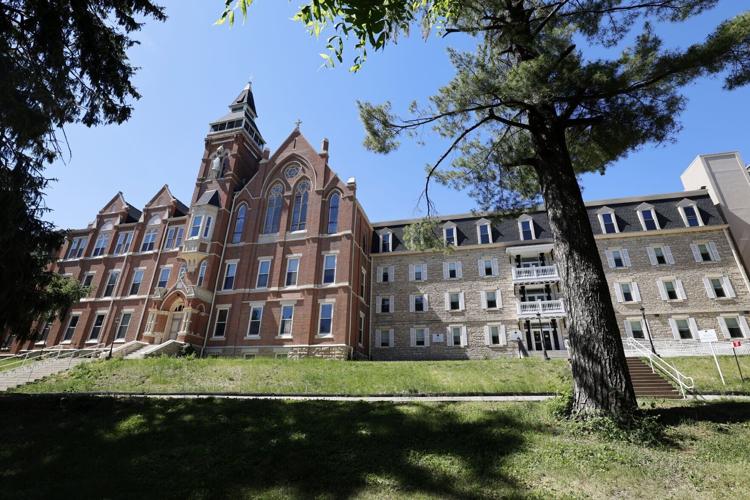
The Sinsinawa Mound Center near Hazel Green includes a stone building, right, built in 1846 by Father Samuel Mazzuchelli. The building at left houses apartments and the Chapel of St. Clara, constructed in 1882.
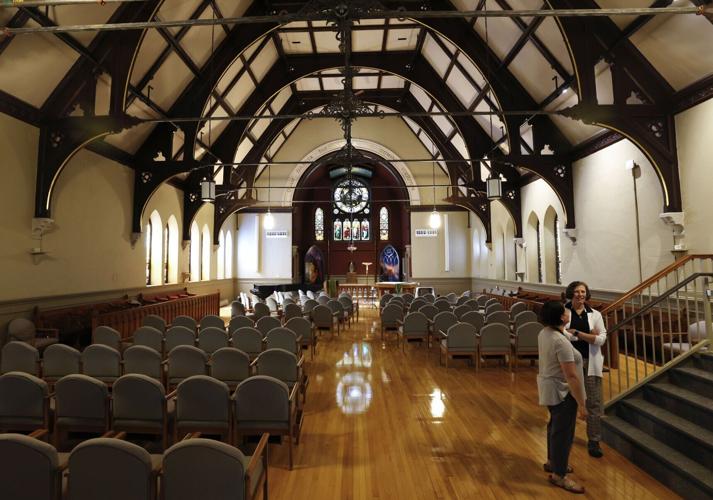
Until recently, the St. Clara Chapel at Sinsinawa Mound Center was used exclusively by the Dominican Sisters of Sinsinawa. It’s now open to the public and adjacent to a new museum that tells the story of the mound.
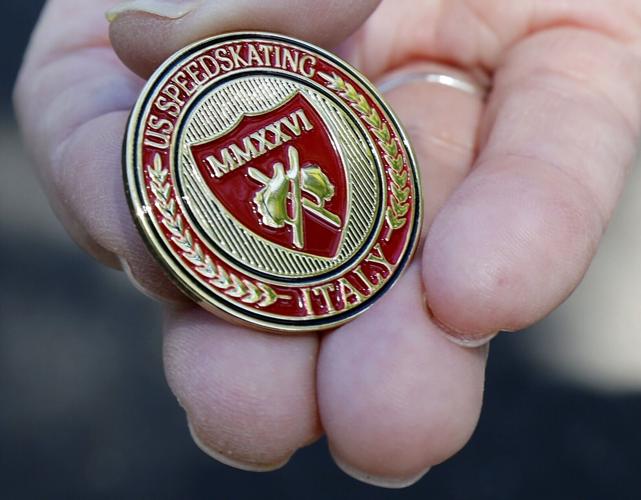
This is the pin that was given to Sister Judy Schaefer at the U.S. Speed Skating Hall of Fame induction banquet last month. On Tuesday, Schaefer placed the pin on the headstone of Sister Mary Vincent at St. Clara Cemetery at the Sinsinawa Mound Center.
Elizabeth Du Bois, seen here in 1928, won the 1000-meter race and placed second in the 500-meter race at the 1932 Winter Olympics in Lake Placid, New York. At that time, speed skating for women was a demonstration sport, and no medals were awarded.
Elizabeth Du Bois, seen here in 1929, became a world-class speed skater before leaving the sport to teach gym at Edgewood High School and become a nun.
Elizabeth Du Bois, center, grew up in Chicago and Evanston, Illinois, and began speed skating at 10 years old. She would become one of the top speed skaters in the world by the time she was 19.
Sister Judy Schaefer, part of the leadership team at Sinsinawa Mound Center near Hazel Green, places a pin from the 2026 Winter Olympics in Italy onto the headstone of Sister Mary Vincent, who died in 1963. Prior to becoming a nun in 1942, Sister Vincent was known as Elizabeth Du Bois, one of the best speed skaters in the world. Du Bois was inducted into the U.S. Speed Skating Hall of Fame in a ceremony at American Family Field in Milwaukee on May 30th.
Sister Judy Schaefer walks amid the the grave markers of Dominican Sisters of Sinsinawa at St. Clara Cemetery at the Sinsinawa Mound Center near Hazel Green. Over 2,300 nuns are buried in the cemetery.
The Sinsinawa Mound Center near Hazel Green includes a stone building, right, built in 1846 by Father Samuel Mazzuchelli. The building at left houses apartments and the Chapel of St. Clara, constructed in 1882.
This is the pin that was given to Sister Judy Schaefer at the U.S. Speed Skating Hall of Fame induction banquet last month. On Tuesday, Schaefer placed the pin on the headstone of Sister Mary Vincent at St. Clara Cemetery at the Sinsinawa Mound Center.
Until recently, the St. Clara Chapel at Sinsinawa Mound Center was used exclusively by the Dominican Sisters of Sinsinawa. It’s now open to the public and adjacent to a new museum that tells the story of the mound.