Effort to limit phosphorus in trout stream doing more harm than good, advocates say
KIMBERLY WETHAL
Updated
Wisconsin State Journal city editor Phil Brinkman spent a year chronicling the change of seasons at Turville Point Conservation Park in Madison, from November 2022 to November 2023.
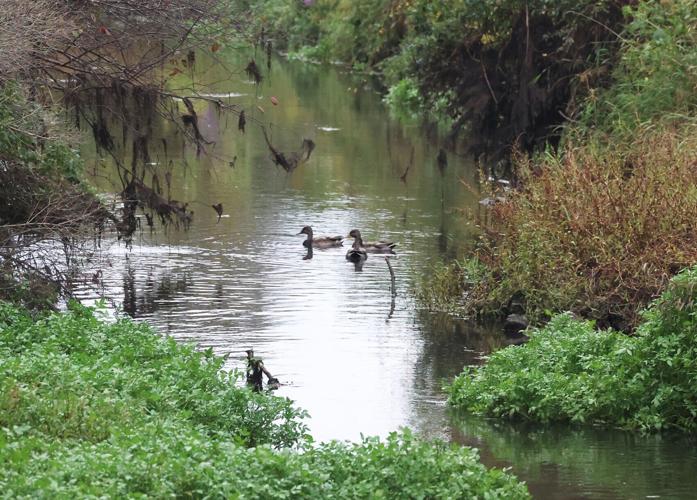
To reduce the level of phosphorus flowing into Badger Mill Creek, the Madison Metropolitan Sewerage District stopped pumping treated wastewater into the stream a year ago.
Steady rains have replenished it this year, but advocates worry for Badger Mill Creek’s water levels after the Madison Metropolitan Sewerage District stopped directing treated wastewater into the popular trout stream.
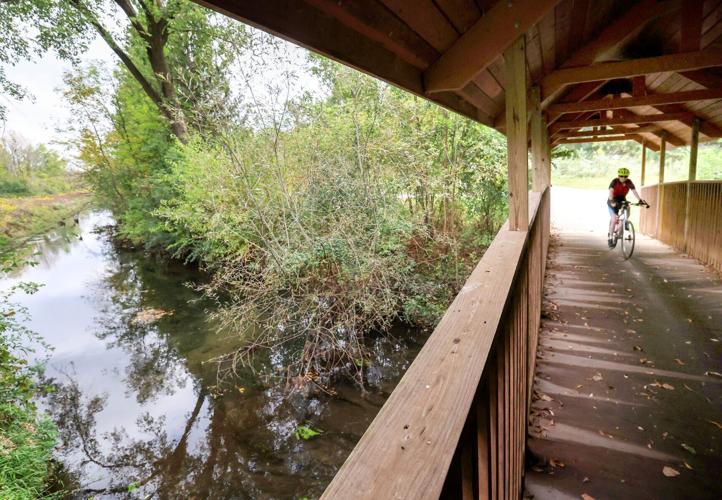
John Kemken crosses a bridge above Badger Mill Creek during a hike on the Ice Age National Scenic Trail. Verona officials and other advocates say the reduction of flowed treated wastewater is harming the popular trout habitat.
Effluent coming out of the the Madison Metropolitan Sewerage District’s plant has 40 times more phosphorus than is permitted in Badger Mill Creek. The district considered adding ultrafiltration technology, which could cost up to $24 million, but decided closing the spigot was the best solution.
John Kemken crosses a bridge above Badger Mill Creek during a hike on the Ice Age National Scenic Trail. Verona officials and other advocates say the reduction of flowed treated wastewater is harming the popular trout habitat.
Steady rains have replenished it this year, but advocates worry for Badger Mill Creek’s water levels after the Madison Metropolitan Sewerage District stopped directing treated wastewater into the popular trout stream.
Effluent coming out of the the Madison Metropolitan Sewerage District’s plant has 40 times more phosphorus than is permitted in Badger Mill Creek. The district considered adding ultrafiltration technology, which could cost up to $24 million, but decided closing the spigot was the best solution.