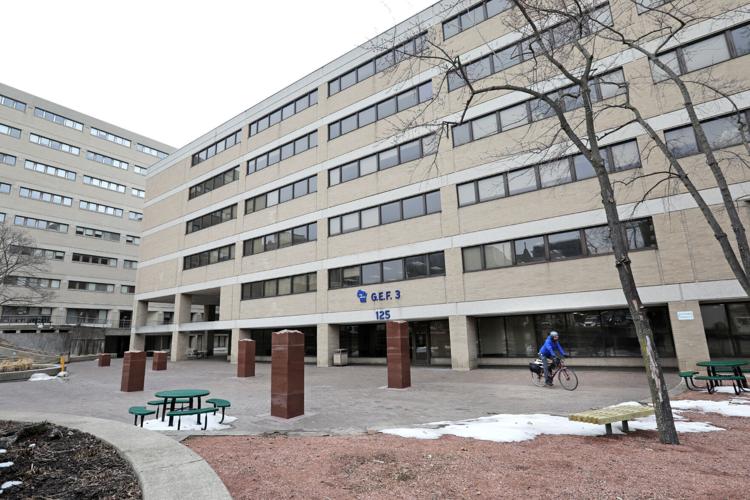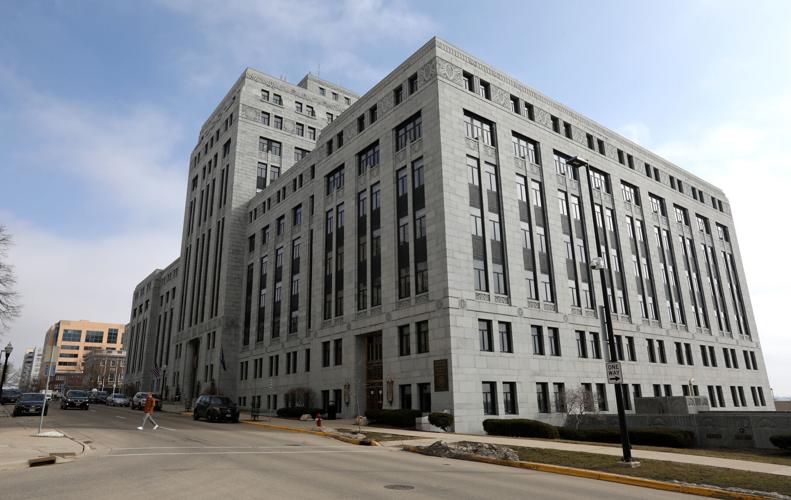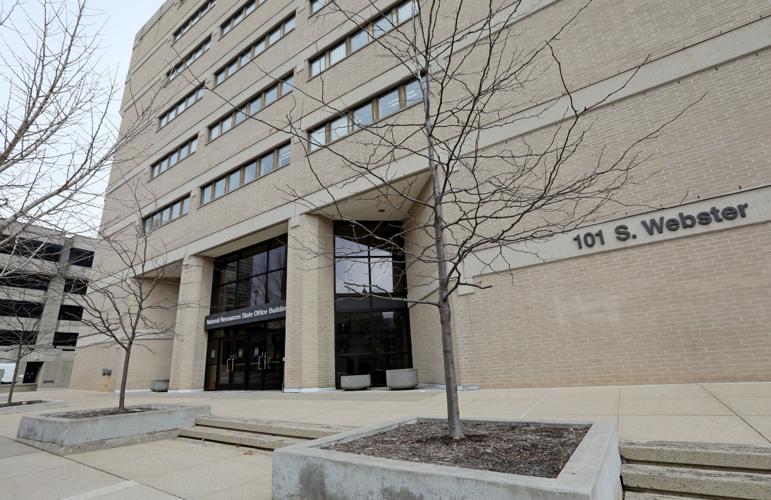

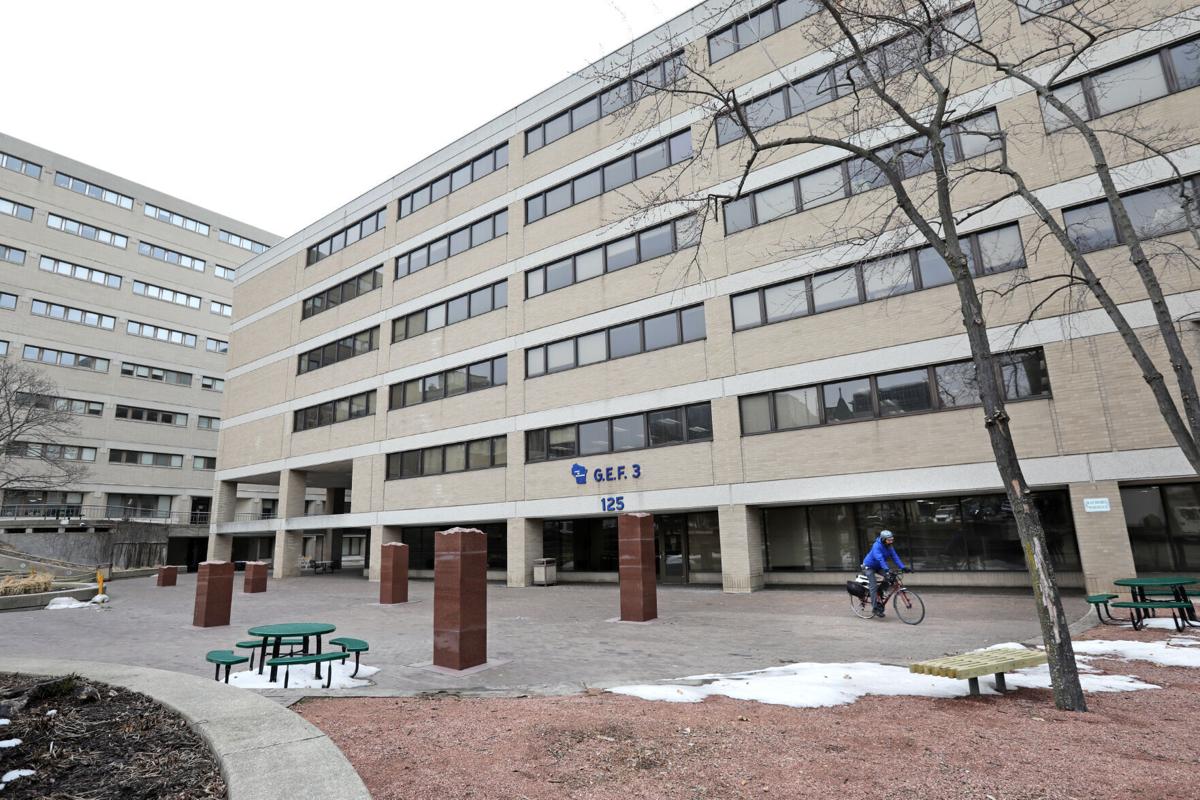
The state would sell the historic State Office Building and two other large Downtown office buildings under a plan unveiled Wednesday by Gov. Tony Evers’ administration to reduce state government’s Madison footprint by more than a quarter.
Madison School District Superintendent Carlton Jenkins covered school funding, staffing, the COVID-19 pandemic, reading initiatives, long-range facilities plans and more in his State of the District address.
People are also reading…

The Department of Natural Resources would be moved from the State Natural Resources Building, also known as GEF 2, at 101 S. Webster St., to the Hill Farms State Office Building, more than 4 miles to the west.

The State Office Building at 1 W. Wilson St., which currently houses the state Department of Health Services, would be sold as part of Gov. Tony Evers' plan. The state Historical Society describes the Art Deco building as "a chunk of Gotham in downtown Madison."
Inside the battle over the upcoming 2-year Wisconsin budget
Over the next several months, the Republican-led Legislature and Democratic Gov. Tony Evers will battle their way through the the 2023-25 biennial budget process as the state has a projected surplus of more than $7 billion.

The governor's budget proposal is all but certain to receive pushback from legislative Republicans, who have championed the need to implement a flat income tax in Wisconsin.

Wisconsin's latest fiscal outlook projects the state will wrap up the current fiscal year with about half a billion dollars more than previous projections.

Evers will unveil his formal budget request on Feb. 15. From there, the Republican-controlled budget committee will rewrite the document before sending it back to the governor.

Of the more than 4.2 million licensed drivers in Wisconsin, 770,000 had at least one OWI citation or conviction as of the end of 2021.

Evers has called for a 10% tax cut for individuals earning $100,000 or less a year and married filers making $150,000 or less.

Evers on Tuesday also unveiled proposals to cut taxes, increase local government funding, spend more than $100 million to deal with PFAS contamination and support child care providers.

Around a third of students across Wisconsin feel sad and hopeless almost every day, according to the Office of Children's Mental Health.

The two top options being discussed are adjusting the state's income tax to benefit middle class earners or eliminating the current tax and creating a 3.25% flat tax.

Blumenfeld