Small but toxic beetles kill 14 horses on Mauston horse ranch
BARRY ADAMS
Updated
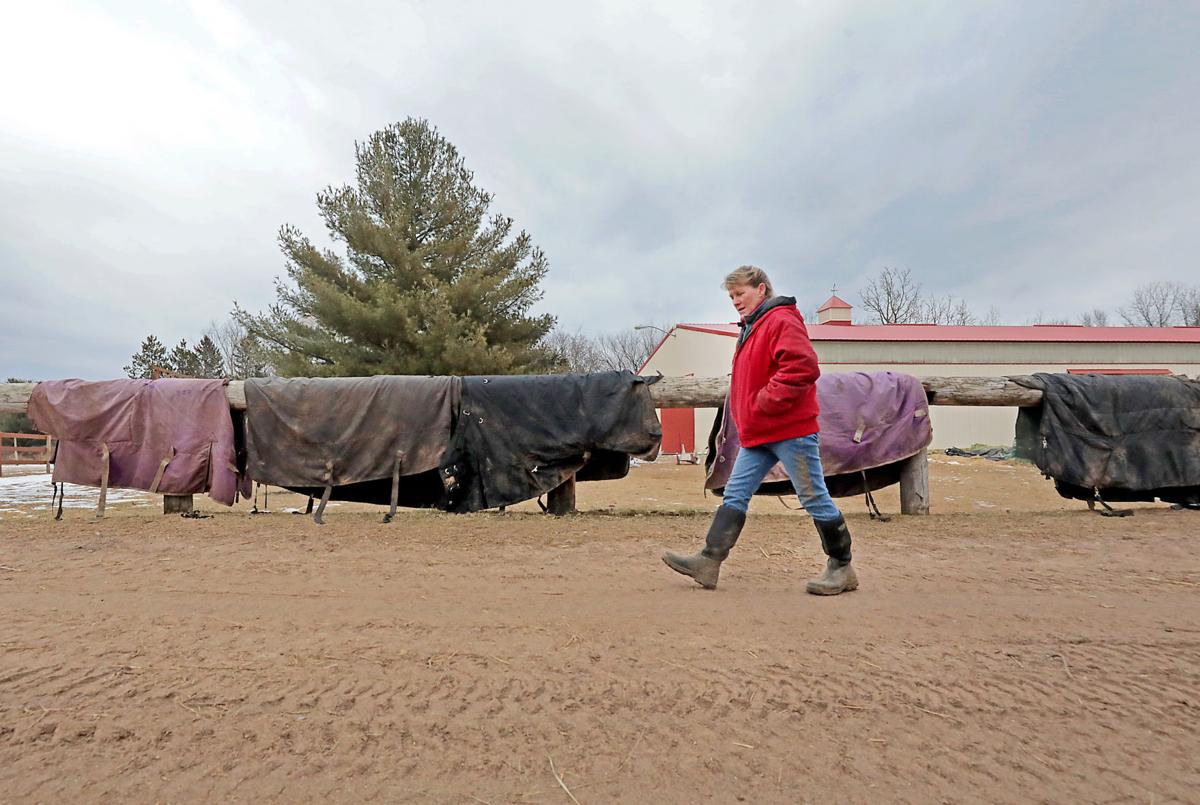
Horse blankets were draped last week over a fence at Red Ridge Ranch Riding Stable near Mauston. The blankets, once worn by some of the 14 horses who died over the last four months from eating toxic hay purchased from South Dakota and Wyoming, were being aired out by Cindy Kanarowski-Peterson, who owns the ranch along with her husband, Lyle Peterson. "Our winter hay is a total loss and we are left with a barn full of poisonous hay," Kanarowski-Peterson said.
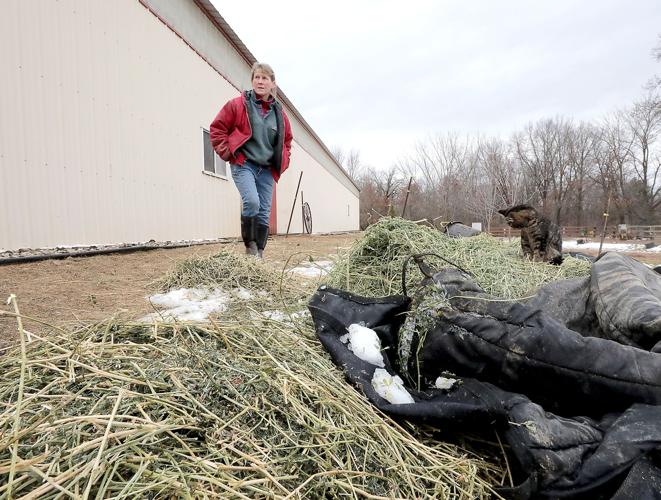
This pile of hay was among six loads of hay purchased from farmers in South Dakota and Wyoming that was contaminated by blister beetles, which when crushed during the harvest, secrete a toxin that can be deadly to horses.
Cindy Kanarowski-Peterson has been riding horses since she was 2 years old and has had her own ranch for 20 years, but has never endured the death of 14 horses from toxic hay. She's now trying to heal her remaining herd and is trying to bring awareness about the potential problems of buying hay from Wyoming and South Dakota.
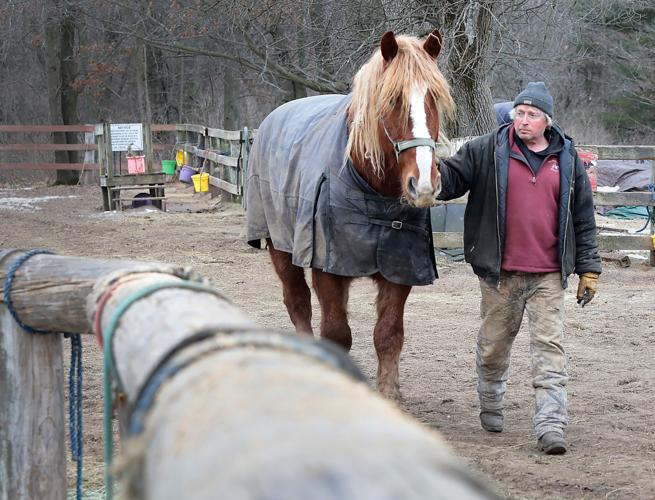
Lyle Peterson leads Trump, a Belgian horse at Red Ridge Ranch Riding Stable that survived an influx of hay contaminated from toxic blister beetles. Of the surviving 110 horses, 100 were sickened.
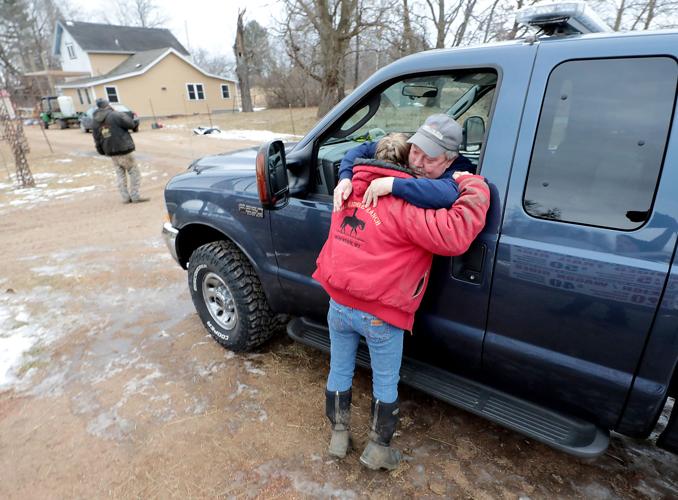
The outpouring of support has been overwhelming for Cindy Kanarowski-Peterson, seen here with longtime friend Rick Short, who was dropping off a $100 donation and another $500 check from a neighbor to help the ranch purchase hay.
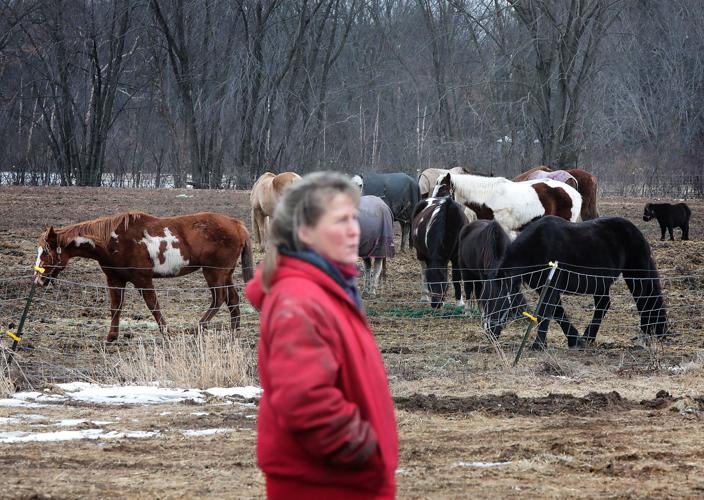
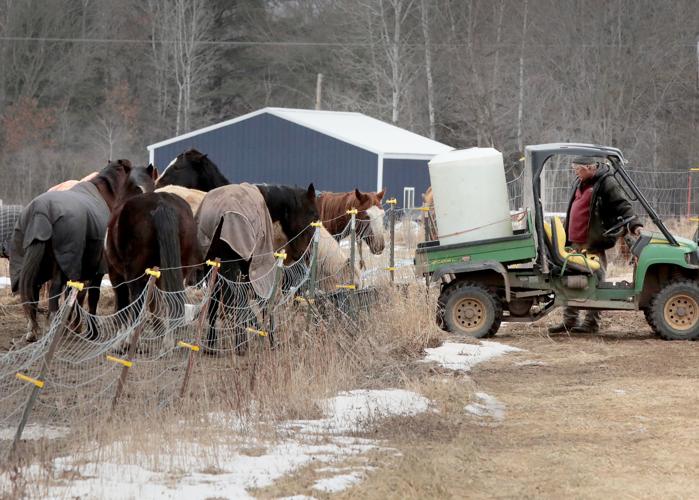
Horses at Red Ridge Ranch Riding Stable near Mauston are on the mend after being sickened by toxic blister beetles that contaminated loads of hay purchased from out-of-state vendors.
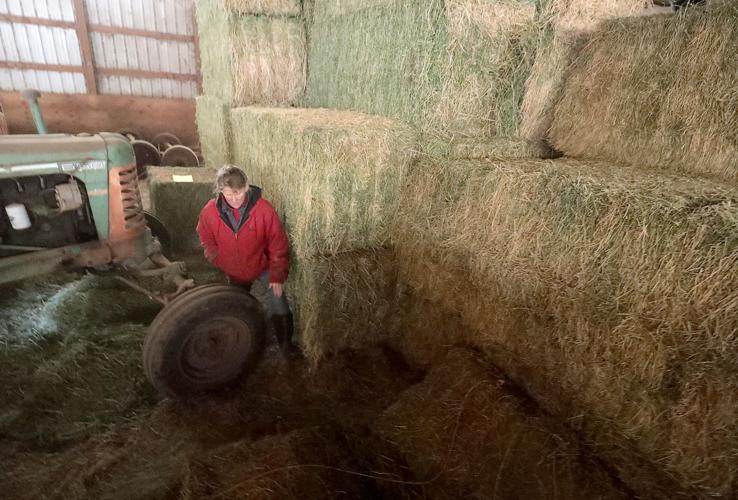
These large bales of hay are useless for Cindy Kanarowski-Peterson, who had 14 horses die from the toxic hay. She's now looking for other sources of hay to get her 110 horses through the winter.
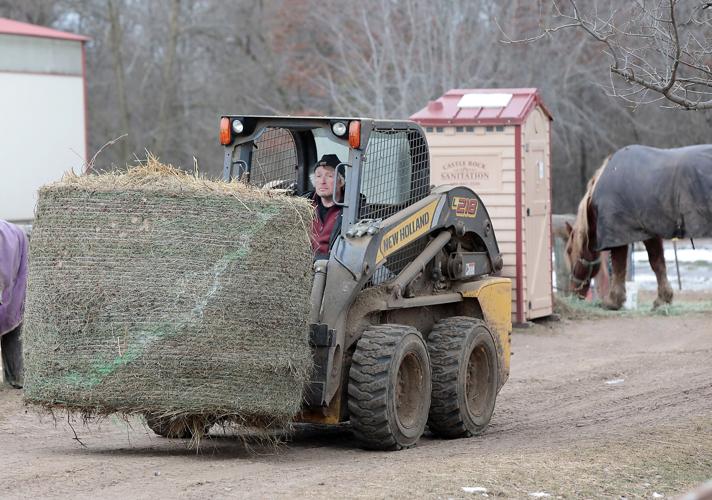
Lyle Peterson moves one of the few good bales of hay at Red Ridge Ranch Riding Stable. It was grown on the 355-acre ranch, but most of the 2019 crop was hampered by rains and floods, forcing the ranch to purchase hay elsewhere.
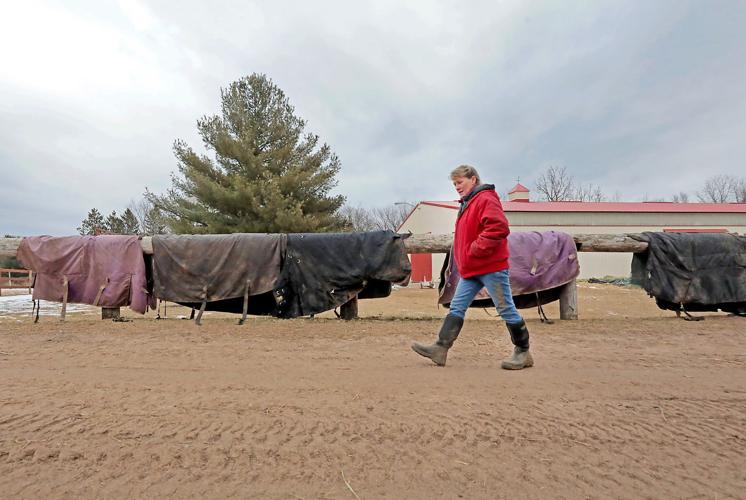
Horse blankets were draped last week over a fence at Red Ridge Ranch Riding Stable near Mauston. The blankets, once worn by some of the 14 horses who died over the last four months from eating toxic hay purchased from South Dakota and Wyoming, were being aired out by Cindy Kanarowski-Peterson, who owns the ranch along with her husband, Lyle Peterson. "Our winter hay is a total loss and we are left with a barn full of poisonous hay," Kanarowski-Peterson said.
Lyle Peterson leads Trump, a Belgian horse at Red Ridge Ranch Riding Stable that survived an influx of hay contaminated from toxic blister beetles. Of the surviving 110 horses, 100 were sickened.
Cindy Kanarowski-Peterson has been riding horses since she was 2 years old and has had her own ranch for 20 years, but has never endured the death of 14 horses from toxic hay. She's now trying to heal her remaining herd and is trying to bring awareness about the potential problems of buying hay from Wyoming and South Dakota.
This pile of hay was among six loads of hay purchased from farmers in South Dakota and Wyoming that was contaminated by blister beetles, which when crushed during the harvest, secrete a toxin that can be deadly to horses.
The outpouring of support has been overwhelming for Cindy Kanarowski-Peterson, seen here with longtime friend Rick Short, who was dropping off a $100 donation and another $500 check from a neighbor to help the ranch purchase hay.
Horses at Red Ridge Ranch Riding Stable near Mauston are on the mend after being sickened by toxic blister beetles that contaminated loads of hay purchased from out-of-state vendors.
These large bales of hay are useless for Cindy Kanarowski-Peterson, who had 14 horses die from the toxic hay. She's now looking for other sources of hay to get her 110 horses through the winter.
Lyle Peterson moves one of the few good bales of hay at Red Ridge Ranch Riding Stable. It was grown on the 355-acre ranch, but most of the 2019 crop was hampered by rains and floods, forcing the ranch to purchase hay elsewhere.