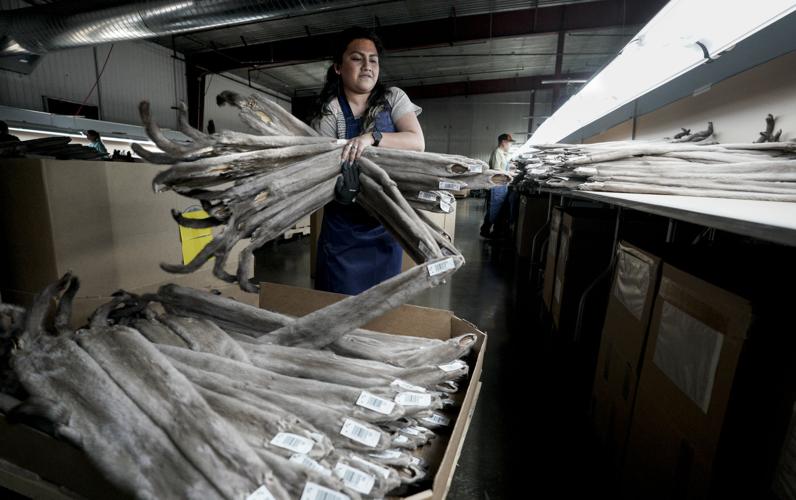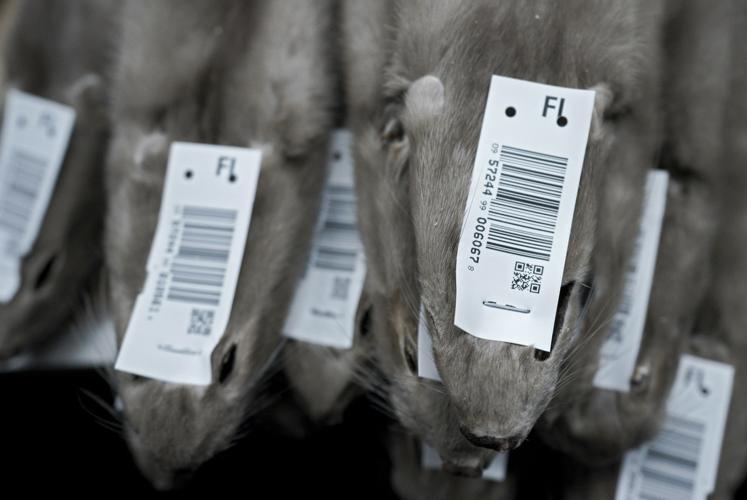

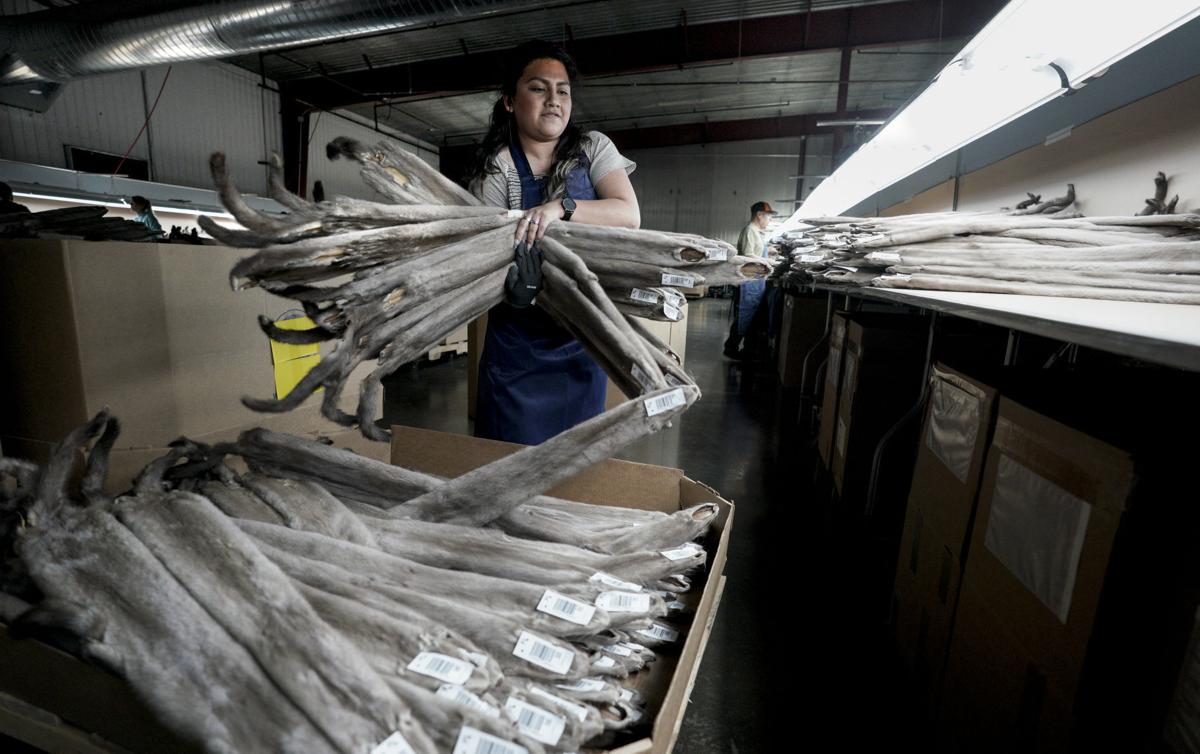
STOUGHTON — Under the harsh light of fluorescent bulbs in an unadorned warehouse, Claudia Manzanilla picks up a stiff mink pelt and runs her fingers along the silvery fur.
People are also reading…

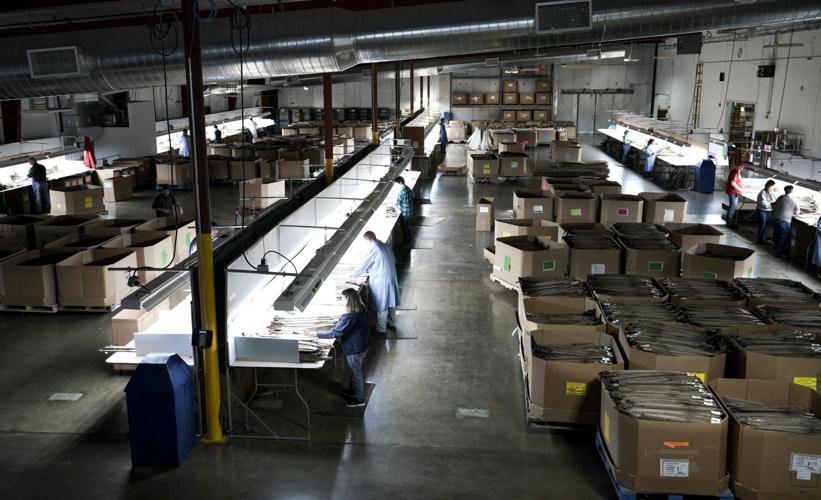
Roughly a quarter of the 2 million pelts Saga expects to process this year will come from farms in Wisconsin, the nation's top mink producer.

Ross

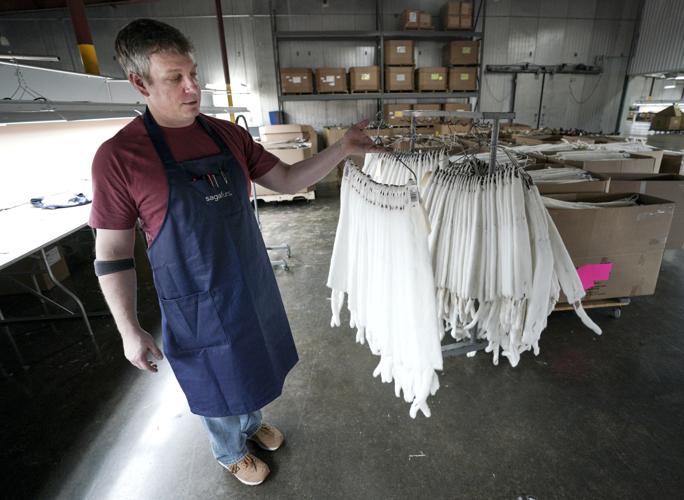
Brian Balaam, production manager for Saga Furs North America, displays "show samples" of mink at Saga's grading facility in Stoughton.

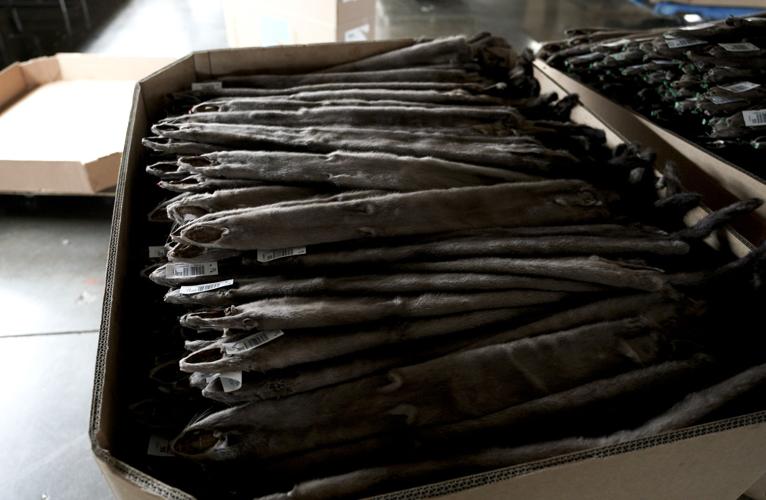
A crate of mink pelts awaits grading at Saga Furs' 80,000-square-foot warehouse in Stoughton.

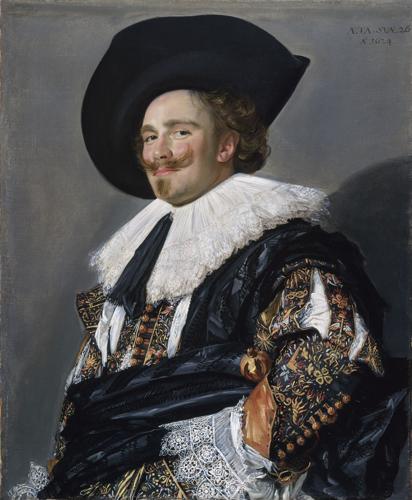
The popularity of hats like the one worn in "Laughing Cavalier," a 1624 portrait by Dutch painter Frans Hals, drove 17th-century explorers into what is now Wisconsin in search of beaver pelts.

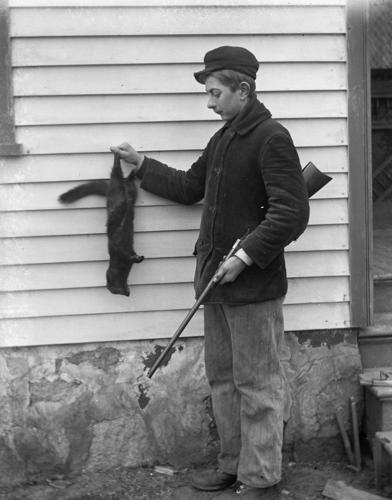
A mink caught in 1913. While mink farming became a big industry in the 1900s, trapping remained a popular pursuit.

Fur graders evaluate mink pelts under fluorescent lights at Saga Furs' Stoughton warehouse. The Finnish auction house took over the business this fall after North American Fur Auctions of Toronto, a business that traces its lineage to the Hudson Bay Co. of 1670, entered bankruptcy proceedings.

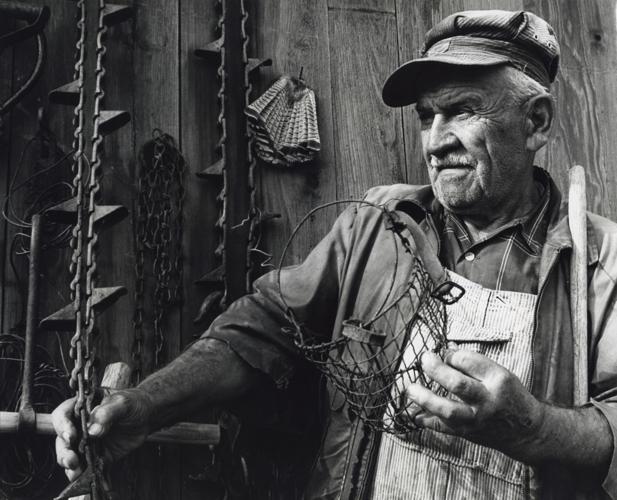
A man holds a mink trap in this 1961 photo from the Wisconsin Historical Society.
Fur: Wisconsin's oldest industry
Saga Furs

Claudia Manzanilla prepares to grade a batch of mink pelts at Saga Furs' grading facility in Stoughton. Saga, based in Finland, took over the business this fall from North American Fur Auctions after the 350-year-old Canadian firm entered court-supervised restructuring.
Saga Furs
Roughly a quarter of the 2 million pelts Saga expects to process this year will come from farms in Wisconsin, the nation's top mink producer.
Saga Furs
A crate of mink pelts awaits grading at Saga Furs' 80,000-square-foot warehouse in Stoughton.
Saga Furs
Fur graders evaluate mink pelts under fluorescent lights at Saga Furs' Stoughton warehouse. The Finnish auction house took over the business this fall after North American Fur Auctions of Toronto, a business that traces its lineage to the Hudson Bay Co. of 1670, entered bankruptcy proceedings.
Saga Furs

Crate of mink pelts await grading at Saga Furs' 80,000-square-foot warehouse in Stoughton. Saga expects to grade about 2 million pelts, about a quarter of them from Wisconsin, to be sold at auctions in Finland.
Laughing Cavalier
The popularity of hats like the one worn in "Laughing Cavalier," a 1624 portrait by Dutch painter Frans Hals, drove 17th-century explorers into what is now Wisconsin in search of beaver pelts.
Beaver hats

Examples of beaver-skin hat styles popular in the 18th and 19th centuries. European fashion trends fueled robust trade between white settlers and native Americans in what is now Wisconsin, said Robert Birmingham, former state archaeologist.
Fur trappers
A mink caught in 1913. While mink farming became a big industry in the 1900s, trapping remained a popular pursuit.
Saga Furs
Brian Balaam, production manager for Saga Furs North America, displays "show samples" of mink at Saga's grading facility in Stoughton.
Saga Furs

Angie Marsh sorts mink pelts at Saga Furs' grading facility in Stoughton. Saga, which took over the business this fall from North American Fur Auctions of Toronto, said Wisconsin has a ready workforce of experienced fur graders.
Saga Furs

Steve Smies preparing "show samples" with a group of mink pelts. Saga Furs -- one of only two other similar-sized fur auction houses -- has taken over the Stoughton offices and will grade and sell them at an international auction later this year The operation was photographed Jan. 7, 2020. STEVE APPS, STATE JOURNAL
Saga Furs

Business manager Chris Vaughan shows the nap length on a mink pelt at Saga Furs North America's grading facility in Stoughton.
Fur trapping

Alexander Krueger holds up a mink trapped by Edgar Krueger, right, in this 1913 photo from the Wisconsin Historical Society. While mink farming became a big industry in the 1900s, trapping remained a popular pursuit. WHS Image ID:111473