When the first plane struck the North Tower of the World Trade Center in New York City on Sept. 11, 2001, most high schoolers at the time were glued to a TV or radio news station, trying to make sense of what was happening.
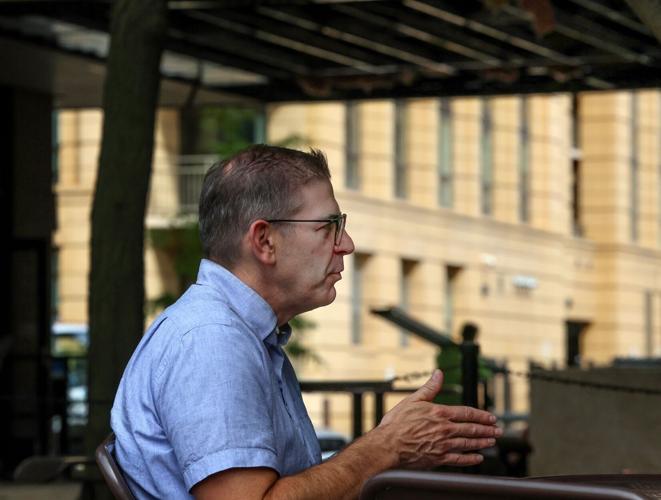
Thirty-three states include lessons about 9/11 in their social studies standards today, up from 26 in 2017, according to an analysis by UW-Madison professor Jeremy Stoddard, above.
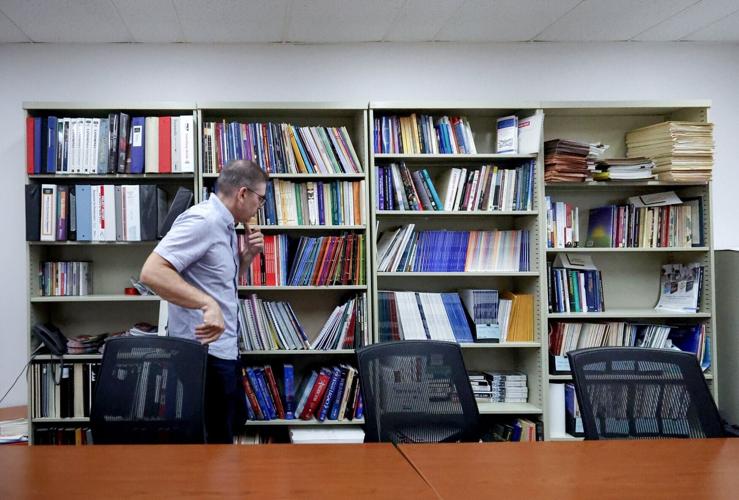
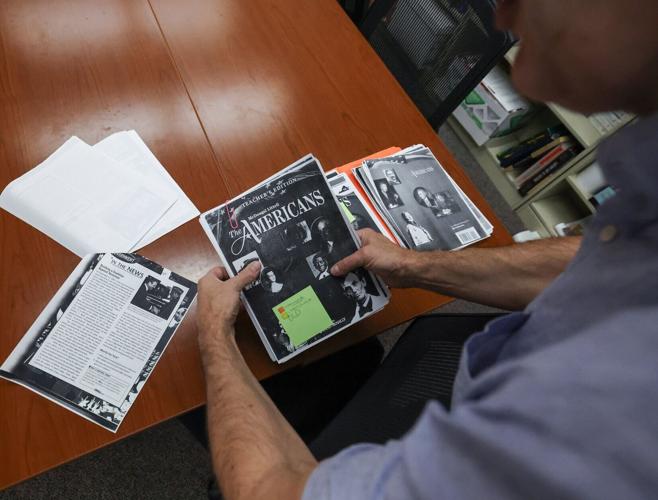
UW-Madison professor Jeremy Stoddard says high school social studies textbooks have evolved since the Sept. 11, 2001, attacks. When the attacks happened, textbook authors scrambled to include a special section that teachers could reference in classrooms.
Thirty-three states include lessons about 9/11 in their social studies standards today, up from 26 in 2017, according to an analysis by UW-Madison professor Jeremy Stoddard, above.
Thirty-three states include lessons about 9/11 in their social studies standards today, up from 26 in 2017, according to an analysis by UW-Madison professor Jeremy Stoddard, above.
Thirty-three states include lessons about 9/11 in their social studies standards today, up from 26 in 2017, according to an analysis by UW-Madison professor Jeremy Stoddard, above.
UW-Madison professor Jeremy Stoddard says high school social studies textbooks have evolved since the Sept. 11, 2001, attacks. When the attacks happened, textbook authors scrambled to include a special section that teachers could reference in classrooms.
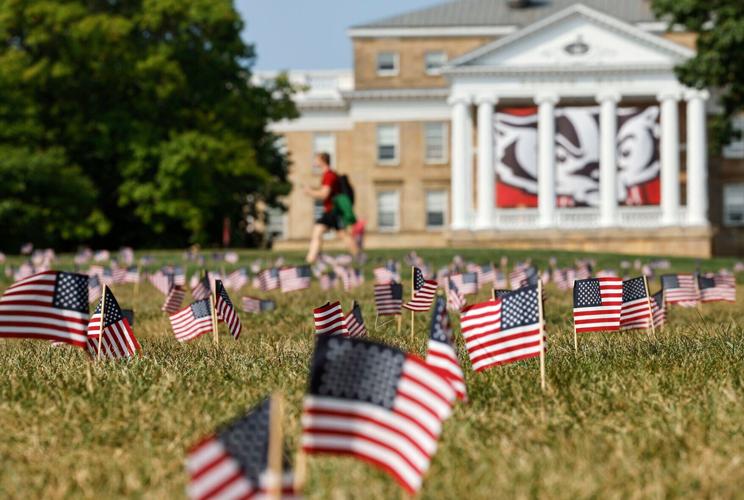
A flag display on Bascom Hill last year honors those killed in the Sept. 11, 2001, terrorist attacks. Twenty-five years after 9/11, many teachers struggle with how to make the events of that day relevant to students who weren’t born yet, just as previous generations learned in the classroom about cataclysmic events that defined their parents’ and grandparents' eras.