'A little bit for everybody': How the Inflation Reduction Act boosts clean energy
CHRIS HUBBUCH and WILL KUBZANSKY
Wisconsin State Journal
Updated
1 of 2
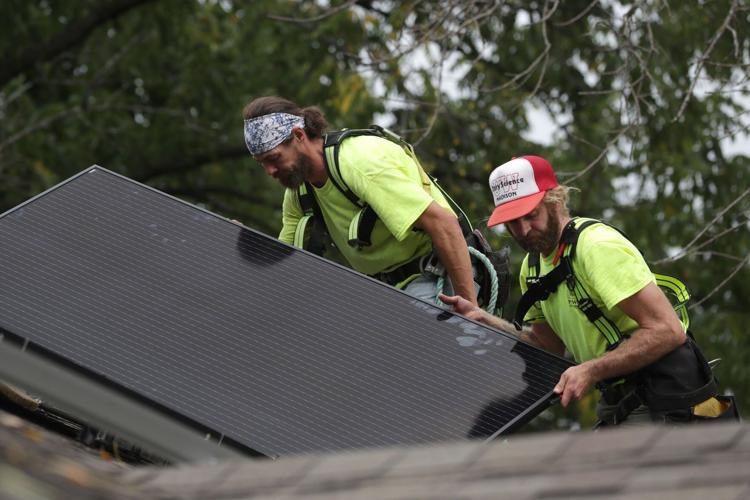
Alan Watson, left, and Tommy Olson of Midwest Solar Power install panels on a Monona home in October 2021. The Inflation Reduction Act extends a 30% tax credit for investments in solar panels as well as heat pumps and other home efficiency upgrades.
KAYLA WOLF, STATE JOURNAL ARCHIVES
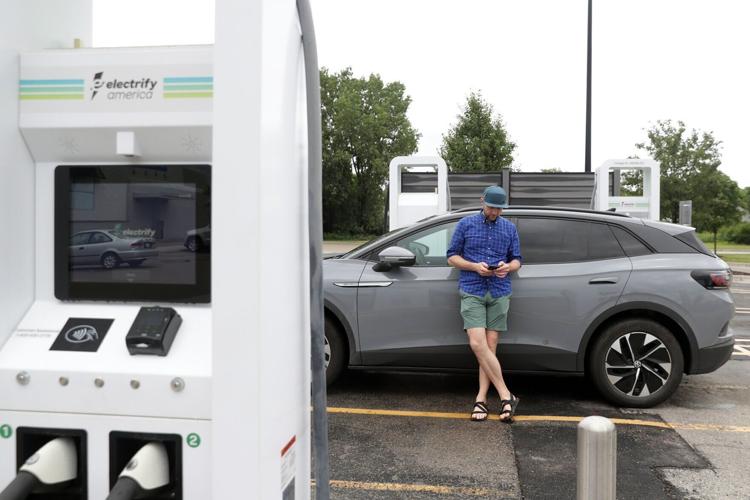
Nathan Sosin waits for his car to charge Friday in the parking lot of the Walmart Supercenter on Madison's East Side during a July trip from Chicago to Eau Claire. The Inflation Reduction Act expands tax credits for new electric vehicles and includes a new credit for used EVs.
Susan Millar cleans the electric stove in her Near West Side home. Millar installed the induction cooktop over her gas range as part of an effort to electrify her home, which is considered an essential but challenging step to combating climate change.
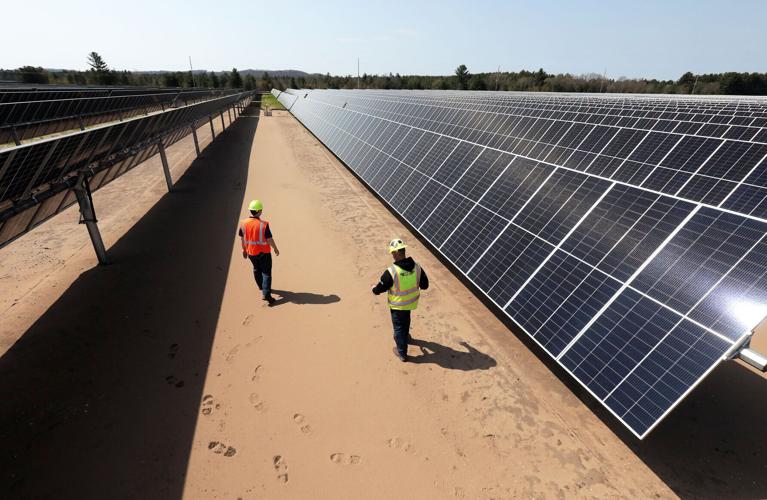
With nearly $370 billion in clean energy spending, the Inflation Reduction Act is the nation's largest effort to combat climate change. The White House predicts the bill's tax credits will spur a $4 billion statewide investment by 2030 in utility-scale solar farms like Alliant Energy's Bear Creek facility, pictured in May, as well as energy storage.
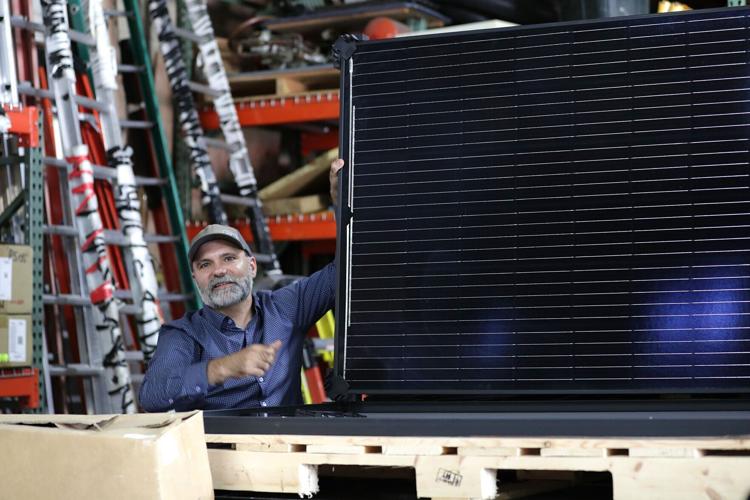
Burke O’Neal, co-owner of Full Spectrum Solar, said a 10-year extension of 30% solar tax credit will provide the certainty he needs to expand his 20-year-old business.
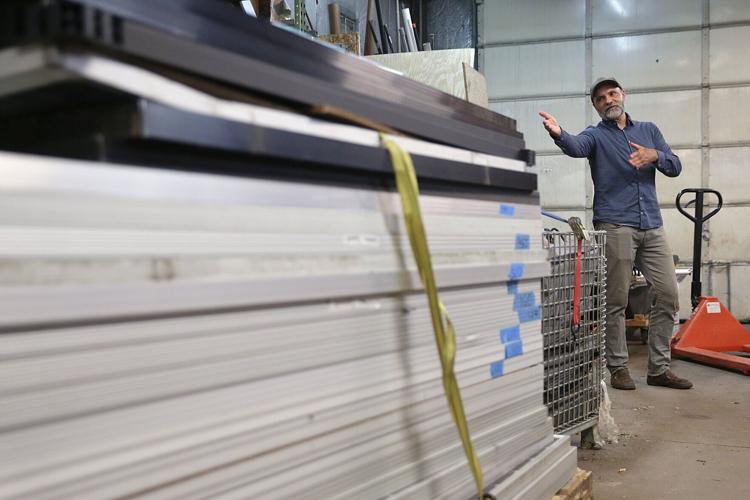
Despite an increasingly cramped space on East Washington Avenue, Full Spectrum Solar co-owner Burke O'Neal said he has been hesitant to expand because solar tax credits were scheduled to expire. The new Inflation Reduction Act restores the 30% credit for another 10 years.
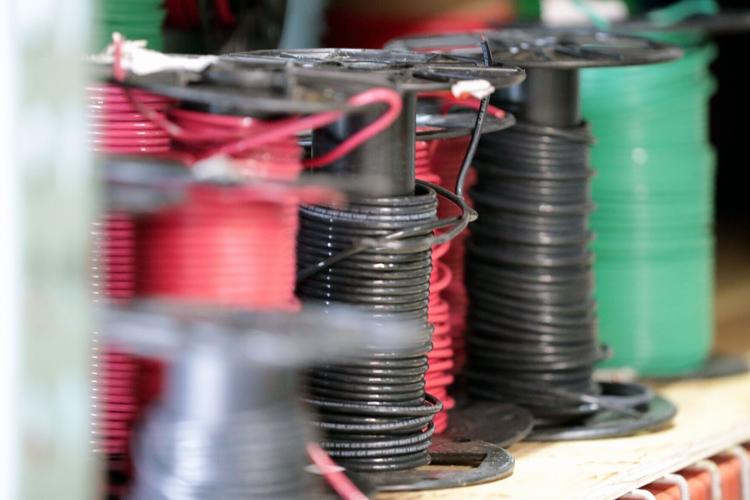
Shelves are stocked with wiring at Full Spectrum Solar's warehouse. The White House says more than 90,000 Wisconsin households will install solar panels because of a 10-year extension of the 30% tax credit included in the Inflation Reduction Act.
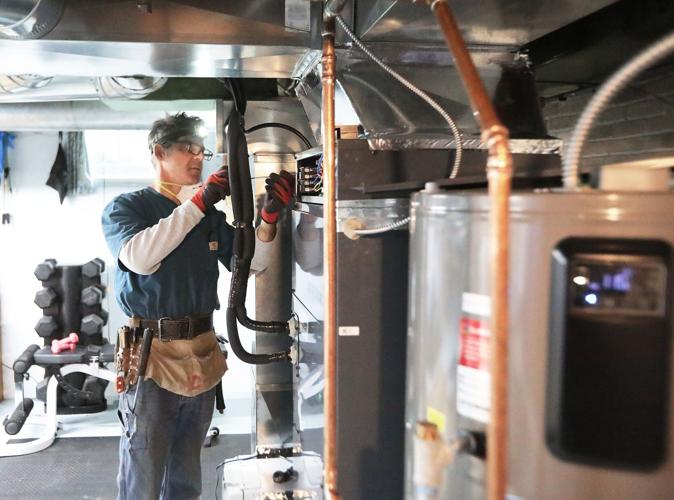
Jim Beirne of Beirne Electrical Services wires a backup heating element on an air-source heat pump at Susan Millar's Madison home last fall. The Inflation Reduction Act passed last week includes a new $8,000 rebate for heat pumps, which use electricity to heat and cool buildings.
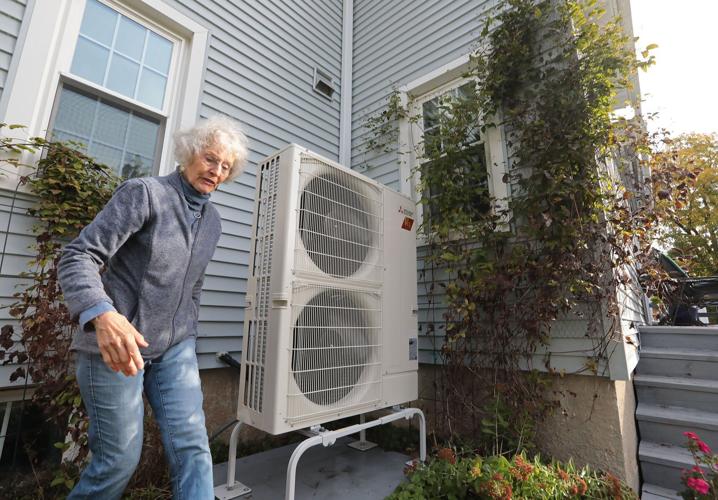
An air-source heat pump uses electricity to heat and cool Susan Millar's Madison home more efficiently than a traditional electric heater and with fewer carbon emissions than a fossil fuel furnace.
Jim Beirne of Beirne Electrical Services wires a backup heating element on an air-source heat pump at Susan Millar's Madison home last fall. The Inflation Reduction Act passed last week includes a new $8,000 rebate for heat pumps, which use electricity to heat and cool buildings.
Alan Watson, left, and Tommy Olson of Midwest Solar Power install panels on a Monona home in October 2021. The Inflation Reduction Act extends a 30% tax credit for investments in solar panels as well as heat pumps and other home efficiency upgrades.
With nearly $370 billion in clean energy spending, the Inflation Reduction Act is the nation's largest effort to combat climate change. The White House predicts the bill's tax credits will spur a $4 billion statewide investment by 2030 in utility-scale solar farms like Alliant Energy's Bear Creek facility, pictured in May, as well as energy storage.
Nathan Sosin waits for his car to charge Friday in the parking lot of the Walmart Supercenter on Madison's East Side during a July trip from Chicago to Eau Claire. The Inflation Reduction Act expands tax credits for new electric vehicles and includes a new credit for used EVs.
An air-source heat pump uses electricity to heat and cool Susan Millar's Madison home more efficiently than a traditional electric heater and with fewer carbon emissions than a fossil fuel furnace.
Burke O’Neal, co-owner of Full Spectrum Solar, said a 10-year extension of 30% solar tax credit will provide the certainty he needs to expand his 20-year-old business.
Despite an increasingly cramped space on East Washington Avenue, Full Spectrum Solar co-owner Burke O'Neal said he has been hesitant to expand because solar tax credits were scheduled to expire. The new Inflation Reduction Act restores the 30% credit for another 10 years.
Susan Millar cleans the electric stove in her Near West Side home. Millar installed the induction cooktop over her gas range as part of an effort to electrify her home, which is considered an essential but challenging step to combating climate change.
Shelves are stocked with wiring at Full Spectrum Solar's warehouse. The White House says more than 90,000 Wisconsin households will install solar panels because of a 10-year extension of the 30% tax credit included in the Inflation Reduction Act.