Direct-care workers, at risk during COVID-19, need raise, benefits, groups say
DAVID WAHLBERG
Updated
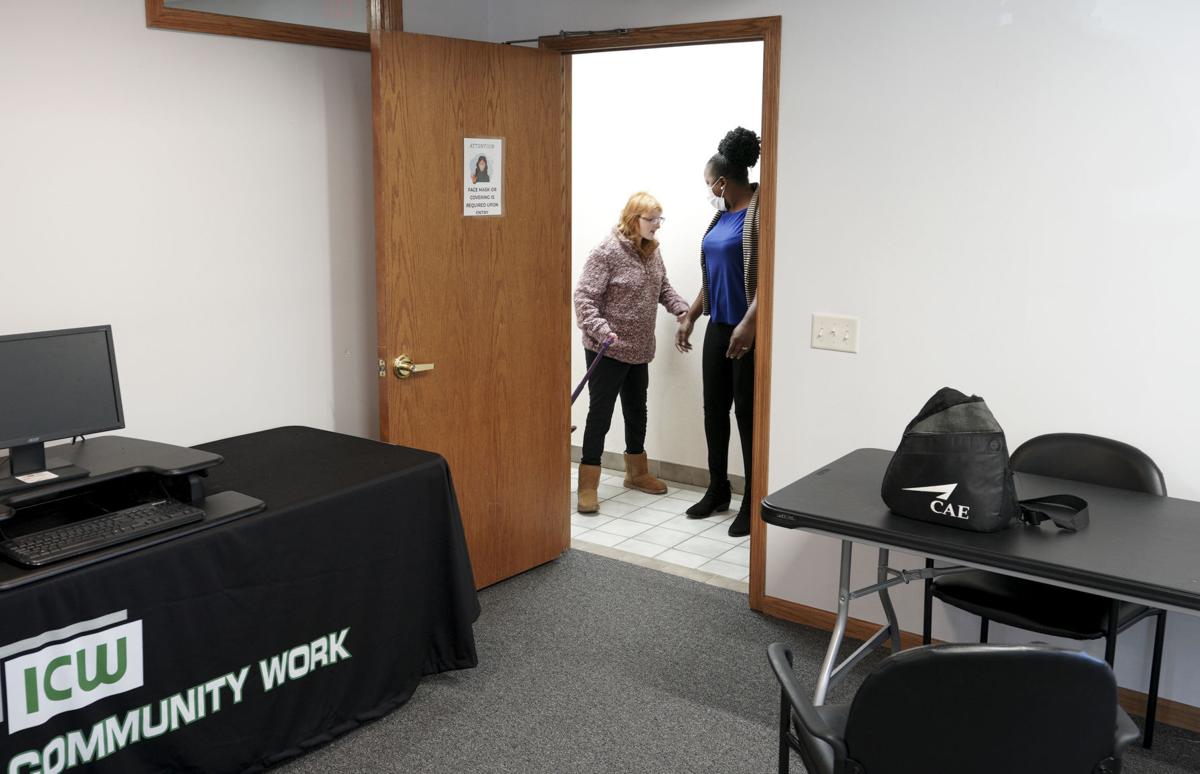
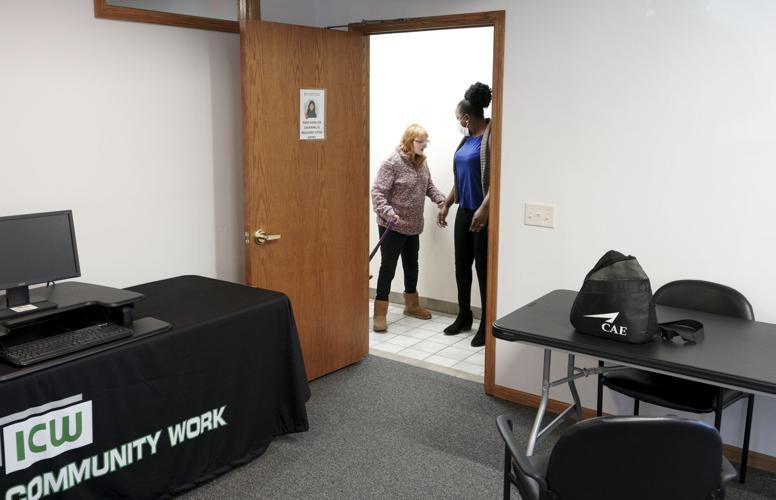
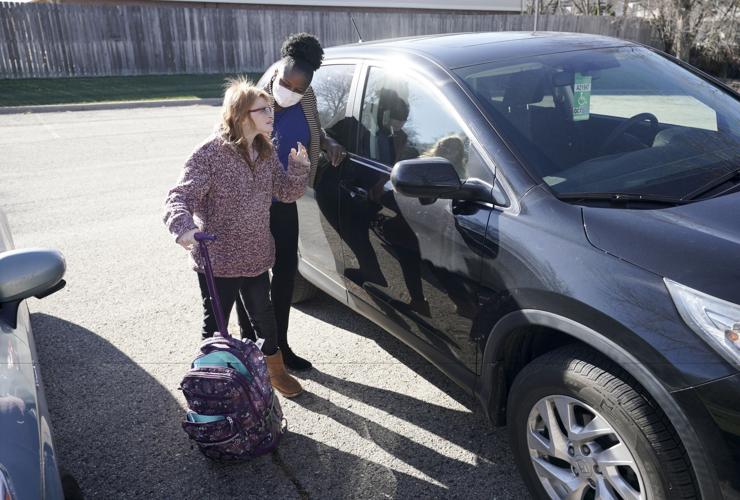
Teddy Montiel, right, a direct-care worker with ICW Inc., helps Erika Pugh with job training and coaching, as well as getting dressed, eating, going to the bathroom and other daily activities. Pugh, 21, has a developmental disability and sensory issues that make her unable to wear a face mask.
Nearly half of Wisconsin’s 100,000 direct-care workers — who help older adults and people with disabilities do daily activities — work a second job to support themselves and a quarter are uninsured or on BadgerCare, according to a new survey highlighting the workers’ struggles during the COVID-19 pandemic.
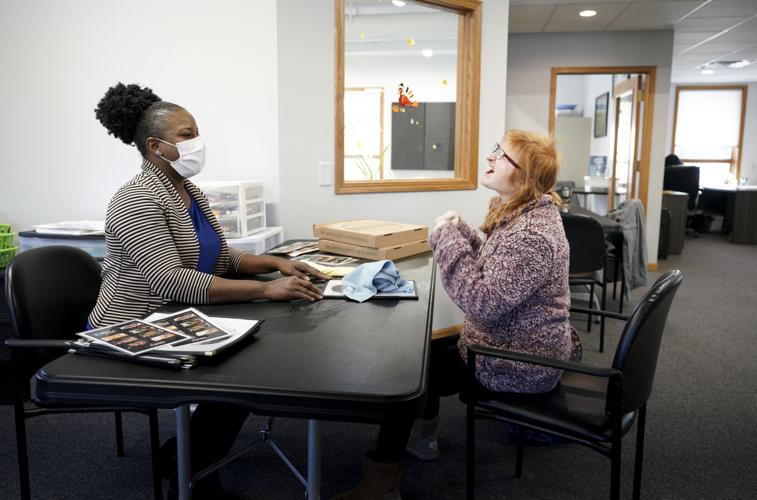
Teddy Montiel is among about 100,000 direct-care workers in Wisconsin who help older adults and people with disabilities with activities of daily living.
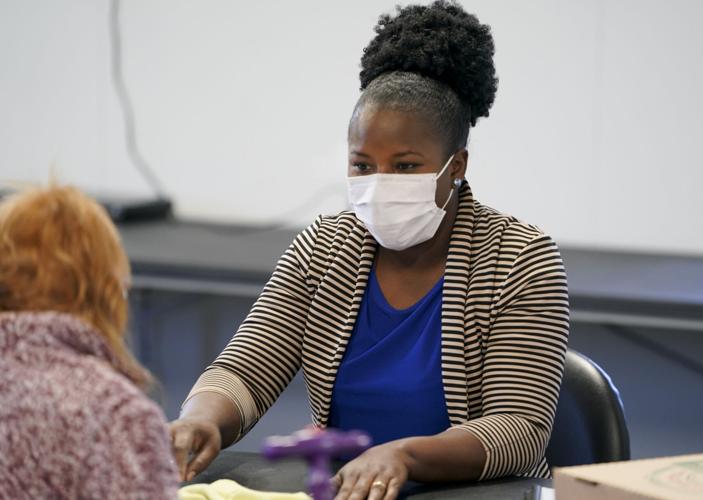
Direct-care workers such as Teddy Montiel, shown with client Erika Pugh, make about $13 an hour on average, often without health benefits, according to groups representing the workers.
Teddy Montiel, right, a direct-care worker with ICW Inc., helps Erika Pugh with job training and coaching, as well as getting dressed, eating, going to the bathroom and other daily activities. Pugh, 21, has a developmental disability and sensory issues that make her unable to wear a face mask.
Teddy Montiel is among about 100,000 direct-care workers in Wisconsin who help older adults and people with disabilities with activities of daily living.
Direct-care workers such as Teddy Montiel, shown with client Erika Pugh, make about $13 an hour on average, often without health benefits, according to groups representing the workers.