
WASHINGTON, D.C. — Jeff Post grew up a rock hound, scavenging the hills and valleys of Wisconsin’s Driftless Area for calcite, sphalerite, marcasite and pyrite crystals.
People are also reading…

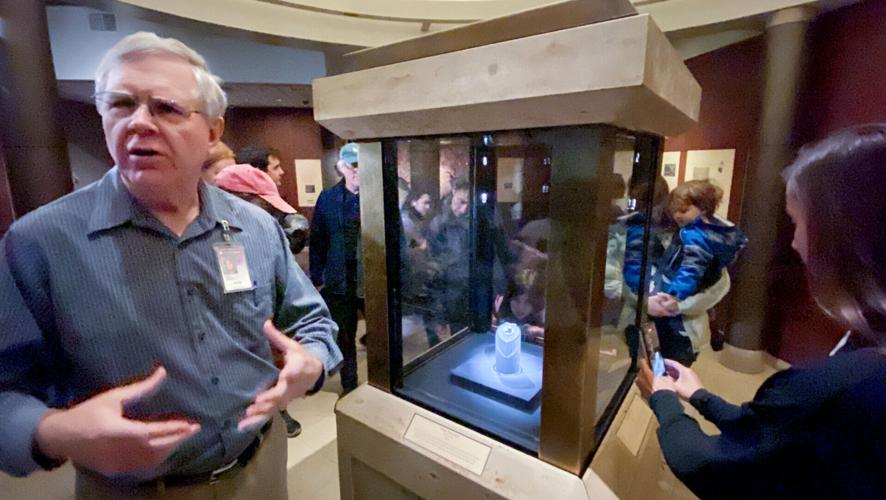
The Hope Diamond, one of the most famous gems in the world, has been under the watchful eye of Jeff Post for the past 29 years. The Mount Horeb native retired in May as curator of the mineral and gem collection at the Smithsonian Institution's National Museum of Natural History.

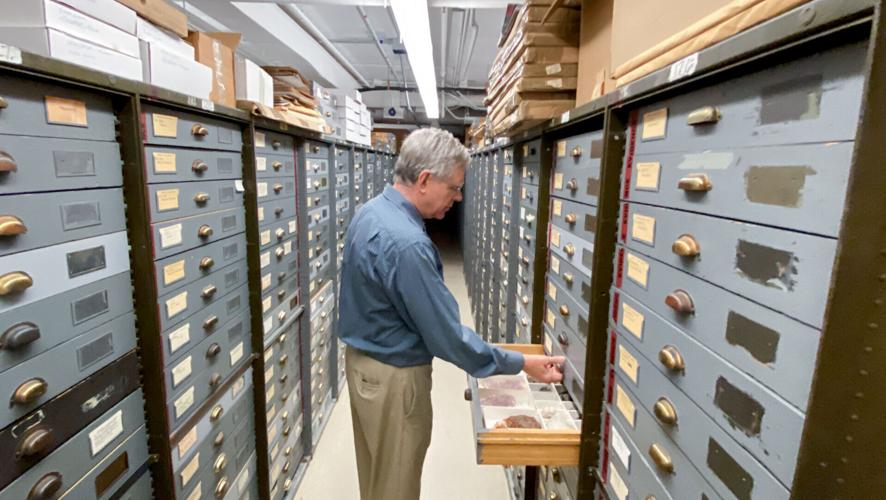
Jeff Post shows off the archives at the National Museum of Natural History, which hold thousands of specimens of minerals and gems from around the world. Only a fraction are displayed in the museum.

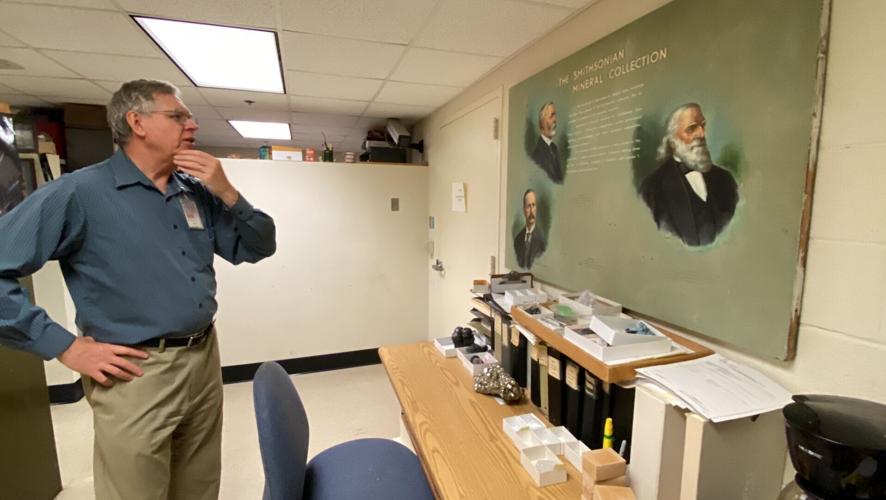
Jeff Post, who has been with the Smithsonian's National Museum of Natural History, looks over a display of three of the instrumental researchers who helped create the museum's mineral and gem collection. They are, from lower left, Frederick A. Canfield, Washington Roebling and Isaac Lea.

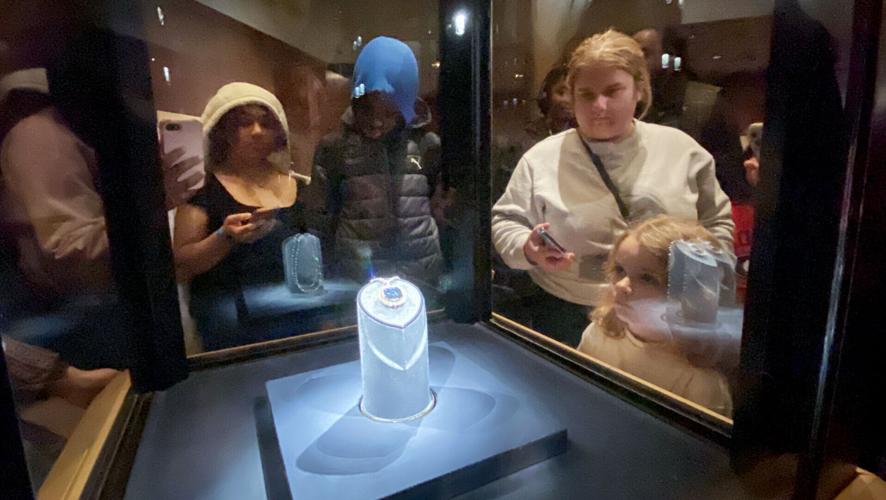
About 3.9 million people each year come to the National Museum of Natural History and for many their first stop is the Hope Diamond, which has been on display since 1958.

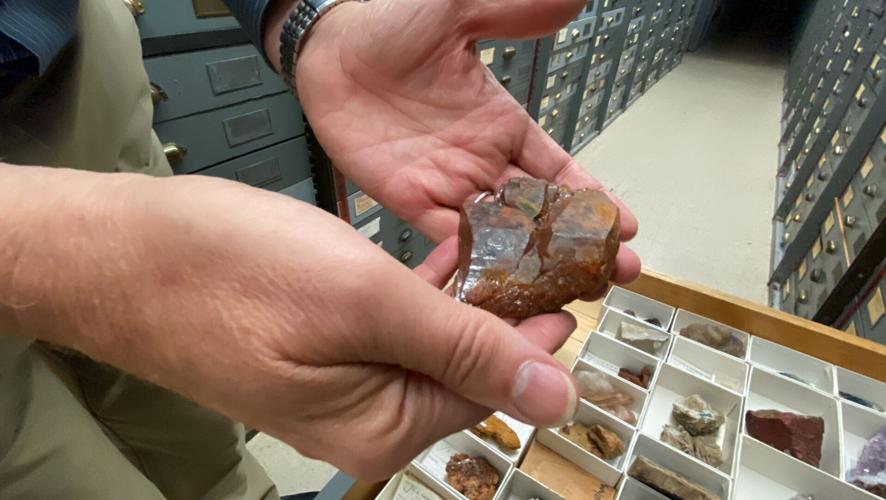
Jeff Post, curator emeritus of the mineral and gem collection at the National Museum of Natural History, shows off a chunk of quartz crystals harvested from Rib Mountain near Wausau. The quartz are part of the museum's vast archive.

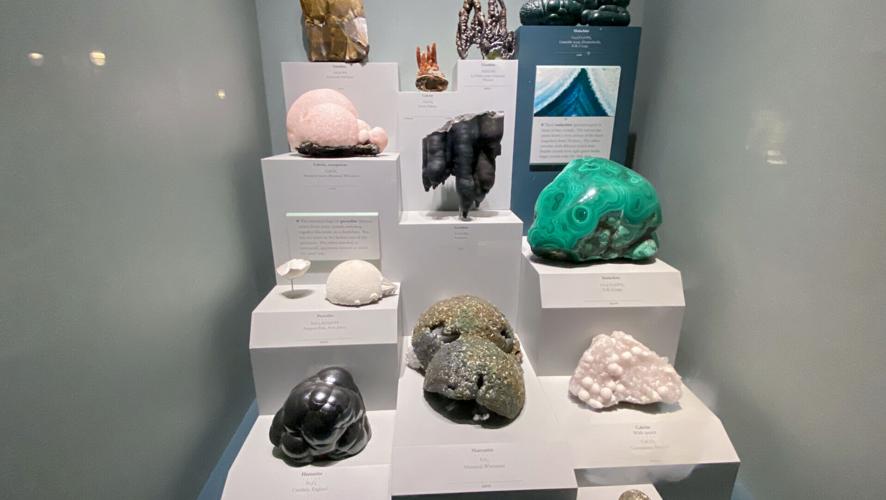
The mineral and gem collection at the National Museum of Natural History also holds more pedestrian pieces, including a pink glob of calcite, upper left, and a chunk of black and gold marcasite, lower center. Both were harvested from Montreal in far northern Wisconsin.
Photos: Jeff Post, curator emeritus at the National Museum of Natural History
Jeff Post shows off the archives at the National Museum of Natural History, which hold thousands of specimens of minerals and gems from around the world. Only a fraction are displayed in the museum.


The mineral and gem collection at the National Museum of Natural History also holds more pedestrian pieces, including a pink glob of calcite, upper left, and a chunk of black and gold marcasite, lower center. Both were harvested from Montreal in far northern Wisconsin.

Jeff Post, curator emeritus of the mineral and gem collection at the National Museum of Natural History, shows off a chunk of quartz crystals harvested from Rib Mountain near Wausau. The quartz are part of the museum's vast archive.

Jeff Post, who has been with the Smithsonian's National Museum of Natural History, looks over a display of three of the instrumental researchers who helped create the museum's mineral and gem collection. They are, from lower left, Frederick A. Canfield, Washington Roebling and Isaac Lea.

The Hope Diamond, one of the most famous gems in the world, has been under the watchful eye of Jeff Post for the past 29 years. The Mount Horeb native retired in May as curator of the mineral and gem collection at the Smithsonian Institution's National Museum of Natural History.
About 3.9 million people each year come to the National Museum of Natural History and for many their first stop is the Hope Diamond, which has been on display since 1958.


Barry Adams covers regional news for the Wisconsin State Journal. Send him ideas for On Wisconsin at 608-252-6148 or by email at badams@madison.com.