DNA tourism: Tracing ancestry on a wild trip in Sweden leads to rewards — and a dapper souvenir
By Mark Johanson, Chicago Tribune
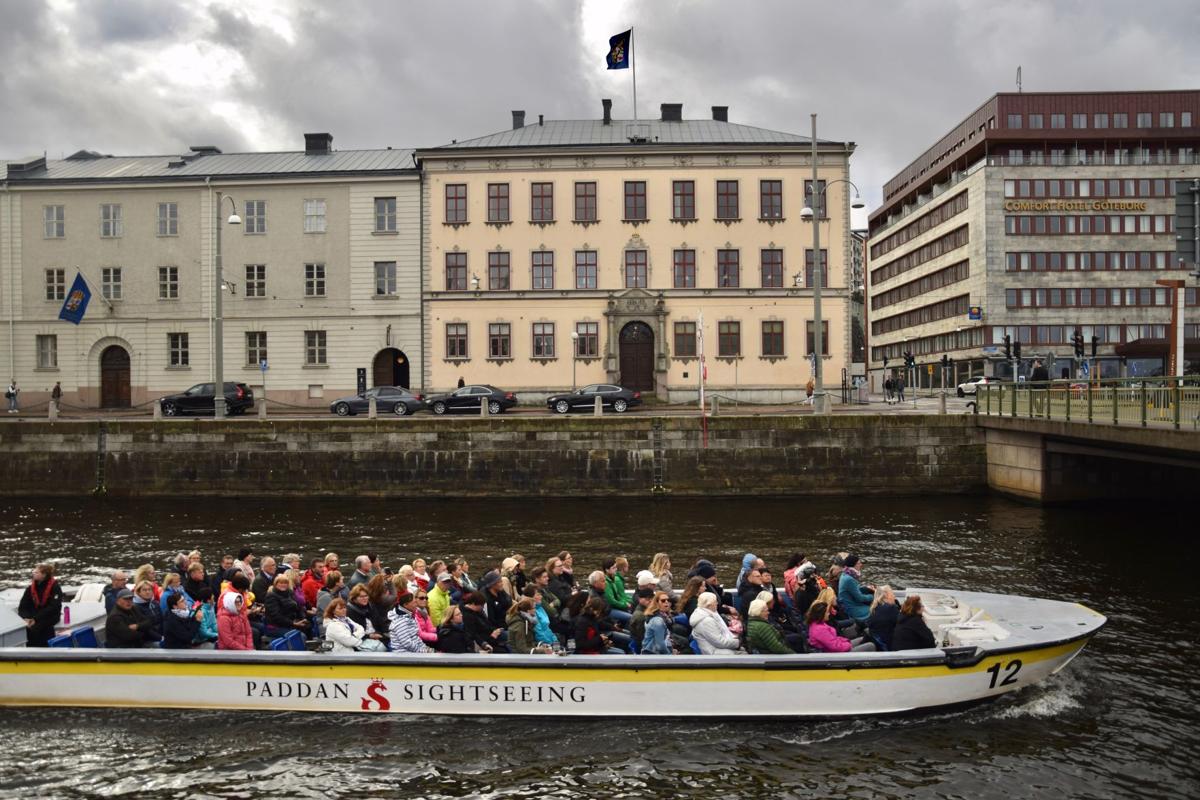
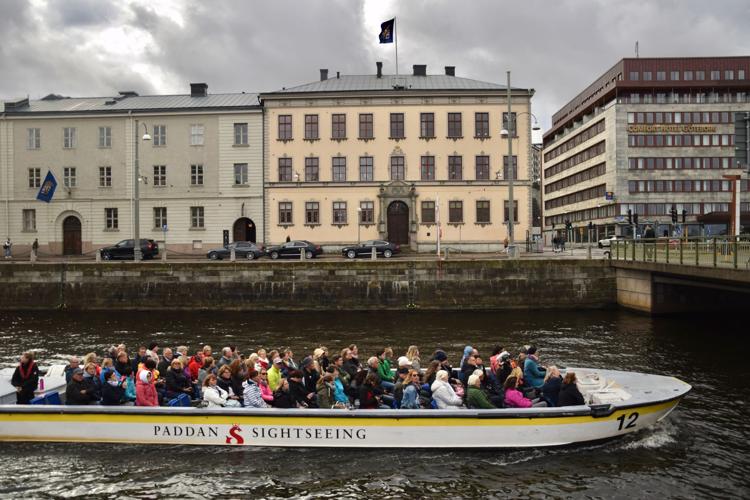
Sweden's second largest city, Gothenburg, was the main port of departure for emigrants who flocked to America between 1850 and 1930. (Mark Johanson/Chicago Tribune/TNS)
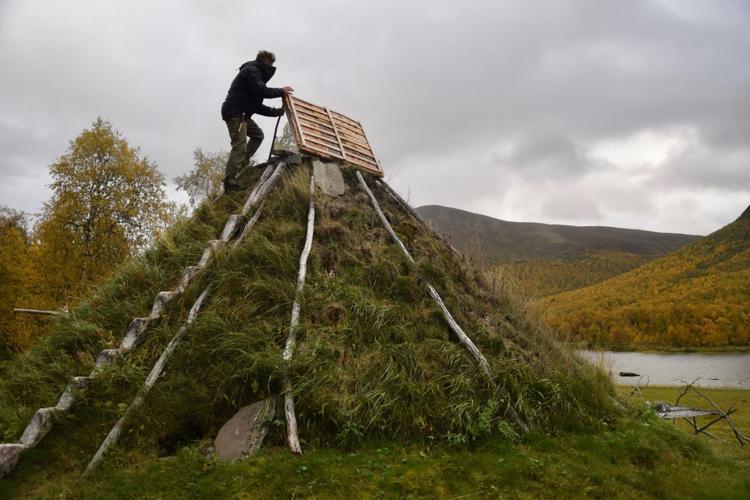
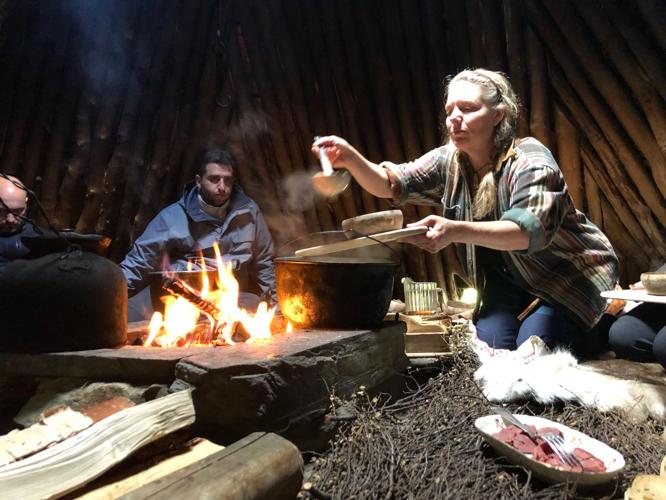
Smoke billowed out of a hole at the center of a grass-covered tepee as I passed plates of cured moose sausage, flat bread, cheese and cloudberry jam to the seven other strangers gathered in this traditional Sami home in Sweden's northernmost Lapland region.
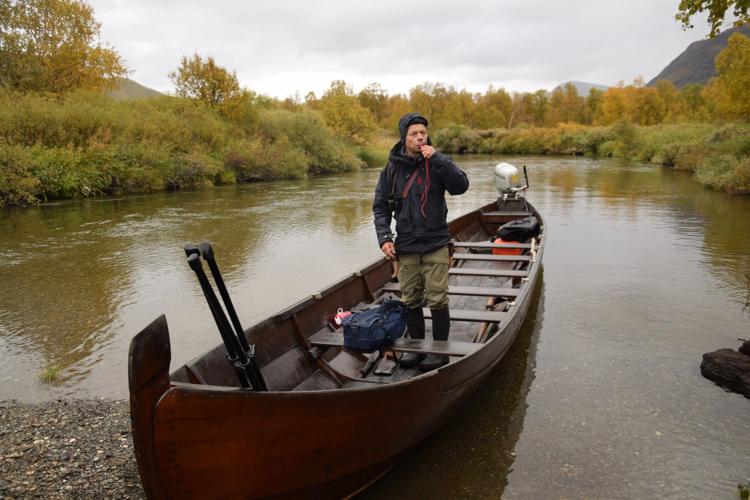
Mikael Vinka stands in his boat, which is the main way to access the remote Sami Ecolodge, which welcomes guests 12 times a year. Visitors can take a snowmobile in the winter. (Mark Johanson/Chicago Tribune/TNS)
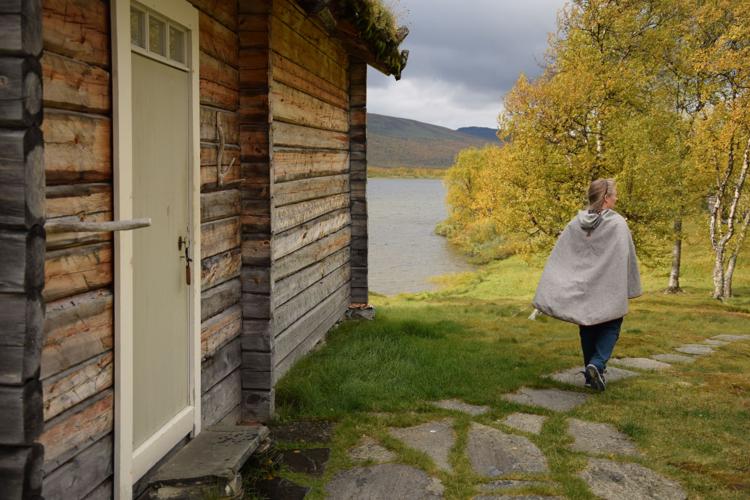
Anki Vinka runs the Sami Ecolodge alongside her husband, Mikael. While kerosene lamps are used at the secluded lodging, electricity and running water are not available. (Mark Johanson/Chicago Tribune/TNS)
Loose change. When travelers reach airport gates, it is placed in a basket along with other items from a passenger’s pocket. However, it is no…
Sweden's second largest city, Gothenburg, was the main port of departure for emigrants who flocked to America between 1850 and 1930. (Mark Johanson/Chicago Tribune/TNS)
Mikael Vinka stands in his boat, which is the main way to access the remote Sami Ecolodge, which welcomes guests 12 times a year. Visitors can take a snowmobile in the winter. (Mark Johanson/Chicago Tribune/TNS)
Anki Vinka runs the Sami Ecolodge alongside her husband, Mikael. While kerosene lamps are used at the secluded lodging, electricity and running water are not available. (Mark Johanson/Chicago Tribune/TNS)