The secret to how quickly a clownfish gets its stripes is revealed in recent study
By Francesca Giuliani-Hoffman, CNN
1 of 5
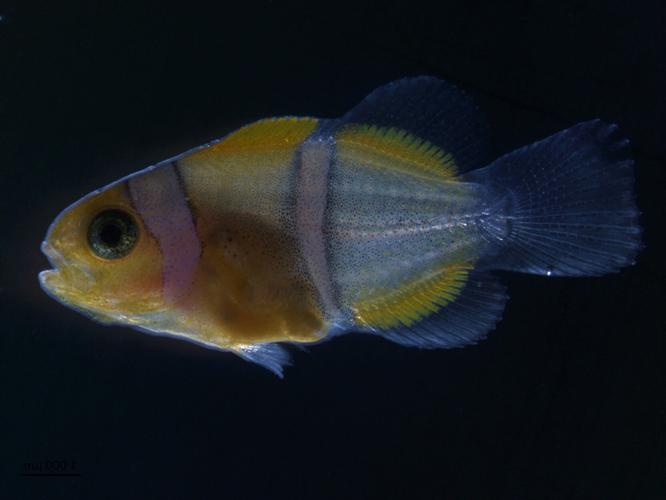
T3-treated clownfish has two white bars in contrast with control clownfish, which has no white bar at the same age.
Pauline Salis
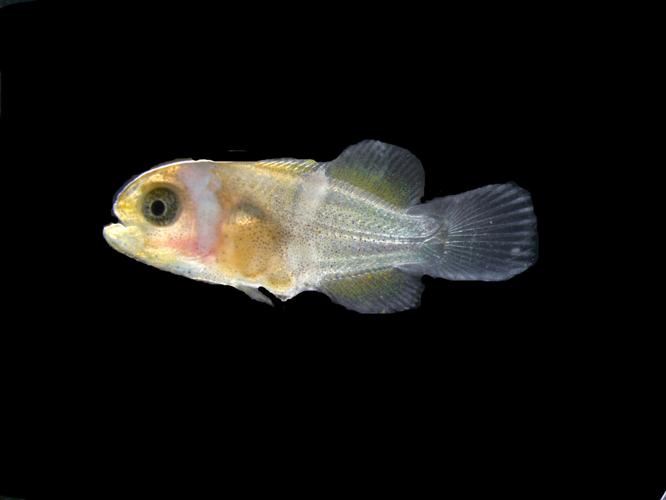
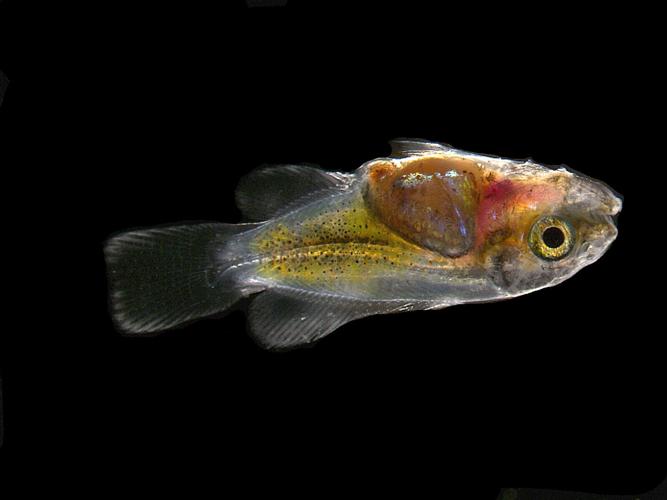
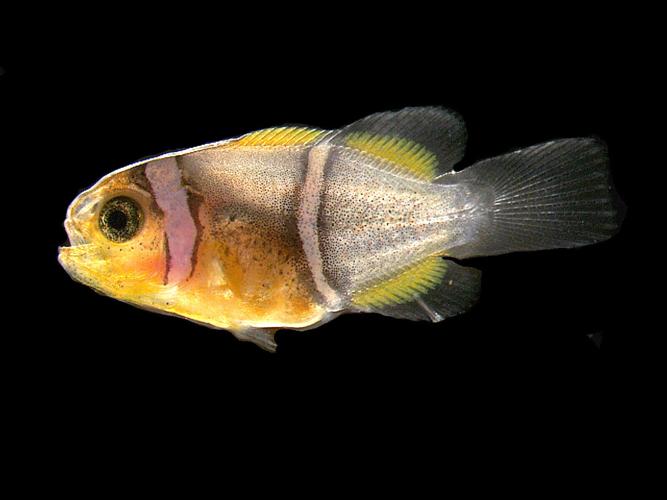
MPI (drug that blocks TH synthesis)-treated clownfish has no white bars after 9 days of treatment in contrast to control clownfish treated with a mock drug that has two white bars.
Pauline Salis
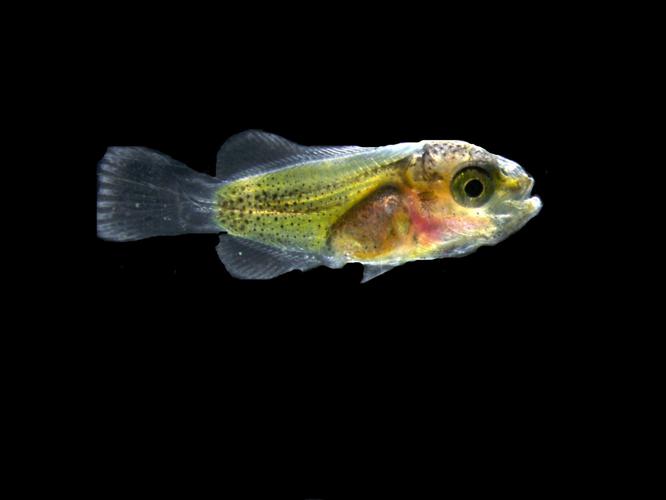
Juvenile clownfish.
Natacha Roux
Control clownfish has no white bar in comparison with T3-treated fish, which has two white bars at the same age.
Pauline Salis
Shown is a study control clownfish that has two white bars after nine days of treatment with a mock drug. In contrast, fish at the same age treated with thyroid hormone blockers had no white bars.
With its vibrant orange color and white stripes, also known as bars, the clownfish is among the most iconic sea creatures. But how does Nemo develop its distinctive look? Scientists are learning more about that process.
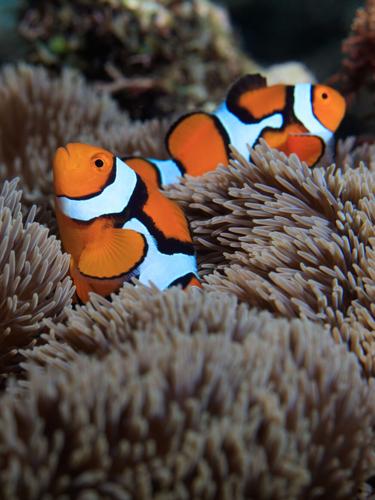
Orange clownfish, or Amphiprion percula, are shown in Kimbe Bay, Papua New Guinea. How quickly this fish develops its stripes depends on the sea anemone species it chooses to live in, a study has found.
Photos: Fishing, harvest of eggs blamed for drop in sea turtles
This July 5, 2017, photo shows a leatherback turtle swimming in the Pacific Ocean near Moss Landing, Calif. All seven distinct populations of leatherbacks in the world are troubled, but a new study shows an 80% population drop in just 30 years for one extraordinary sub-group that migrates 7,000 miles across the Pacific Ocean to feed on jellyfish in cold waters off California. Scientists say international fishing and the harvest of eggs from nesting beaches in the western Pacific are to blame. (Kate Cummings via AP)
In this photo taken Sept. 25, 2007, in the waters off central California, scientists including Scott Benson, at far left, can be seen posing with a giant western Pacific leatherback sea turtle as they take measurements and attach a GOP satellite tracking device to its shell. (Heather Harris/NOAA-ESA Permit #15634 via AP)
In this aerial photo provided by Joel Schumacher, scientists in a research boat pursue a Pacific leatherback turtle in the Pacific Ocean off California in September 2016. (Joel Schumacher via AP)
A leatherback turtle is seen in Monterey, Calif., during a scientific expedition to research the turtles' migration patterns. (Scott Benson via AP)
Scott Benson, an ecologist and leatherback turtle expert with the National Oceanic and Atmospheric Administration Fisheries Service, looks out over the water from his research boat in Monterey, Calif., on March 25, 2021. Benson has studied western Pacific leatherback turtles for decades and recently co-authored a study that shows an 80% population drop in just 30 years for one extraordinary sub-group that migrates 7,000 miles across the Pacific Ocean to feed on jellyfish in cold waters off California. (AP Photo/Haven Daley)
MPI (drug that blocks TH synthesis)-treated clownfish has no white bars after 9 days of treatment in contrast to control clownfish treated with a mock drug that has two white bars.
Shown is a study control clownfish that has two white bars after nine days of treatment with a mock drug. In contrast, fish at the same age treated with thyroid hormone blockers had no white bars.
Orange clownfish, or Amphiprion percula, are shown in Kimbe Bay, Papua New Guinea. How quickly this fish develops its stripes depends on the sea anemone species it chooses to live in, a study has found.