Pioneered by UW professor, microgrids enable energy independence, resiliency
CHRIS HUBBUCH
Updated
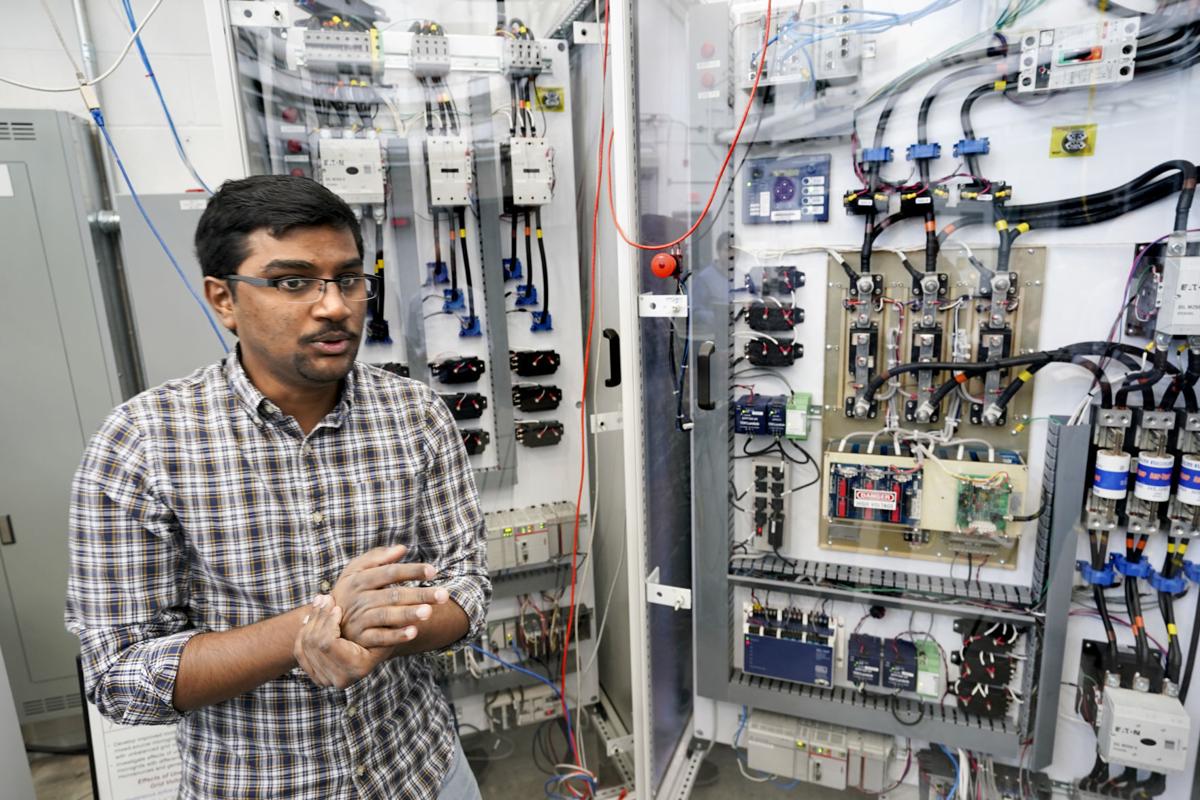
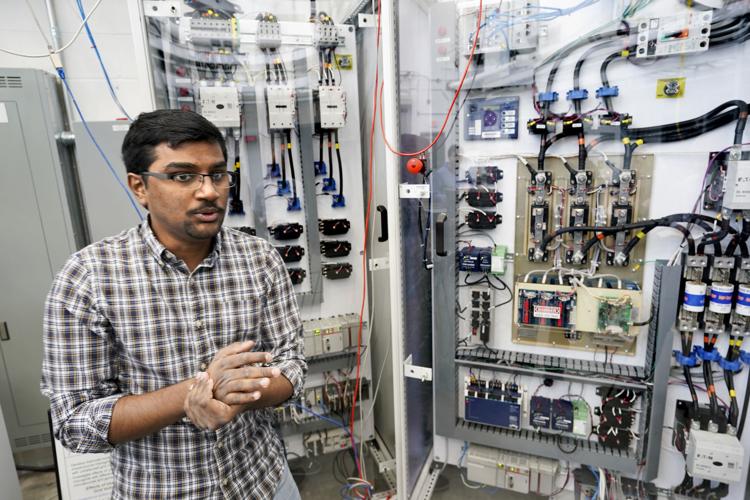
UW-Madison graduate student Dinesh Pattabiraman explains how the lab at the Wisconsin Energy Institute is used to test microgrids and other cutting-edge technologies.
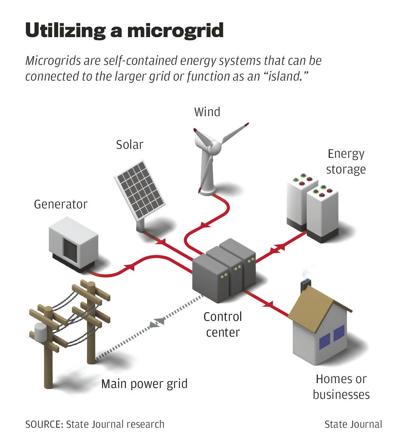
APPLETON — Proponents of a less centralized electric system envision a future in which residents, businesses and communities own and operate solar panels augmented with batteries and other generators hooked together in so-called microgrids.
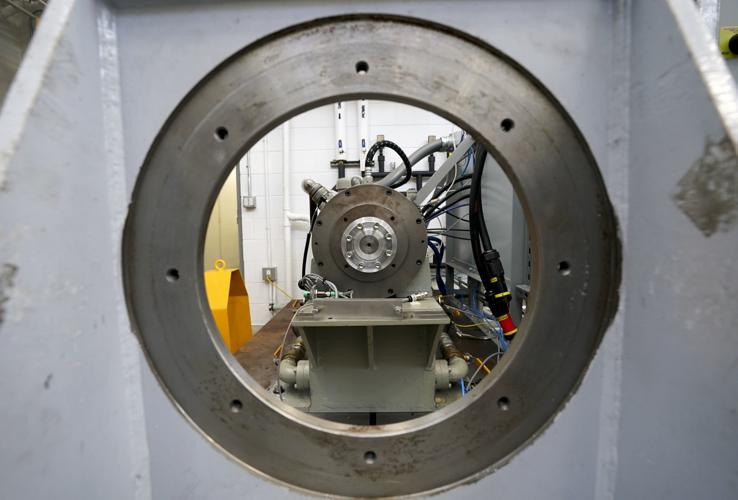
Microgrid researchers at the Wisconsin Energy Institute use a dynamometer to study how systems perform with different types of power supplies. The electric-powered emulator can produce current in the same way as a diesel, gas or wind-driven generator, which each have subtle differences.
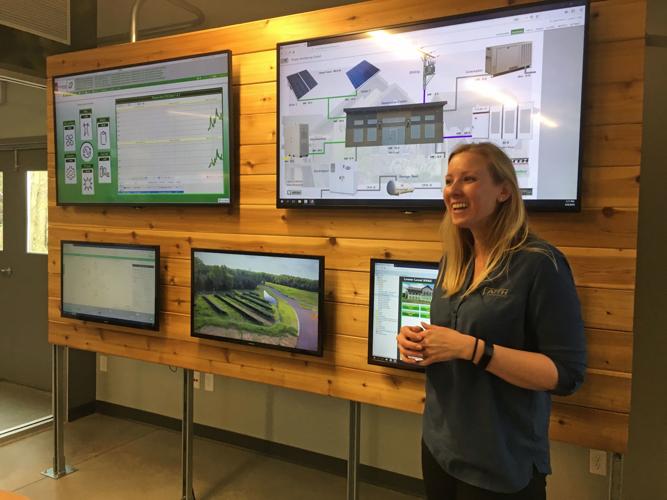
Caramy Biederman is Faith Technologies' lead engineer on the microgrid at the Gordon Bubolz Nature Preserve in Appleton. Faith Technologies donated the $3 million system, which includes five power sources and can operate independently or as part of the electric grid, to help the nature center be more sustainable and to demonstrate the technology to potential clients.
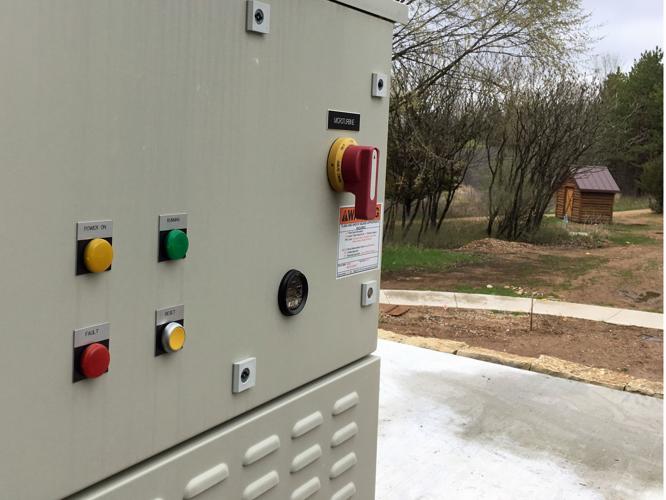
A natural gas microturbine capable of generating 65 kilowatts of electricity provides heat for the buildings at the Gordon Bubolz Nature Preserve in Appleton. The turbine can be used at night to charge a battery or to create hydrogen for a fuel cell that supply backup electricity for two fields of solar panels.
UW-Madison graduate student Dinesh Pattabiraman explains how the lab at the Wisconsin Energy Institute is used to test microgrids and other cutting-edge technologies.
Microgrid researchers at the Wisconsin Energy Institute use a dynamometer to study how systems perform with different types of power supplies. The electric-powered emulator can produce current in the same way as a diesel, gas or wind-driven generator, which each have subtle differences.
Caramy Biederman is Faith Technologies' lead engineer on the microgrid at the Gordon Bubolz Nature Preserve in Appleton. Faith Technologies donated the $3 million system, which includes five power sources and can operate independently or as part of the electric grid, to help the nature center be more sustainable and to demonstrate the technology to potential clients.
A natural gas microturbine capable of generating 65 kilowatts of electricity provides heat for the buildings at the Gordon Bubolz Nature Preserve in Appleton. The turbine can be used at night to charge a battery or to create hydrogen for a fuel cell that supply backup electricity for two fields of solar panels.