
UW Health plans to offer proton therapy, a form of radiation treatment that more precisely targets tumors for patients with certain cancers, at its planned $438 million, six-story clinic on Madison’s Far East Side.
People are also reading…
Wisconsin men's basketball coach Greg Gard hosted the Garding Against Cancer annual gala at the Kohl Center on Saturday.

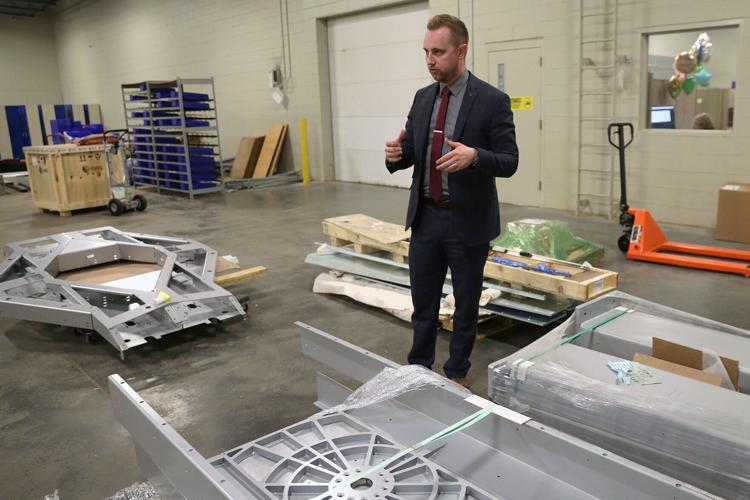
Leo Cancer Care CEO Stephen Towe said UW Health's new proton therapy machine, for which parts are being assembled at Leo's facility in Middleton, will be more comfortable for patients than most proton therapy units.

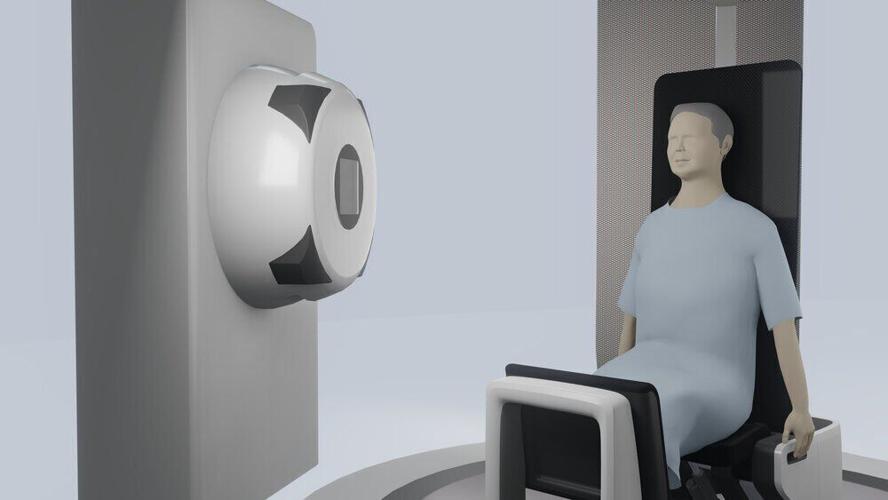
Patients sit in a proton therapy system by Middleton-based Leo Cancer Care, instead of lying down like in most models.

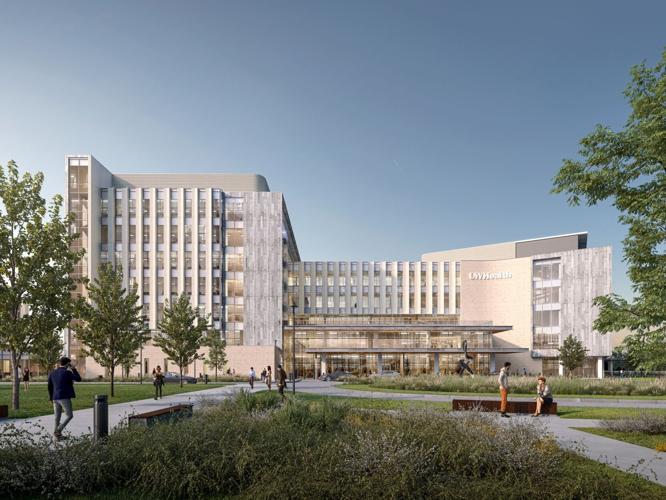
This rendering shows the $438 million clinic UW Health plans to build at its American Center property on Madison's Far East Side.

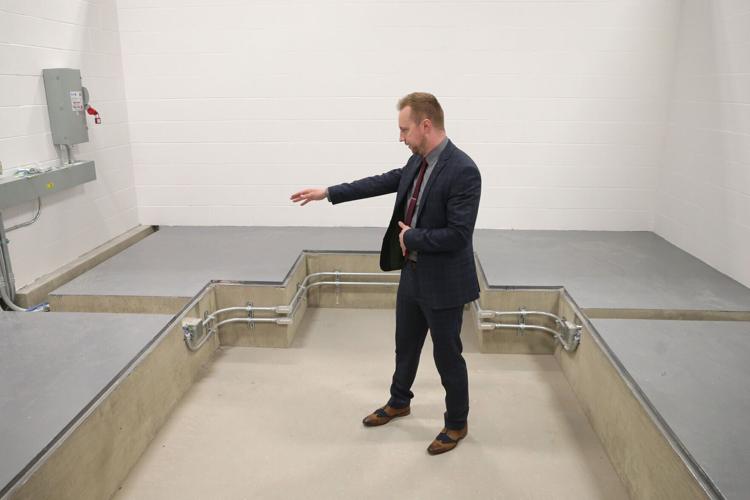
Leo Cancer Care CEO Stephen Towe said the company's proton therapy machines will be built and tested in a pit molded to specifications at the company's headquarters in Middleton.

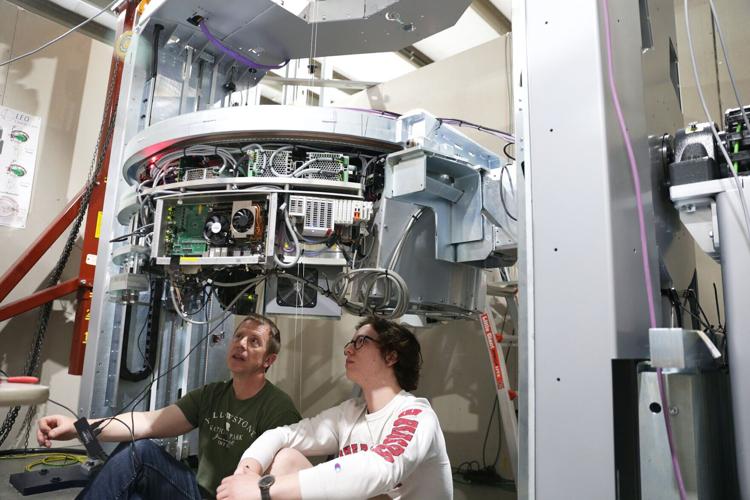
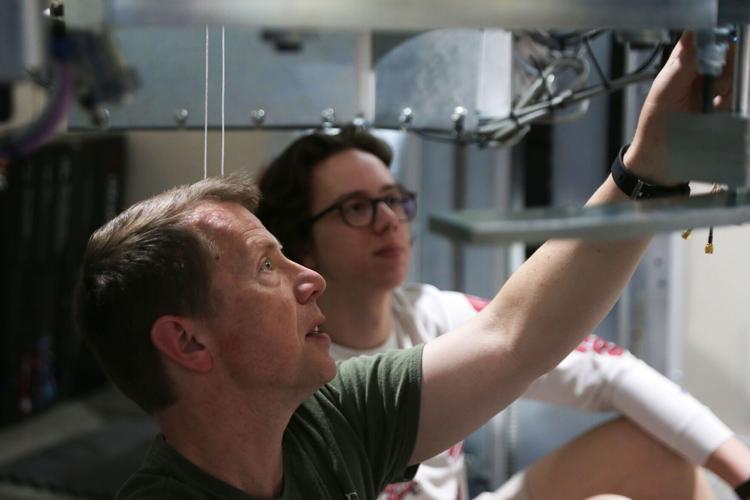
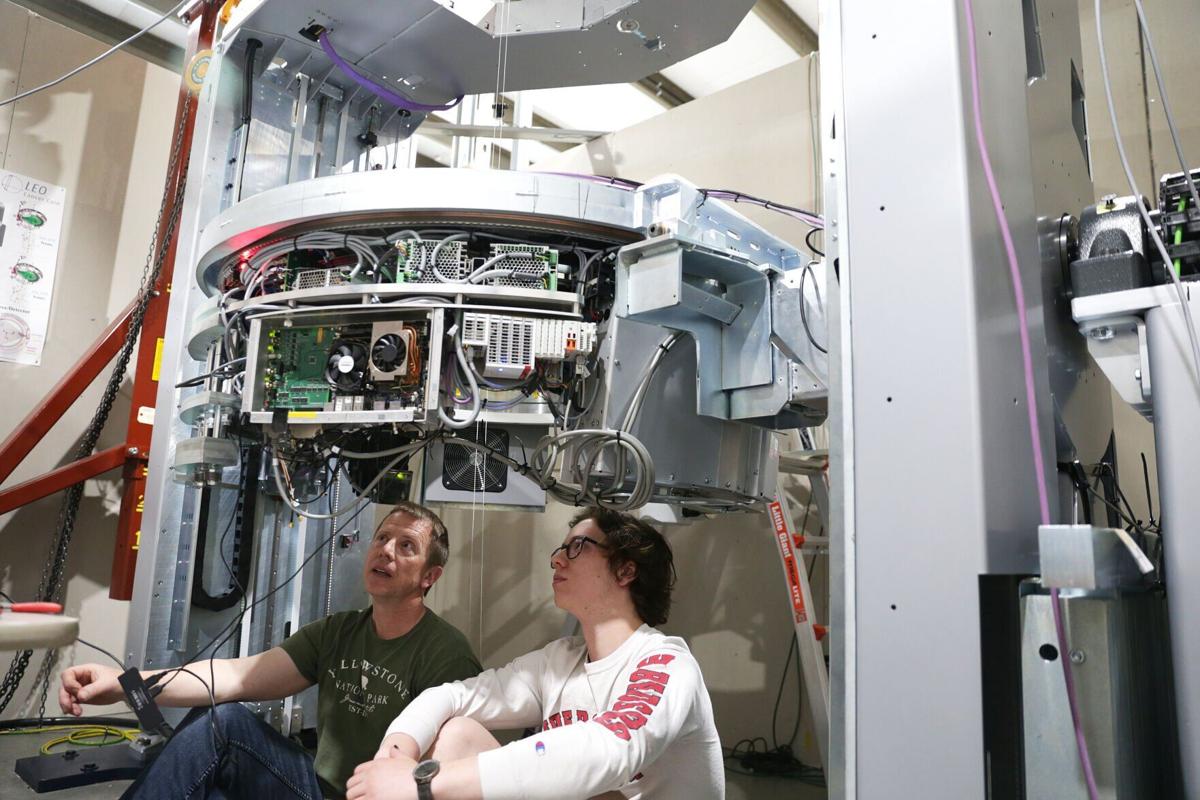
Principal electrical engineer Mike Denzin, one of 70 employees of Leo Cancer Care, about half of them in Middleton, works on equipment with his son Sam.

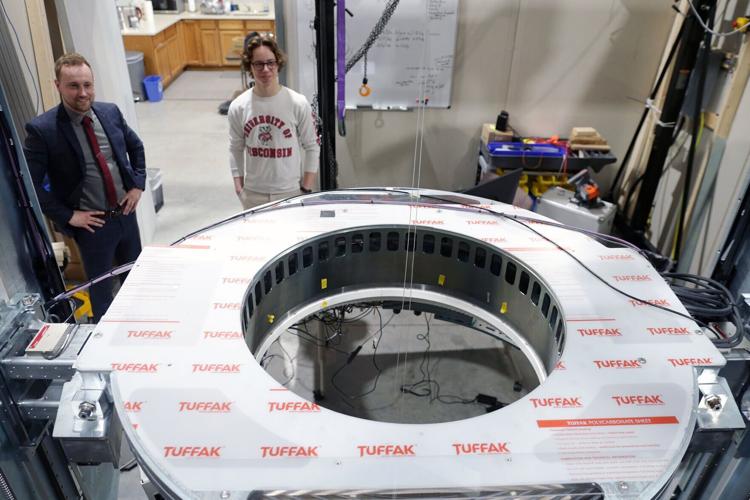
Leo Cancer Care is making a new, smaller kind of proton therapy model, combined with a CT scan, that allows patients to sit instead of lying down as a massive machine rotates around them. Pictured with Leo CEO Stephen Towe, left, is electrical engineering intern Sam Denzin.
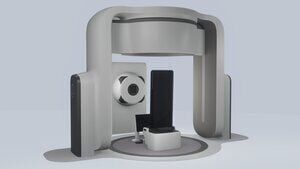
Leo Cancer Care's proton therapy unit is much smaller than traditional units.
Fave 5: Reporter David Wahlberg picks his top stories of 2021
COVID-19 dominated my year again as the State Journal’s health reporter, except for June and July, when it seemed we might overcome it. Vaccinations and variants were new angles this year. I also covered continuing deaths from the pandemic and challenges for health care workers.
During the summer dip in coronavirus activity, I wrote about a little-known hereditary disorder tied to several cancers, for which Fitchburg-based Promega Corp. has developed related testing.

I love transplant stories. Dr. Matt Wolff had quite a backstory to his heart-kidney transplant.

In February, I wrote six more vignettes about people who died from COVID-19.

Little-known Lynch syndrome is more common than BRCA mutations for breast cancer.

In September, I visited the COVID-19 unit at St. Mary's. These dedicated workers are tired.

I spent much of the fall looking into the unequal practice of newborn screening among states.