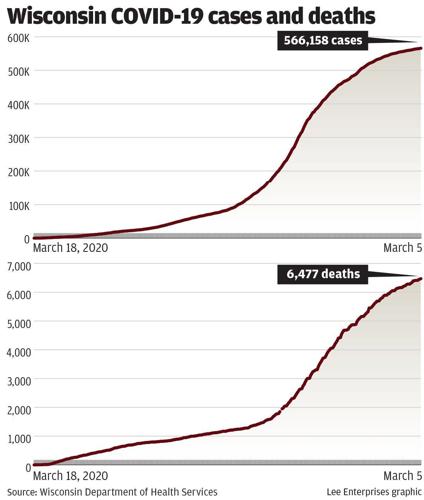

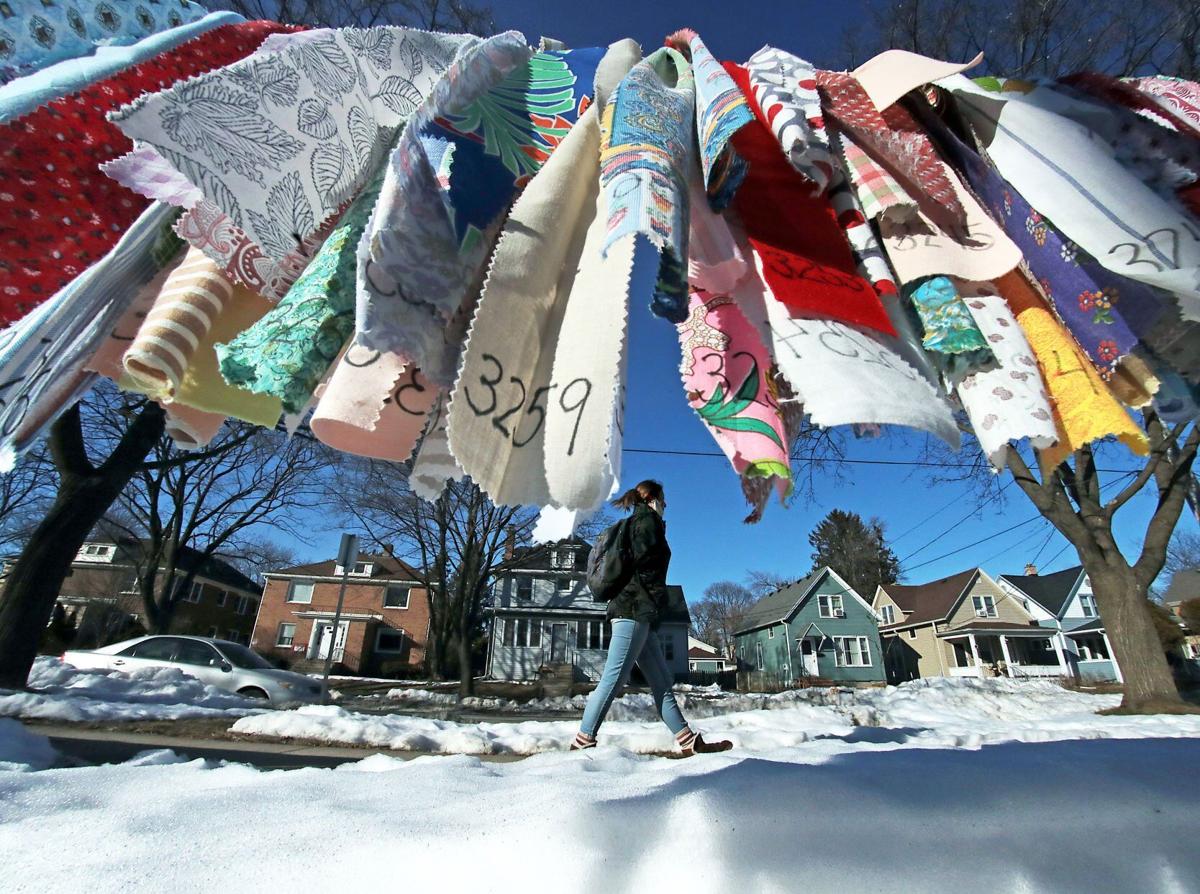
A cascade of coronavirus cases and cancellations washed over Wisconsin and the Madison area a year ago this week, upending life for everyone and ushering in a state of physical distancing, economic downturn and unprecedented deaths for which the end may be near but remains unclear.
People are also reading…

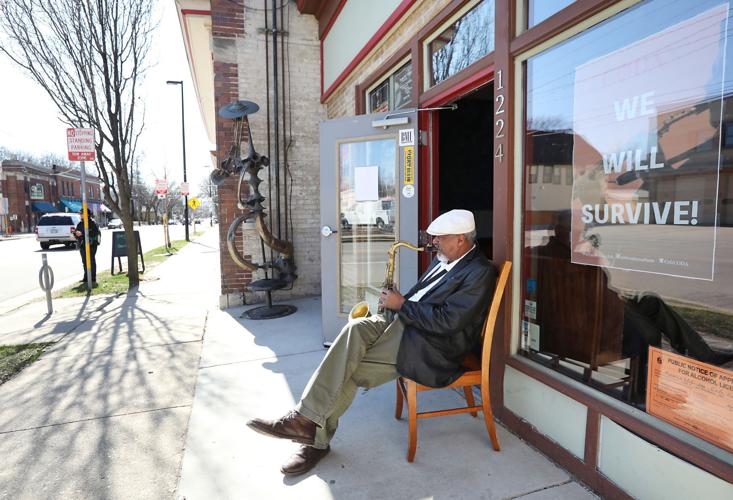
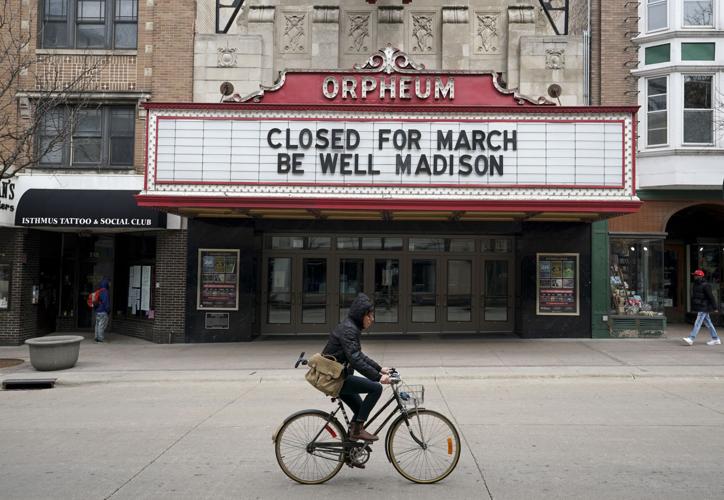
In hindsight, the sign on the Orpheum Theater on State Street in Downtown Madison, pictured here on March 23, 2020, was overly optimistic. Closures of theaters, restaurants, bars and other businesses would stretch well beyond March.

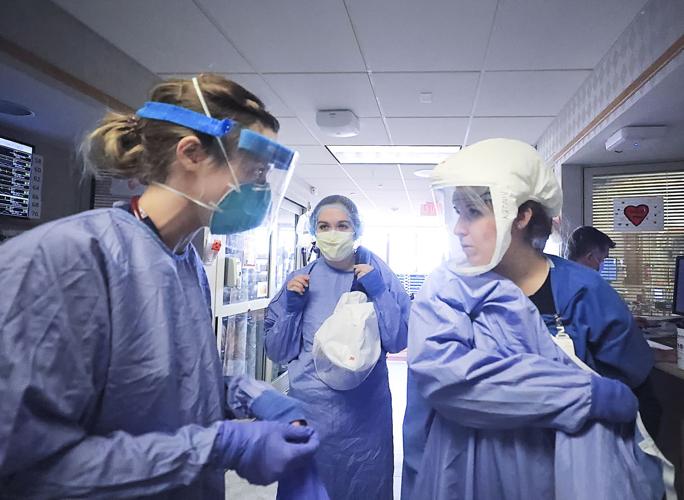
Staff members confer in the COVID-19 unit at UW Hospital in November.

The torrent of disruption to daily life over the past year has been inescapable.

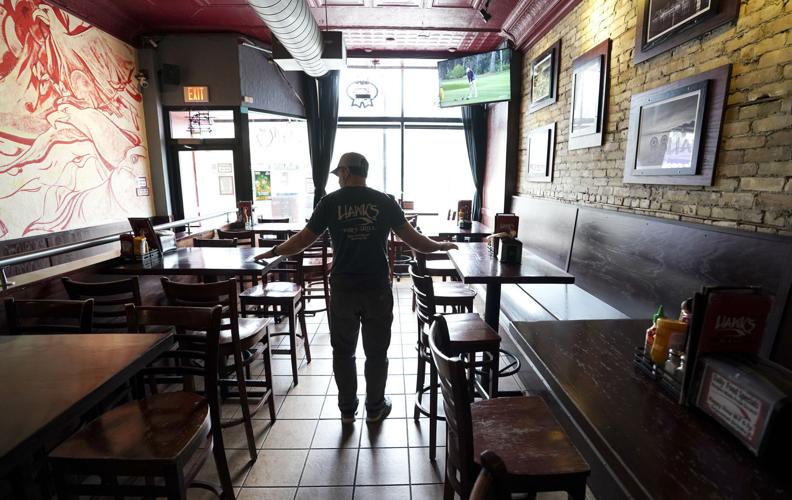
At least 28 Madison-area restaurants closed last year while 91% of businesses reported revenue declined. Though the economy has begun to recover, the pandemic's major financial toll continues. Hawk's Bar and Grill, shown here last March, remains open.

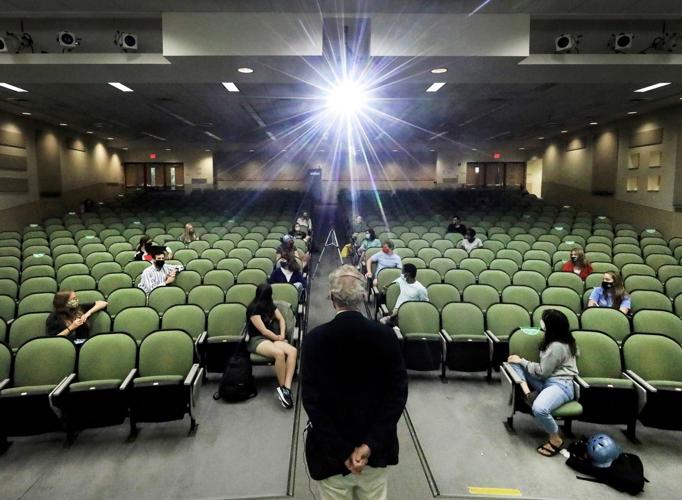
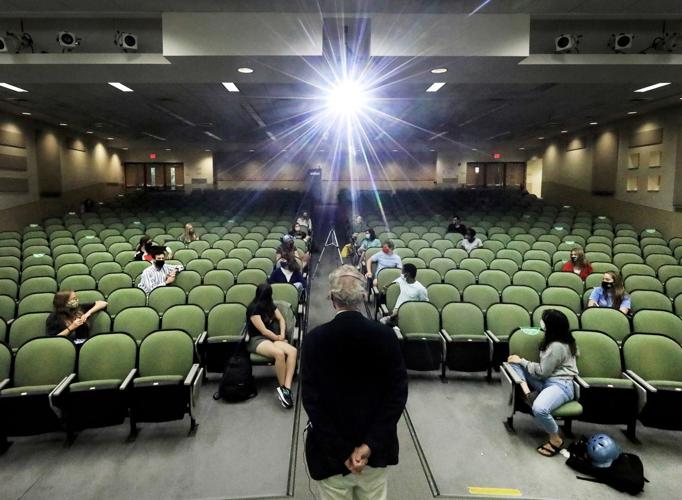
With students seated at a distance from each other, UW-Madison philosophy professor Harry Brighouse leads a discussion in an Ingraham Hall lecture room on Sept. 1.




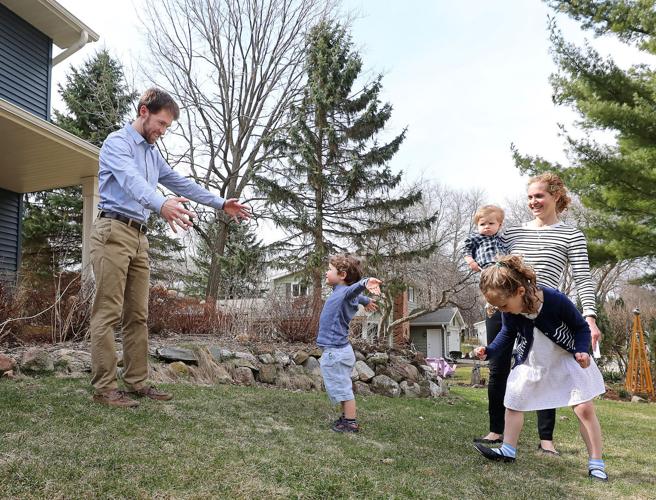
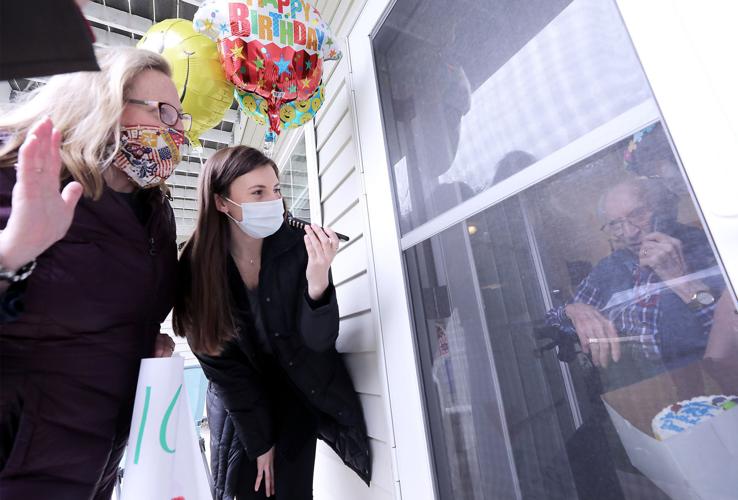





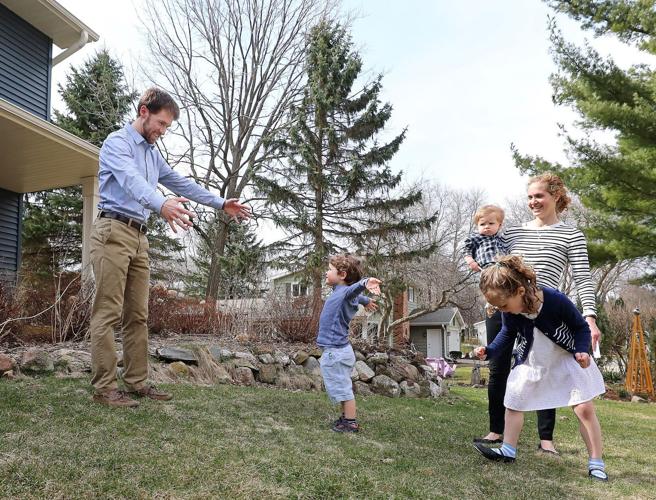
Dr. Matt Nolan shares an air hug with his son Condict, 3, outside the family’s home in Madison in April as his wife, Dr. Maggie Nolan, holds their son Arthur, 1, with Charlotte, 6, nearby.

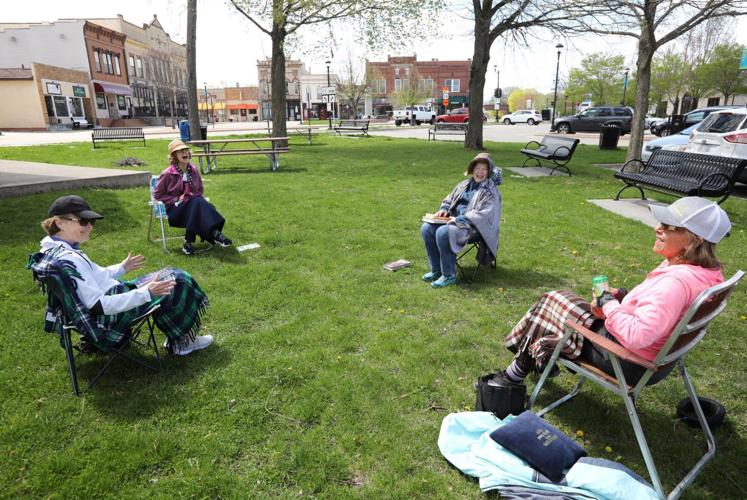
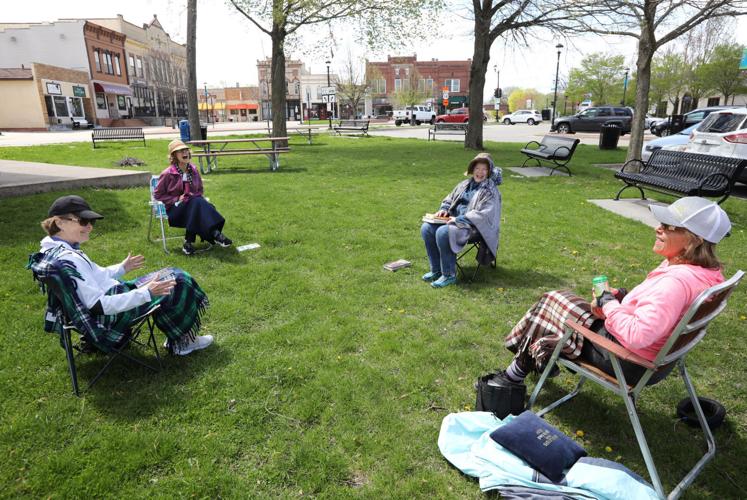
Longtime friends, from left, Mary Power, of Fitchburg, Karen Kilroy, of Stoughton, Jane Morgan, of Oregon, and Pattie Sartori, of Stoughton, at right, practice social distancing as they gather for an overdue visit, which included sharing books and food recipes, at Waterman Triangle Park in downtown Oregon on May 6.
How the COVID-19 pandemic unfolded in Madison and Wisconsin
Jan. 30, 2020

Jan. 30, 2020: After a trip to Beijing, a Dane County resident shows up at UW Hospital's emergency room, becoming the first person in Wisconsin and 12th in the nation to test positive for a novel coronavirus gripping China.
March 11, 2020

March 11, 2020: In a banner date locally and nationally, UW-Madison announces plans to temporarily suspend in-person classes and empty out dorms on the same day the viral outbreak is declared a pandemic.
March 19, 2020

March 19, 2020: Wisconsin records the first of what would eventually become thousands of deaths in the pandemic after two men fall victim to the virus.
March 25, 2020

March 25, 2020: In the most sweeping measure yet, Evers' "safer at home" order takes effect, which shutters "nonessential" businesses, urges residents to stay home and eventually becomes the target of Republican-led legal challenges.
April 15, 2020

April 15, 2020: Evers signs the first and only pandemic-related legislation of the year to come out of the Republican-held state Legislature before bipartisan cooperation breaks down over an extension of the "safer at home" order.
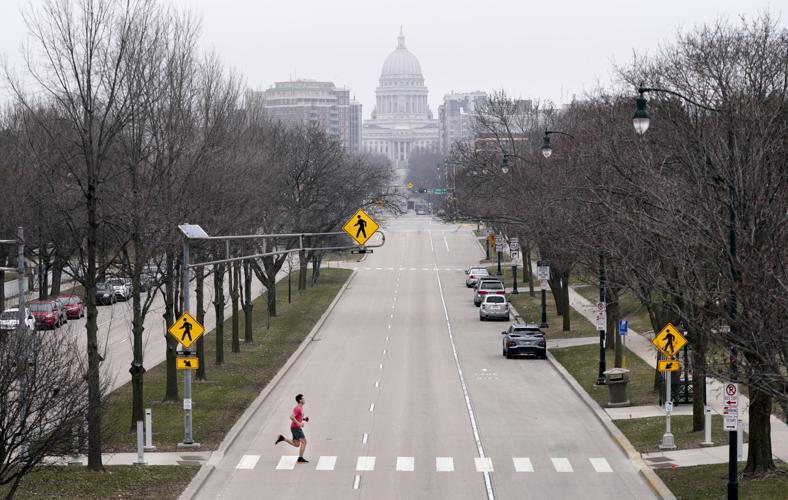
Scenes from a city sheltering in place
May 11, 2020

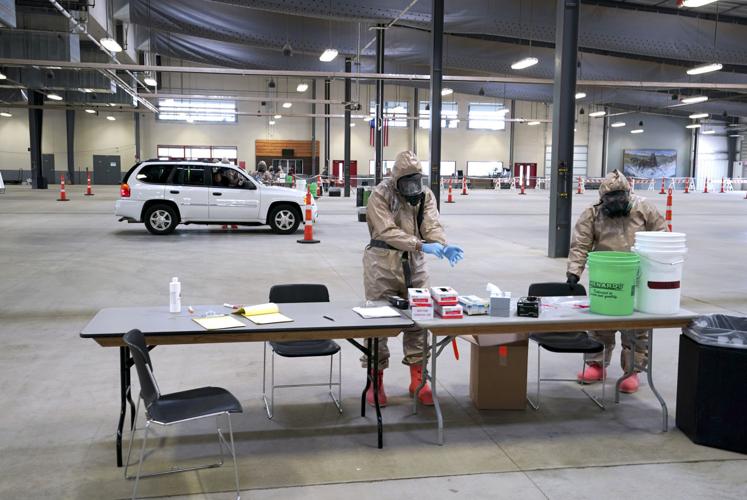
May 11, 2020: Free community testing for COVID-19 begins at the Alliant Energy Center.
May 13, 2020

May 13, 2020: Along ideological lines, the Wisconsin Supreme Court strikes down the "safer at home" order, limiting the Evers administration's ability to implement future statewide orders. Restrictions are put in place immediately in Dane County and other places. But elsewhere, people flood the bars.
May 26, 2020

May 26, 2020: After more than two months of shutdowns, Dane County's "nonessential" businesses are allowed to partially reopen as local restrictions begin to slowly ease.
July 13, 2020

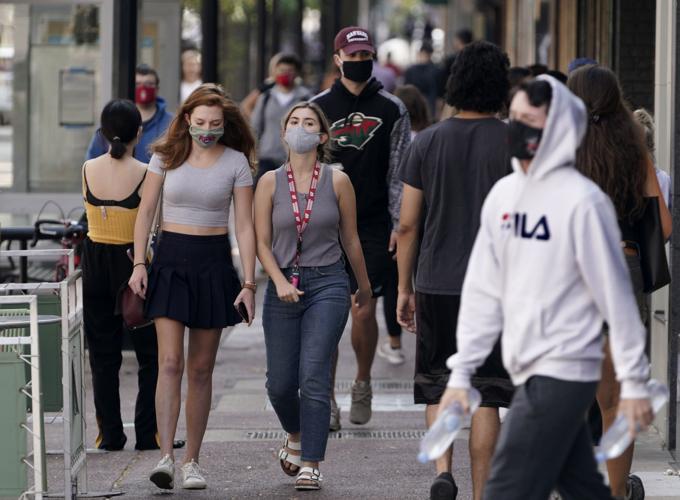
July 13, 2020: A local face mask mandate by the joint city-county health department takes effect for all of Dane County. Bending to increasing public pressure, Evers later issues a statewide mask rule.
Sept. 9, 2020

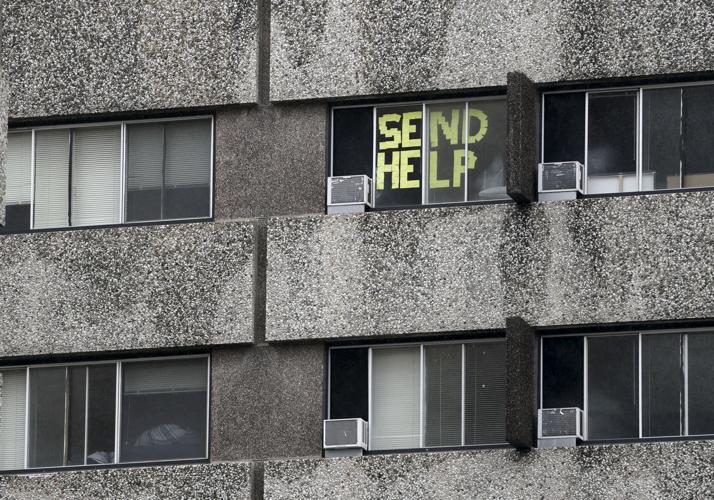
Sept. 9, 2020: As cases surge on campus, UW-Madison takes its most drastic step to preserve a semblance of a regular semester by moving all classes online and quarantining two dorms for two weeks.
Friday night lights out: A drone tour of the Madison-area's empty football stadiums
Dec. 14, 2020

Dec. 14, 2020: Ten UW Health employees are among the first in Wisconsin to get the country’s first approved vaccine as the nationwide inoculation effort gets underway.
Jan. 25, 2021

Jan. 25, 2021: Joining frontline health care employees and other groups, Wisconsin residents age 65 and older become eligible for the vaccine, marking the first shift to getting the shots in the arms of the general public.
March 1, 2021

March 1, 2021: Dane County's victims of the pandemic are remembered and honored during a "day of remembrance" as the vaccine eligibility expands to teachers and others.