Top stories from the past week, including winter storm coverage, what to watch over the holidays, and more
Updated
From those we lost, to the best Netflix picks for binge-watching over the holidays, here are the top national stories from the past week.
'Cousin Eddie' display from 'Christmas Vacation' leads to Kentucky police response
SHEPHERDSVILLE, Ky. (AP) — A "Cousin Eddie" display in Kentucky apparently looked a little too real and police were called to check it out.
After receiving the call, a dispatcher described the scene to responding officers as "a male standing outside. He is naked. He has a robe covering part of his body. He is exposing himself, and he has a hose between his legs."
When it comes to obedience, a variety of factors can affect a dog's disposition. Here's a look at the dog breeds with the lowest working and obedience intelligence.
These are the least obedient dog breeds
Least obedient dog breeds
When it comes to obedience, a variety of factors can affect a dog's disposition. Training quality and duration, environmental factors, and the individual puppy personalities are all major contributors—but how much can a dog's breed and genetic makeup come into play?
In 1994, neuropsychological researcher Stanley Coren sought to compile the definitive resource for understanding the inner workings of our canine companions, captured within his book, “The Intelligence of Dogs.” Coren's research was based on extensive surveys of 208 obedience judges from the American and Canadian Kennel Clubs, representing half of all judges in North America. According to Coren, 51% of a dog's intelligence stems from its genes while 49% is based on environmental circumstances. Coren ultimately collected statistically significant data for 140 recognized dog breeds, ranking them by their working and obedience intelligence. This form of canine intelligence represents a breed's ability to learn and respond to commands and training, described by Coren as a "measure of what the dog can do for humans."
Drawing from Coren's research, Stacker has compiled the breeds that ranked in the lowest half of working and obedience intelligence. Each breed is broken down by their estimated understanding of new commands and ability to obey a known command the first time while adding in details on their trainability and history as a breed. Coren's research evaluated the animal's problem-solving capabilities, obedience, memory, social training, and powers of observation.
Read on to see why not all retrievers are created equal in trainability, and why you can’t write off lapdogs when it comes to their guard dog abilities.
- Understanding of new commands: 25 to 40 repetitions
- Obey first command: 50% of the time or better
Originally bred as an Irish hunting dog, the soft coated Wheaten terrier has been described as “an iron fist in a velvet glove” for their muscular body sheathed in a soft coat.
Canva
#40. Bedlington terrier (tie)
- Understanding of new commands: 25 to 40 repetitions
- Obey first command: 50% of the time or better
Bedlington terriers, named for a small town in Northern England, share both the general physical makeup and the temperament of a sheep. They boast a thick white coat and their bodily structure makes them capable of galloping at exceptionally fast speeds.
Grigorita Ko // Shutterstock
#40. Smooth fox terrier (tie)
- Understanding of new commands: 25 to 40 repetitions
- Obey first command: 50% of the time or better
Fox terriers are easily distinguishable from the stark contrast between the colorful coats, which cover their head, and the white coats that typically cover most of the rest of their bodies. Unlike their close relatives in the wire fox terrier, this breed has more of an angular, V-shaped head.
Canva
#39. Curly coated retriever (tie)
- Understanding of new commands: 25 to 40 repetitions
- Obey first command: 50% of the time or better
The curly coated retriever was originally bred in England for fetching waterfowl. It is important for owners of this breed to incorporate fun into the training process to keep the dog’s attention.
Canva
#39. Irish wolfhound (tie)
- Understanding of new commands: 25 to 40 repetitions
- Obey first command: 50% of the time or better
The Irish wolfhound is the tallest of all breeds officially recognized by the American Kennel Club, and while they stand 30 inches at a minimum, they are gentle giants. The Irish wolfhound is known to be one of the most caring and faithful dog breeds.
- Understanding of new commands: 25 to 40 repetitions
- Obey first command: 50% of the time or better
Hungary’s beautiful Kuvasz breed resembles American favorites such as the Labrador retriever and golden retriever, though the working dog distinguishes itself through a unique snow-white coat. During his reign in the mid-15th century, King Matthias I of Hungary trusted his "Kuvs" more than his actual palace guards, which speaks to their loyal nature.
Erdelyi Kopo // Wikimedia Commons
#38. Australian shepherd (tie)
- Understanding of new commands: 25 to 40 repetitions
- Obey first command: 50% of the time or better
The Australian shepherd is a high-energy breed with a relatively unknown origin story prior to its appearance in the U.S. Known for its territorial and protective nature, this breed requires careful and active training.
Canva
#37. Saluki (tie)
- Understanding of new commands: 25 to 40 repetitions
- Obey first command: 50% of the time or better
Salukis have origins in the Middle East and resemble greyhounds. The breed is the second-fastest in the world.
Canva
#37. Finnish spitz (tie)
- Understanding of new commands: 25 to 40 repetitions
- Obey first command: 50% of the time or better
Finnish spitzs, also known affectionately as Finkies, are amongst the loudest, most vocal canines around the world, and while this may be unfavorable to the casual dog lover, fanatics take great pride in these dogs’ noises. In Finland, owners congregate to determine whose Finkie is to be anointed “King Barker,” the dog responsible for the best yodeling.
Canva
#37. Pointer (tie)
- Understanding of new commands: 25 to 40 repetitions
- Obey first command: 50% of the time or better
The etymology of the “pointer” is fairly self-evident. These runners’ companions assume a directional standing position, which is especially useful for hunters looking to locate game birds.
- Understanding of new commands: 25 to 40 repetitions
- Obey first command: 50% of the time or better
These short, hairy spaniels with big, beady eyes were especially popular amongst 17th-century British monarchs Charles I and Charles II, and the breed was named in the latter’s honor as such. The breed comes in four distinct coat colors, each of which is known for an association with one royal family or another: Blenheim (chestnut and white), black and tan, ruby, and tricolor.
Canva
#36. German wirehaired pointer (tie)
- Understanding of new commands: 25 to 40 repetitions
- Obey first command: 50% of the time or better
The German wirehaired pointer greatly resembles the standard pointer in that the two share a comparable build and the same iconic directional stance. They differ in coat, however, since the German wirehaired pointer boasts a homogenous mix of gray and brown hairs across its body, along with a brown head, with golden snout hairs resembling a lion’s mane.
Drazen Boskic PHOTO // Shutterstock
#36. Black and tan coonhound (tie)
- Understanding of new commands: 25 to 40 repetitions
- Obey first command: 50% of the time or better
The first coonhound breed recognized by the American Kennel Club back in 1945, the black and tan is recognizable anywhere because of its transitioning coat as well as its long, droopy ears.
Canva
#36. American water spaniel (tie)
- Understanding of new commands: 25 to 40 repetitions
- Obey first command: 50% of the time or better
A relatively smaller breed, weighing anywhere between 25 to 45 pounds, and measuring anywhere between 15 to 18 inches tall, the American water spaniel hails from the Great Lakes region. Its soft brown fur and curly haired ears make it exceedingly unique, especially considering this rare breed is only about 3,000 strong today.
Steve Bruckmann // Shutterstock
#35. Siberian husky (tie)
- Understanding of new commands: 25 to 40 repetitions
- Obey first command: 50% of the time or better
Coming in various coats and sizes, the Siberian husky is the pride of the Tundra, as the nimble-footed dog serves both as a productive worker and a loyal companion. The breed first gained notoriety in the early 1900s when they began dominating sled races.
- Understanding of new commands: 25 to 40 repetitions
- Obey first command: 50% of the time or better
This breed first gained popularity amongst European royalty in the 13th century in the likes of Italy, France, and Spain, and it's easy to see why. The Bichon Frise’s small frame, bright white coat, and bouncy walking style make it a veritable puffball with legs.
Heike Andres // Wikimedia Commons
#34. Tibetan spaniel (tie)
- Understanding of new commands: 25 to 40 repetitions
- Obey first command: 50% of the time or better
This breed was originally bred to keep watch on the walls of Tibetan monasteries since their excellent vision allowed them to see exceedingly long distances. Ironically enough, though, it is now fairly difficult for the casual owner to get a Tibbie to stand still, as the breed is amongst the bouncier and more energetic of the spaniels.
Ladykransteer // Wikimedia Commons
#34. English foxhound (tie)
- Understanding of new commands: 25 to 40 repetitions
- Obey first command: 50% of the time or better
English foxhounds are not too physically different from their cousins across the pond, and it may be difficult to distinguish them at first glance. American foxhounds boast a typically darker, more pronounced coat at different parts of their body while their English counterparts are also marginally taller.
Derek Hunter // Shutterstock
#34. Otterhound (tie)
- Understanding of new commands: 25 to 40 repetitions
- Obey first command: 50% of the time or better
This cheerful, energetic breed combines webbed feet, a strong build, and a razor-sharp sense of smell to serve as a great hunting dog.
Lourdes Photography // Shutterstock
#34. American foxhound (tie)
- Understanding of new commands: 25 to 40 repetitions
- Obey first command: 50% of the time or better
American foxhounds typically have a black, white, and tan coat. American foxhounds love room to run around in and usually have high energy, though they’re also gentle, and get along well with children and other animals.
- Understanding of new commands: 25 to 40 repetitions
- Obey first command: 50% of the time or better
Capable of running over 40 miles per hour, greyhounds are slim and athletic with long legs and a short, aerodynamic coat. However, they were bred for sprinting, not endurance; greyhounds sleep around 18 hours a day.
Canva
#34. Wirehaired pointing griffon (tie)
- Understanding of new commands: 25 to 40 repetitions
- Obey first command: 50% of the time or better
Popular both as a show dog and a gun dog meant to assist hunters in retrieving game, the wirehaired pointing griffon is relatively rare in the United States.
Canva
#33. West Highland white terrier (tie)
- Understanding of new commands: 25 to 40 repetitions
- Obey first command: 50% of the time or better
Westies are more than 300 years old as a breed and have become increasingly popular in the United States. Now the 42nd most popular breed overall, they rank only behind Yorkies and Bostons amongst all terrier breeds, which likely has to do with their small frame and thick white coat.
Canva
#33. Scottish deerhound (tie)
- Understanding of new commands: 25 to 40 repetitions
- Obey first command: 50% of the time or better
Larger in size than the greyhound, the Scottish deerhound is docile and friendly, and prefers a great deal of exercise in large, open areas. A Scottish deerhound named Cleod was featured in two "Harry Potter" movies as the animagus, or animal form, of Sirius Black.
Canva
#32. Boxer (tie)
- Understanding of new commands: 25 to 40 repetitions
- Obey first command: 50% of the time or better
Boxers are well celebrated by the AKC and have won Best in Show at Westminster four times: in 1947, 1949, 1951, and 1970. Training can pay off, but trainers need to be patient and consistent—this intelligent breed invents their own form of obedience.
- Understanding of new commands: 25 to 40 repetitions
- Obey first command: 50% of the time or better
Great Danes are docile and great for families, as long as they’re trained early. The tallest dog ever recorded was a Great Dane named Zeus, who was 44 inches tall—nearly 4 feet—from paw to shoulder.
Canva
#31. Dachshund (tie)
- Understanding of new commands: 25 to 40 repetitions
- Obey first command: 50% of the time or better
With a deep-rooted German heritage, these short, furry "wiener dogs" are a fan favorite in the United States. Because of the dachshund’s peculiar frame, it is important that owners do not overfeed them or they could run the risk of subjecting their dog to a herniated or slipped disc.
Canva
#31. Staffordshire bull terrier (tie)
- Understanding of new commands: 25 to 40 repetitions
- Obey first command: 50% of the time or better
Staffordshire bull terriers were once famous fighters, struggling for victory in England’s baiting rings. The breed has been transformed to be kind and patient, but the AKC still recommends that young Staffies be socialized with other dogs early to develop a more easy-going nature.
Melounix // Shutterstock
#30. Alaskan malamute
- Understanding of new commands: 25 to 40 repetitions
- Obey first command: 50% of the time or better
Alaskan malamutes were originally bred to be sled dogs. They are pack animals that require their owners to establish themselves as head of the household through early training.
Continentaleurope // Wikimedia Commons
#29. Whippet (tie)
- Understanding of new commands: 25 to 40 repetitions
- Obey first command: 50% of the time or better
Whippets were originally bred to hunt rabbits and other small animals. Today, whippets are skilled with agility-based tasks—they also make great therapy dogs.
- Understanding of new commands: 25 to 40 repetitions
- Obey first command: 50% of the time or better
If you want a guard dog that will remain calm most of the time, but spring to attention in the face of danger, a Chinese shar pei is a good fit. These dogs have broad muzzles surrounded by folds of loose skin around their heads, necks, and shoulders; the name “shar pei” translates to “sand skin.”
David Raihelgauz // Shutterstock
#29. Wire fox terrier (tie)
- Understanding of new commands: 25 to 40 repetitions
- Obey first command: 50% of the time or better
Wire fox terriers (or “wires”) have a history in British fox hunts: This dog’s job was to scare foxes out of their shelters so that hounds and hunters could chase them out in the open. There have been many famous wires throughout history, from Caesar, King Edward VII’s favorite dog, to Asta, the co-star of William Powell and Myrna Loy’s “Thin Man” movies. The breed is often seen on screen today.
Walker Whited // Wikimedia Commons
#28. Rhodesian ridgeback
- Understanding of new commands: 25 to 40 repetitions
- Obey first command: 50% of the time or better
As a proud home protector and aggressive hunter, the Rhodesian ridgeback has a history of hunting big game in centuries past. Although they’re known for their friendliness, the breed can be a bit stubborn at times.
Canva
#27. Ibizan hound (tie)
- Understanding of new commands: 25 to 40 repetitions
- Obey first command: 50% of the time or better
Much like partygoers on the Spanish island for which the breed is named, Ibizan hounds simply cannot sit still. The tall, skinny canines are world-class athletes, known for their outstanding leaping and sprinting ability.
Canva
#27. Welsh terrier (tie)
- Understanding of new commands: 25 to 40 repetitions
- Obey first command: 50% of the time or better
Welsh terriers, like Lakeland terriers, fox terriers, and many other modern British breeds, are descendants from an ancient breed called the Old English black and tan terrier. The Welsh terrier is distinguished as a bit calmer than its relatives, but still up for a challenge; this dog was bred to fight badgers, otters, and other feisty game.
- Understanding of new commands: 25 to 40 repetitions
- Obey first command: 50% of the time or better
Known as the “Daredevil of the Emerald Isle,” Irish terriers are famously fiery both in coat color and temperament. These dogs have been farm dogs, watch dogs, hunting dogs, and family guardians, when their aggression is kept in check.
Sini Merikallio // Wikimedia Commons
#26. Boston terrier (tie)
- Understanding of new commands: 25 to 40 repetitions
- Obey first command: 50% of the time or better
These friendly dogs are defined by their striking "tuxedo jacket" coat. From an obedience perspective, trainability can be a challenge given their energetic nature and occasional barking issues. This breed is a cross between the white English terrier and the English bulldog.
Gdegezelle // Wikimedia Commons
#26. Akita (tie)
- Understanding of new commands: 25 to 40 repetitions
- Obey first command: 50% of the time or better
Akitas were bred in the Akita Prefecture of northern Japan in the early 17th century and have been held in high regard in the nation ever since as powerful, loyal guard dogs. One famous Akita named Hachiko went to the Shibuya Train Station every morning for 10 years, waiting for the return of his owner who had passed away. Today, Hachiko is the subject of two movies (a Japanese film and a Hollywood adaptation), and has a statue built in his likeness outside the train station he visited.
Biser Yanev // Wikimedia Commons
#25. Skye terrier
- Understanding of new commands: 40 to 80 repetitions
- Obey first command: 30% of the time or better
The Skye terrier can be considered courageous and well tempered, yet canny. They are also reserved and cautious with strangers.
Canva
#24. Norfolk terrier (tie)
- Understanding of new commands: 40 to 80 repetitions
- Obey first command: 30% of the time or better
The Norfolk terrier can be reserved around new people. However, the breed can coexist better with other pets better than some terriers.
- Understanding of new commands: 40 to 80 repetitions
- Obey first command: 30% of the time or better
The Sealyham terrier has a reputation as a “bruiser” among short-legged terriers; they’re small but they pack a big bark. When well trained, however, these dogs are entertaining and affectionate, and are commonly used as therapy dogs.
Ionwind // Wikimedia Commons
#23. Pug
- Understanding of new commands: 40 to 80 repetitions
- Obey first command: 30% of the time or better
The pug is one of the world’s oldest breeds, dating back to when they were used as hunting dogs during the Han dynasty. With their experience as hunting dogs, they like to become the boss if their owners allow it.
Canva
#22. French bulldog
- Understanding of new commands: 40 to 80 repetitions
- Obey first command: 30% of the time or better
A generally active breed, French bulldogs are alert and playful without being unruly. French bulldogs typically sport an even-keeled disposition.
Canva
#21. Griffon Bruxellois (tie)
- Understanding of new commands: 40 to 80 repetitions
- Obey first command: 30% of the time or better
Hailing from the streets of Brussels, Belgium, this breed of griffon is fun and affectionate, but the dogs are prone to being moody and constantly crave attention, which can be a challenge for houses filled with young children.
TIMOTHY A. CLARY/AFP via Getty Images
#21. Maltese (tie)
- Understanding of new commands: 40 to 80 repetitions
- Obey first command: 30% of the time or better
Maltese make hardy pets that are ready to alert of any intruders. They are adaptable and shine on the agility course.
- Understanding of new commands: 40 to 80 repetitions
- Obey first command: 30% of the time or better
Oftentimes oblivious of their toy size, Italian greyhounds may need to be protected against larger dogs, mischievous children, and their own curiosity. They can pose a challenge to housetrain given their active nature.
Canva
#19. Chinese crested
- Understanding of new commands: 40 to 80 repetitions
- Obey first command: 30% of the time or better
With exposed skin, Chinese cresteds will need canine clothes and human sunblock in the summer. Cresteds tend to like children, but they’re far too small to accommodate rough-housing, and they can be one of the most difficult breeds to housetrain.
Canva
#18. Dandie Dinmont terrier (tie)
- Understanding of new commands: 40 to 80 repetitions
- Obey first command: 30% of the time or better
Dandies are small, love to hunt, and are affectionate toward people they know. Even though they do not require as much exercise and attention as other dogs, Dandies quickly become bored with repetitive tasks and will need diverse training sessions.
Pleple2000 // Wikimedia Commons
#18. Petit basset griffon Vendéen (tie)
- Understanding of new commands: 40 to 80 repetitions
- Obey first command: 30% of the time or better
A small hound breed originating in France, the PBGV was used to hunt small animals in rocky terrain, which led the breed to develop superior intelligence, a keen sense of smell, and agile physical strength.
Canva
#18. Tibetan terrier (tie)
- Understanding of new commands: 40 to 80 repetitions
- Obey first command: 30% of the time or better
Contrary to their name, Tibetan terriers are not an actual terrier breed, but have been called that due to similarities in size. These dogs are energetic, intelligent, and independent, which can be a tricky combination for trainers to work with, but rewarding with the right amount of patience.
Canva
#18. Japanese Chin (tie)
- Understanding of new commands: 40 to 80 repetitions
- Obey first command: 30% of the time or better
Known historically for being bred as companions to Japanese royals and other aristocrats, the small and playful Japanese Chin dogs are best trained through positive reinforcement and fun activities that help them learn new tricks.
Canva
#18. Lakeland terrier (tie)
- Understanding of new commands: 40 to 80 repetitions
- Obey first command: 30% of the time or better
Known best for their uniquely hairy, cylindrical snout, Lakeland terriers stand at about 14 to 15 inches and weigh approximately 17 pounds when fully grown. The breed is named for its origin in the Lake Region in the north of England, where it was originally used to ward off foxes that threatened sheep herds.
Canva
#17. Old English sheepdog
- Understanding of new commands: 40 to 80 repetitions
- Obey first command: 30% of the time or better
Old English sheepdogs have a tendency to bark and howl. They also have a relatively large need for exercise.
Canva
#16. Great Pyrenees
- Understanding of new commands: 40 to 80 repetitions
- Obey first command: 30% of the time or better
Great Pyrenees make skilled protectors. These large dogs can jump into action at the drop of a dime to protect their owners.
HeartSpoon // Wikimedia Commons
#15. Scottish terrier (tie)
- Understanding of new commands: 40 to 80 repetitions
- Obey first command: 30% of the time or better
A popular breed of the 1930s and 1940s, Scotties were bred as watchdogs and farm helpers, so they are used to being independent and aloof. They carry themselves with confidence and respond well to different vocal cues.
- Understanding of new commands: 40 to 80 repetitions
- Obey first command: 30% of the time or better
While Saint Bernards can make great companions, be prepared to deal with temperament issues. Saint Bernards can demand a decent amount of training.
Canva
#14. Bull terrier
- Understanding of new commands: 40 to 80 repetitions
- Obey first command: 30% of the time or better
Bull terriers were originally developed as a fighting breed. With a little extra attention to discipline, a few minutes a day of training can have positive results.
Lilly M // Wikimedia Commons
#13. Chihuahua
- Understanding of new commands: 40 to 80 repetitions
- Obey first command: 30% of the time or better
Rarely growing taller than 8 inches or larger than 6 pounds, it’s no surprise that Chihuahuas have become known affectionately as “purse dogs.” While the breed originally hailing from Mexico requires physical activity, it can typically get more than sufficient exercise in a small space because of its slender frame.
Canva
#12. Lhasa Apso
- Understanding of new commands: 40 to 80 repetitions
- Obey first command: 30% of the time or better
Originally bred in Tibet to be a defender, the Lhasa Apso's peculiar appearance and demeanor can be a fright to people walking through the front door. One must consider their protective nature prior to choosing one as a family pet.
SubertT // Shutterstock
#11. Bullmastiff
- Understanding of new commands: 40 to 80 repetitions
- Obey first command: 30% of the time or better
Known to be independent thinkers, bullmastiffs make good family pets if trained consistently. However, they top out at 130 pounds of mostly muscle and have the potential to be aggressive.
- Understanding of new commands: 80 to 100 repetitions or more
- Obey first command: 25% of the time or worse
The 20th most popular dog breed in America, shih tzus are cute companions that stick around for quite some time, with the typical lifespan ranging from 10 to 18 years. Shih tzus have a strongly rooted historical association with royalty, as they were the preferred lapdog of multiple Chinese emperors.
Robert Nunnally // Flickr
#9. Basset hound
- Understanding of new commands: 80 to 100 repetitions or more
- Obey first command: 25% of the time or worse
The basset hound has an extremely strong sense of smell, trailing only the coonhound in following ability. They do not prefer to be alone for long periods of time, and can become destructive if left on their own for too long.
Canva
#8. Mastiff (tie)
- Understanding of new commands: 80 to 100 repetitions or more
- Obey first command: 25% of the time or worse
Mastiffs stand out due to their large size, as they are one of the heaviest dog breeds out there. A mastiff dog is usually calm and loving to its family, as long as you can get past its stubbornness during training sessions.
Canva
#8. Beagle (tie)
- Understanding of new commands: 80 to 100 repetitions or more
- Obey first command: 25% of the time or worse
While beagles are popular pets today, the breed was originally developed with the intention of pack hunting. While nobody knows the exact origin of the breed name, historians hypothesize that it derives from “be’geule,” the French word for the noise they make while hunting.
Ruth Ellison // Wikimedia Commons
#7. Pekingese
- Understanding of new commands: 80 to 100 repetitions or more
- Obey first command: 25% of the time or worse
Pekingese are known to be independent, stubborn, and difficult to train. This breed can also be considered aloof with strangers.
- Understanding of new commands: 80 to 100 repetitions or more
- Obey first command: 25% of the time or worse
Bloodhounds are known to be “sleuth seekers” and can be interested in wherever the nose takes them; this can pose an issue with obedience training.
Canva
#5. Borzoi
- Understanding of new commands: 80 to 100 repetitions or more
- Obey first command: 25% of the time or worse
While borzois were bred to chase game, this behavior can be avoided with early obedience training. Early training also helps the borzoi with being around all types of people and animals.
Canva
#4. Chow chow
- Understanding of new commands: 80 to 100 repetitions or more
- Obey first command: 25% of the time or worse
Chow Chows are intensely loyal, but can be stubborn. They need repetition, early and often.
Llima Orosa // Flickr
#3. Bulldog
- Understanding of new commands: 80 to 100 repetitions or more
- Obey first command: 25% of the time or worse
Bulldogs can also benefit from early socialization and training. They are constant chewers and like playing tug-of-war. Early discipline encourages learning when this game is appropriate.
Canva
#2. Basenji
- Understanding of new commands: 80 to 100 repetitions or more
- Understanding of new commands: 80 to 100 repetitions or more
- Obey first command: 25% of the time or worse
The Afghan hound has an independent streak, and this mentality translates to being difficult to train. They were originally groomed as predators, and can continue that tendency through maturity.
Stacker compiled data from Forbes to figure out who are the youngest billionaires in America. Ties in age are broken by net worth ranking.
50 major retail chains that no longer exist
Stacker takes a look at 50 major retail chains that no longer exist and the reasons for their demise.
At least 30 dead as frigid monster US storm sweeps east
New York Gov. Kathy Hochul said Sunday that 12 deaths have been confirmed in the state from the massive winter storm that battered the United States over the holiday weekend, snarling travel and knocking out power to tens of thousands across the country.
The deaths were announced in snowbound Erie County as utility workers and National Guard troops continue to work to restore power after western New York was blasted by what officials have said was the region's longest sustained blizzard ever. Hochul called the storm "devastating."
5-week-old chimpanzee dies just weeks after viral video; he was found cradled in mother's arms
WICHITA, Kansas — Five week-old chimpanzee Kucheza, who with his mother drew fans on social media, died at the Sedgwick County Zoo on Thursday morning.
Zoo keepers found Kucheza cradled in his mother Mahale's arms.
Flight canceled? Experts share some advice about what to do
Thousands of travelers were stranded at airports or stuck on hold trying to rebook flights this week as a massive storm snarled travel in the U.S. and Canada.
More than 2,800 more flights had already been canceled in the U.S. as of 7 a.m. Tuesday, according to the flight tracking service FlightAware, and problems are likely to continue at least into Wednesday.
Travelers search through mountains of luggage at the baggage claim at Chicago Midway International Airport, Monday, Dec. 26, 2022, in Chicago. (Tyler Pasciak LaRiviere/Chicago Sun-Times via AP)
Tyler Pasciak LaRiviere
k9bm(x{{ x wp't %~ !p* p rwp}vt utt xu x #tq~~z |* u{xvw%$nk^9bm
Travelers search through mountains of luggage at the baggage claim at Chicago Midway International Airport, Monday, Dec. 26, 2022, in Chicago. (Tyler Pasciak LaRiviere/Chicago Sun-Times via AP)
The Queen. A former pope. Angela Lansbury. Bill Russell. Loretta Lynn. These are the entertainers, leaders, athletes and other notable people …
5 takeaways from the Jan. 6 report — from Trump's lies to the 'unimaginable'
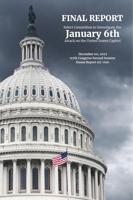
The House Jan. 6 committee released its final report Thursday on the "unimaginable" 2021 attack on the U.S. Capitol, a mob assault by supporters of the defeated president, Donald Trump, that shook the nation and exposed the fragility of American democracy.
The 814-page account provides a gripping narrative of Trump's monthslong effort to overturn the 2020 presidential election, and spells out 11 recommendations for Congress and others to consider to bolster the nation's institutions against any future attempts to incite insurrection.
From the "Big Lie" of Trump's November 2020 election night claims of a stolen election to the bloody Jan. 6, 2021, siege, the report spells out the start and finish of the mob attack that played out for the world to see.
It details how Trump and his allies engaged in a "multi-part" scheme to overturn Joe Biden's presidential election victory — first through court challenges, then, when those failed, by compiling slates of electors to challenge Joe Biden's victory.
As Congress prepared to convene Jan. 6 to certify the election, Trump summoned a mob to Washington for his "Stop the Steal" rally at the White House.
"When Donald Trump pointed them toward the Capitol and told them to 'fight like hell,' that's exactly what they did," Thompson wrote. "Donald Trump lit that fire. But in the weeks beforehand, the kindling he ultimately ignited was amassed in plain sight."
House Select Committee via AP
2. New details, pressures
After blockbuster public hearings, the report and its accompanying materials are providing more detailed accounts of key aspects of the Trump team's plan to overturn the election, join the mob at the Capitol and, once the committee began investigating, pressure those who would testify against him.
Among dozens of new witness transcripts was Thursday's release of a previously unseen account from former White House aide Cassidy Hutchinson (pictured) detailing a stunning campaign by Trump's allies encouraging her to stay "loyal" as she testified before the panel.
The report said the committee estimates that in the two months between the November election and the Jan. 6 attack, "Trump or his inner circle engaged in at least 200 apparent acts of public or private outreach, pressure, or condemnation, targeting either State legislators or State or local election administrators, to overturn State election results."
AP file
3. Behind the scenes
The report also details Trump's inaction as his loyalists were violently storming the building.
One Secret Service employee testified to the committee that Trump's determination to go to the Capitol put agents on high alert.
"(We) all knew ... that this was going to move to something else if he physically walked to the Capitol," a unidentified employee said. "I don't know if you want to use the word 'insurrection,' 'coup,' whatever. We all knew that this would move from a normal democratic ... public event into something else."
Once the president arrived back at the White House after delivering a speech to his supporters, he asked an employee if they had seen his remarks on television.
"Sir, they cut it off because they're rioting down at the Capitol," the staffer said, according to the report.
Trump asked what that meant, and was given the same answer. "Oh really?" Trump then asked. "All right, let's go see."
House Select Committee via AP
4. Safeguarding democracy
The report makes 11 recommendations for Congress and others to safeguard American democracy and its tradition of the peaceful transfer of presidential power from one leader to the next.
The first, an overhaul of the Electoral Count Act, is on its way to becoming law in the year-end spending bill heading toward final passage this week in Congress.
The committee also made recommendations to the Justice Department to prosecute Trump and others for conspiracy to commit fraud on the public, and other potential charges. It also referred the former president for prosecution for "assisting and providing aid and comfort to an insurrection."
Other changes may be within reach or prove more elusive. Among them, the report recommends beefing up security around key congressional events, overhauling oversight of the Capitol Police and enhancing federal penalties for certain types of threats against election workers.
One recommendation is for Congress to create a formal mechanism to consider barring individuals from public office if they engage in insurrection or rebellion under the Fourteenth Amendment. It holds that those who have taken an oath to support the Constitution can be disqualified from holding future federal or state office if they back an insurrection.
AP
5. Record for history
The Jan. 6 committee was created after Congress rebuked an effort to form an independent 9/11-style commission to investigate the Capitol attack. Republicans blocked the idea.
Instead, Speaker Nancy Pelosi led the House to form the committee. In her foreword to the report, she said it "must be a clarion call to all Americans: to vigilantly guard our Democracy."
Led by Thompson and Vice Chair Liz Cheney, R-Wyo., the panel's work is intended to stand as a record for history of what happened during the most serious attack on the Capitol since the War of 1812.
Five people died in the riot and its aftermath, including Ashli Babbitt, a Trump supporter shot and killed by police, and Brian Sicknick, a police officer who died the day after battling the mob.
Cheney noted the committee decided most of its witnesses needed to be Republicans — the president's own team and allies. In the report's foreword, she wrote that history will remember the "bravery of a handful of Americans" and those who withstood Trump's "corrupt pressure."
For all of them, the committee and report held personal weight.
Thompson, a Black leader in Congress, noted that the iconic U.S. Capitol, built with enslaved labor, "itself is a fixture in our country's history, of both good and bad ... a symbol of our journey toward a more perfect union."
AP file
kAmk6>mkDEC@?8m#625 E96 7F== DE@CJ @? E96 y2?] e C6A@CE 96C6ik^DEC@?8mk^6>mk^Am
kAmYYYk^Am
11 searing moments of Jan. 6: From 'an attempted coup' to chaos
'An attempted coup'
The first hearing, aired in prime time and watched by more than 20 million viewers, set the stage for the next seven.
It laid out the conclusion that the panel would come back to in every hearing: that Trump conspired to overturn his own defeat, taking actions that sparked the violent insurrection at the Capitol on Jan. 6, 2021, when hundreds of his supporters beat police and broke through windows and doors to interrupt the certification of Biden’s victory.
“January 6th was the culmination of an attempted coup, a brazen attempt, as one rioter put it shortly after January 6th, to overthrow the government,” said the committee chairman, Rep. Bennie Thompson, D-Miss. “The violence was no accident. It represents seeing Trump’s last stand, most desperate chance to halt the transfer of power.”
AP file
'Carnage' at the Capitol
Capitol Police Officer Caroline Edwards (pictured), one of two witnesses at the first hearing, described what she saw outside the Capitol on Jan. 6 as a “war scene.” As some Republicans, including Trump, have tried to play down the violence of the insurrection, calling it “peaceful,” Edwards recalled the brutality she experienced on the front lines. She suffered a traumatic head injury that day as some of the first protesters barreled through the flimsy bike rack barriers that she and other officers were trying to hold.
“I couldn’t believe my eyes,” Edwards testified. “There were officers on the ground. You know, they were bleeding. They were throwing up. … It was carnage. It was chaos.”
AP file
'Detached from reality'
The committee has used clips of its interview with former Attorney General Bill Barr (pictured) in almost every hearing, showing the public over and over his definitive statements that the election was not stolen by Biden — and Barr's description of Trump’s resistance as he told the president the truth.
At the second hearing, the committee showed a clip of Barr recalling how he told Trump to his face that the Justice Department had found no evidence of the widespread voter fraud that Trump was claiming. Barr said he thought Trump had become “detached from reality” if he really believed his own theories and said there was “never an indication of interest in what the actual facts were.”
“And my opinion then and my opinion now is that the election was not stolen by fraud and I haven’t seen anything since the election that changes my mind on that,” Barr said.
AP file
A tense conversation
One question going into the hearings was what Trump and Vice President Mike Pence talked about in a phone call the morning of Jan. 6. The conversation came after Trump had pressured his vice president for weeks to try and somehow object or delay as he presided over Biden’s certification. Pence firmly resisted and would gavel down Trump's defeat — and his own — in the early hours of Jan. 7, after rioters had been cleared from the Capitol.
While only Trump and Pence were on the Jan. 6 call, White House aides filled in some details at the committee’s third hearing by recounting what they heard Trump say on his end of the line.
“Wimp is the word I remember,” said former Trump aide Nicholas Luna. “You’re not tough enough,” recalled Keith Kellogg, Pence’s national security adviser. “It became heated” after starting out in a calmer tone, said White House lawyer Eric Herschmann.
“It was a different tone than I’d heard him take with the vice president before,” said Ivanka Trump.
HOGP
40 feet away
Encouraged by Trump’s tweet, after the attack had started, that Pence “didn’t have the courage to do what should have been done,” rioters at the Capitol singled out the vice president. Many chanted “Hang Mike Pence!” as they moved through the building. Pence evacuated the Senate just minutes before the chamber was breached, and later was rushed to safety as rioters were just 40 feet away.
Greg Jacob, the president’s lawyer, testified at the third hearing and said he had not known they were that close.
Jacob said Secret Service agents wanted them to leave the building but Pence refused to get in the car. “The vice president didn’t want to take any chance” that the world would see him leaving the Capitol, Jacob said.
AP file
'I will not break my oath'
At the committee’s fourth hearing, state officials detailed the extraordinary pressure the president put on them to overturn their states’ legitimate and certified results. Rusty Bowers (pictured), Arizona’s House speaker, told the committee how Trump asked him directly to appoint alternate electors, falsely stating that he had won the state of Arizona and not Biden.
Bowers detailed additional calls with Trump lawyer Rudy Giuliani. “I will not do it,” Bowers told him, adding: “You are asking me to do something against my oath, and I will not break my oath.”
AP file
Lives upended
Georgia election workers Wandrea “Shaye” Moss (left) and her mother, Ruby Freeman, also testified in the fourth hearing, describing constant threats after Trump and his allies spread false rumors that they introduced suitcases of illegal ballots and committed other acts of election fraud. The Justice Department debunked those claims.
The two women said they had their lives upended by Trump’s false claims and his efforts to go after them personally. Through tears, Moss told lawmakers that she no longer leaves her house.
In videotaped testimony, Freeman said there is “nowhere I feel safe” after the harassment she experienced.
AP file
Justice Department resists the scheme
When his efforts to overturn his defeat failed in the courts and in the states, Trump turned his focus to the leadership of the Justice Department.
Richard Donoghue (right), the acting No. 2 at the time, testified about his resistance to entreaties by another department official, Jeffrey Clark, who was circulating a draft letter recommending that battleground states reconsider the election results. Trump at one point floated replacing then-acting Attorney General Jeffrey Rosen (center) with Clark, but backed down after Donoghue and others threatened to resign.
“For the department to insert itself into the political process this way, I think would have had grave consequences for the country,” Donoghue testified. “It may very well have spiraled us into a constitutional crisis.”
AP file
'They're not here to hurt me'
In a surprise sixth hearing, former White House aide Cassidy Hutchinson (pictured) recounted some of Trump’s actions on Jan. 6, including his dismissive response when told that some in the crowd waiting for him to speak outside the White House were armed.
“I was in the vicinity of a conversation where I overheard the president say something to the effect of, ‘I don’t effing care that they have weapons,’” Hutchinson said. “'They’re not here to hurt me. Take the effin’ mags away. Let my people in. They can march to the Capitol from here.'”
Upset that the crowd didn’t appear larger, Trump told his aides to take the metal-detecting magnetometers away. In the coming hours, he would step on the stage and tell them to “fight like hell.”
Hutchinson also described Trump’s anger after security officials told him he couldn’t go to the Capitol with his supporters after he had told them he would. She said she was told that the president even grabbed the steering wheel in the presidential SUV when he was told he couldn’t go.
For the president to have visited the Capitol during Biden’s certification, and as his supporters descended on the building, would have been unprecedented.
AP file
'Unhinged' White House meeting
At its seventh hearing, the committee painstakingly reconstructed a Dec. 18 meeting at the White House where outside advisers to Trump pushing election fraud claims clashed with White House lawyers and others who were telling him to give up the fight.
The six-hour meeting featured profanity, screaming and threats of fisticuffs, according to the participants, as Trump lawyer Sidney Powell and others threw out conspiracy theories, including that the Democrats were working with Venezuelans and that voting machines were hacked. Pat Cipollone (pictured), the top White House lawyer, testified that he kept asking for evidence, to no avail.
Hours later, at 1:42 a.m., Trump sent a tweet urging supporters to come for a “big protest” on Jan. 6: “Will be wild,” Trump promised.
AP file
187 minutes
The final hearing focused on what Trump was doing for 187 minutes that afternoon, between his speech at the rally and when he finally released a video telling the rioters to go home at 4:17 p.m.
They showed that Trump was sitting at a dining room table near the Oval Office, watching Fox News coverage of the violence. But he made no calls for help — not to the Defense Department, the Homeland Security Department or the attorney general — even as his aides repeatedly told him to call it off.
In the video released at 4:17 p.m., as some of the worst of the fighting was still happening down the street, Trump told rioters to go home but said they were “very special.”
The committee showed never-before-seen outtakes of a speech Trump released on Jan. 7 in which he condemned the violence and promised an orderly transition of power. But he bristled at one line in the prepared script, telling his daughter Ivanka Trump and others in the room, “I don’t want to say the election is over.”
AP file
'Carnage' at the Capitol
Capitol Police Officer Caroline Edwards (pictured), one of two witnesses at the first hearing, described what she saw outside the Capitol on Jan. 6 as a “war scene.” As some Republicans, including Trump, have tried to play down the violence of the insurrection, calling it “peaceful,” Edwards recalled the brutality she experienced on the front lines. She suffered a traumatic head injury that day as some of the first protesters barreled through the flimsy bike rack barriers that she and other officers were trying to hold.
“I couldn’t believe my eyes,” Edwards testified. “There were officers on the ground. You know, they were bleeding. They were throwing up. … It was carnage. It was chaos.”
AP file
A tense conversation
One question going into the hearings was what Trump and Vice President Mike Pence talked about in a phone call the morning of Jan. 6. The conversation came after Trump had pressured his vice president for weeks to try and somehow object or delay as he presided over Biden’s certification. Pence firmly resisted and would gavel down Trump's defeat — and his own — in the early hours of Jan. 7, after rioters had been cleared from the Capitol.
While only Trump and Pence were on the Jan. 6 call, White House aides filled in some details at the committee’s third hearing by recounting what they heard Trump say on his end of the line.
“Wimp is the word I remember,” said former Trump aide Nicholas Luna. “You’re not tough enough,” recalled Keith Kellogg, Pence’s national security adviser. “It became heated” after starting out in a calmer tone, said White House lawyer Eric Herschmann.
“It was a different tone than I’d heard him take with the vice president before,” said Ivanka Trump.
HOGP
40 feet away
Encouraged by Trump’s tweet, after the attack had started, that Pence “didn’t have the courage to do what should have been done,” rioters at the Capitol singled out the vice president. Many chanted “Hang Mike Pence!” as they moved through the building. Pence evacuated the Senate just minutes before the chamber was breached, and later was rushed to safety as rioters were just 40 feet away.
Greg Jacob, the president’s lawyer, testified at the third hearing and said he had not known they were that close.
Jacob said Secret Service agents wanted them to leave the building but Pence refused to get in the car. “The vice president didn’t want to take any chance” that the world would see him leaving the Capitol, Jacob said.
AP file
Justice Department resists the scheme
When his efforts to overturn his defeat failed in the courts and in the states, Trump turned his focus to the leadership of the Justice Department.
Richard Donoghue (right), the acting No. 2 at the time, testified about his resistance to entreaties by another department official, Jeffrey Clark, who was circulating a draft letter recommending that battleground states reconsider the election results. Trump at one point floated replacing then-acting Attorney General Jeffrey Rosen (center) with Clark, but backed down after Donoghue and others threatened to resign.
“For the department to insert itself into the political process this way, I think would have had grave consequences for the country,” Donoghue testified. “It may very well have spiraled us into a constitutional crisis.”
AP file
187 minutes
The final hearing focused on what Trump was doing for 187 minutes that afternoon, between his speech at the rally and when he finally released a video telling the rioters to go home at 4:17 p.m.
They showed that Trump was sitting at a dining room table near the Oval Office, watching Fox News coverage of the violence. But he made no calls for help — not to the Defense Department, the Homeland Security Department or the attorney general — even as his aides repeatedly told him to call it off.
In the video released at 4:17 p.m., as some of the worst of the fighting was still happening down the street, Trump told rioters to go home but said they were “very special.”
The committee showed never-before-seen outtakes of a speech Trump released on Jan. 7 in which he condemned the violence and promised an orderly transition of power. But he bristled at one line in the prepared script, telling his daughter Ivanka Trump and others in the room, “I don’t want to say the election is over.”
AP file
'An attempted coup'
The first hearing, aired in prime time and watched by more than 20 million viewers, set the stage for the next seven.
It laid out the conclusion that the panel would come back to in every hearing: that Trump conspired to overturn his own defeat, taking actions that sparked the violent insurrection at the Capitol on Jan. 6, 2021, when hundreds of his supporters beat police and broke through windows and doors to interrupt the certification of Biden’s victory.
“January 6th was the culmination of an attempted coup, a brazen attempt, as one rioter put it shortly after January 6th, to overthrow the government,” said the committee chairman, Rep. Bennie Thompson, D-Miss. “The violence was no accident. It represents seeing Trump’s last stand, most desperate chance to halt the transfer of power.”
AP file
'Detached from reality'
The committee has used clips of its interview with former Attorney General Bill Barr (pictured) in almost every hearing, showing the public over and over his definitive statements that the election was not stolen by Biden — and Barr's description of Trump’s resistance as he told the president the truth.
At the second hearing, the committee showed a clip of Barr recalling how he told Trump to his face that the Justice Department had found no evidence of the widespread voter fraud that Trump was claiming. Barr said he thought Trump had become “detached from reality” if he really believed his own theories and said there was “never an indication of interest in what the actual facts were.”
“And my opinion then and my opinion now is that the election was not stolen by fraud and I haven’t seen anything since the election that changes my mind on that,” Barr said.
AP file
'I will not break my oath'
At the committee’s fourth hearing, state officials detailed the extraordinary pressure the president put on them to overturn their states’ legitimate and certified results. Rusty Bowers (pictured), Arizona’s House speaker, told the committee how Trump asked him directly to appoint alternate electors, falsely stating that he had won the state of Arizona and not Biden.
Bowers detailed additional calls with Trump lawyer Rudy Giuliani. “I will not do it,” Bowers told him, adding: “You are asking me to do something against my oath, and I will not break my oath.”
AP file
Lives upended
Georgia election workers Wandrea “Shaye” Moss (left) and her mother, Ruby Freeman, also testified in the fourth hearing, describing constant threats after Trump and his allies spread false rumors that they introduced suitcases of illegal ballots and committed other acts of election fraud. The Justice Department debunked those claims.
The two women said they had their lives upended by Trump’s false claims and his efforts to go after them personally. Through tears, Moss told lawmakers that she no longer leaves her house.
In videotaped testimony, Freeman said there is “nowhere I feel safe” after the harassment she experienced.
AP file
'They're not here to hurt me'
In a surprise sixth hearing, former White House aide Cassidy Hutchinson (pictured) recounted some of Trump’s actions on Jan. 6, including his dismissive response when told that some in the crowd waiting for him to speak outside the White House were armed.
“I was in the vicinity of a conversation where I overheard the president say something to the effect of, ‘I don’t effing care that they have weapons,’” Hutchinson said. “'They’re not here to hurt me. Take the effin’ mags away. Let my people in. They can march to the Capitol from here.'”
Upset that the crowd didn’t appear larger, Trump told his aides to take the metal-detecting magnetometers away. In the coming hours, he would step on the stage and tell them to “fight like hell.”
Hutchinson also described Trump’s anger after security officials told him he couldn’t go to the Capitol with his supporters after he had told them he would. She said she was told that the president even grabbed the steering wheel in the presidential SUV when he was told he couldn’t go.
For the president to have visited the Capitol during Biden’s certification, and as his supporters descended on the building, would have been unprecedented.
AP file
'Unhinged' White House meeting
At its seventh hearing, the committee painstakingly reconstructed a Dec. 18 meeting at the White House where outside advisers to Trump pushing election fraud claims clashed with White House lawyers and others who were telling him to give up the fight.
The six-hour meeting featured profanity, screaming and threats of fisticuffs, according to the participants, as Trump lawyer Sidney Powell and others threw out conspiracy theories, including that the Democrats were working with Venezuelans and that voting machines were hacked. Pat Cipollone (pictured), the top White House lawyer, testified that he kept asking for evidence, to no avail.
Hours later, at 1:42 a.m., Trump sent a tweet urging supporters to come for a “big protest” on Jan. 6: “Will be wild,” Trump promised.