
Since she escaped from Afghanistan to Wisconsin more than three years ago, Zahra Hakimi has experienced a brightness to her life that would have been stripped from her had she stayed in her native country.

Zahra Hakimi escaped Afghanistan in August 2021 and found temporary refuge at Fort McCoy, a military base in western Wisconsin that housed 13,000 Afghan refugees. Now, Hakimi is studying computer science at Arizona State University.
People are also reading…

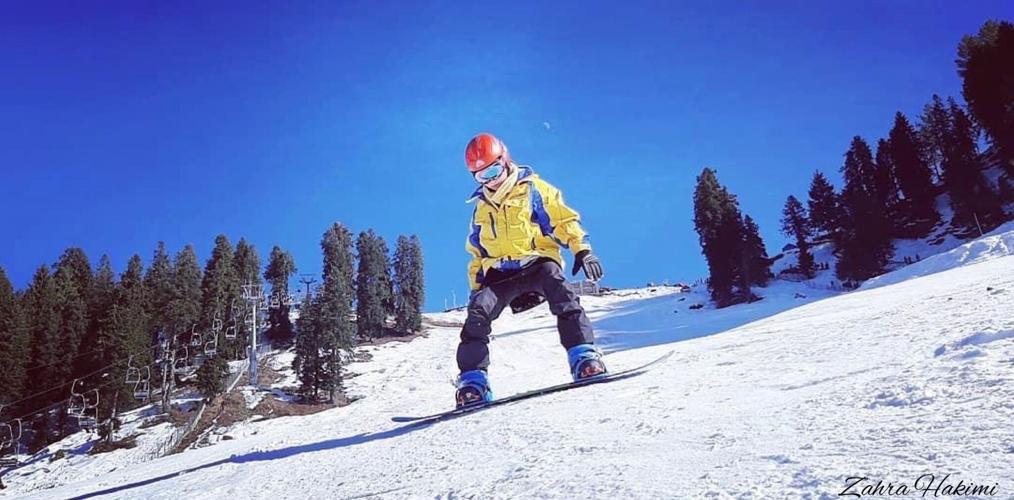
Zahra Hakimi snowboards during the Pakistan International Snowboarding Open Cup in January 2021 before she came to the U.S. After leaving Fort McCoy, she was able to snowboard briefly in Utah while a family hosted her there, but she left the state to focus on her college education.

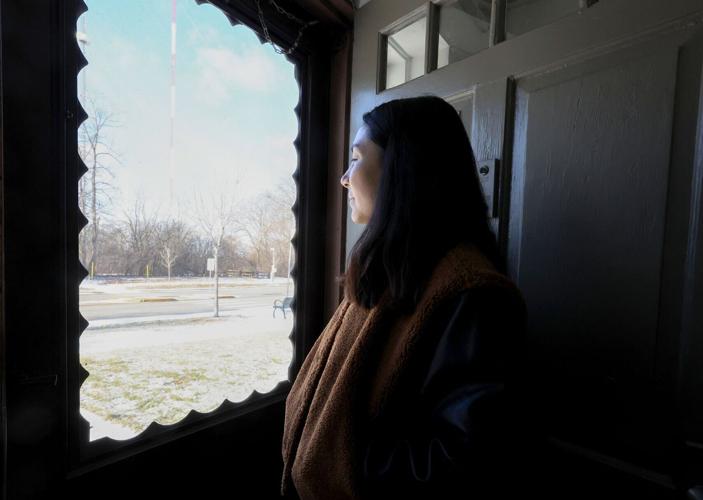
A 24-year-old woman from Afghanistan resettled in the Milwaukee area after leaving Fort McCoy military base. She has struggled to afford her living expenses while providing for her family abroad, but she appreciates her newfound independence in the United States. The woman, who asked not to be identified to protect her family in Afghanistan, lives in Shorewood.

A 24-year-old University of Wisconsin-Milwaukee student was among a group of about 150 students from the Asian American University for Women who made a treacherous escape from Afghanistan in August 2021. She says she wishes she could forget the sleepless nights she experienced while trying to get out through the Kabul airport, the sounds of the bombs and guns that went off around her, and the voices of the Taliban men who threatened her classmates, but "you always remember."

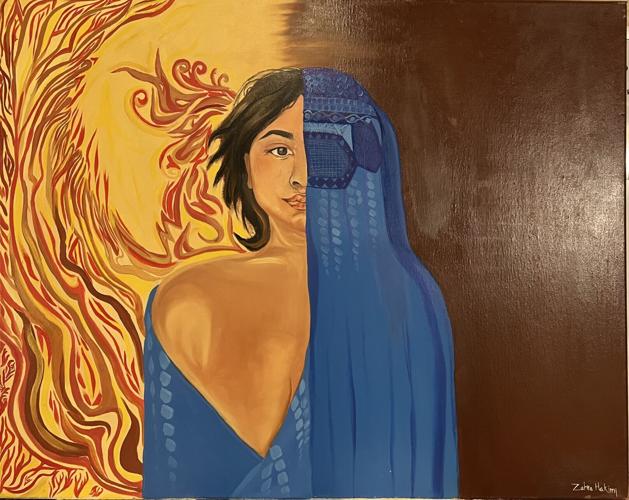
Zahra Hakimi painted this piece titled "Rise from Ashes," depicting one woman with two different life paths. On one side, the woman is surrounded by shadow, her face covered with a burqa. On the other side, "there's happiness, there's brightness and there's a Phoenix," Hakimi explains. Hakimi's art portfolio can be found online at go.madison.com/hakimi.

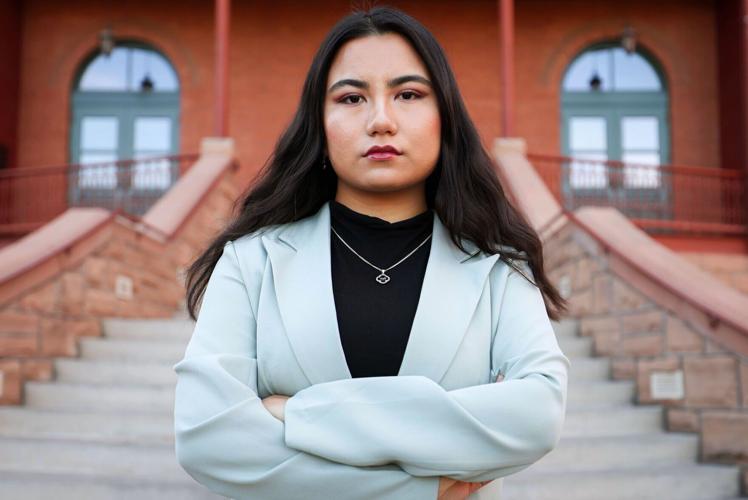
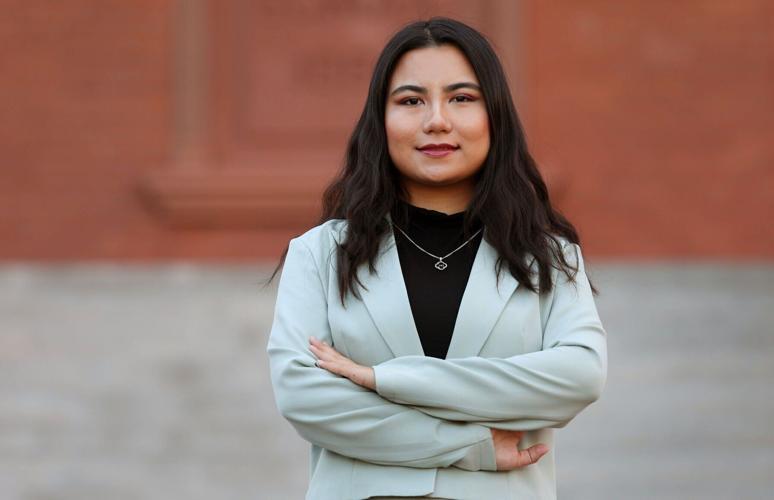
Zahra Hakimi escaped Afghanistan in August 2021 and stayed temporarily at Wisconsin's Fort McCoy military base before resettling to Arizona. She is a snowboarder, runner, painter, human rights advocate and now a student at Arizona State University. She is pictured here on campus outside of Old Main, 1151 South Forest Avenue, Tempe, Ariz., Dec. 14, 2024.

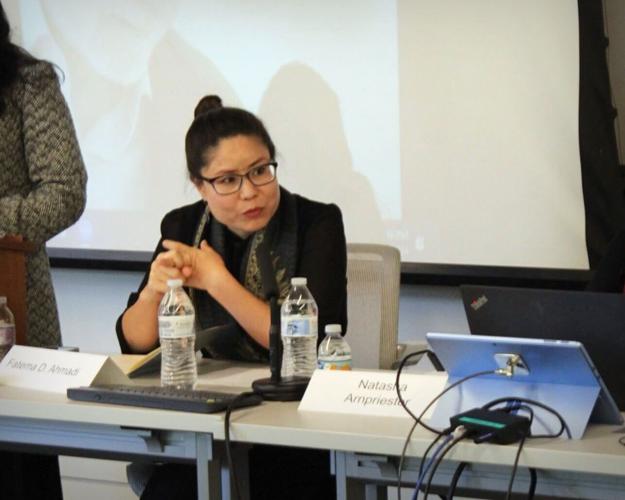
Fatema D. Ahmadi answers questions during a panel discussion about the status of women's rights in Afghanistan at American University Washington College of Law in Washington D.C., in October.

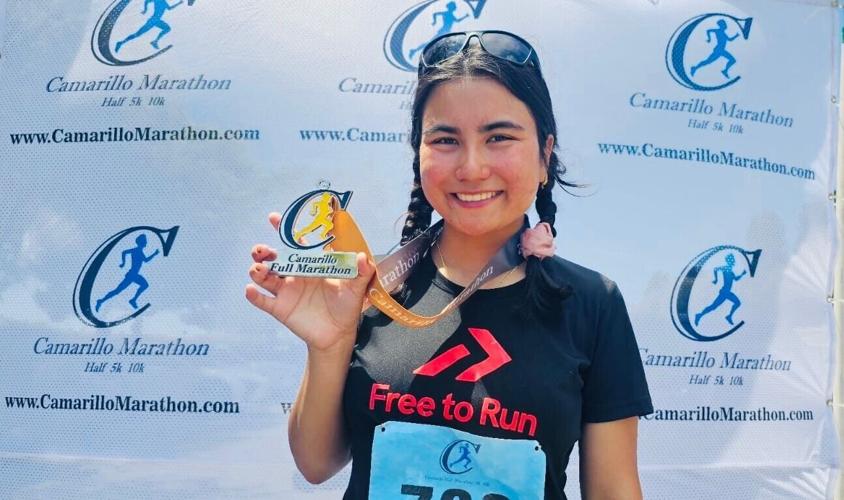
Zahra Hakimi holds up a medal for a marathon she ran to support Free to Run in Camarillo, California in 2024. She has also run marathons for Free to Run in Arizona and New York.
Emily Hamer's favorite stories of 2021 include coverage of Afghan refugees, criminal justice
Criminal justice and county government reporter Emily Hamer is most proud of her coverage of the arrival of roughly 13,000 Afghan refugees at a military base in Wisconsin.
Earlier this year, she also exposed concerning conditions within the state prison system during COVID-19 outbreaks last fall, including that some prisoners were put in the same cells as those who were exposed to the virus. She also explored the lasting mark the pandemic has left on the criminal justice system.

Young Afghan women in Wisconsin share hopes and fears after a treacherous escape from Afghanistan, where they would have had "no rights, no ed…

Guards and inmates tell of frustrations with how Kettle Moraine prison handled a COVID-19 outbreak that exploded to more than 870 cases.

"There are many people who don’t have anything to wear, anything to eat," one Afghan woman said of the conditions at Fort McCoy in September.

The COVID-19 pandemic upended the entire criminal justice system, leading to system-wide reform. But are the changes sustainable?

"Two of them have a big hole," Baber Shah Dorani said of his teeth. But the young Afghan man couldn't see the dentist for weeks in October.

Young Afghan women in Wisconsin share hopes and fears after a treacherous escape from Afghanistan, where they would have had "no rights, no ed…

Guards and inmates tell of frustrations with how Kettle Moraine prison handled a COVID-19 outbreak that exploded to more than 870 cases.

"There are many people who don’t have anything to wear, anything to eat," one Afghan woman said of the conditions at Fort McCoy in September.

The COVID-19 pandemic upended the entire criminal justice system, leading to system-wide reform. But are the changes sustainable?

"Two of them have a big hole," Baber Shah Dorani said of his teeth. But the young Afghan man couldn't see the dentist for weeks in October.