
WASHINGTON — In an afternoon's walk through the Smithsonian's National Museum of American History, objects around every corner invite one question: What could possibly be more American than this?
People are also reading…
- Cheese shop owner following in family’s 100-year tradition
- Lake Geneva approves contract with communications firm
- Lake Geneva holds off voting on proposed trolley program
- City administrator presents update on Highway 50 project
- 'Modzilla' to strike the Fontana-on-Geneva Lake area
- Restaurant review: The Del-Bar earns its prime reputation
- Bobcat stalks and strikes Wisconsin turkey hunter
- Lake Geneva school districts name teachers of the year
- Woman dies when she falls into propeller in Lake Geneva boating accident
- Unconfirmed tornado in Marathon County damages 75 homes, no injuries reported
- Williams Bay approves to establish tourism commission
- Moira Jean Menninga
- Badger baseball and softball teams post wins, girls soccer suffers 1-0 loss
- 4 observations from Wisconsin football's 12 spring practice
- Walworth County to conduct vegetation management this spring
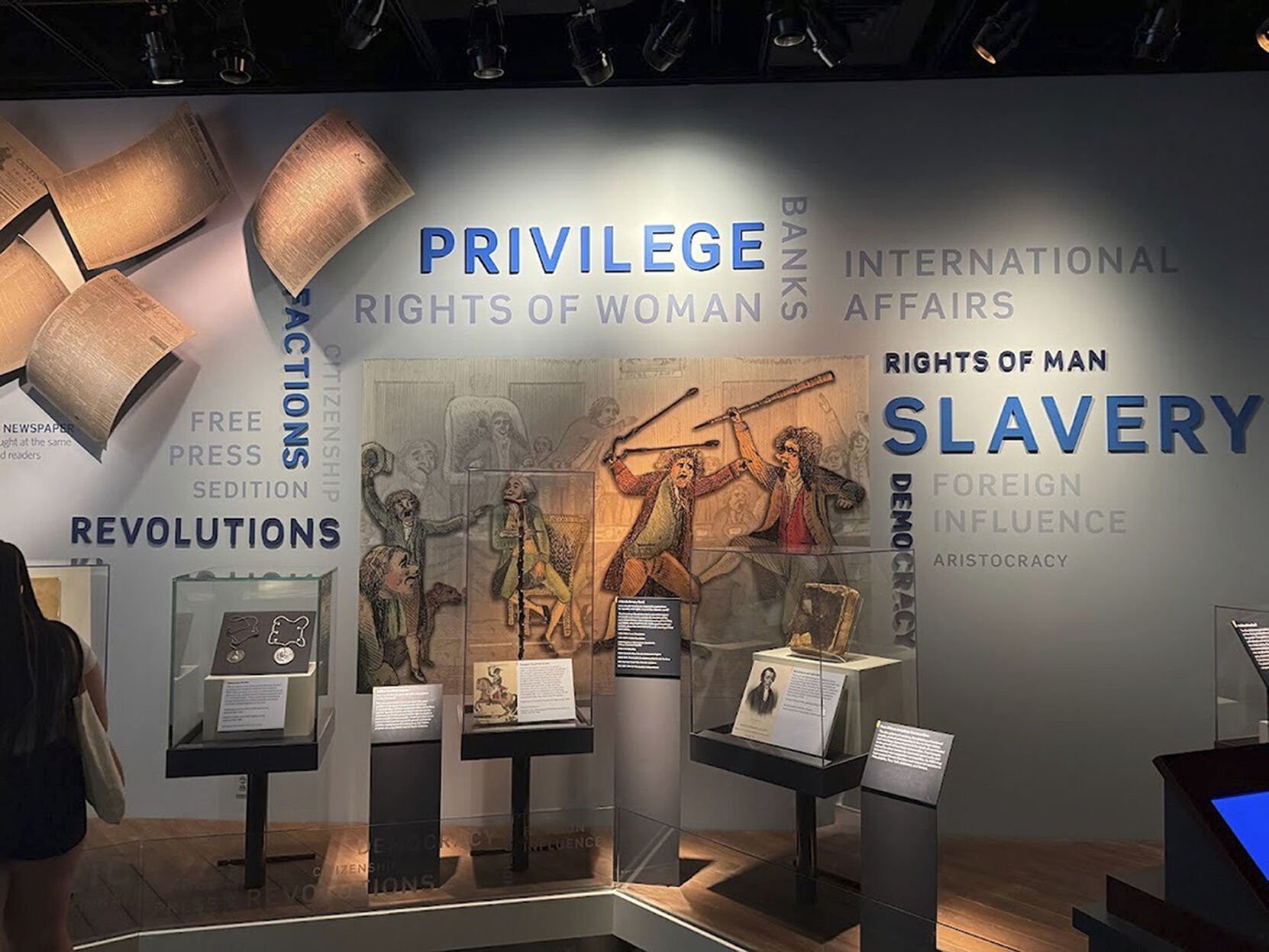
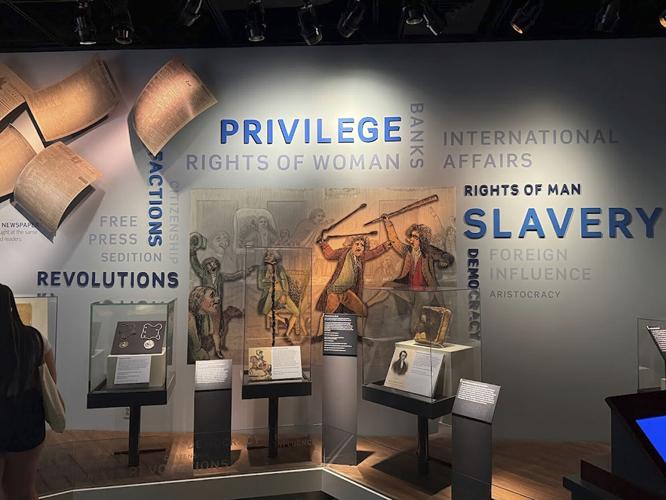
This wall in the “Great Debate” section of a democracy exhibit is seen Aug. 26 at the National Museum of American History in Washington.
Calvin Woodward, Associated Press
Protest signs from a selection of historic demonstrations are displayed Aug. 13 at the Smithsonian’s National Museum of American History in Washington, representing the causes of anti-war and civil rights activists, the tea party, farmers and other populist movements.
River Zhang, Associated Press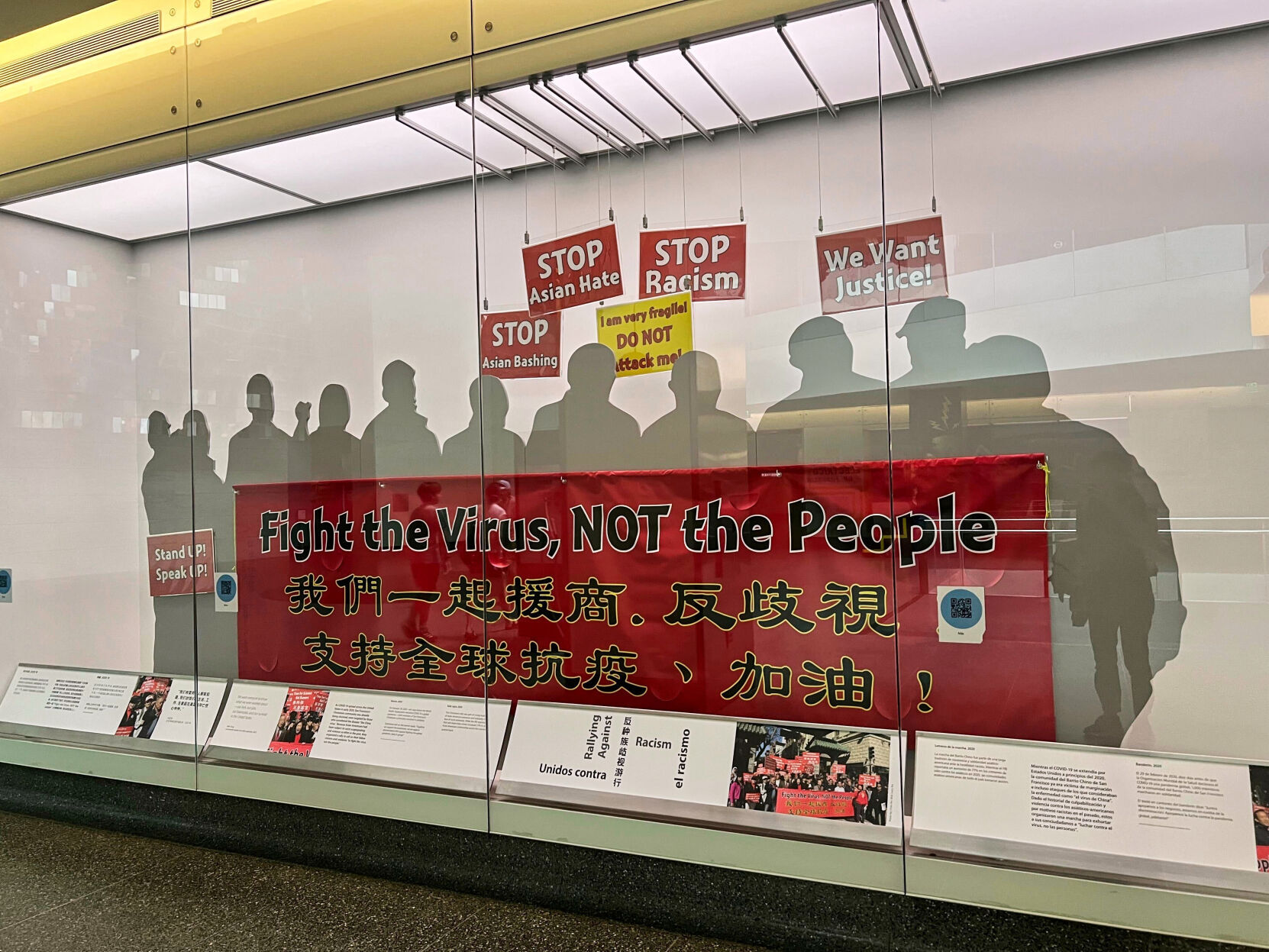
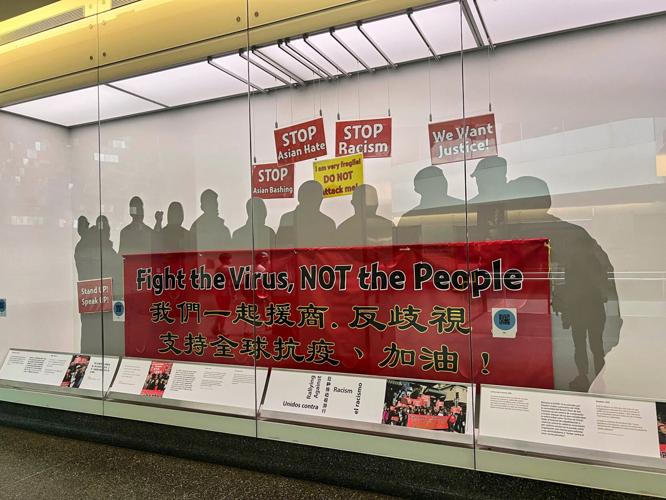
A “Fight the Virus, Not the People” COVID-19 banner, which was carried by counter-protesters at an anti-Asian hate march in San Francisco in February 2020, is displayed Aug. 13 at the museum.
River Zhang, Associated Press
The White House is ordering a review of the Smithsonian museums to align content with President Donald Trump's interpretation of American history.
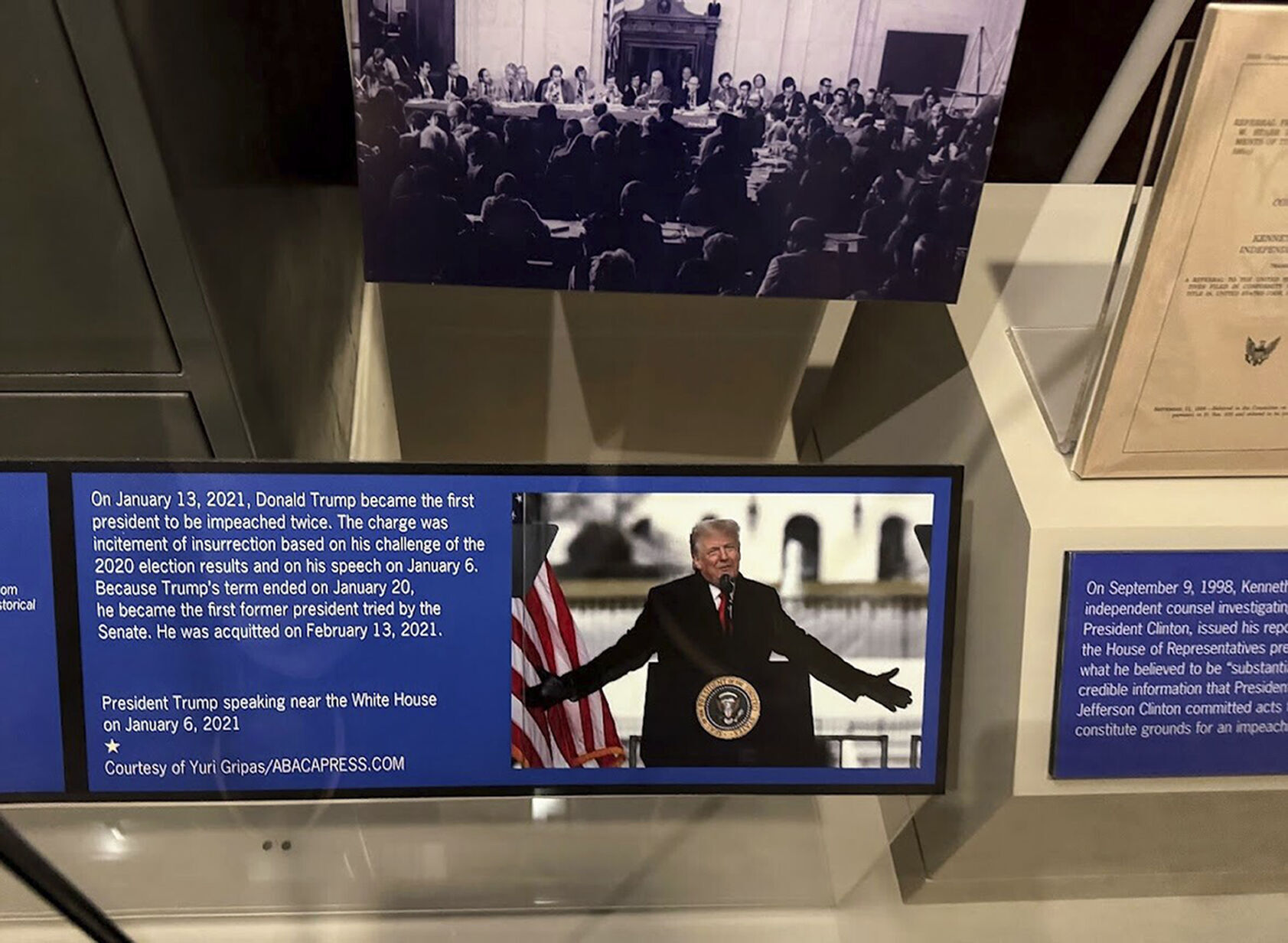
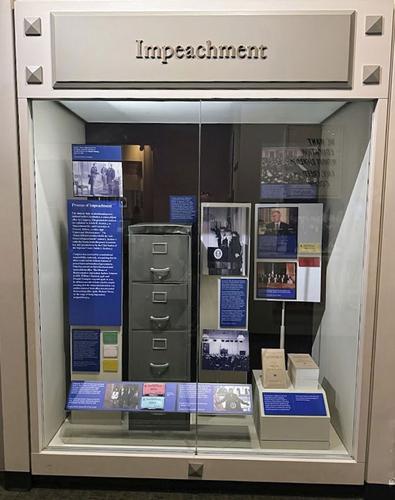
A new sign is displayed Aug. 26 at the presidential impeachment exhibit at the museum in Washington, describing the counts against President Donald Trump in his second impeachment trial.
Calvin Woodward, Associated Press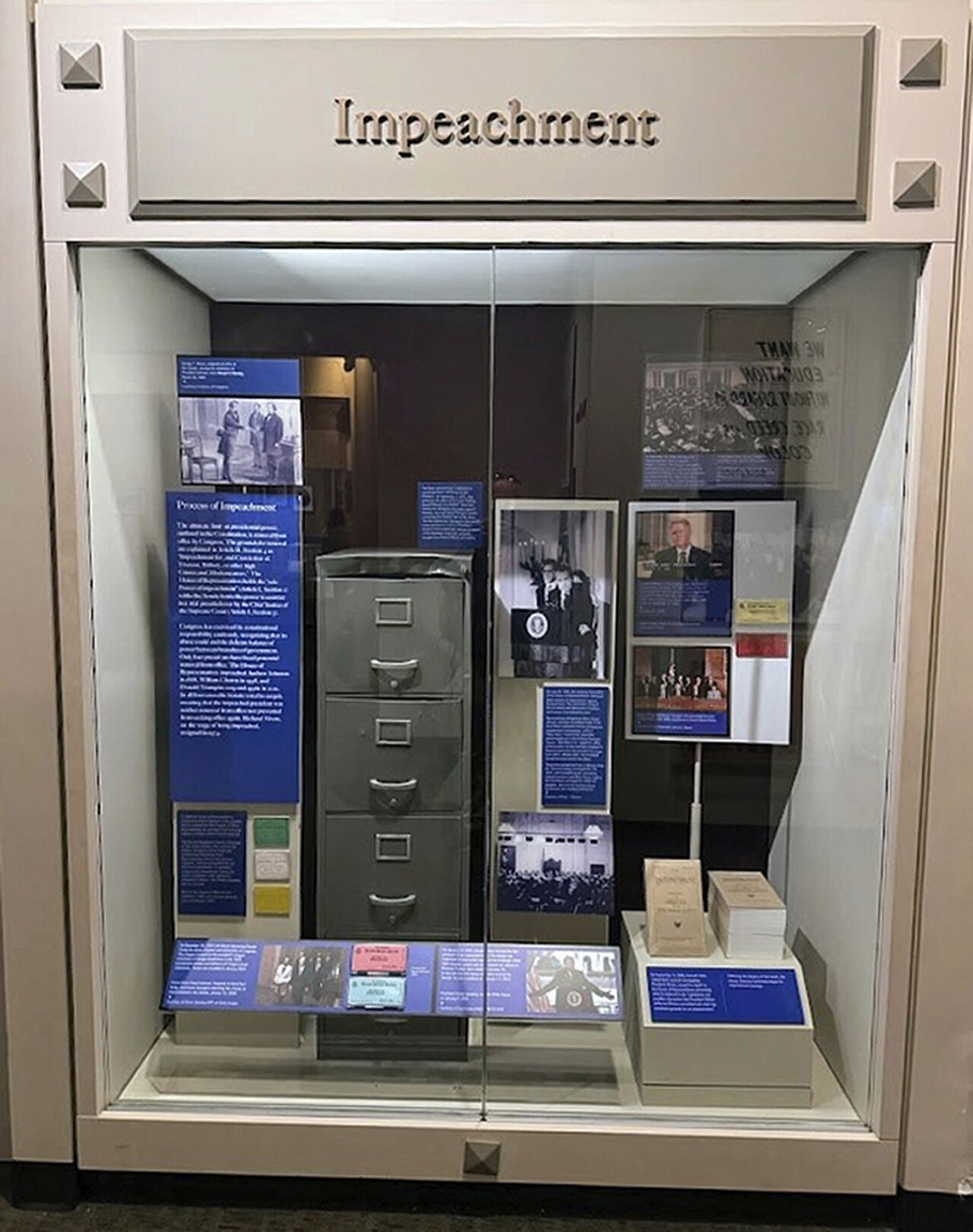
An updated display at the museum, seen Aug. 26, traces the history of presidential impeachments.
Calvin Woodward, Associated Press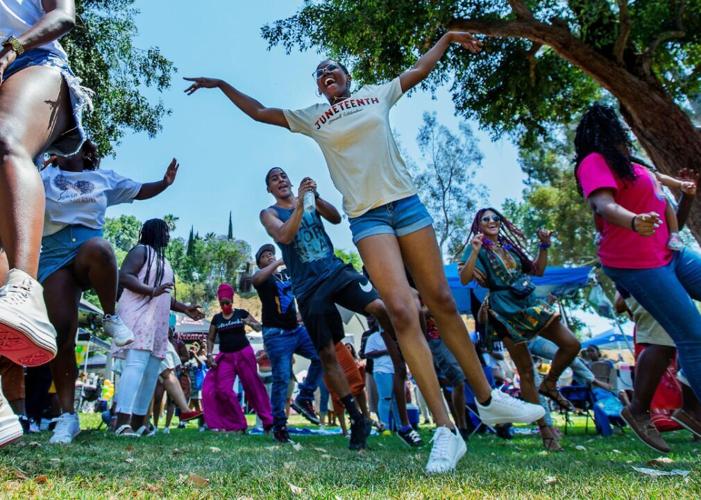
Juneteenth—also known as Emancipation Day, Freedom Day, or the country’s second Independence Day—stands as an enduring symbol of Black American freedom.
When Maj. Gen. Gordon Granger and fellow federal soldiers arrived in Galveston, a coastal town on Texas’ Galveston Island, on June 19, 1865, it was to issue orders for the emancipation of enslaved people throughout the state.
- Terry Pierson, The Press-Enterprise/SCNG via Getty Images
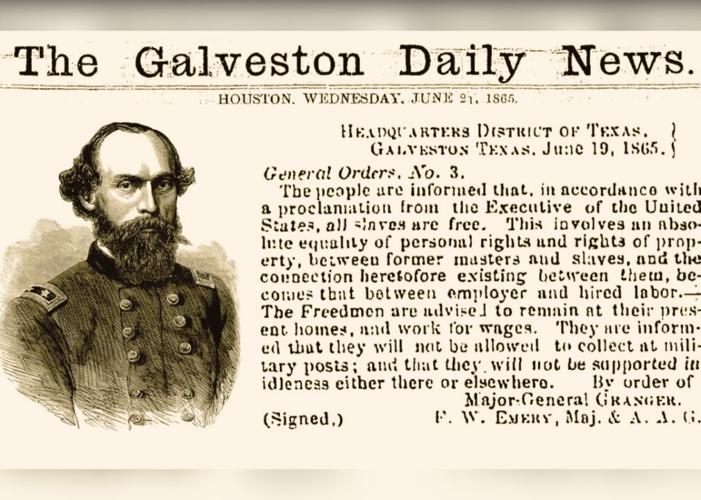
Maj. Gen. Granger was given command of the District of Texas following the Civil War’s conclusion, making him an obvious choice for delivering General Order #3.
In its simplest terms, General Order #3 declared that all enslaved people in Texas were free; but the order maintained racist undertones and encouraged enslaved people to stay where they were being held to continue work—this time for wages as free men and women.
- The Galveston Daily News // Wikimeda Commons

The Emancipation Proclamation, signed into law by President Lincoln on Jan. 1, 1863, called for an end to legal slavery in secessionist Confederate states only, impacting about 3.5 million of the 4 million enslaved people in the country at that time. As the war drew to a close and Union soldiers retook territory, enslaved people living in those areas were liberated.
Lincoln’s decision to free only those enslaved individuals in bondage in Confederate states was a strategic, militaristic method, as he notably did not free those enslaved in Union states. Further, the proclamation was unenforceable. Still, Union troops fighting in the war brought news of emancipation along with the military might to enforce it. Many enslaved people were motivated enough by the news to risk fleeing and seek safety in Union states or by joining the U.S. Army and Navy to help fight.
- Theodore Kaufmann // Wikimedia Commons
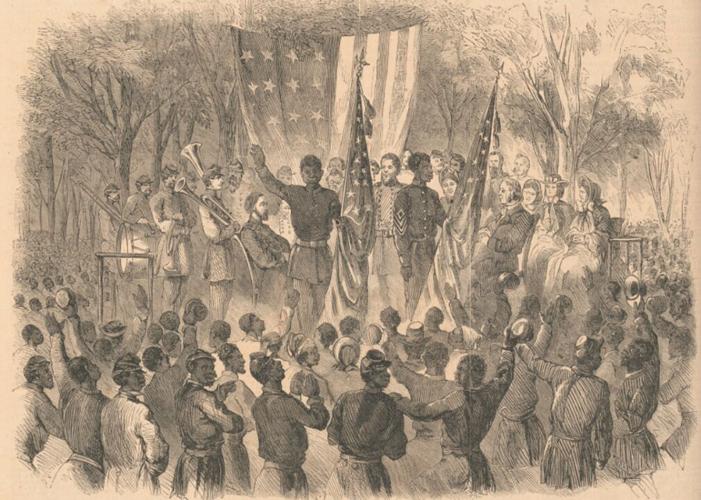
Mixed reactions followed Granger’s proclamation.
Many newly freed people remained on former enslavers’ properties to work for pay, while others immediately fled north or into nearby states like Arkansas, Louisiana, and Oklahoma to reunite with family. As people fanned out around the country, they took Juneteenth celebrations along with them. Formerly enslaved people and their descendants also made yearly pilgrimages back to Galveston to memorialize the date’s significance.
- Frank Leslie’s Illustrated Newspaper // Library of Congress

Formerly enslaved African American ministers and businessmen got together in 1872 to raise the $1,000 necessary to buy 10 acres of land in Houston’s Third and Fourth wards. They called the lot Emancipation Park.
The park was donated to the city of Houston in 1916. In the late 1930s, the Public Works Administration, which was established as part of President Franklin D. Roosevelt’s New Deal, constructed a recreation center and public pool on the park site. The Houston City Council declared the park a protected historic landmark on Nov. 7, 2007.
- Houston Public Library Digital Archives // Wikimedia Commons

In February 2022, Gov. Kristi Noem signed HB 1025 to recognize Juneteenth as a legal holiday.
Hawaii and North Dakota preceded South Dakota by about eight and 10 months, respectively.
- University of North Texas Libraries // Wikimedia Commons

Mexico was a longtime sanctuary for those who escaped chattel slavery, with a Southern Underground Railroad that helped as many as 10,000 people flee bondage. Descendants of enslaved people who also emigrated over the southern border from the U.S. brought with them a tapestry of histories and traditions, including the Juneteenth celebration.
Juneteenth has been celebrated in a small Mexican village called Nacimiento since 1870.
- Interim Archives // Getty Images

The Choctaw Nation of Oklahoma sided with the Confederacy during the Civil War and had members who enslaved Black women, children, and men. Following the Civil War’s conclusion, the Choctaws did not grant those who were enslaved their freedom.
The Treaty of 1866 called for the Choctaws to free the enslaved Africans in exchange for $300,000 paid by the U.S. government to the Choctaws and Choctaw Nation. Many of those liberated chose to stay and live as free people among the tribal communities. More than 100 years later, in 1983, Choctaw voters adopted a tribal constitution that declared all members “shall consist of all Choctaw Indians by blood whose names appear on the original rolls of the Choctaw Nation … and their lineal descendants,” all but expelling Freedmen citizens from citizenship within the tribal community.
- Detroit Publishing Company // Library of Congress

Early Juneteenth celebrations were spent in prayer and with family but eventually expanded to include everything from rodeos and baseball to certain foods like strawberry soda pop and barbecues. Food has long been central to Juneteenth, as participants often all arrive with their own dishes.
Attention for Juneteenth waned in the early 20th century as classroom instruction veered away from the history of enslavement in the U.S. and instead taught that slavery ended in one fell swoop with the Emancipation Proclamation.
- Moab Republic // Shutterstock

Texas was the last Confederate state to free enslaved people from bondage, but it was also the first to make Juneteenth an official state holiday.
The late Texas Rep. Al Edwards put forth a bill in 1979 called HB 1016 that was entered into state law later that year and went into effect on Jan. 1, 1980. It was more than a decade before another state—Florida—passed a similar law of recognition.
- Tamir Kalifa // Getty Images

Juneteenth achieved increasing recognition in recent decades, but the full embrace of the celebration as a national holiday gained momentum around the nation following the murder of George Floyd on May 20, 2020. The resultant Black Lives Matter protests that erupted worldwide in a stance against acts of racial injustice and police brutality spurred corporations nationwide to support Juneteenth as an act of allyship—and things snowballed from there.
The following year, President Joe Biden signed a bill in June 2021 officially declaring Juneteenth a national holiday. Juneteenth was the first new federal holiday since 1983 (MLK Jr. Day) after decades of organizing.
- Drew Angerer // Getty Images

Formerly enslaved African American ministers and businessmen got together in 1872 to raise the $1,000 necessary to buy 10 acres of land in Houston’s Third and Fourth wards. They called the lot Emancipation Park.
The park was donated to the city of Houston in 1916. In the late 1930s, the Public Works Administration, which was established as part of President Franklin D. Roosevelt’s New Deal, constructed a recreation center and public pool on the park site. The Houston City Council declared the park a protected historic landmark on Nov. 7, 2007.
- Houston Public Library Digital Archives // Wikimedia Commons
The history and significance of Juneteenth

The history and significance of Juneteenth
Juneteenth—also known as Emancipation Day, Freedom Day, or the country’s second Independence Day—stands as an enduring symbol of Black American freedom.
When Maj. Gen. Gordon Granger and fellow federal soldiers arrived in Galveston, a coastal town on Texas’ Galveston Island, on June 19, 1865, it was to issue orders for the emancipation of enslaved people throughout the state.
- Terry Pierson, The Press-Enterprise/SCNG via Getty Images
Maj. Gen. Granger was given command of the District of Texas following the Civil War’s conclusion, making him an obvious choice for delivering General Order #3.
In its simplest terms, General Order #3 declared that all enslaved people in Texas were free; but the order maintained racist undertones and encouraged enslaved people to stay where they were being held to continue work—this time for wages as free men and women.
- The Galveston Daily News // Wikimeda Commons
The Emancipation Proclamation, signed into law by President Lincoln on Jan. 1, 1863, called for an end to legal slavery in secessionist Confederate states only, impacting about 3.5 million of the 4 million enslaved people in the country at that time. As the war drew to a close and Union soldiers retook territory, enslaved people living in those areas were liberated.
Lincoln’s decision to free only those enslaved individuals in bondage in Confederate states was a strategic, militaristic method, as he notably did not free those enslaved in Union states. Further, the proclamation was unenforceable. Still, Union troops fighting in the war brought news of emancipation along with the military might to enforce it. Many enslaved people were motivated enough by the news to risk fleeing and seek safety in Union states or by joining the U.S. Army and Navy to help fight.
- Theodore Kaufmann // Wikimedia Commons
Mixed reactions followed Granger’s proclamation.
Many newly freed people remained on former enslavers’ properties to work for pay, while others immediately fled north or into nearby states like Arkansas, Louisiana, and Oklahoma to reunite with family. As people fanned out around the country, they took Juneteenth celebrations along with them. Formerly enslaved people and their descendants also made yearly pilgrimages back to Galveston to memorialize the date’s significance.
- Frank Leslie’s Illustrated Newspaper // Library of Congress
Formerly enslaved African American ministers and businessmen got together in 1872 to raise the $1,000 necessary to buy 10 acres of land in Houston’s Third and Fourth wards. They called the lot Emancipation Park.
The park was donated to the city of Houston in 1916. In the late 1930s, the Public Works Administration, which was established as part of President Franklin D. Roosevelt’s New Deal, constructed a recreation center and public pool on the park site. The Houston City Council declared the park a protected historic landmark on Nov. 7, 2007.
- Houston Public Library Digital Archives // Wikimedia Commons
In February 2022, Gov. Kristi Noem signed HB 1025 to recognize Juneteenth as a legal holiday.
Hawaii and North Dakota preceded South Dakota by about eight and 10 months, respectively.
- University of North Texas Libraries // Wikimedia Commons
Mexico was a longtime sanctuary for those who escaped chattel slavery, with a Southern Underground Railroad that helped as many as 10,000 people flee bondage. Descendants of enslaved people who also emigrated over the southern border from the U.S. brought with them a tapestry of histories and traditions, including the Juneteenth celebration.
Juneteenth has been celebrated in a small Mexican village called Nacimiento since 1870.
- Interim Archives // Getty Images
The Choctaw Nation of Oklahoma sided with the Confederacy during the Civil War and had members who enslaved Black women, children, and men. Following the Civil War’s conclusion, the Choctaws did not grant those who were enslaved their freedom.
The Treaty of 1866 called for the Choctaws to free the enslaved Africans in exchange for $300,000 paid by the U.S. government to the Choctaws and Choctaw Nation. Many of those liberated chose to stay and live as free people among the tribal communities. More than 100 years later, in 1983, Choctaw voters adopted a tribal constitution that declared all members “shall consist of all Choctaw Indians by blood whose names appear on the original rolls of the Choctaw Nation … and their lineal descendants,” all but expelling Freedmen citizens from citizenship within the tribal community.
- Detroit Publishing Company // Library of Congress
Early Juneteenth celebrations were spent in prayer and with family but eventually expanded to include everything from rodeos and baseball to certain foods like strawberry soda pop and barbecues. Food has long been central to Juneteenth, as participants often all arrive with their own dishes.
Attention for Juneteenth waned in the early 20th century as classroom instruction veered away from the history of enslavement in the U.S. and instead taught that slavery ended in one fell swoop with the Emancipation Proclamation.
- Moab Republic // Shutterstock
Texas was the last Confederate state to free enslaved people from bondage, but it was also the first to make Juneteenth an official state holiday.
The late Texas Rep. Al Edwards put forth a bill in 1979 called HB 1016 that was entered into state law later that year and went into effect on Jan. 1, 1980. It was more than a decade before another state—Florida—passed a similar law of recognition.
- Tamir Kalifa // Getty Images
Juneteenth achieved increasing recognition in recent decades, but the full embrace of the celebration as a national holiday gained momentum around the nation following the murder of George Floyd on May 20, 2020. The resultant Black Lives Matter protests that erupted worldwide in a stance against acts of racial injustice and police brutality spurred corporations nationwide to support Juneteenth as an act of allyship—and things snowballed from there.
The following year, President Joe Biden signed a bill in June 2021 officially declaring Juneteenth a national holiday. Juneteenth was the first new federal holiday since 1983 (MLK Jr. Day) after decades of organizing.
- Drew Angerer // Getty Images
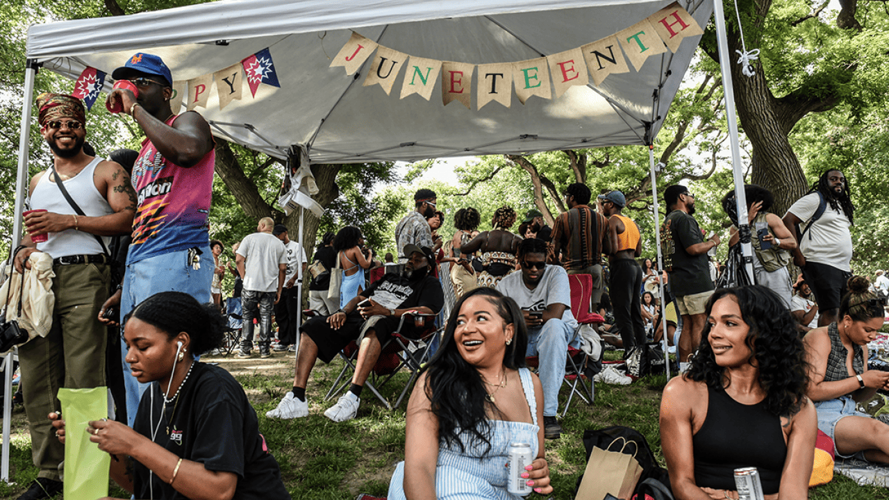
People participate in a Juneteenth celebration in Fort Greene park.
- Stephanie Keith // Getty Images
Formerly enslaved African American ministers and businessmen got together in 1872 to raise the $1,000 necessary to buy 10 acres of land in Houston’s Third and Fourth wards. They called the lot Emancipation Park.
The park was donated to the city of Houston in 1916. In the late 1930s, the Public Works Administration, which was established as part of President Franklin D. Roosevelt’s New Deal, constructed a recreation center and public pool on the park site. The Houston City Council declared the park a protected historic landmark on Nov. 7, 2007.
- Houston Public Library Digital Archives // Wikimedia Commons
Be the first to know
Get local news delivered to your inbox!