$11,000 to see Taylor Swift? How concert tickets got so expensive
Emma Fox
Los Angeles Times
Updated
1 of 2
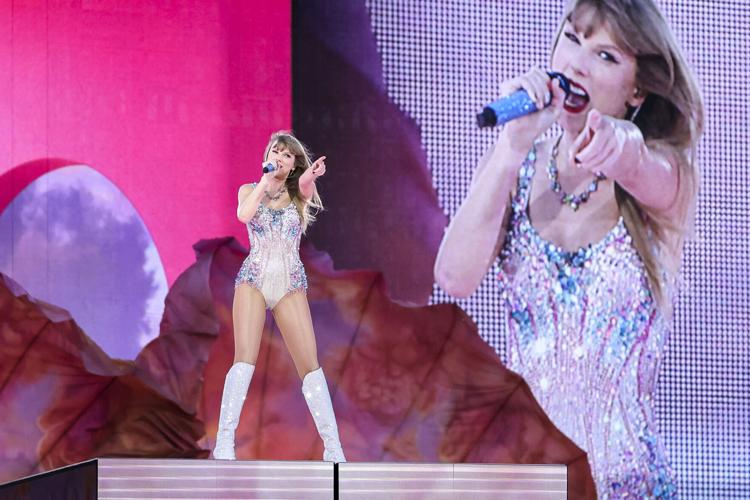
Taylor Swift performs June 2 at Soldier Field in Chicago. Swift's "Eras Tour" is one of this summer's hottest tickets.
(Shanna Madison, Chicago Tribune
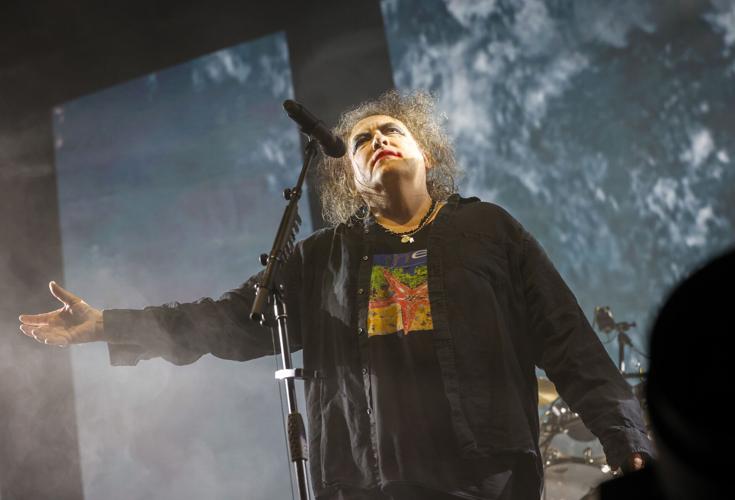
The Cure's Robert Smith speaks to the crowd June 29 at Amalie Arena in Tampa, Fla. Earlier this year, Smith advocated for Cure fans and convinced Ticketmaster to refund some of their ticketing fees.
Today is the day. You called in sick to work. You've been looking forward to the chance to buy seats since the show was announced. The webpage loads on your laptop, and you're met with triple-digit prices for a ticket to see your favorite musician. In the seconds you spend hesitating, the entire concert is sold out. You quickly pull up a reseller site, and the prices are now four digits and climbing.
If you are buying on the secondary market, use a trusted service that can verify your ticket and reimburse you if you encounter a problem.
Waiting until the last minute is a high-risk, high-reward strategy. If people price their tickets too high on the resale market, they won't sell. So inevitably, buyers (and promoters) will eventually cut their prices to avoid being stuck with unsold seats — but only if there's too much supply.
Compare the popularity of the act and the venue. If it is a high-demand show in a small space, prices are likely to be more expensive. Check if they are playing at any bigger venues.
Check prices on different websites to compare. If you see a price that looks too good to be true, it probably is.
Your favorite artist's tour may be sponsored by a credit card company, which will have tickets reserved for cardholders. They sometimes do presales as well.
Join the fan club. If there is a fan club for an artist, it typically gets an allotment of tickets.
Think about going alone. It is harder to sell single tickets, so they are likely to resell at a lower price than groups of tickets.
Know someone. Meet someone who works for the building, the act or the promoter.
Just show up at the venue on the day of the show. If the tickets that were held back during the primary sale didn't sell, then promoters may give them to the box office to sell. Nonprofessional ticket scalpers also show up at the event and try to sell tickets there, but beware — scalping laws may apply in that particular state, or you could be scammed with counterfeit tickets.
The Cure's Robert Smith speaks to the crowd June 29 at Amalie Arena in Tampa, Fla. Earlier this year, Smith advocated for Cure fans and convinced Ticketmaster to refund some of their ticketing fees.