

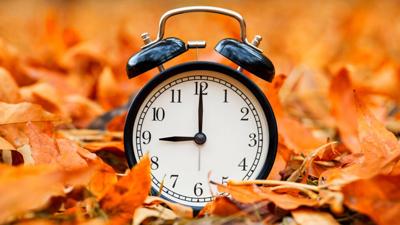
Humans have a need to make everything complicated.
People are also reading…

Elizabeth Snyder

Elizabeth Snyder
Have a comment? Email Liz at esnyder@kenoshanews.com or call her at 262-656-6271.
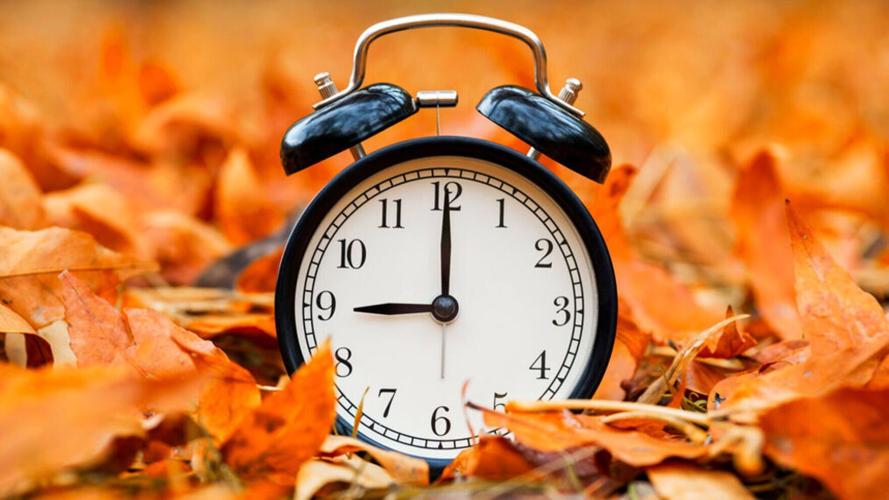
Despite continued debates about the subject, we are still “falling back” this weekend.
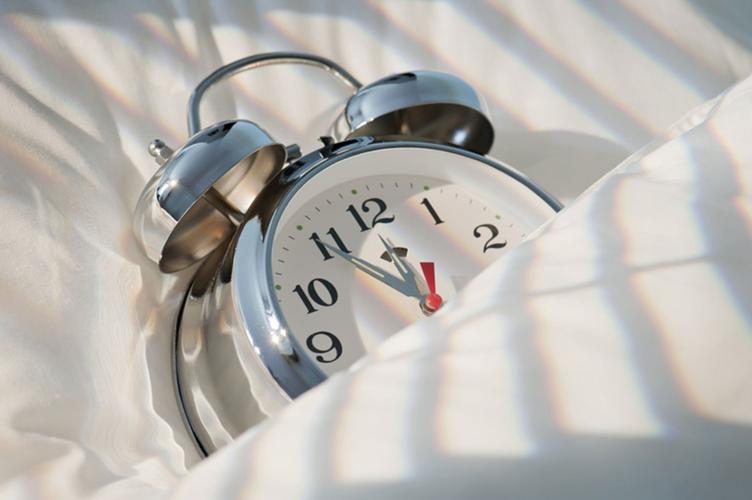
While you're sleeping late Saturday night, the clocks will "fall back" an hour.

Sunsets bathe everything in gold, but what comes afterward (darkness!) makes us want to hibernate.
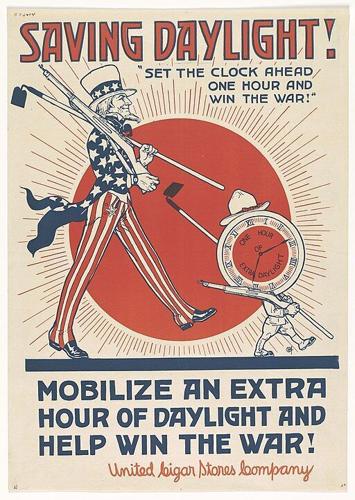
Daylight Saving Time was first implemented in the U.S. with the Standard Time Act of 1918, a wartime measure for seven months during World War I in the interest of adding more daylight hours to conserve energy resources.
Humans have a need to make everything complicated.
Elizabeth Snyder
Elizabeth Snyder
Have a comment? Email Liz at esnyder@kenoshanews.com or call her at 262-656-6271.
Daylight saving time begins on the second Sunday in March and ends on the first Sunday of November. Clocks are on “standard time” the rest of the year.
Benjamin Franklin, the statesman and inventor whose picture appears on the $100 bill, is credited with the idea to conserve candles back in 1784. Others offered other proposals over the years, and
Daylight saving time was first established during World War I to conserve fuel for war industries. The law was repealed after the war ended but was re-established by Congress during World War II due to energy consumption.
In 1966, President Lyndon B. Johnson signed the Uniform Time Act, establishing uniform start and end times within standard time zones.
Despite the commonly held belief that daylight saving time was to help farmers, it was created to save energy, and according to the U.S. Department of Transportation, when the sun sets later, it's presumed that people will stay out longer and spend more time outside leading to a need for less electricity usage for lights and appliances.
Get local news delivered to your inbox!

{{description}}
Email notifications are only sent once a day, and only if there are new matching items.

Daylight saving time wasn't invented to help farmers, and it doesn't help save energy. But it did help a New Zealander hunt bugs back in 1895.
Get up-to-the-minute news sent straight to your device.


Sorry, an error occurred.
Already Subscribed!
Cancel anytime
Thank you .
Your account has been registered, and you are now logged in.
Check your email for details.
Submitting this form below will send a message to your email with a link to change your password.
An email message containing instructions on how to reset your password has been sent to the email address listed on your account.
No promotional rates found.
Secure & Encrypted
Thank you.
Your gift purchase was successful! Your purchase was successful, and you are now logged in.
| Rate: | |
| Begins: | |
| Transaction ID: |
A receipt was sent to your email.