


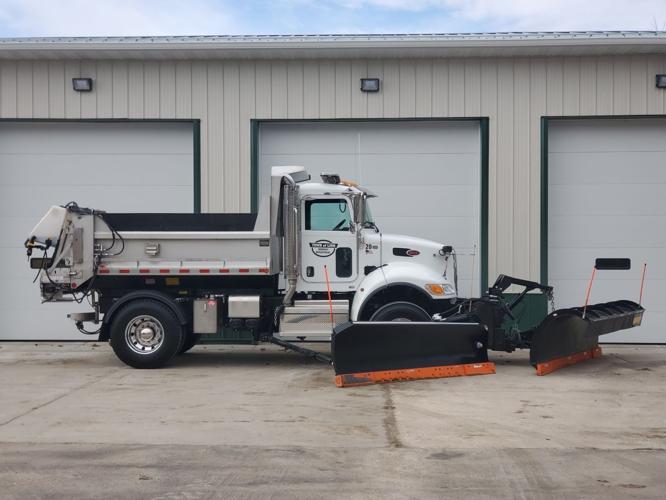
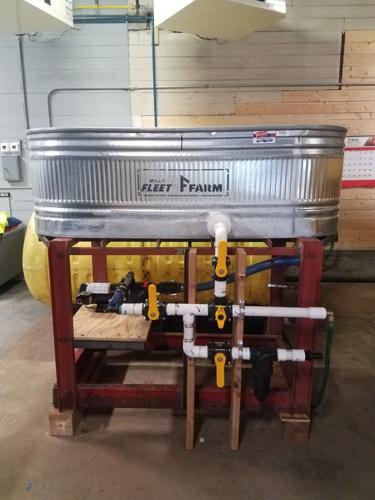
LINN — The Town of Linn has been recognized for its efforts to reduce road salt usage and the hazardous effects it can have on the environment while still ensuring roads are safe for travel.
People are also reading…
35 historic Williams Bay photos
Williams Bay history - 1

The first Lady of the Lake passenger boat.
Williams Bay history - 2

An historical image of Williams Bay shows the Chicago and Northwestern railroad depot that once welcomed visitors from Chicago, after a stop in Lake Geneva.
Williams Bay history - 3

Inside the Williams Bay Public Library during the early days with women identified only as Mrs. Pierce, Mrs. Kuhlman and Mrs. Bartholomew.
Williams Bay history - 4
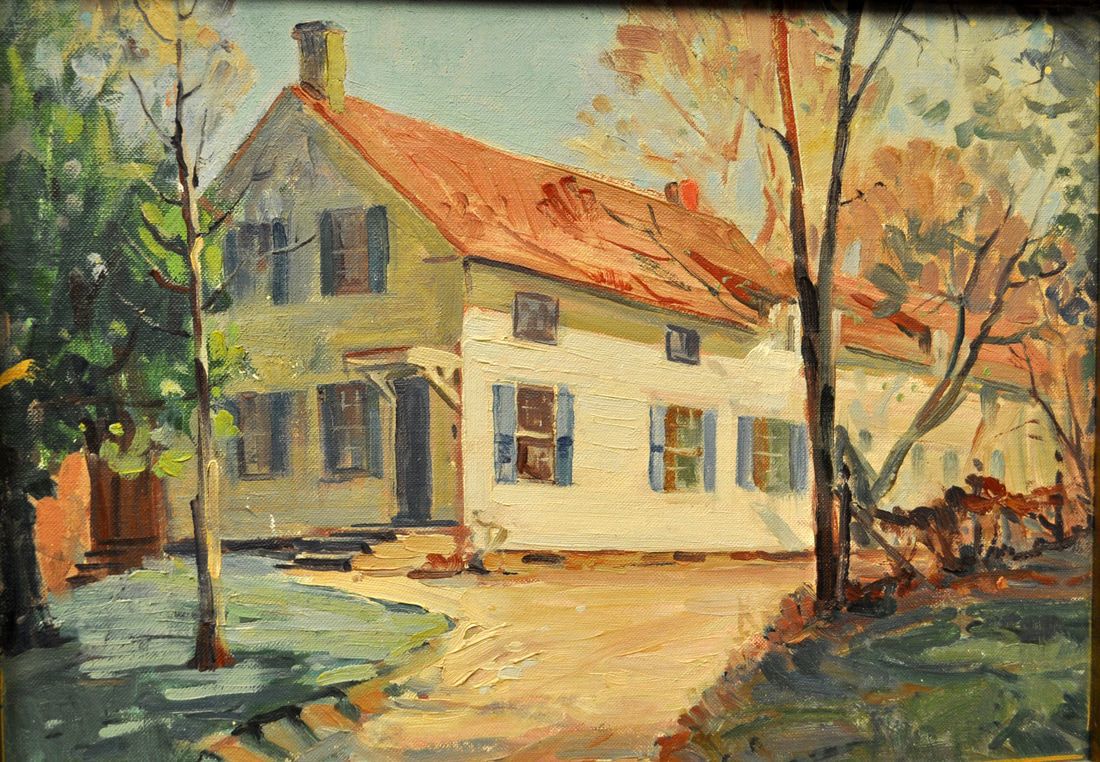
This image depicts the homestead of the Israel Williams family, village founder for whom Williams Bay was named.
Williams Bay history - 5

Oliver Southwick's general merchandise store in early Williams Bay days.
Williams Bay history - 6
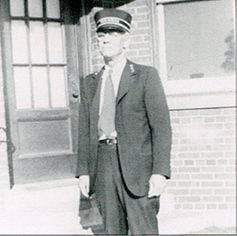
Williams Bay resident Grover Spotz, who worked for the Chicago and Northwestern Railroad, shown around 1951.
Williams Bay history - 7

First school in Williams Bay, shown around the year 1900 northeast of the current former elementary school where the current Doug and Kathi Swangren residence is located.
Williams Bay history - 8

Yerkes Observatory is shown around the year 1907, when the Williams Bay astronomical facility was a relatively new addition to the community.
Williams Bay history - 9

Note the formal attire of visitors to the YMCA Camp around the year 1890.
Williams Bay history - 10

Even as early as this image dated 1902, fishing enthusiasts could not resist trying their luck in the waters of Williams Bay.
Williams Bay history - 11

Reuben Palmbach is shown in front of an early Williams Bay fire station.
Williams Bay history - 12

Boys enjoy a chance to cool off swimming in the bay by Holiday Home Camp around the year 1907.
Williams Bay history - 13

Passengers load and unload onto boats at Williams Bay around the year 1900.
Williams Bay history - 14

Early ice shanties on the frozen lake at Williams Bay.
Williams Bay history - 15

Ned Grim is shown alongside a vintage car model in the 1930s.
Williams Bay history - 16
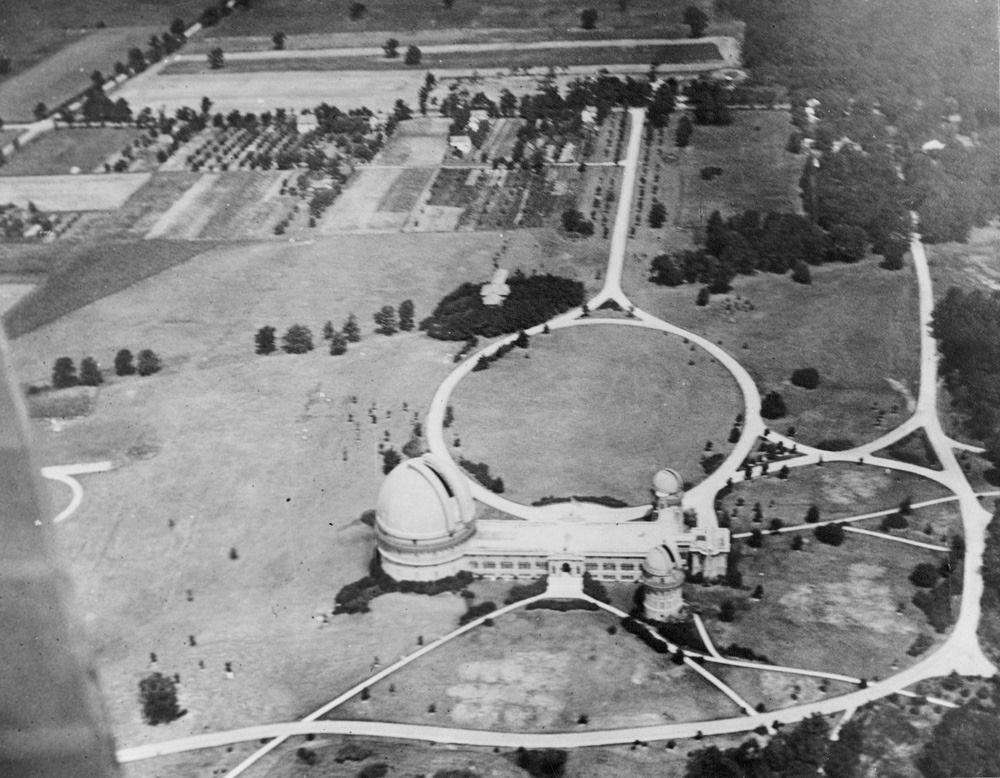
Yerkes Observatory and the surrounding lakefront campus is shown in an aerial from the early 1900s.
Williams Bay history - 17

Luke's Restaurant in Williams Bay, with a car that seems to suggest the 1950s or '60s.
Williams Bay history - 18

The Stenstrom family of Williams Bay.
Williams Bay history - 19

Downtown Williams Bay, year unknown.
Williams Bay history - 20

Brothers Frank and Laddie Fleishman are shown having a little waterfront fun with an unidentified woman circa 1929 or 1930.
Williams Bay history - 21

Handling a canoe near Conference Point around 1920 is a group of young women, including Margaret Houston, second from left, grandmother of current Geneva Lake Museum director Janet Ewing.
Williams Bay history - 22

Trains and boats kept a tight schedule when they were the main mode of transportation in and around Williams Bay.
Williams Bay history - 23
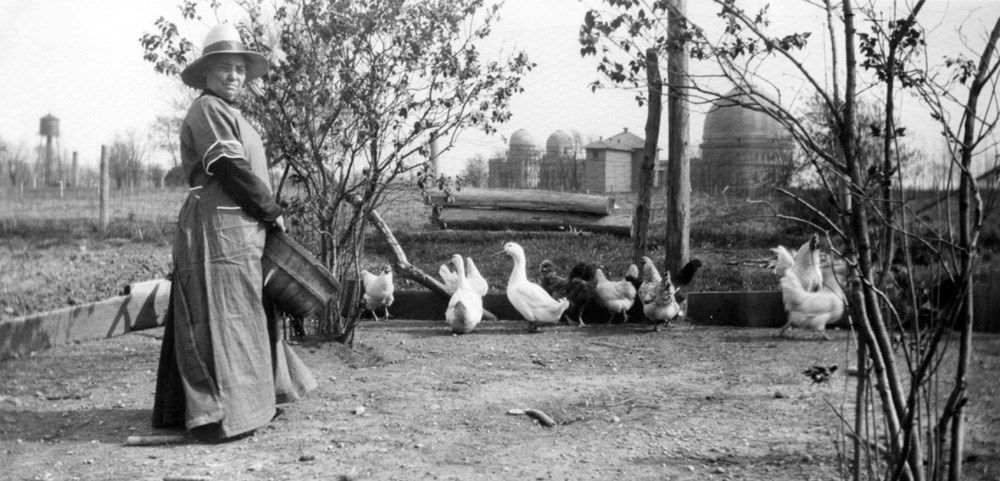
An unidentified woman feeds ducks and chickens with Yerkes Observatory looming large in the background.
Williams Bay history - 24

Three women cool off in the water of Williams Bay in this undated photograph.
Williams Bay history - 25

Sunday school students shown inside Williams Bay Lutheran Church around the early 1950s.
Williams Bay history - 26

Summer resort life draws a crowd in an undated photo in Williams Bay.
Williams Bay history - 27

An early calling card for the Water Safety Patrol, based in Williams Bay.
Williams Bay history - 28
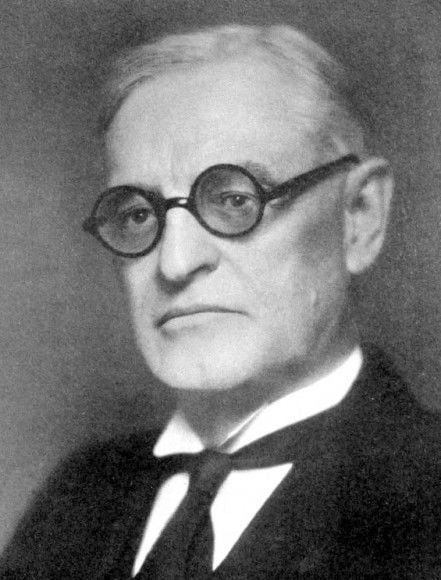
Edwin Brant Frost, a former Yerkes Observatory director who died in 1935, for whom the current Frost Park is named at the corner of Geneva and Congress streets.
Williams Bay history - 29

Members of the Class of 1925 at Williams Bay High School.
Williams Bay history - 30

Members of the Williams Bay-based Water Safety Patrol stand ready for action circa 1965.
Williams Bay history - 31

An early hotel overlooking the Williams Bay lakefront just north of the Lackey Building circa 1895.
Williams Bay history - 32

Oscar and Erma Stenstrom enjoy a day in the sun in Williams Bay.
Williams Bay history - 33

Two youngsters walk the pier as boat passengers fill up a boat at the Williams Bay Municipal Pier.
Williams Bay history - 34
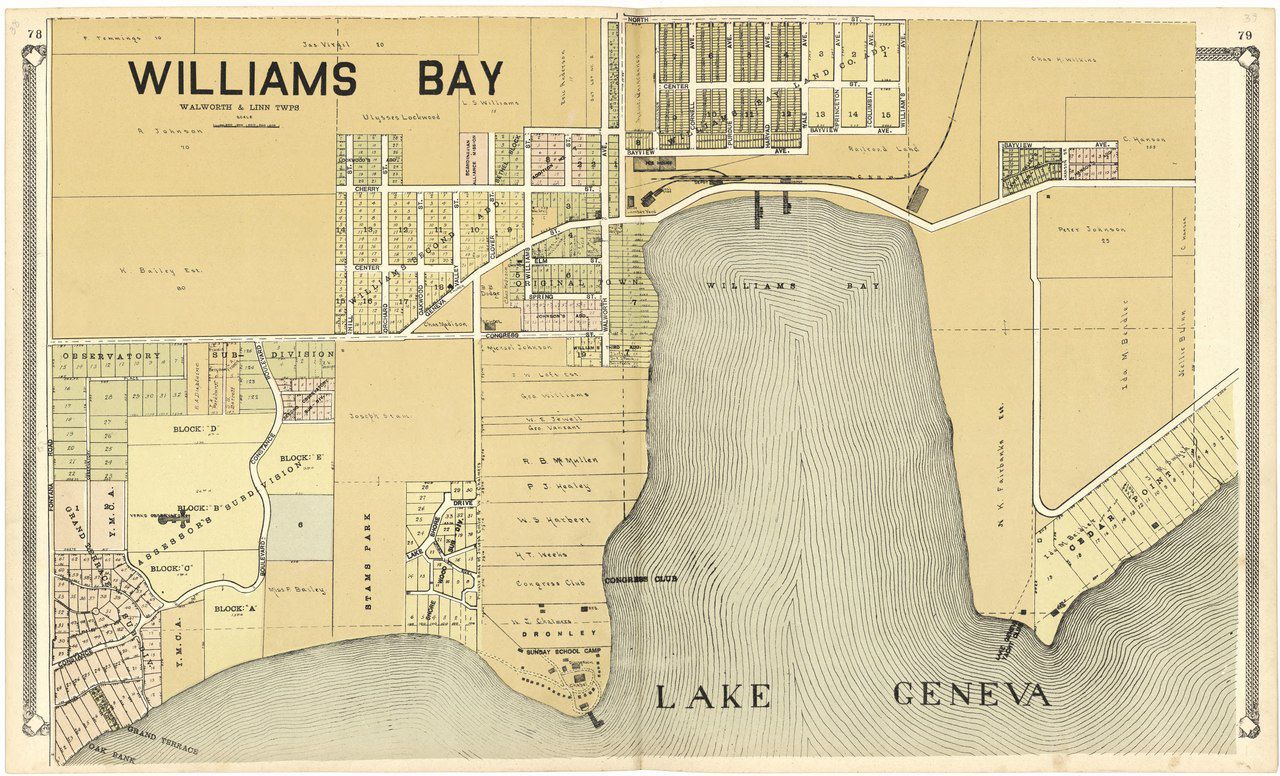
An early map of Williams Bay.
Williams Bay history - 35

The Williams Bay Municipal Pier on Geneva Lake continues to see boat traffic daily throughout the summer.


