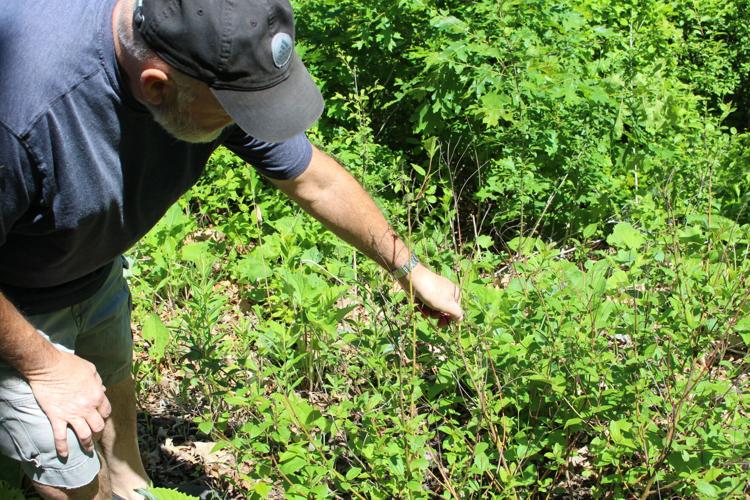
TOWN OF LYONS — On any given day, John Mariani can be found walking his property, surveying its wildlife, noticing the impact of his work and planning for what steps he can take next to restore the land to what it once was.
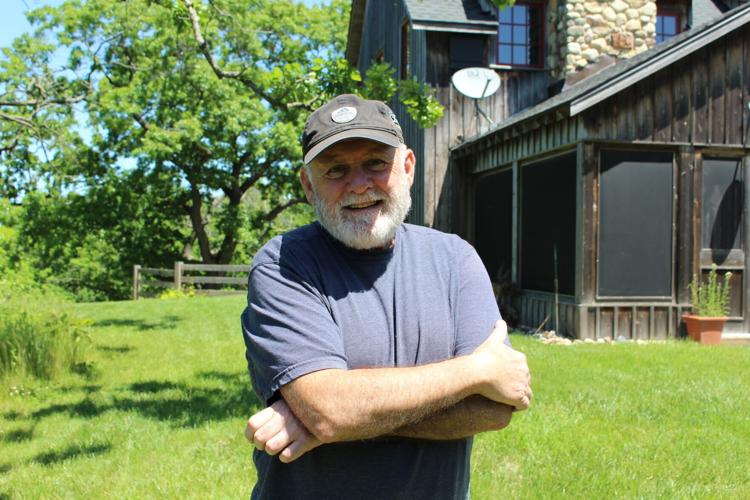
Burlington-area resident John Mariani was recognized this month by the Wisconsin Department of Natural Resources for his decades of work restoring his property to oak savanna, clearing invasive species to make room for native plants and educating the community.
kAm“(96? x 7:CDE DE2CE65 H@C<:?8 96C6[ x 925 E@ 564:56 H92E 5@ x C62==J H2?E E@ ECJ E@ H@C< @? 7:CDE[” 96 D2:5]k^Am
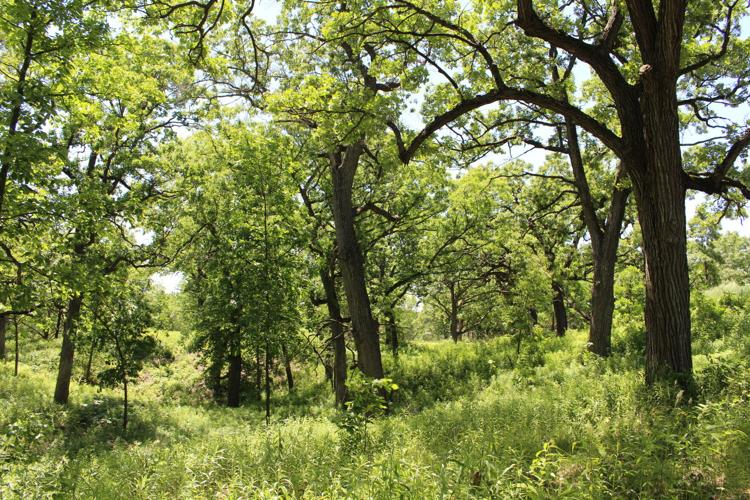
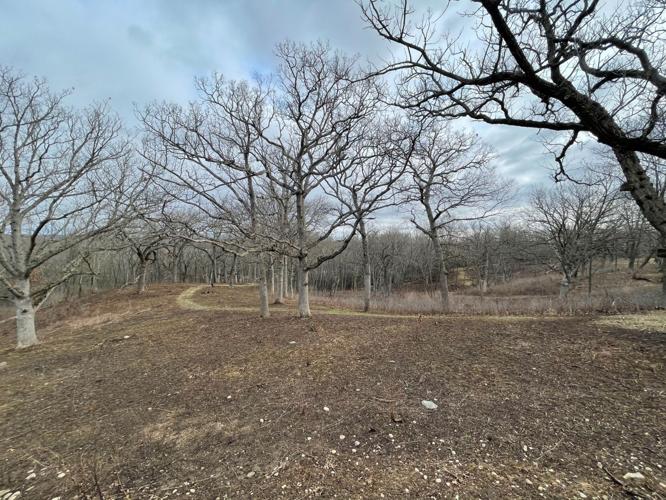
A majority of John Mariani's property has been converted to oak savanna, an environment characterized by scattered oak trees above an understory of prairie grasses and flowering plants, according to the National Park Service. Oak savanna was once a prominent ecology in Wisconsin.
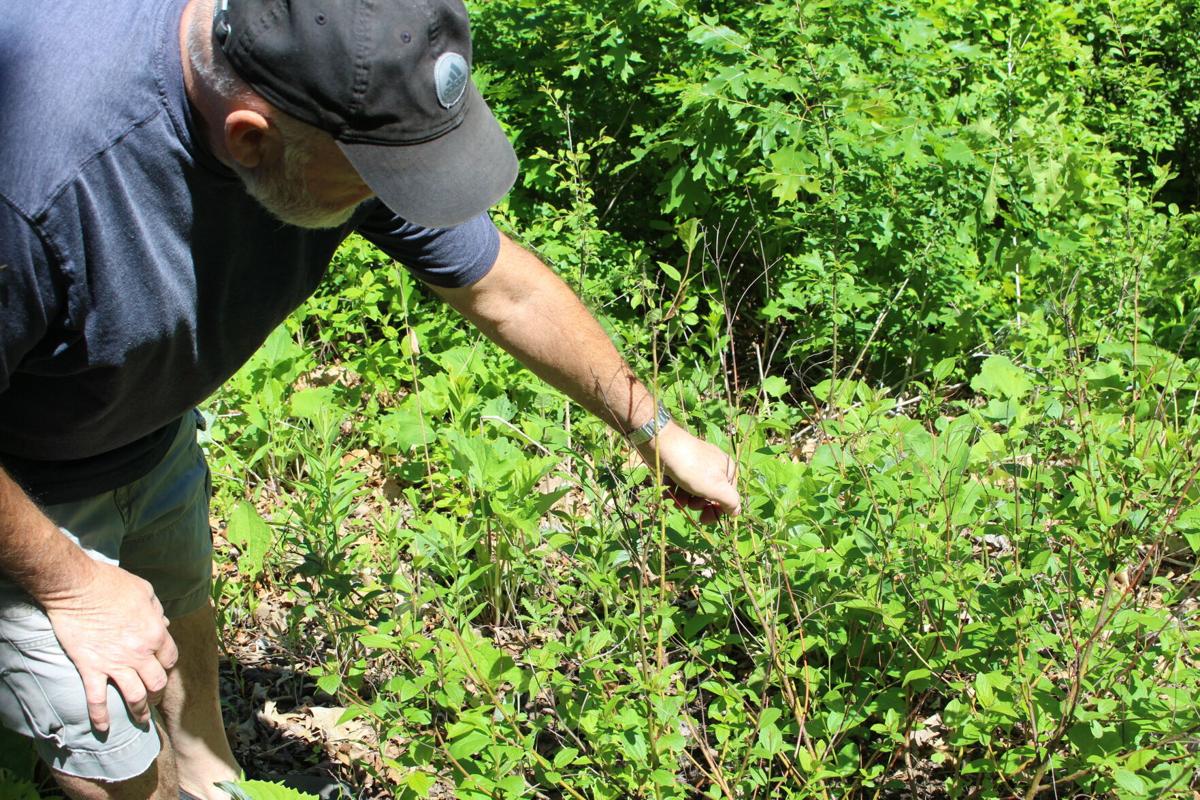
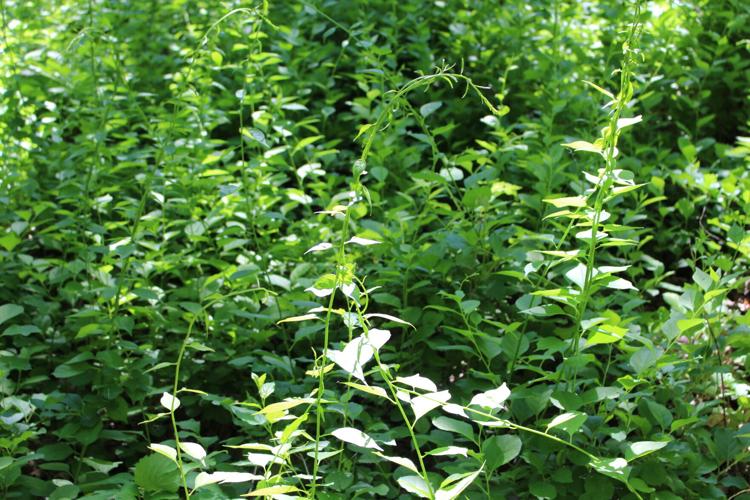
Oriental bittersweet is an invasive plant often planted as an ornamental vine because it grows quickly and produces orange berries. However, the plant is restricted in Wisconsin, as it can damage trees by girdling trunks and shading out leaves, according to the state Department of Natural Resources.
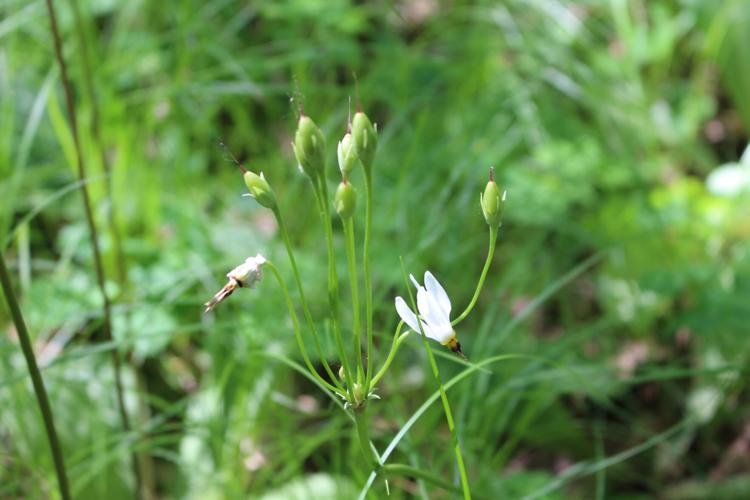
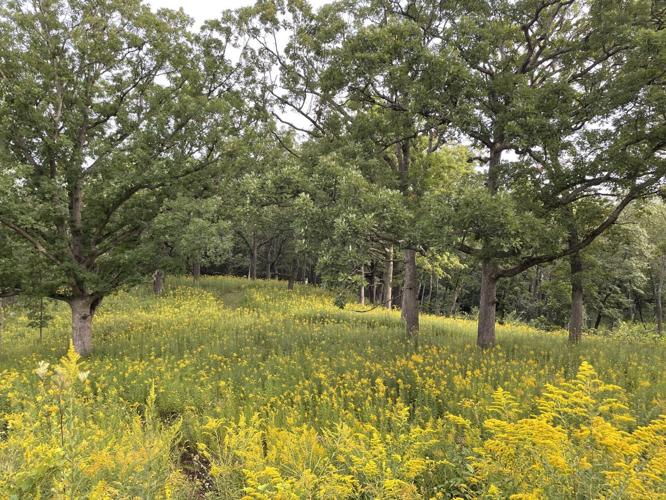
The prairie near the entrance to John Mariani's property is the result of research and reseeding of once-tilled land. Mariani used historic state records to identify native prairie plants that would have grown on his land prior to it being developed for farming and then overgrown.
Burlington-area resident John Mariani was recognized this month by the Wisconsin Department of Natural Resources for his decades of work restoring his property to oak savanna, clearing invasive species to make room for native plants and educating the community.
A majority of John Mariani's property has been converted to oak savanna, an environment characterized by scattered oak trees above an understory of prairie grasses and flowering plants, according to the National Park Service. Oak savanna was once a prominent ecology in Wisconsin.
Oriental bittersweet is an invasive plant often planted as an ornamental vine because it grows quickly and produces orange berries. However, the plant is restricted in Wisconsin, as it can damage trees by girdling trunks and shading out leaves, according to the state Department of Natural Resources.
The prairie near the entrance to John Mariani's property is the result of research and reseeding of once-tilled land. Mariani used historic state records to identify native prairie plants that would have grown on his land prior to it being developed for farming and then overgrown.