Higgins fumes as infrastructure compromise threatens Kensington project
By Jerry Zremski
News Washington Bureau Chief
Updated
4 min to read
President Biden's original proposal called for $20 billion to be set aside to reunite neighborhoods split by highway mistakes of the past, but the compromise would set aside $1 billion for that program.
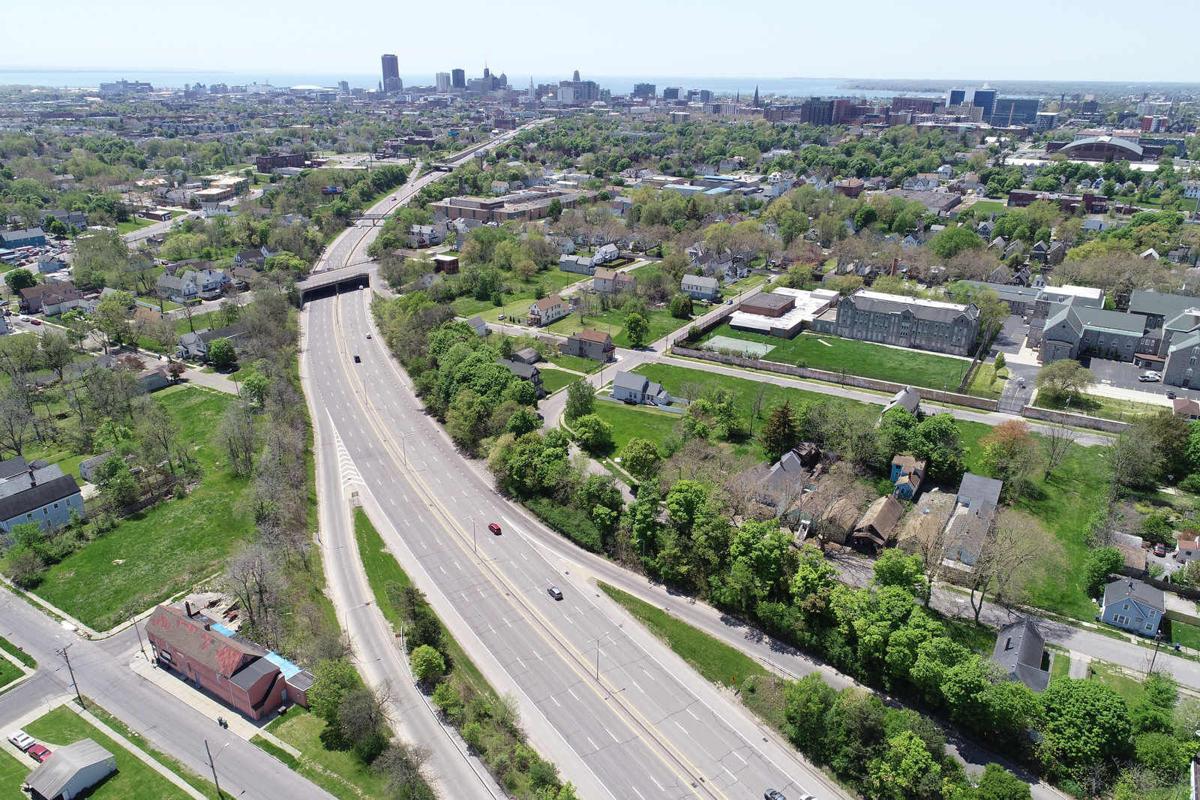
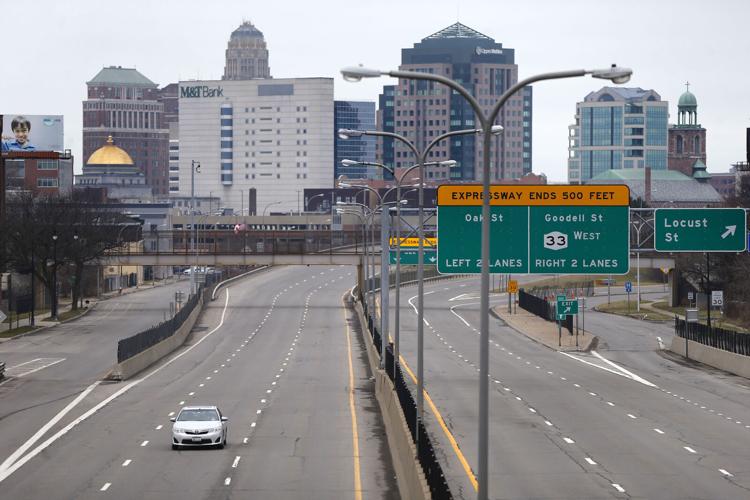
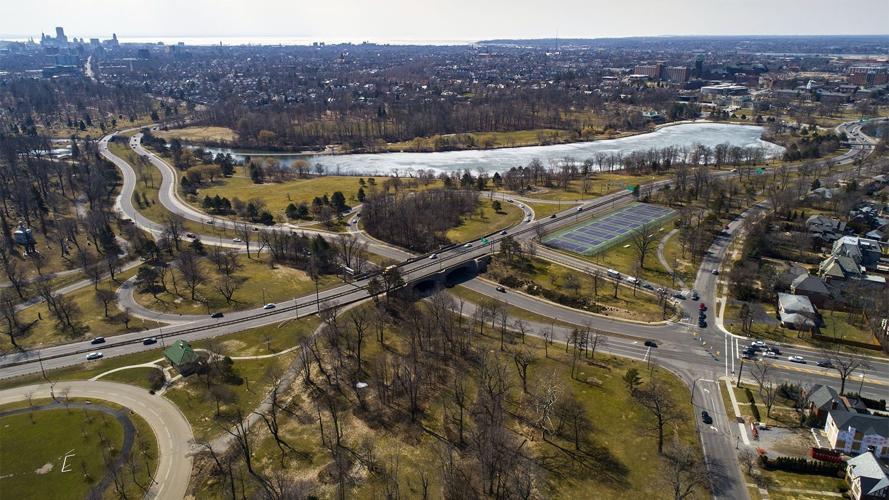
WASHINGTON – A Senate infrastructure compromise backed by President Biden slashes proposed funding to reconnect neighborhoods long divided by highways like Buffalo's Kensington Expressway.
Rep. Brian Higgins is pushing for $500M to restore Humboldt Parkway, the historic tree-lined thoroughfare that united the East Side until the Kensington divided it in the 1960s.
“Rebuilding America’s crumbling infrastructure is a bipartisan issue, and Western New York has several projects that could directly benefit from this, most notably the Kensington and Scajaquada projects," a statement from Senator Charles E. Schumer said.
The local and school aid targeted to the area under President Biden's American Rescue Plan won't come gift-wrapped. It will arrive, instead, tied together with red tape, with strings attached.
The budget compromise, unveiled by 10 senators and Biden on Thursday, devotes $973 billion to highways, bridges, water projects, broadband and other infrastructure efforts. That's less than half the size of Biden's original $2.2 trillion proposal.
President Biden's original proposal called for $20 billion to be set aside to reunite neighborhoods split by highway mistakes of the past, but the compromise would set aside $1 billion for that program.
“Rebuilding America’s crumbling infrastructure is a bipartisan issue, and Western New York has several projects that could directly benefit from this, most notably the Kensington and Scajaquada projects," a statement from Senator Charles E. Schumer said.
The budget compromise, unveiled by 10 senators and Biden on Thursday, devotes $973 billion to highways, bridges, water projects, broadband and other infrastructure efforts. That's less than half the size of Biden's original $2.2 trillion proposal.