


Erin McGuire spent years cultivating fruits and vegetables like onions, peppers and tomatoes as a scientist and later director of a lab at the University of California-Davis. She collaborated with hundreds of people to breed drought-resistant varieties, develop new ways to cool fresh produce and find ways to make more money for small farmers at home and overseas.
AP Spotlight
Scientists shielding farming from climate change need more public funding. But they're getting less
1 of 5
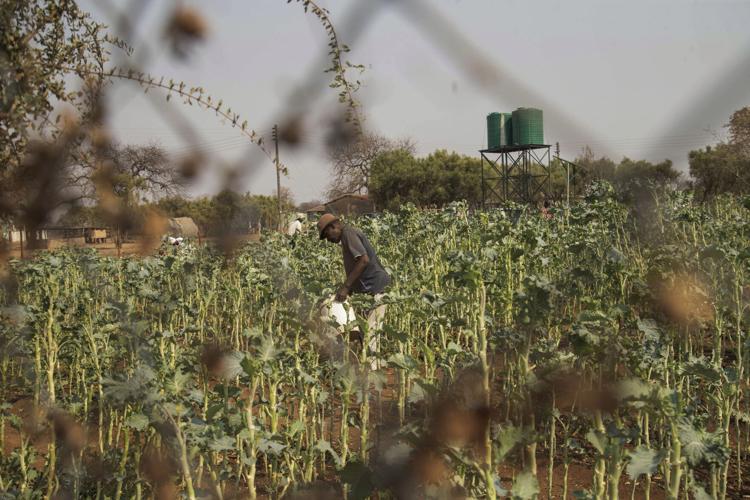
A villager tends to his vegetable garden Sept. 19 in a plot that is part of a climate-smart agriculture program funded by the United States Agency for International Development in Chipinge, Zimbabwe.
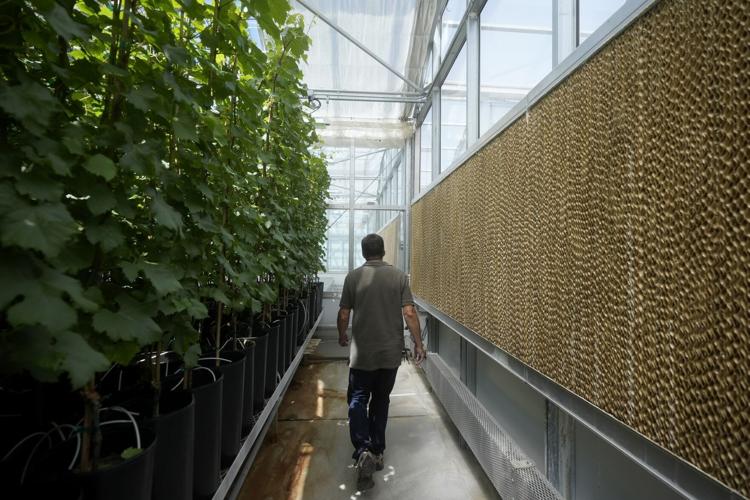
Bill Werner, lead greenhouse manager of the College of Agricultural and Environmental Sciences at the University of California, Davis, walks between plants and evaporative cooling pads May 20 in a greenhouse at the Core Greenhouse Complex on the campus in Davis, Calif.
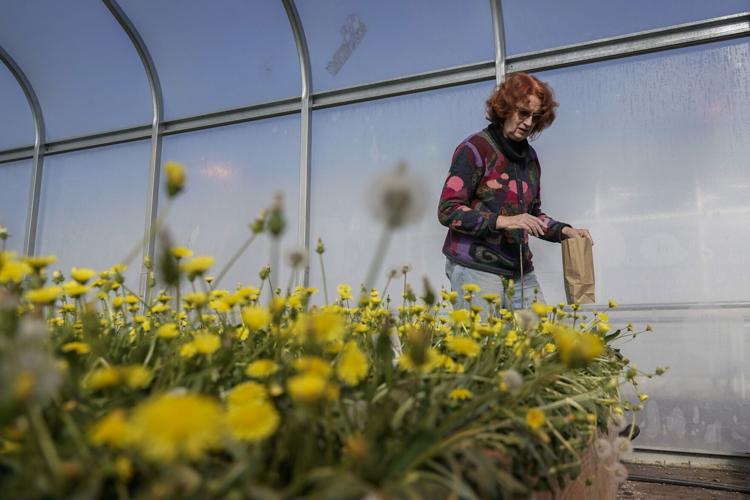
Katrina Cornish, a professor at Ohio State University who studies rubber alternatives, harvests rubber dandelion seeds Feb. 6, 2024, inside a greenhouse in Wooster, Ohio.
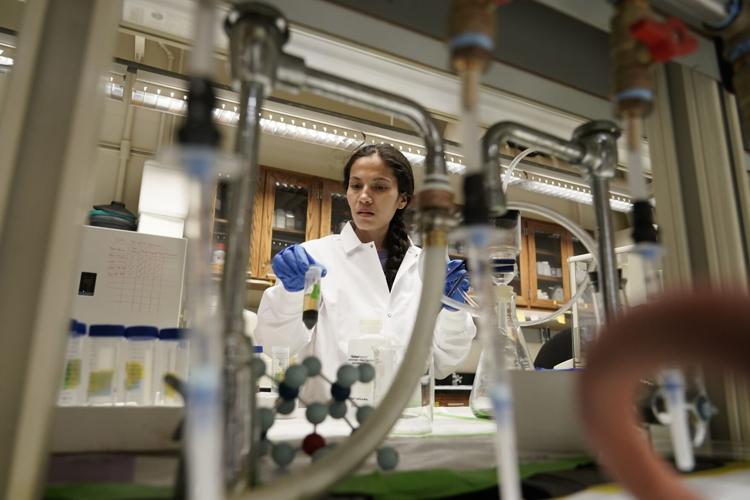
Soil researcher Asmita Gautam, a Ph.D. candidate at Purdue University, prepares a soil sample for carbon content analysis July 13, 2023, in West Lafayette, Ind.
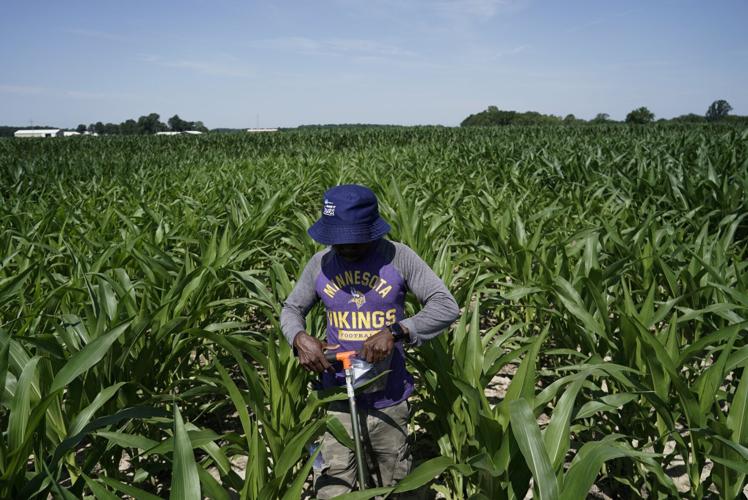
Jude Addo-Chidie, a Ph.D. student in agronomy at Purdue University, places a probe in soil July 12, 2023, as he takes samples from a corn field at the Southeast-Purdue Agricultural Center in Butlerville, Ind. Public funding for agricultural research in the U.S. has been declining, a process President Donald Trump has rapidly accelerated by freezing or pausing support for a variety of research programs.

The roughly two dozen workers who ran the Low Income Home Energy Assistance Program were among 10,000 people fired.

Community celebrations being planned to commemorate the nation's 250th anniversary next year are at risk of being significantly scaled back or…

The Energy Star label is well recognized by households and has traditionally received bipartisan support.


Trump's shoot-from-the-lip style kept Americans on the edge of their seats during the campaign, but now his words are being used against him in court.

The lawsuit singled out billionaire Elon Musk as a defendant covered by the preliminary injunction.

The layoffs are expected to eliminate nearly a quarter of HHS staff — 10,000 jobs through layoffs and another 10,000 workers who took early re…

Most of the National Institutes of Health budget — more than $35 billion a year — goes to universities, hospitals and other research groups.


