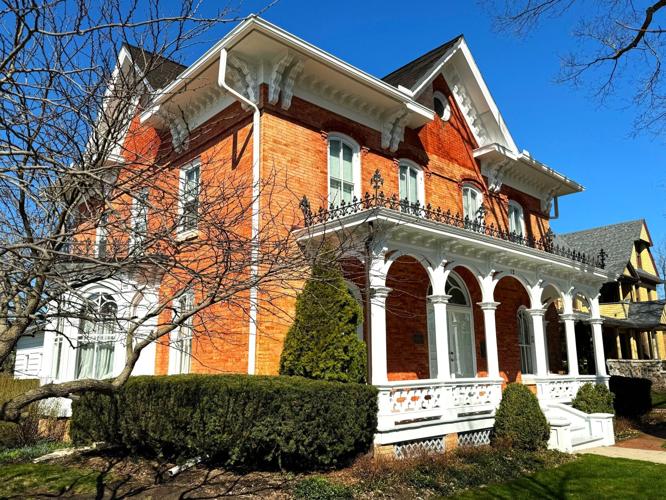

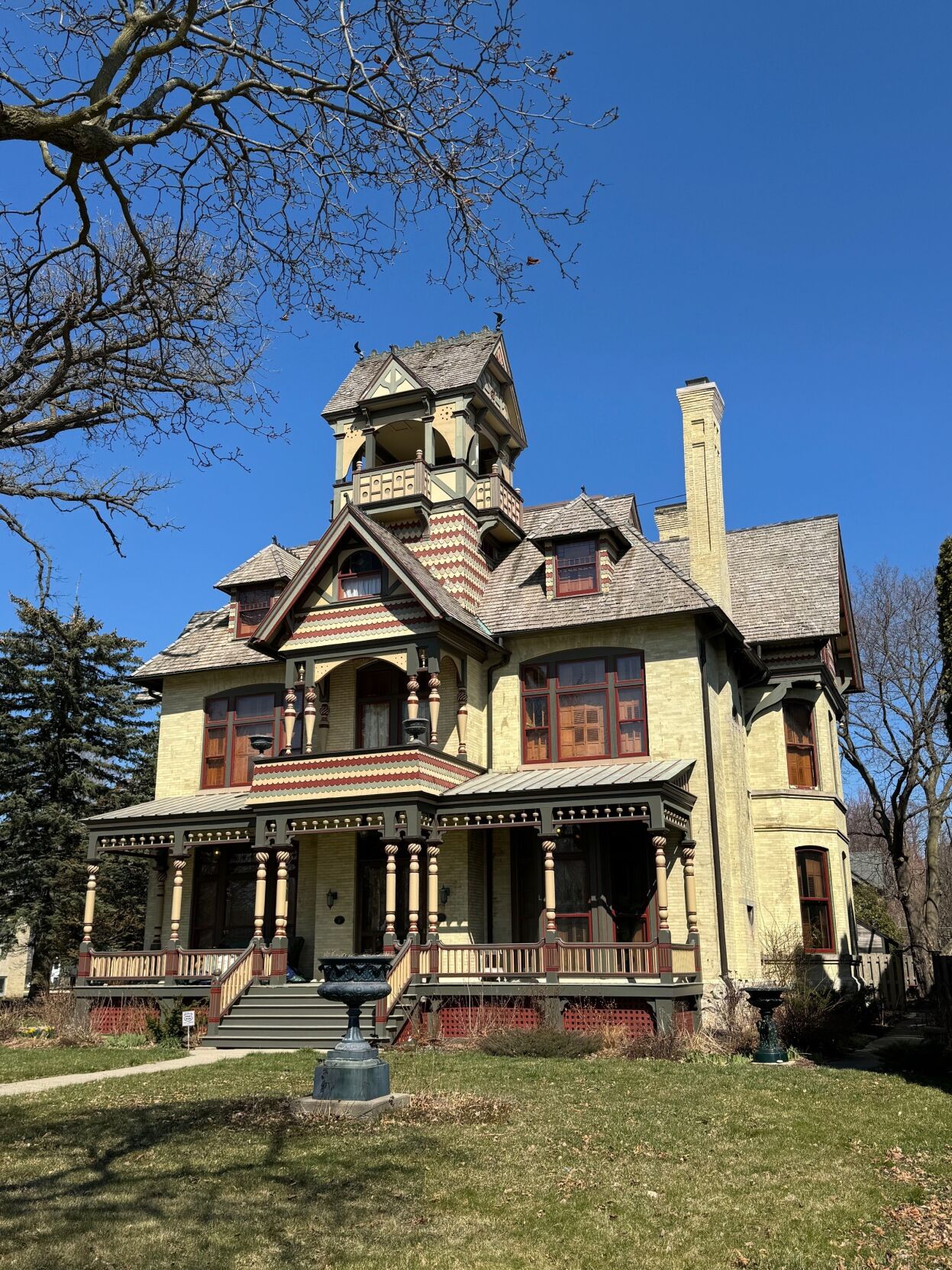
Delavan's high-style Queen Anne A.H. Allyn Mansion, 511 E. Walworth Ave., was built in 1885 for wealthy local farmer Alexander Hamilton Allyn (1835-1913). Designed by famed architect Edward Townsend Mix, among the most prolific and versatile American architects of the Victorian period, the A.H. Allyn Mansion was added to the National Register of Historic Places in September 1985. Today a private residence, the Allyn Mansion has seen several adaptive commercial reuses over its history, including stints as a nursing home, furniture store and the Allyn Mansion luxury boutique hotel. The A.H. Allyn Mansion was added to the National Register of Historic Places in September 1985.

Johnson
People are also reading…
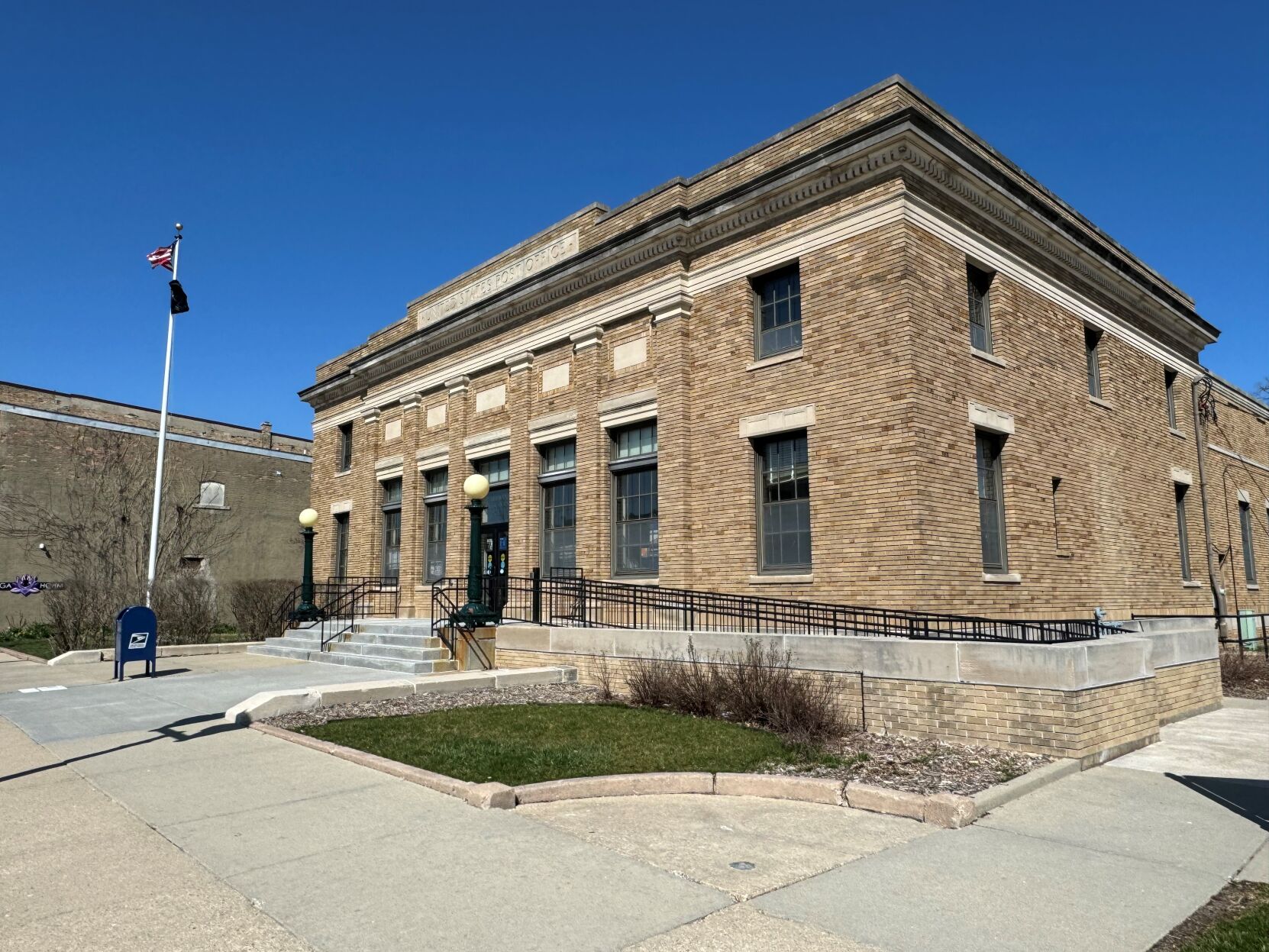
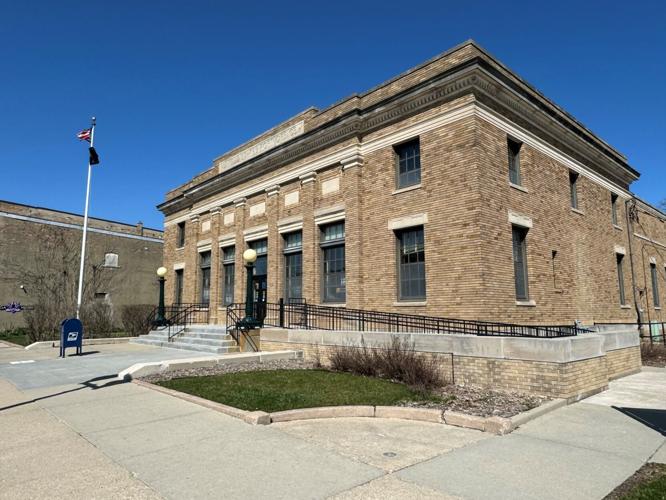
Delavan's Neoclassical/Beaux Arts-styled United States Post Office, 335 E. Walworth Ave., was designed by Oscar Wenderoth and built in 1914. Listed on the National Register of Historic Places in October 2000, the building interior features a circa-1984 mural painted by Rosemary Roth depicting Delavan history. Giving a nod to Delavan's rich circus history, the U.S. Postal Service's American Circus Stamp, featuring the image of famed circus clown Lou Jacobs, was released from the Delavan Post Office on May 2, 1966 thanks to the efforts of Delavan Postmaster W. Gordon Yadon, with celebratory local festivities including circus performances and a parade.
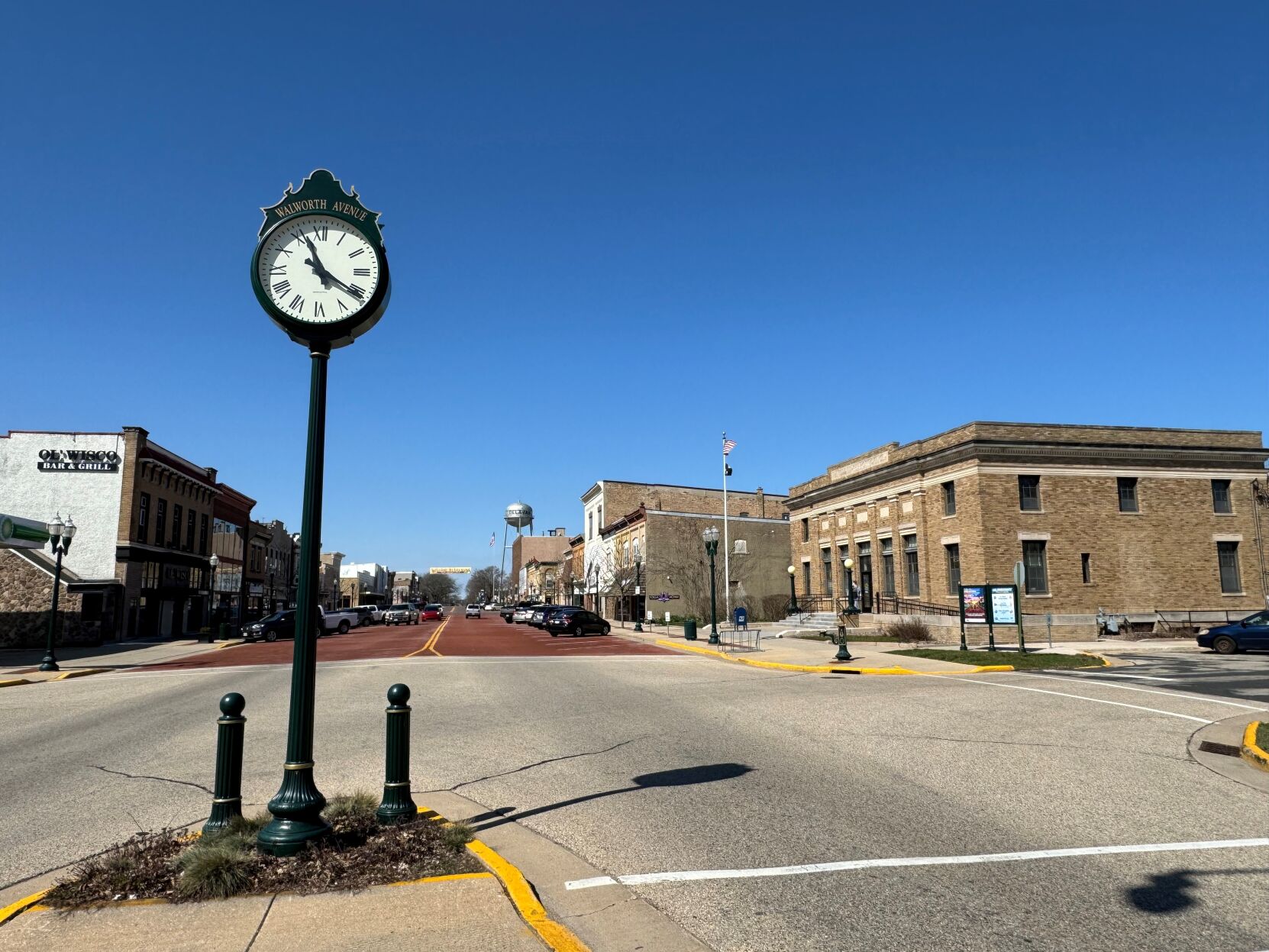
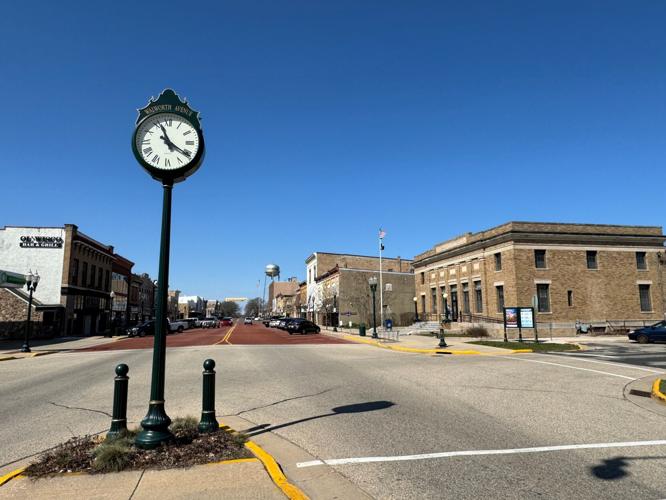
Listed on the National Register of Historic Places in March 2016, the Delavan Downtown Commercial Historic District encompasses the 200-400 blocks of East Walworth Avenue and features an array of architecultural styles dating from the 1870s to 1910s, including Italianate, Neoclassical, Mediterranean Revival and 20th Century Commercial designs. The district is home to several National Register-listed sites including Delavan Post Office, Delavan's Vitrified Brick Street amd Delavan Water Tower Historic District.
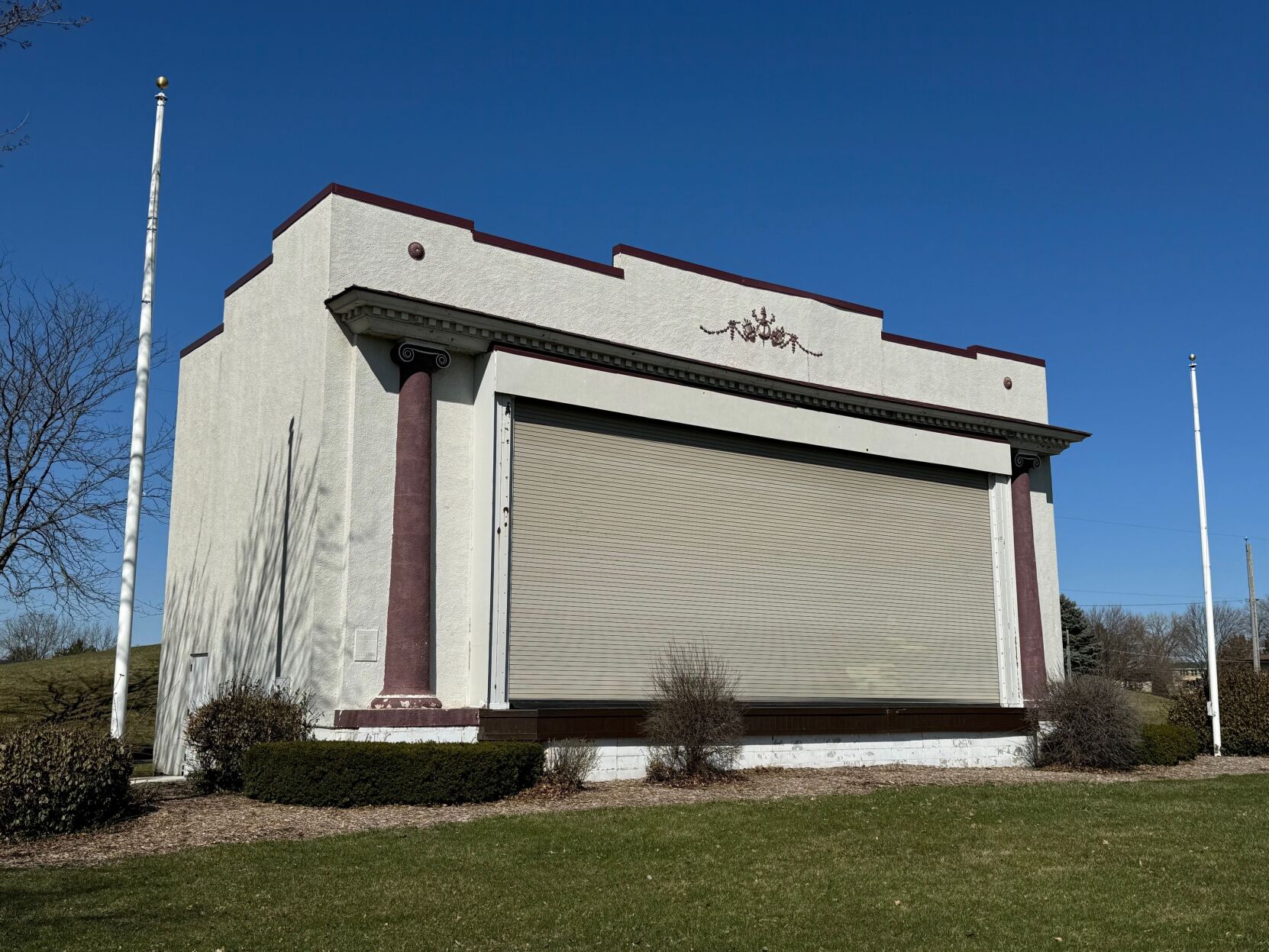
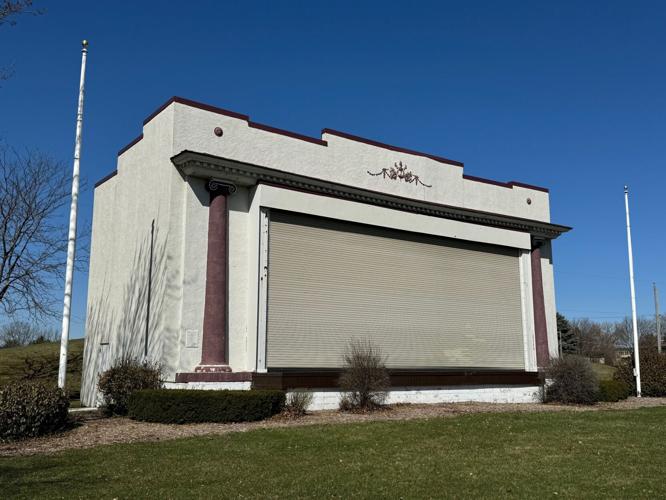
The City of Elkhorn's circa-1926 Classical Revival-styled Elkhorn Band Shell at Sunset Park, 320 Devendorf Road, was listed on the National Register of Historic Places. In use for nearly a century and still home to summer concerts, the Elkhorn Band Shell was originally located downtown in Courthouse Square and relocated in 1962 to Sunset Park, which is bounded by Devendorf, West Centralia and Park streets.
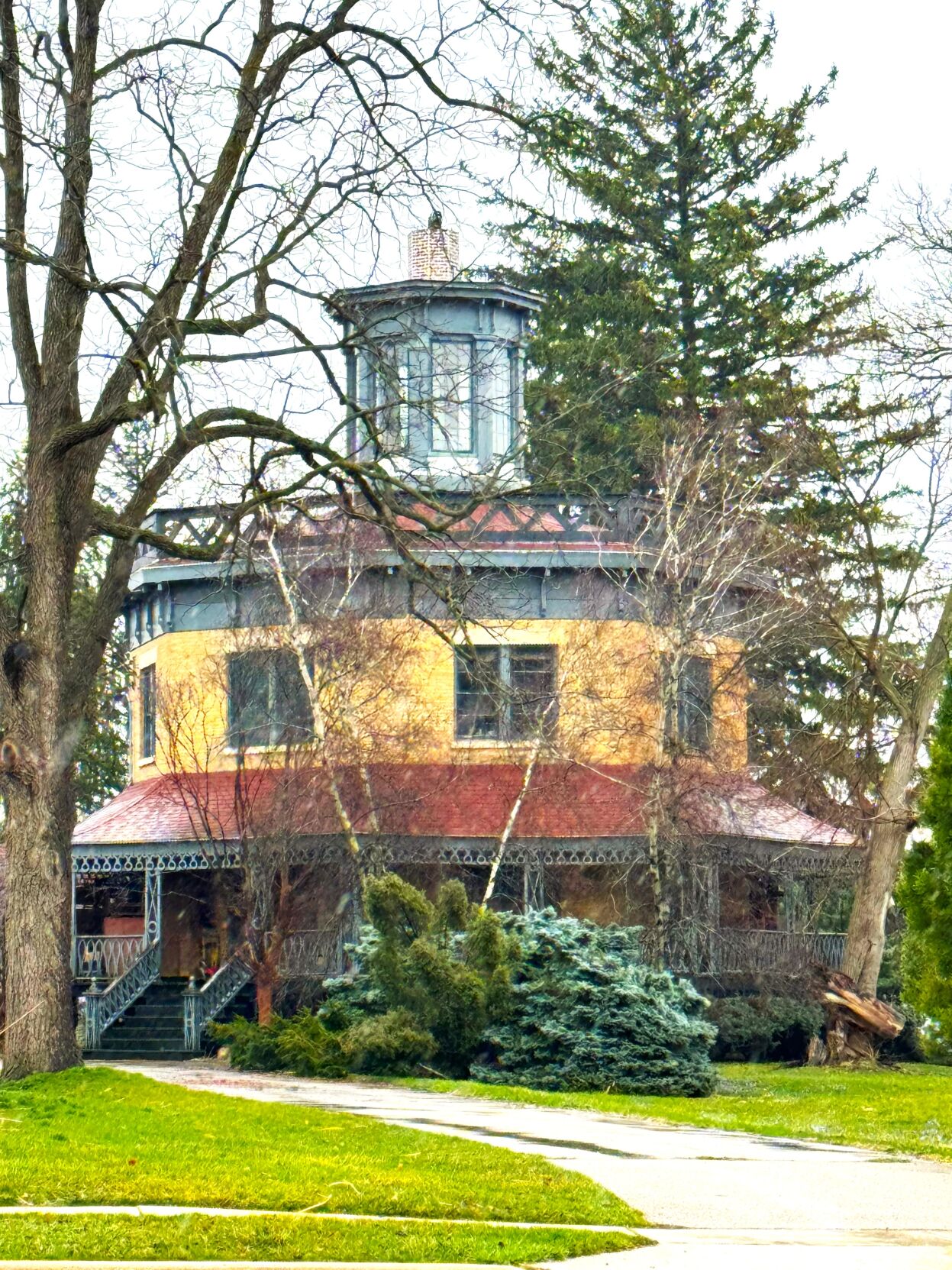
Set back from the street and partially obscured by surrounding landscaping, it's easy to overlook the circa-1856 buff brick octagon house built for lawyer Edward Elderkin at 127 S. Lincoln St. in Elkhorn. The home was listed on the National Register of Historic Places in May 1974. Also known locally as "The Round House," the distinctive two-story home features Italianate-style detailing, a wrap-around porch, a 16-foot-tall windowed cupola and a four-flue central chinmey. Popularized in the 1850s by architect Orson Squire Fowler, eight-sided octagon houses were constructed all over the country. At more than two dozen, including seven in Walworth County, Wisconsin has more octagon houses than any state except Massachusetts or New York.
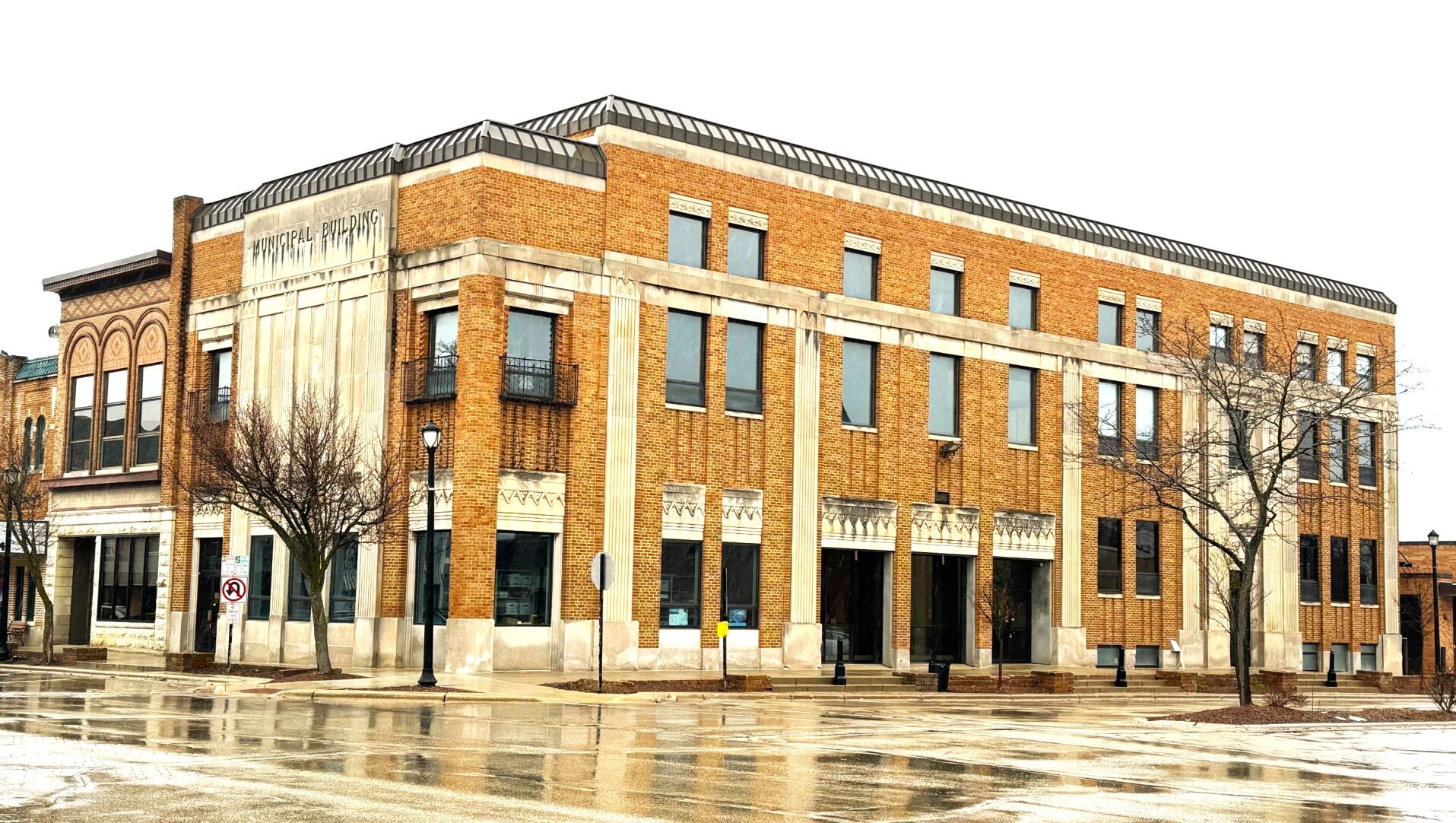
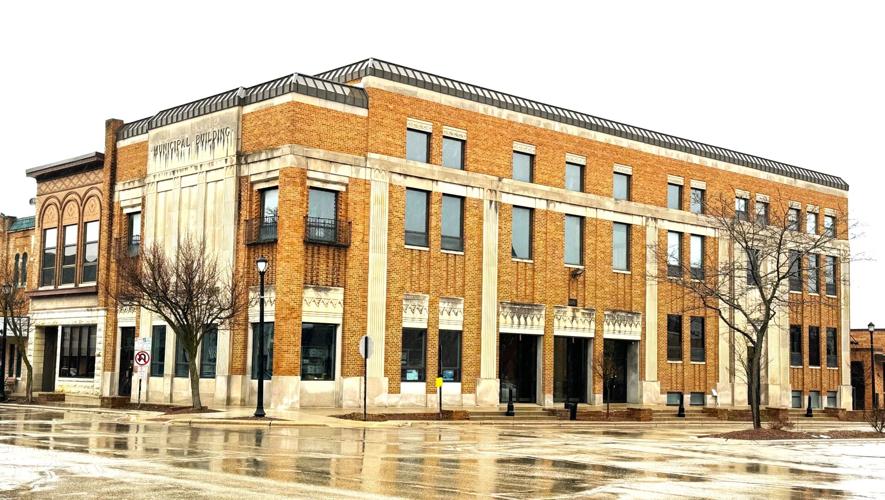
The Art Deco-styled Elkhorn Municipal Building, 9 S. Broad St. at Courthouse Square in downtown Elkhorn, was designed by architect Edward Tough and built during the Great Depression in 1931. The Elkhorn Municipal Building was listed on the National Register of Historic Places in August 2012.
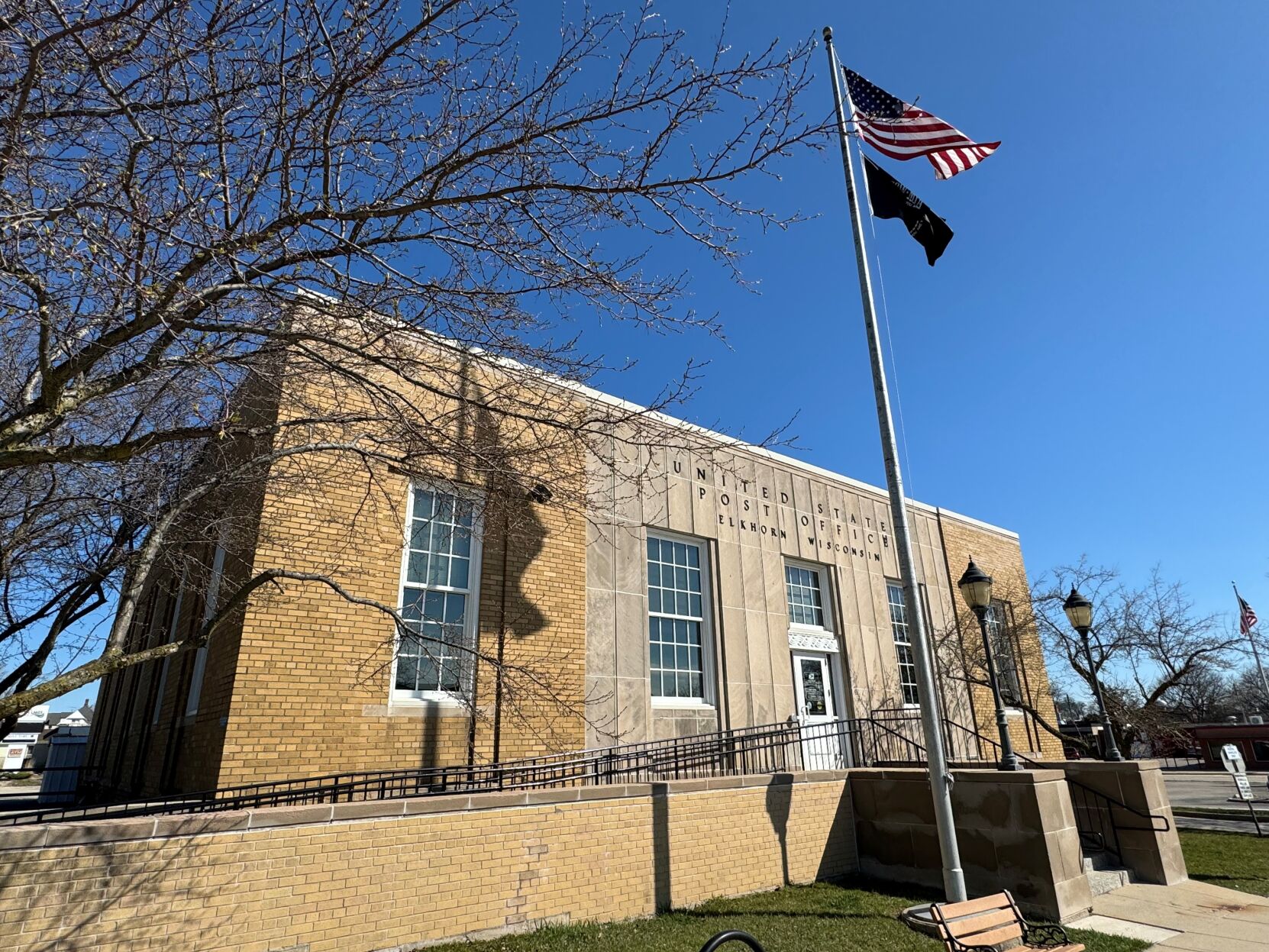
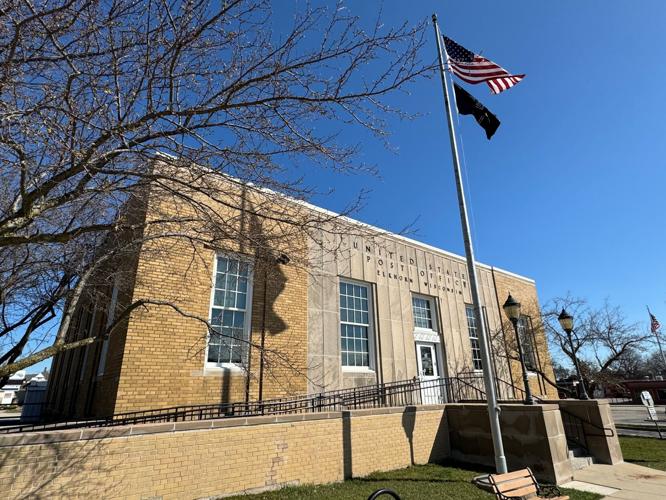
The United States Post Office in Elkhorn, 102 E. Walworth St., was listed on the National Register of Historic Places in October 2000. Built in an Streamline Moderne architectural style in 1936 and designed by architect Louis A. Simon, the Elkhorn Post Office features a circa-1938 interior lobby mural by artist Tom Rost depicting early mail delivery by horseback. At the time he painted the mural, Rost was a political cartoonist for The Milwaukee Journal. Still home to the U.S. Postal Service, the Elkhorn Post Office is the first federally-owned post office facility in Elkhorn.
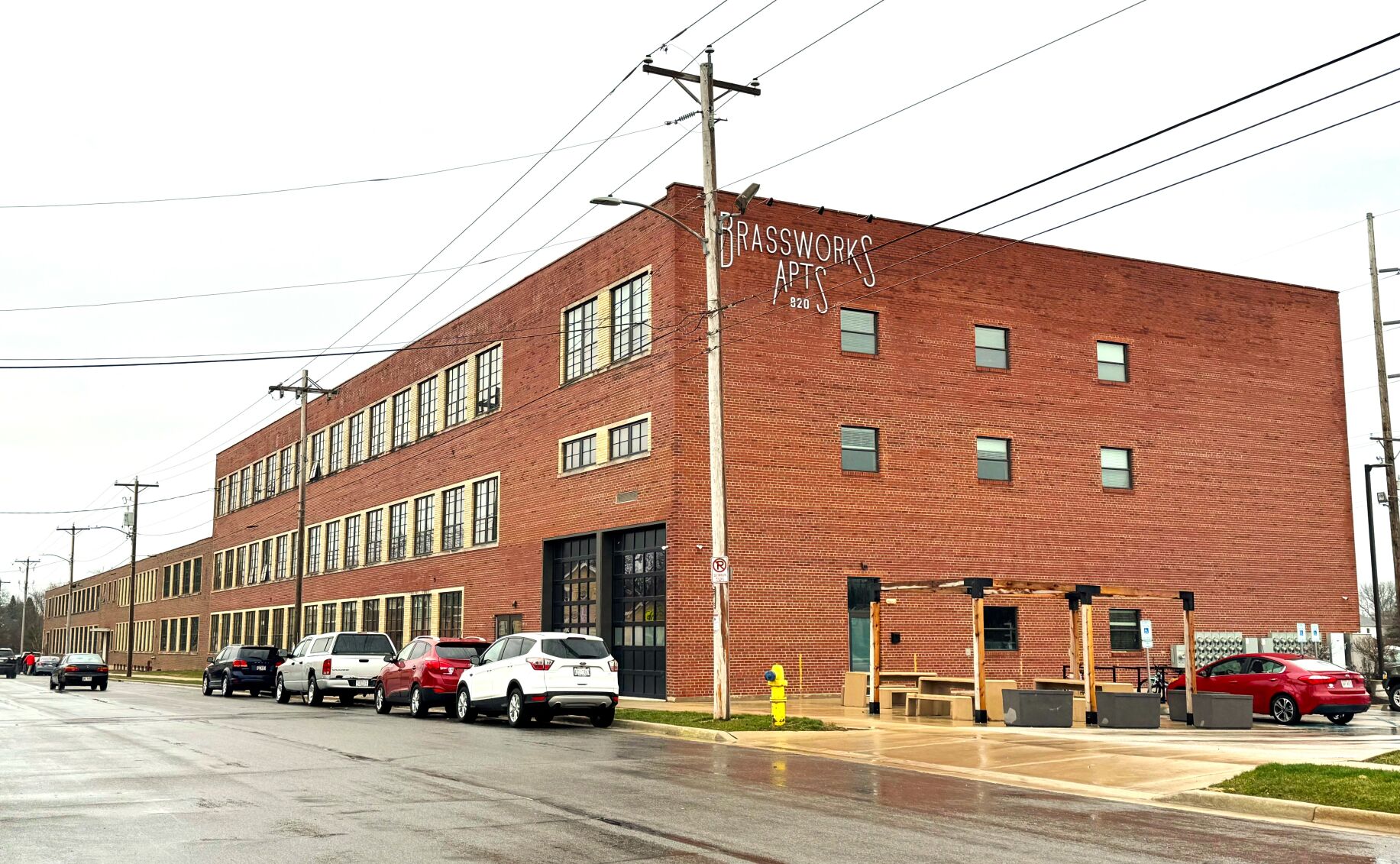
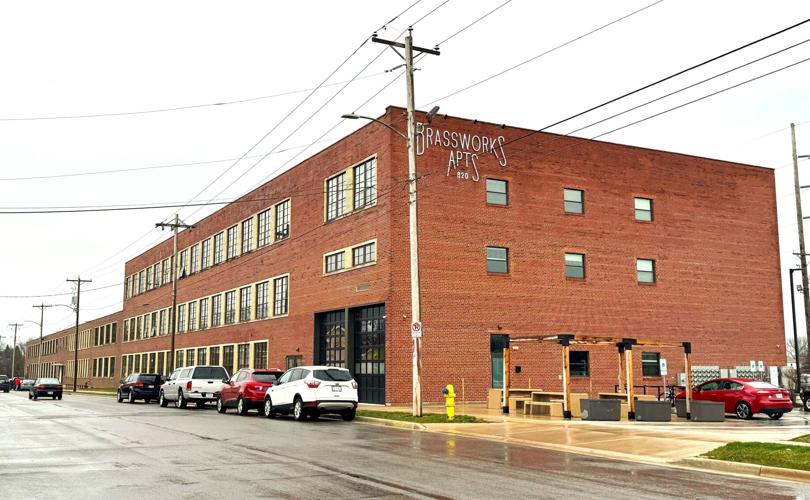
Significant in its contribution to the industrial heritage of Wisconsin and the nation, the George W. Borg Corp. manufacturing plant at 820 E. Wisconsin St. in Elkhorn was added to the National Register of Historic Places in February 2020. The original two-story factory was built in 1943 for the production of war materiel during World War II, including time fuzes for anti-aircraft shells. After the war, the plant shifted under Borg's newly-created Borg Fabric Division to the production of textiles for the apparel industry, adding a three-story addition in 1956. The division pioneered advancements in the production of knitted pile fabrics using synthetic fibers, including its patented Borgana fabrics. The largest employer in Delavan from the 1940s into the 1960s, Borg ended its Delavan manufacturing operations in 1980. Later home to Bergamot Brass Works, Inc., the industrial plant was repurposed in 2020 as the 73-unit Brassworks Apartments, a mixed-use apartment complex.
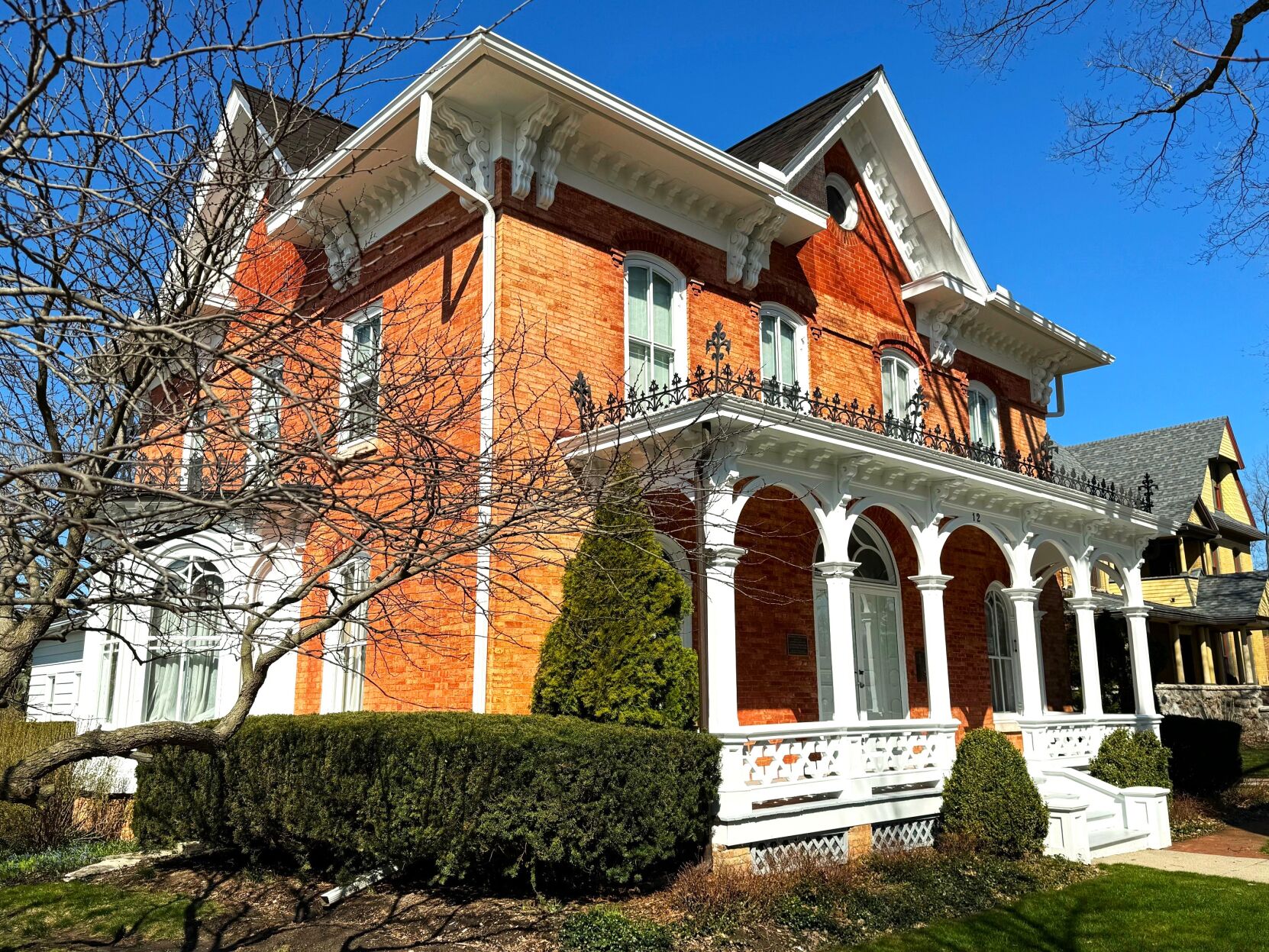
A longtime architectural anchor on Walworth County seat Elkhorn's Courthouse Square, the picturesque Reynolds-Weed House at 12 N. Church St. was added to the National Register of Historic Places in March 1983. Named after former owners Dr. James Reynolds and Belden Weed, the brick structure was built as Elkhorn Union School in 1850. Decorative Victorian/Italianate-styled ornamentation and a distinctive bay window were added later by either Reynolds or Weed, who bought the home in 1879.
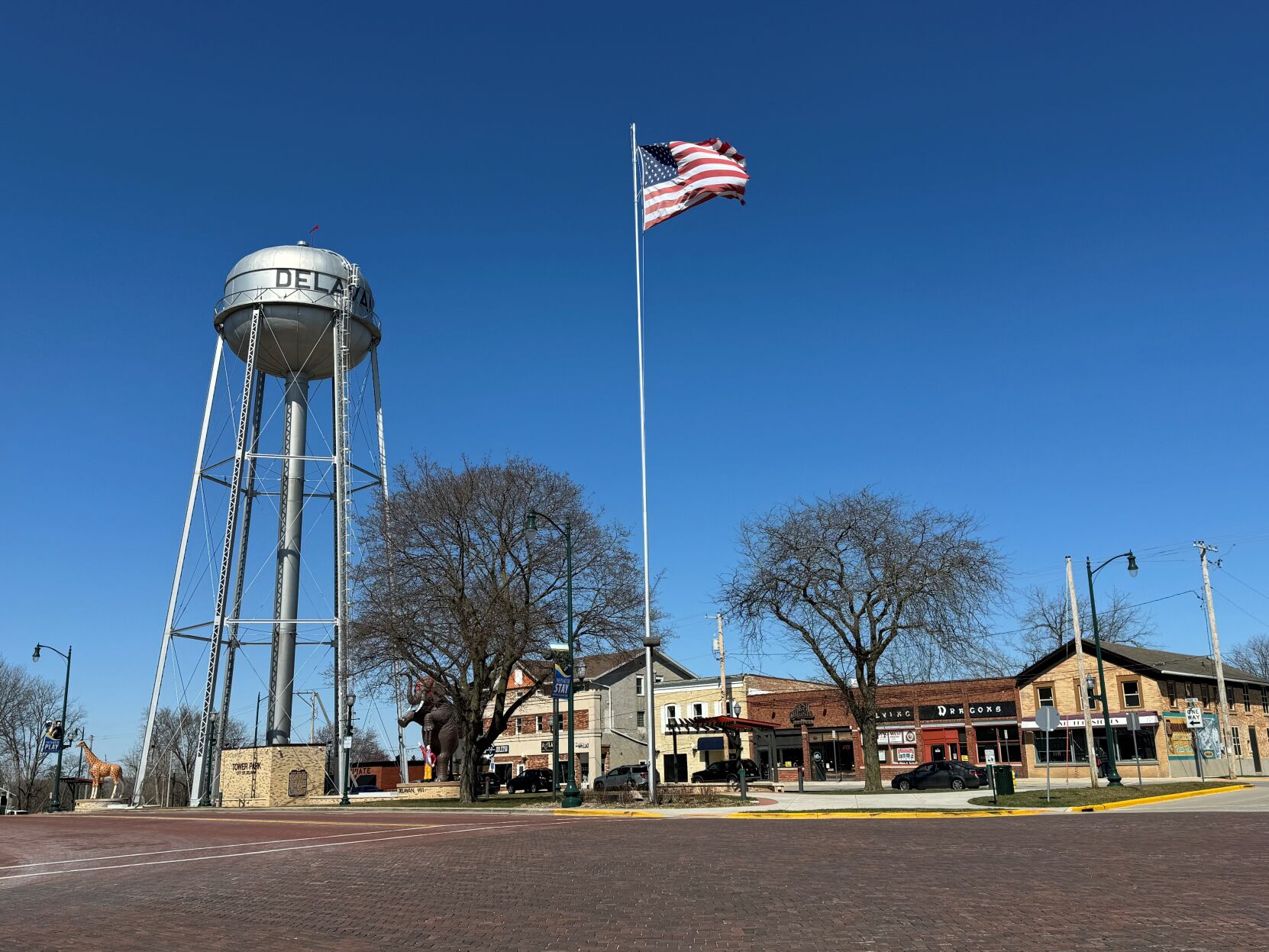
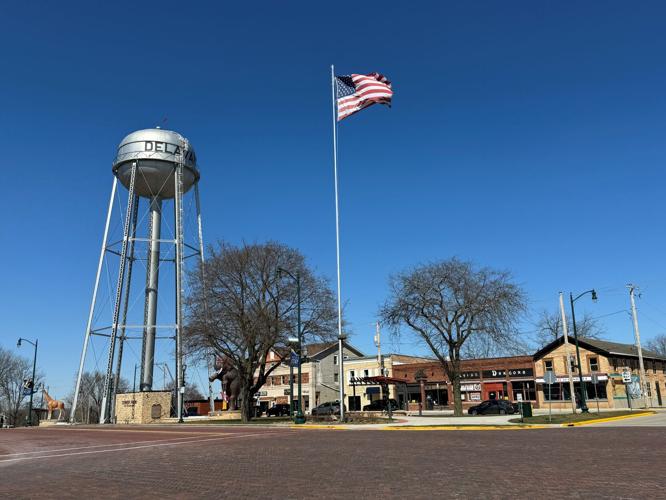
Downtown Delavan's Water Tower Park Historic District, listed on the National Register of Historic Places in March 2016, is anchored by the city's circus-themed Water Tower Park and commercial districts bordering the 0.5-acre park at 101-137 Park Place and 104-130 E. Walworth Ave. Notable buildings in the Water Tower Park Historic District include the Italianate-styled 1851 Jackson Flats, the Greek Revival-styled 1866 Smith's Blacksmith Shop and the 20th Century Commercial-styled Delavan Motor Co. garage.
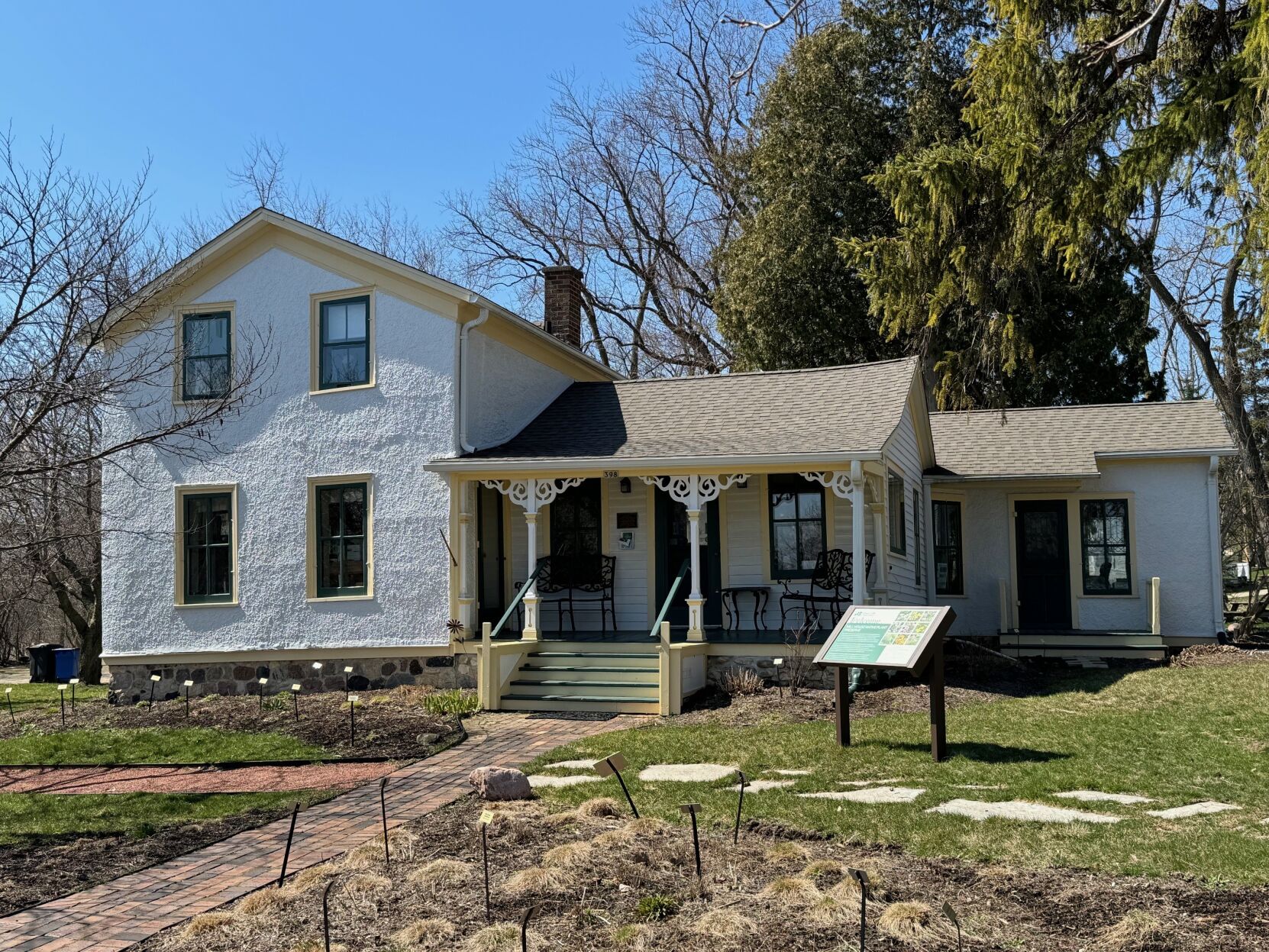
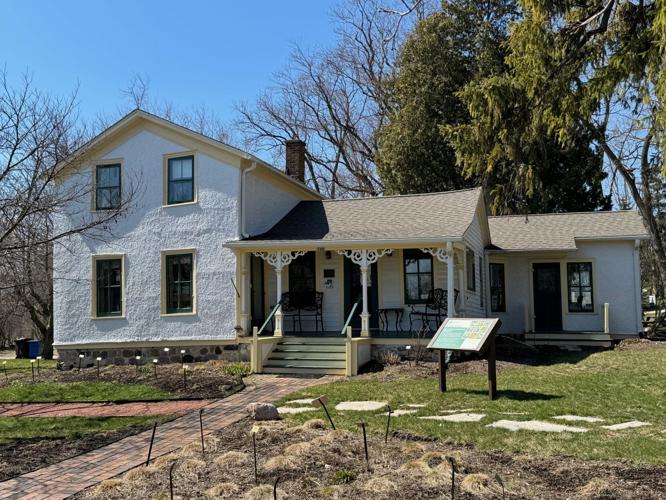
Built in the 1840s partly with "stovewood" construction walls, the Douglass-Stevenson House at 398 Mill St. in downtown Fontana was listed on the National Register of Historic Places in April 1986. New York-born namesake Carlos Lavalette Douglass (1827-1898) relocated to Walworth County in 1837, where made his name and forture farming and operating early flour mills in Fontana. Later a land developer and the donor of land for the community's first school, Douglass would become active in local and state politics, serving on the Walworth County Board of Supervisors and a single one-year term as a Republican legislator in the Wisconsin State Assembly in 1873. The Webster-Stevenson House today houses the Geneva Lake Conservancy, a not-for-profit organization dedicated to the preservation of environmentally-sensitive lands, open space and the unique character and quality of life of Walworth County.
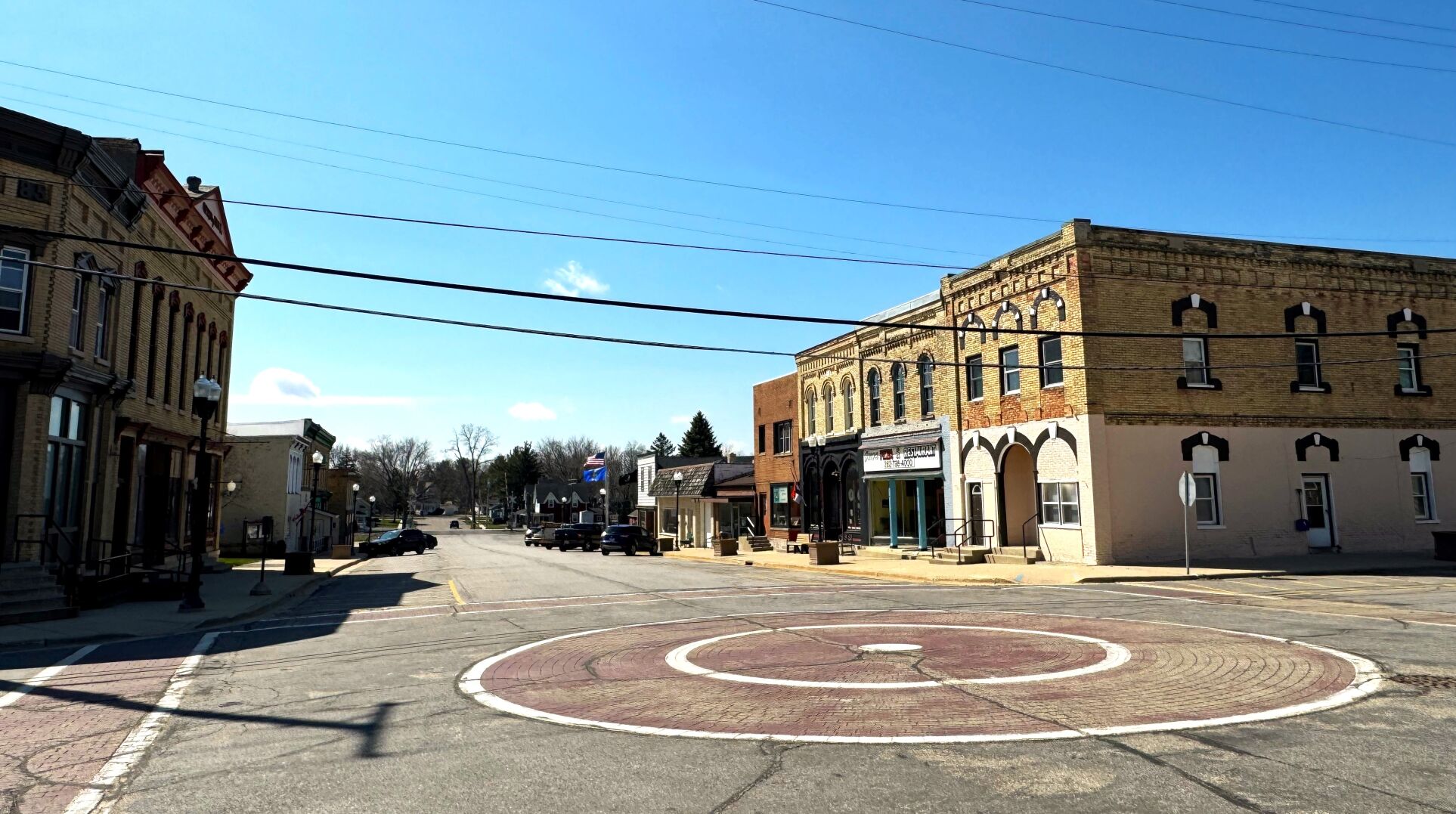
Added to the National Register of Historic Places in August 1993, the 1,586-resident Village of Sharon is home to the Grace and Pearl Historic District, roughly bounded by Pearl, Park, Dougall, Grace and Martin streets. Encompassing two long residential streets directly east of downtown Sharon (pictured), the residential historic district encompasses 62 contibuting historic residences, garages and carriage houses dating from 1860-1920 in a variety of architectural styles including Greek Revival, Gothic, Italianate, Queen Anne, Colonial Revival, Classical Revival, Prairie School, Bungalow/Craftsman, as well as some vernacular forms. Noteworthy structures in the district include the circa-1860 Manning Hoard house, the Italianate-styled circa-1875 Daniels/Pearson house, the circa-1893 Queen Anne-styled Dr. Ripley House, and the circa-1900 Dutch Colonial Revival-styled William Hoard House.