
Lake Geneva considers options for making Riviera Beach more accessible

Winger

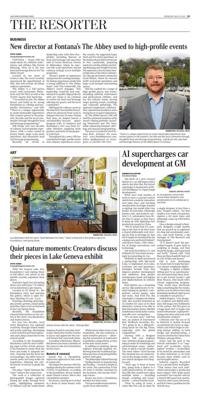
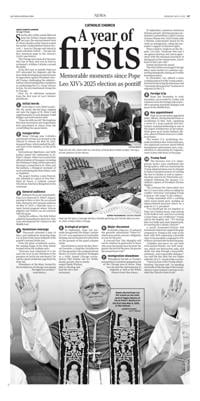
Lake Geneva officials are considering purchasing equipment that would make Riviera Beach more accessible for people with disabilities.

Harbormaster Luke Riesterer is proposing that city officials purchase a kayak launch system, which makes it easier for people to enter and launch their kayaks.
Lake Geneva officials are considering purchasing equipment that would help make Rivera Beach and the lakefront area more accessible for people with disabilities.
Members of the City Council's Piers, Harbors and Lakefront Committee unanimously approved on May 12 for Harbormaster Luke Riesterer and Parks Director David Winger to develop a plan for obtaining the equipment using funds that were allocated to purchase a seaweed harvester in the city's 2026 Winger budget.
Riesterer and Winger are set to present their plan to the full City Council on Tuesday, May 26.
Mobile devices
City officials are considering purchasing mobile devices including a floating wheelchair which would allow users to travel on the beach and into the lake. The floating wheelchair would cost about $2,350.
Another device that is being considered is a beach rollator, which costs about $4,000 and serves as a walker for people who are using the beach.
Purchasing a self-operated wheelchair called the "Beach Bomber," which costs about $6,100 and allows users to travel on sand, is another option.
Riesterer said beach staff would be trained on how to use the equipment.
"If anybody needs assistance, we will be able to provide it or at least they would have a crash course to help people use a device independently," Riesterer said.
Several options are being considered to make it easier for people to launch their watercraft into the lake and to use their wheelchairs while visiting the beach.
City officials could obtain lightweight roll-out mats, which costs between $1,900 and $3,570 and are designed to launch canoes, kayaks, jet skis and small boat trailers, as well as heavyweight rollout mats that could be used to launch boats and larger watercrafts. The heavyweight mats cost between $2,370 and $4,640.
"So if we do have those larger watercrafts, the mat would be able to disperse that weight so they can get their trailer lowered into the water to make it easier for launching," Riesterer said.
Roll-up walkway mats, which allow people to use their wheelchairs or walkers on the beach, are also an option. The walkway maps cost between $600 and $4,400 depending on their size.
"The mats are movable, so they are not permanent," Riesterer said. "There are anchors we can buy to make it more secured. At any point, we can roll it up and move it to another spot and roll it back out, and we can always extend the length."
Another option is a $385 "Access Trax" system, in which mat panels are pieced together with Velcro.
"They're very nice because they're light and quick and easy to set up and tear down," Riesterer said. "The downside is they are light. So if we have heavy winds or the water gets higher, they have a tendency to move."
Kayak system
Riesterer is proposing that city officials purchase a kayak launch system called a KayaArm, which costs about $340 and makes it easier for people to enter and launch their kayak. It also includes a chain system which allows people to pull their kayak out of the water.
"It keeps the kayak balanced for you and once you're seated and ready to go, you're able to push yourself off of the arm out into the water," Riesterer said.
Alderwoman Linda Frame feels the equipment would make the beach more accessible for older residents and people with disabilities.
"I love all of this stuff," Frame said. "I'm really excited."
Alderwoman Cindy Yager said she would be interested in obtaining the roll-out and roll-away mats first and then the mobile devices.
"I think that gives people access to the beach area, then after that the devices that actually get them in the water or to the water would be secondary," Yager said.
What about the seaweed harvester?
City officials had allocated about $125,000 to purchase a seaweed harvester. However, Winger said they have since learned that the seaweed harvester would cost about $175,000 and have decided to purchase it another year.
"This was booked three years ago and prices have gone up drastically," he said.
Winger said they also need to determine where they would store the device and the harvested seaweed.
He said city officials could hire a company to store the seaweed.
"Honestly, it would probably be a bit more fiscally responsible that way because we really don't have a place to store it, then you have to build a place to store it and that costs money, too," Winger said.