

Beyond protein
6 other nutrients that help prevent muscle loss


When you think about what to eat to keep your muscles strong as you age, protein-rich foods like eggs, chicken, tofu or protein shakes probably come to mind. And for good reason, as protein is essential for building, repairing and maintaining muscles.
But focusing on protein alone can cause you to overlook other key players in the fight against muscle loss, says Dr. Frank Hu, a professor of nutrition and epidemiology at the Harvard T.H. Chan School of Public Health. "Getting enough protein is necessary for health, but it's not sufficient," he says.
"Protein plays in tandem with other macronutrients, micronutrients, antioxidants, hydration status, activity level and more," adds Meghan Salamon, a preventive medicine and obesity medicine dietitian at Harvard-affiliated Massachusetts General Hospital.
It's natural to lose some muscle mass and strength as you age, a process known as sarcopenia. If not addressed, it can lead to falls, fractures, loss of independence and a lower quality of life.
But evidence is growing, Salamon says, that "a high-quality, well-balanced diet, paired with exercise, can work together to prevent muscle loss."
Here are six key nutrients that work along with protein to support muscle health.
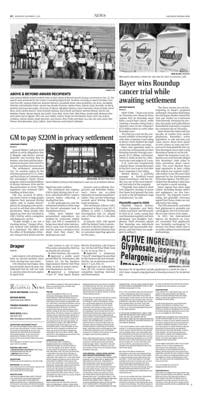
1 Carbohydrates
Carbohydrates are the body's preferred energy source, and they play a vital role in muscle maintenance. During exercise, carbohydrates replenish muscle glycogen, the stored fuel that muscles burn during activity. Without enough carbohydrate fuel, your body may break down muscle tissue for energy instead, contributing to muscle decline.
When you choose your carbs, prioritize high-quality ones like whole grains, vegetables, fruits and legumes.
2 Iron
Iron plays a fundamental role in muscle function by helping deliver oxygen to muscles and supporting energy production. Low iron levels can prevent the body from making enough myoglobin (the protein within muscle cells that stores and transports oxygen), which can weaken muscle performance. Iron deficiencies can cause anemia, a deficiency of red blood cells and hemoglobin, which carry oxygen to the body's tissues.
While most American adults' diets supply enough iron, the incidence of anemia tends to rise later in life, often due to medications, difficulties absorbing iron, or internal bleeding from health conditions like ulcers. One study of older hospitalized patients found that iron deficiency in itself was a risk factor for impaired muscle strength, even beyond the expected effects of aging. Seek out iron in foods like poultry, fish, tofu, red meat, lentils and fortified breakfast cereals.
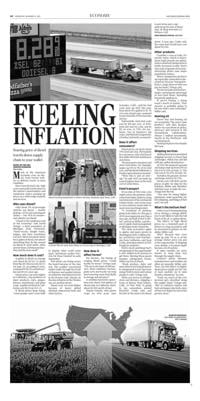
3 Vitamin D
Vitamin D plays several important roles in maintaining muscle health. Muscle cells contain vitamin D receptors, and low levels of the vitamin have been consistently linked to weaker muscles, slower walking speed and a higher risk of falls. Vitamin D is also involved in the body's absorption of calcium — a mineral vital to muscle contraction.
Though the skin can synthesize vitamin D when it's exposed to sunlight, most Americans need other sources as well, like vitamin D-fortified dairy products, fatty fish, supplements, or some combination.
"Vitamin D levels are known to decrease with age, so it's crucial to ensure proper intake of vitamin D, whether from food, sunlight, or supplements," Salamon says. She adds that studies have linked vitamin D supplements with improved muscle strength and balance in older adults.
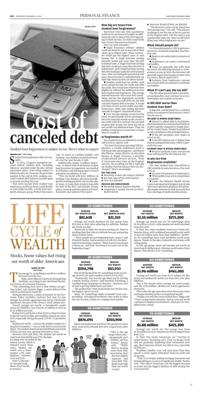
4 Omega-3 fatty acids
These "good fats" — found in fatty fish like salmon, sardines, and mackerel, as well as avocados, walnuts, and flaxseeds — have well-known heart-health benefits. But their anti-inflammatory properties also benefit muscles. Chronic lowgrade inflammation is a driver of sarcopenia, and omega-3s may help dampen that process.
Research suggests that omega-3 supplements may help increase the body's rate of building proteins and repairing tissues. A 2021 study found that when middle-age and older adults ate two weekly servings of fish, their muscle mass, handgrip strength and gait speed increased significantly over a two-month study period.
5 Magnesium
This mineral is involved in more than 300 biochemical reactions in the human body, and many of them relate directly to muscle health. "Magnesium aids proper muscle function, including contraction and relaxation," Salamon notes. Magnesium also is involved in creating proteins and reducing inflammation, which can help boost muscle recovery.
A 2022 study found that sufficient magnesium intake may protect against sarcopenia. Yet many older adults don't get enough magnesium through their diets, due to decreased appetite and reduced absorption. Good sources of magnesium include leafy greens, beans and other legumes, nuts, seeds and whole grains.
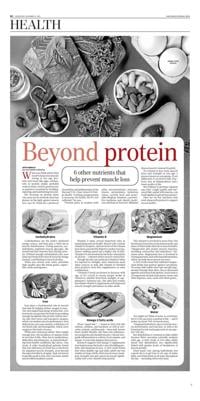
6 Water
You might not think of water as a nutrient, but it's the one most essential to life — and it makes up about 76% of muscle mass.
"Adequate hydration is also crucial for muscle performance and function, as well as for lowering the risk and progression of sarcopenia," Hu says.
But dehydration is common in older adults because thirst sensation naturally weakens with age. A 2023 study of 190 older adults found that dehydration was significantly linked with greater levels of breakdown of muscle protein.
Fluid needs vary among individuals, but a good rule is to get four to six cups of water daily, and drink fluids of all types throughout the day — including with every meal.