

Living history: Places to go that preserve Walworth County's rich historical legacy
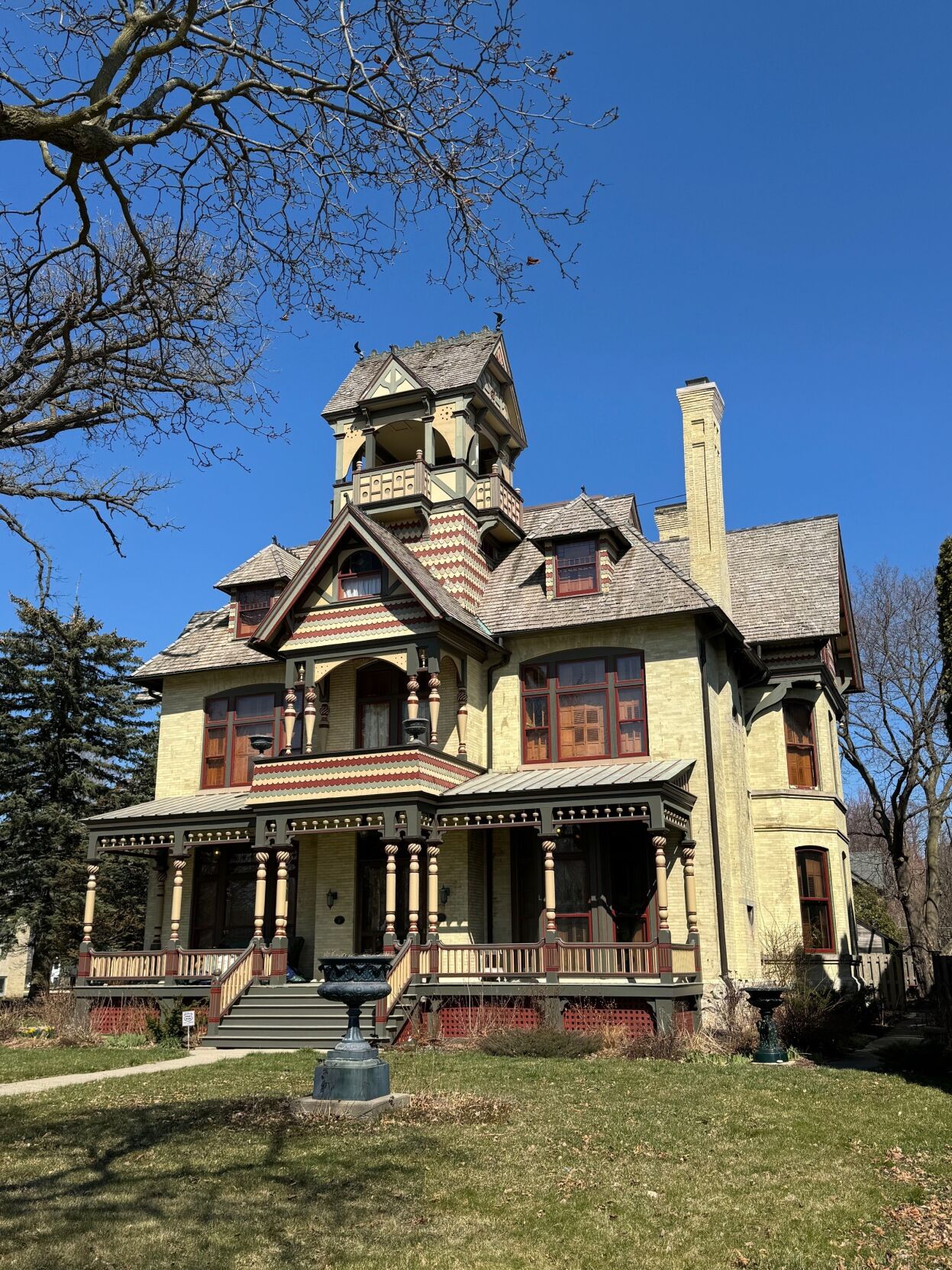
Delavan's high-style Queen Anne A.H. Allyn Mansion, 511 E. Walworth Ave., was built in 1885 for wealthy local farmer Alexander Hamilton Allyn (1835-1913). Designed by famed architect Edward Townsend Mix, among the most prolific and versatile American architects of the Victorian period, the A.H. Allyn Mansion was added to the National Register of Historic Places in September 1985. Today a private residence, the Allyn Mansion has seen several adaptive commercial reuses over its history, including stints as a nursing home, furniture store and the Allyn Mansion luxury boutique hotel. The A.H. Allyn Mansion was added to the National Register of Historic Places in September 1985.
“They paved paradise and put up a parking lot, with a pink hotel, a boutique and a swinging hot spot. Don’t it always seem to go, that you don’t know what you got ‘til it’s gone?” — “Big Yellow Taxi,” Joni Mitchell, 1970

Johnson
While singer Joni Mitchell’s tuneful musical lament has been a sad reality for historic preservationists in communities across Wisconsin and the nation, Walworth County has been on the strikingly positive side of the ledger when it comes to its roster of enduring National Register of Historic Places sites.
While there admittedly have been a few notable demolition losses of National Register sites in Walworth County over the decades in Lake Geneva, Linn and Delavan, the county still numbers 50 Register listings of local, state or national architectural and historical significance.
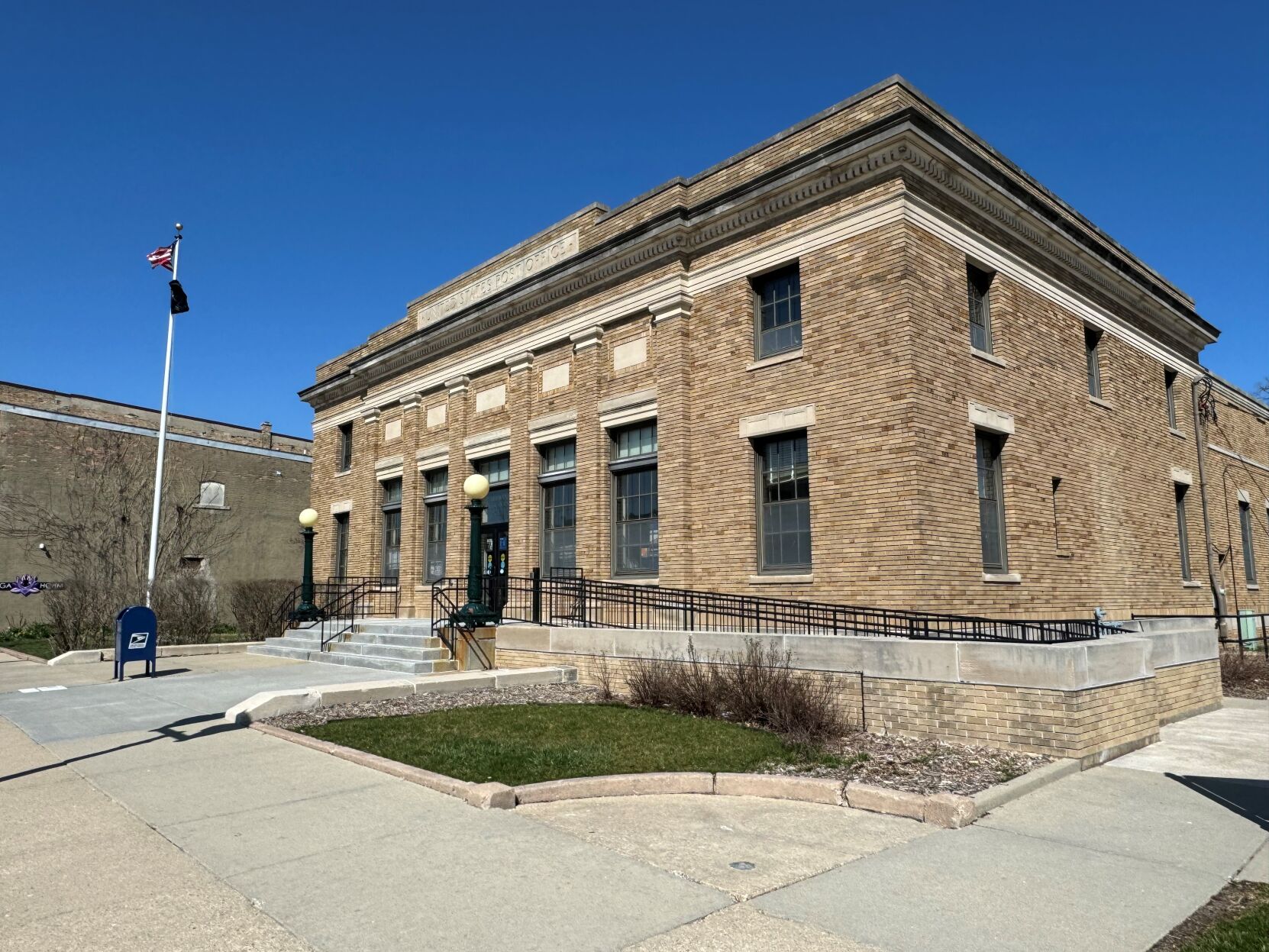
Delavan's Neoclassical/Beaux Arts-styled United States Post Office, 335 E. Walworth Ave., was designed by Oscar Wenderoth and built in 1914. Listed on the National Register of Historic Places in October 2000, the building interior features a circa-1984 mural painted by Rosemary Roth depicting Delavan history. Giving a nod to Delavan's rich circus history, the U.S. Postal Service's American Circus Stamp, featuring the image of famed circus clown Lou Jacobs, was released from the Delavan Post Office on May 2, 1966 thanks to the efforts of Delavan Postmaster W. Gordon Yadon, with celebratory local festivities including circus performances and a parade.
The National Register of Historic Places is the official list of the nation’s historic sites worthy of recognition and preservation. Authorized by the National Historic Preservation Act of 1966, the National Register of Historic Places is part of a national program to coordinate and support public and private efforts to identify, evaluate, and protect America’s historic and archeological landmarks.
At the end of 2023, more than 98,000 properties were listed with the National Register, with almost every U.S. count having at least one place listed in the National Register.
While some counties in the U.S. may have more listings than Walworth, with Middlesex County, Mass. numbering more than 1,300 listings, more than any other county in the U.S., the fact that 106,478-resident Walworth County has 50 listings is nonetheless an impressive distinction.
“While that might not seem like a huge number, comparatively, to the east coast or other parts of the country where it’s much more populated, if you look at just the population density of the county, my hunch is that it (50) is a pretty healthy number,” said David Alan Desimone, site director for Wisconsin Historical Society-owned Black Point Estate & Gardens in Linn, a National Register-listed circa-1888 summer home mansion built for Chicago Beer Baron Conrad Seipp. “If you look at the per cap based on residents to construction that’s been recognized, it sure seems like a pretty healthy number.”
National Register-listed sites span the breadth of the 577-square-mile county in Darien, Delavan, East Troy, Elkhorn, Fontana, Lake Geneva, Linn, Richmond, Sharon, Spring Prairie and Whitewater.
Both among Walworth County’s earliest major settlements and population centers, Delavan and county seat Elkhorn are both home to a sizeable number of National Register sites — nine in Delavan, and seven in neighboring Elkhorn.
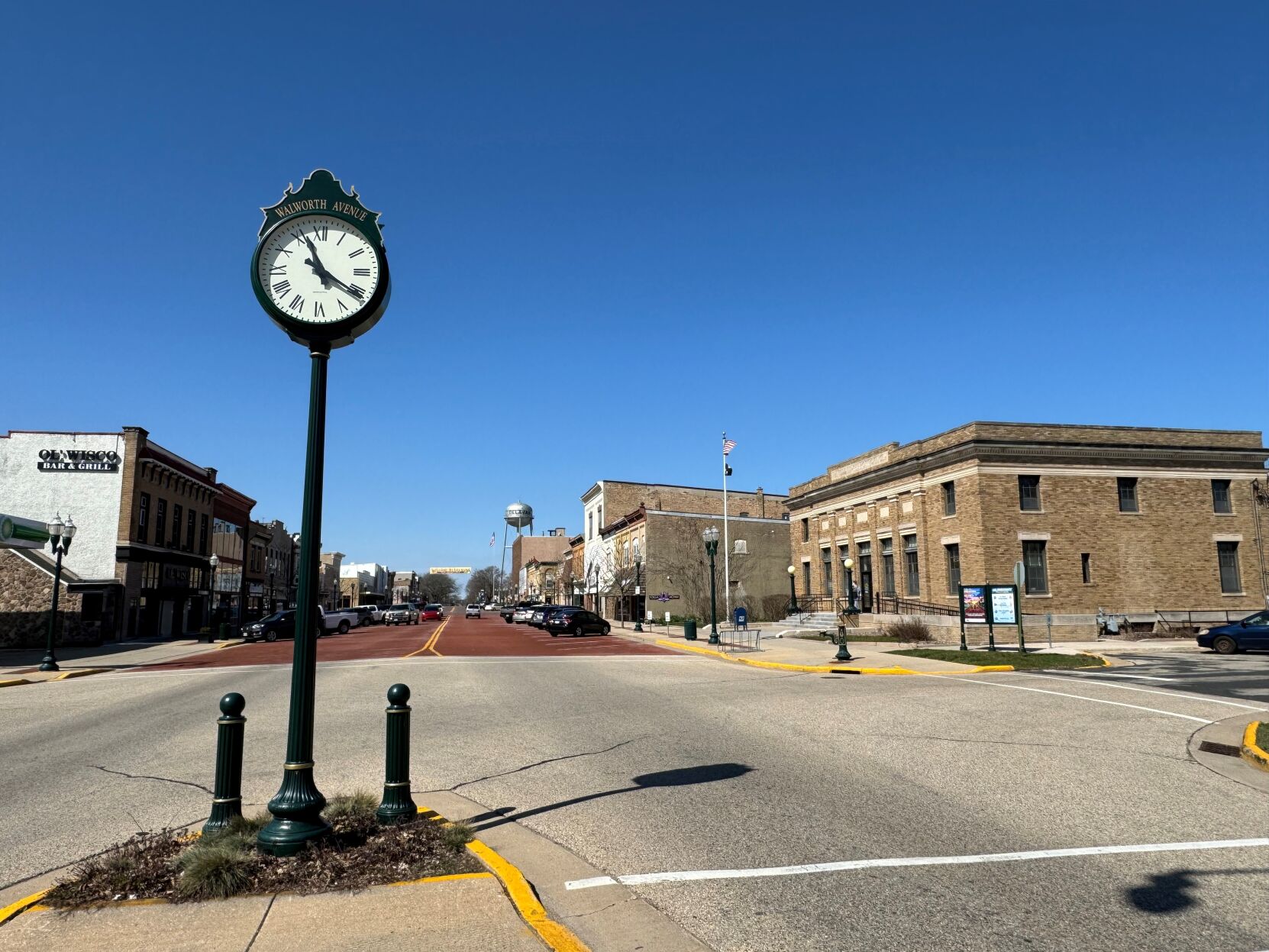
Listed on the National Register of Historic Places in March 2016, the Delavan Downtown Commercial Historic District encompasses the 200-400 blocks of East Walworth Avenue and features an array of architecultural styles dating from the 1870s to 1910s, including Italianate, Neoclassical, Mediterranean Revival and 20th Century Commercial designs. The district is home to several National Register-listed sites including Delavan Post Office, Delavan's Vitrified Brick Street amd Delavan Water Tower Historic District.
“A lot of these smaller, older communities ... have some pretty good building stock,” Desimone said. “There’s an approach in Wisconsin ... to keep reusing and repurposing buildings. People aren’t in a hurry to tear them down. There’s more of an awareness, an appreciation ... where you just keep reusing things. And so, because of that, there’s a larger selection of buildings that would be suitable to be nominated for the National Register ... There’s an appreciation of and value for those older structures ... Because these main streets and town squares in the original commercial districts were not attractive enough for developers with the ‘big box’ boom ... those buildings just sort of sit until somebody decides to repurpose them.”
Desimone said the caliber of architects working in Walworth County often spurs a heightened level of architectural awareness.
“There’s a little more sensitivity,” he noted. “People are more appreciative of what is here, in some ways because of what we’ve already lost.”
Elkhorn
Elkhorn is home to two buildings of national and state significance — the Greek Revival-styed circa-1836 Joseph P. Webster House and the octagon-shaped circa-1856 Edward Elderkin House respectively. The two homes were among the county’s earliest National Register listings in 1972 and 1974 respectively.
Of national significance is the Joseph Philbrick Webster House at 9 E. Rockwell St. in Elkhorn, today home to the Walworth County Historical Society and its Webster House Museum.
Listed in February 1972, the Greek Revival-styled Webster House was originally built on Elkhorn’s public square in 1836 to serve as the local land office.
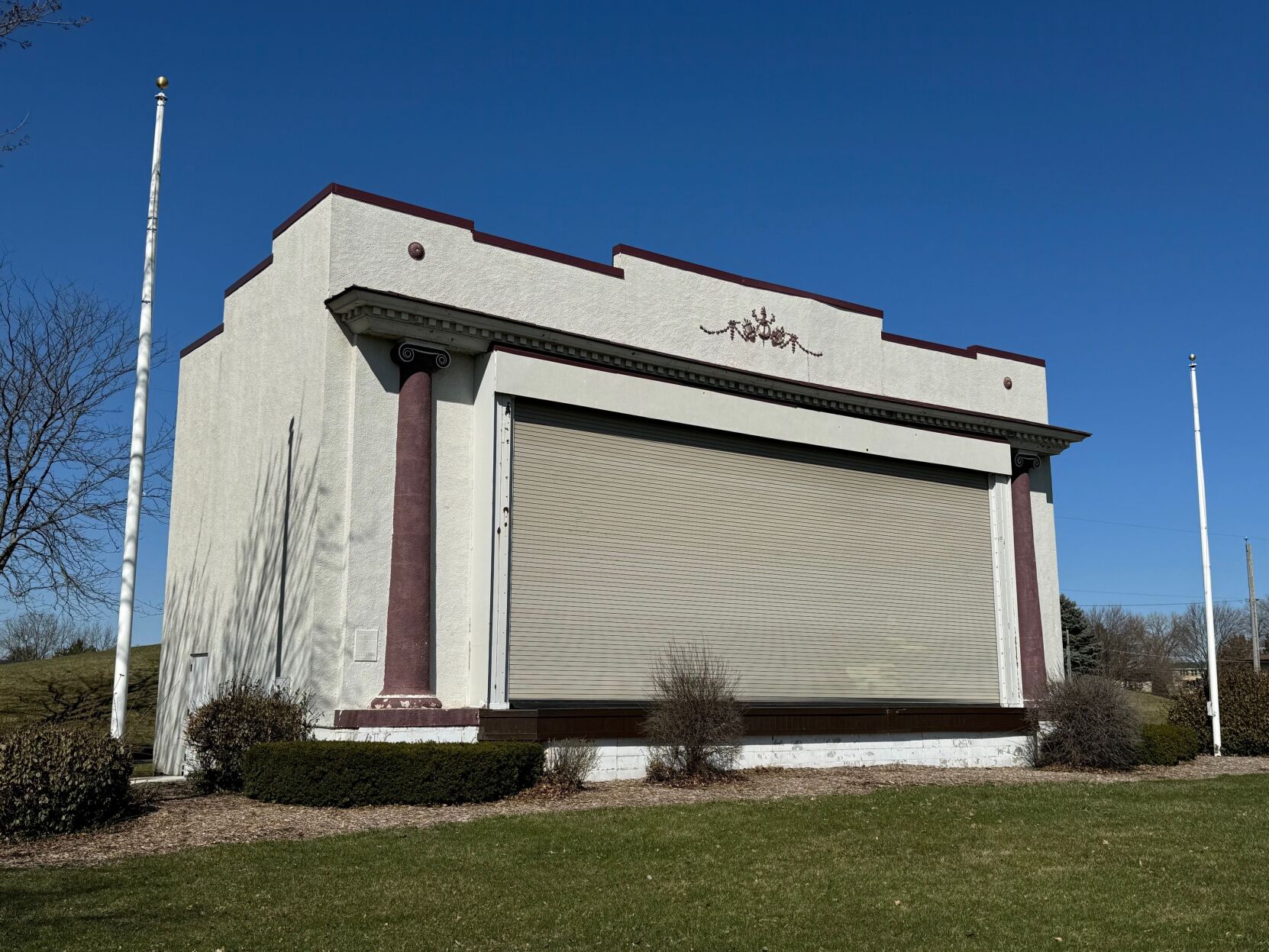
The City of Elkhorn's circa-1926 Classical Revival-styled Elkhorn Band Shell at Sunset Park, 320 Devendorf Road, was listed on the National Register of Historic Places. In use for nearly a century and still home to summer concerts, the Elkhorn Band Shell was originally located downtown in Courthouse Square and relocated in 1962 to Sunset Park, which is bounded by Devendorf, West Centralia and Park streets.
The structure was later relocated to its longtime current home on East Rockwell Street, where it functioned as the home of prolific American musical composer Webster (1819-1875), famed for his musical scores of such popular hits as the 1856 antebellum song “Lorena,” later the featured theme song in the 1939 Metro-Goldwyn-Mayer (MGM) motion picture “Gone with the Wind,” and the 1868 Gospel hymn standard “In the Sweet By and By.”
During his career, Webster scored more than 1,000 songs.
“He was a pretty big musical composer, probably more well known during his era than Stephen Foster was in his era,” Desimone said. “Why is this house on the Register? Because of who lived there.”
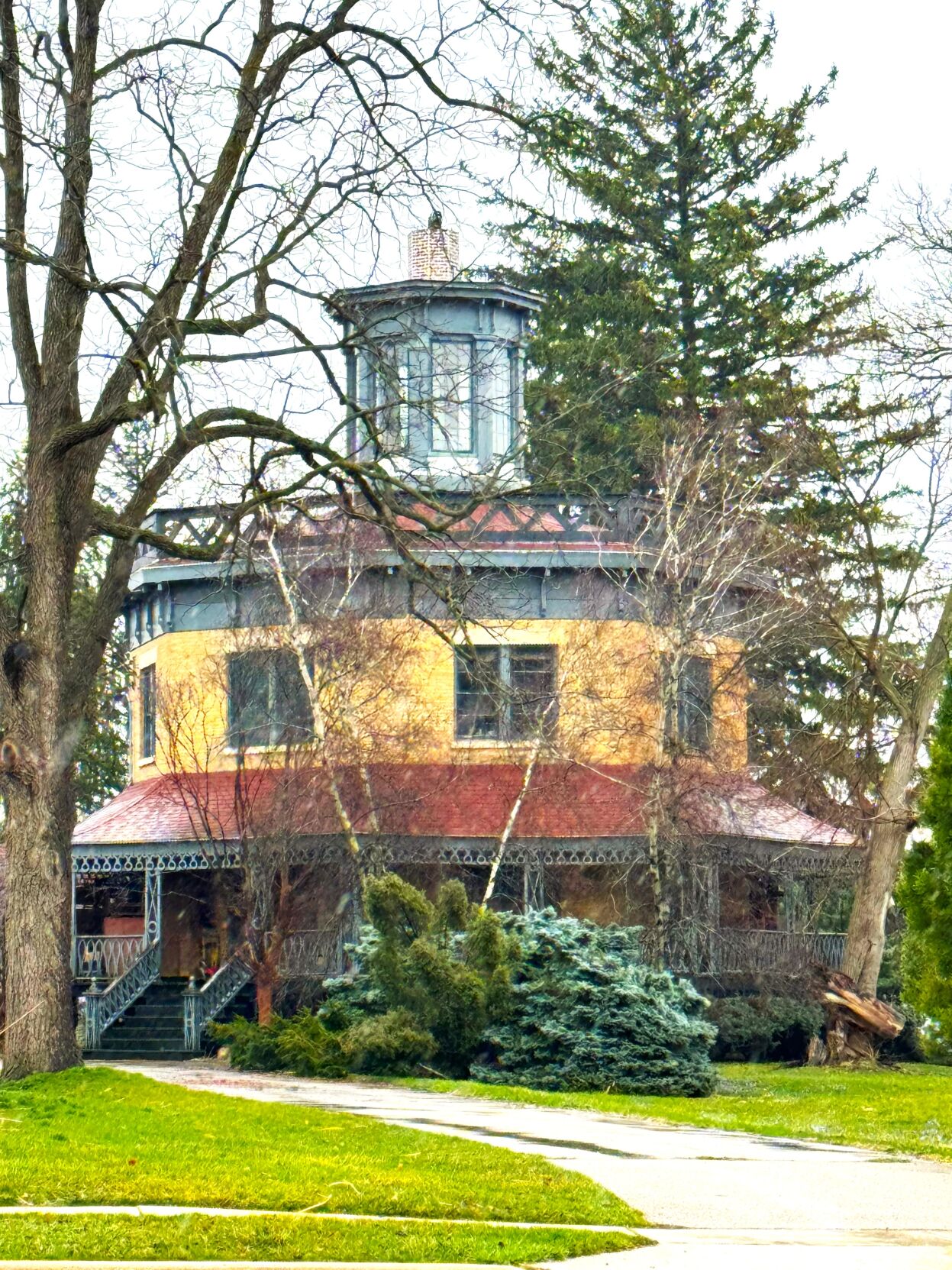
Set back from the street and partially obscured by surrounding landscaping, it's easy to overlook the circa-1856 buff brick octagon house built for lawyer Edward Elderkin at 127 S. Lincoln St. in Elkhorn. The home was listed on the National Register of Historic Places in May 1974. Also known locally as "The Round House," the distinctive two-story home features Italianate-style detailing, a wrap-around porch, a 16-foot-tall windowed cupola and a four-flue central chinmey. Popularized in the 1850s by architect Orson Squire Fowler, eight-sided octagon houses were constructed all over the country. At more than two dozen, including seven in Walworth County, Wisconsin has more octagon houses than any state except Massachusetts or New York.
Set back from the street and partially obscured by surrounding landscaping, it’s easy to overlook the circa-1856 buff brick octagon house built for lawyer Edward Elderkin at 127 S. Lincoln St. in Elkhorn.
Listed on the National Register in May 1974 and also known locally as “The Round House,” the distinctive two-story home features Italianate-style detailing, a wrap-around porch, a 16-foot-tall windowed cupola and a four-flue central chinmey.
Popularized in the 1850s by architect Orson Squire Fowler, eight-sided octagon houses were constructed all over the country.
“Octagon was a real craze architecturally, a fad that came through Wisconsin from the east cost,” said Lake Como resident Michael Rehber, a 13-year lead interpreter at Black Point Estate & Gardens. “We don’t have the largest one in Wisconsin — the best example is in Watertown — the one in Elkhorn in considered quite important.”
At more than two dozen, including seven in Walworth County, Wisconsin has more octagon houses than any state except Massachusetts or New York.
“It’s hard to see, kind of tucked back off the road, but it’s a pretty special building,” Desimone said.
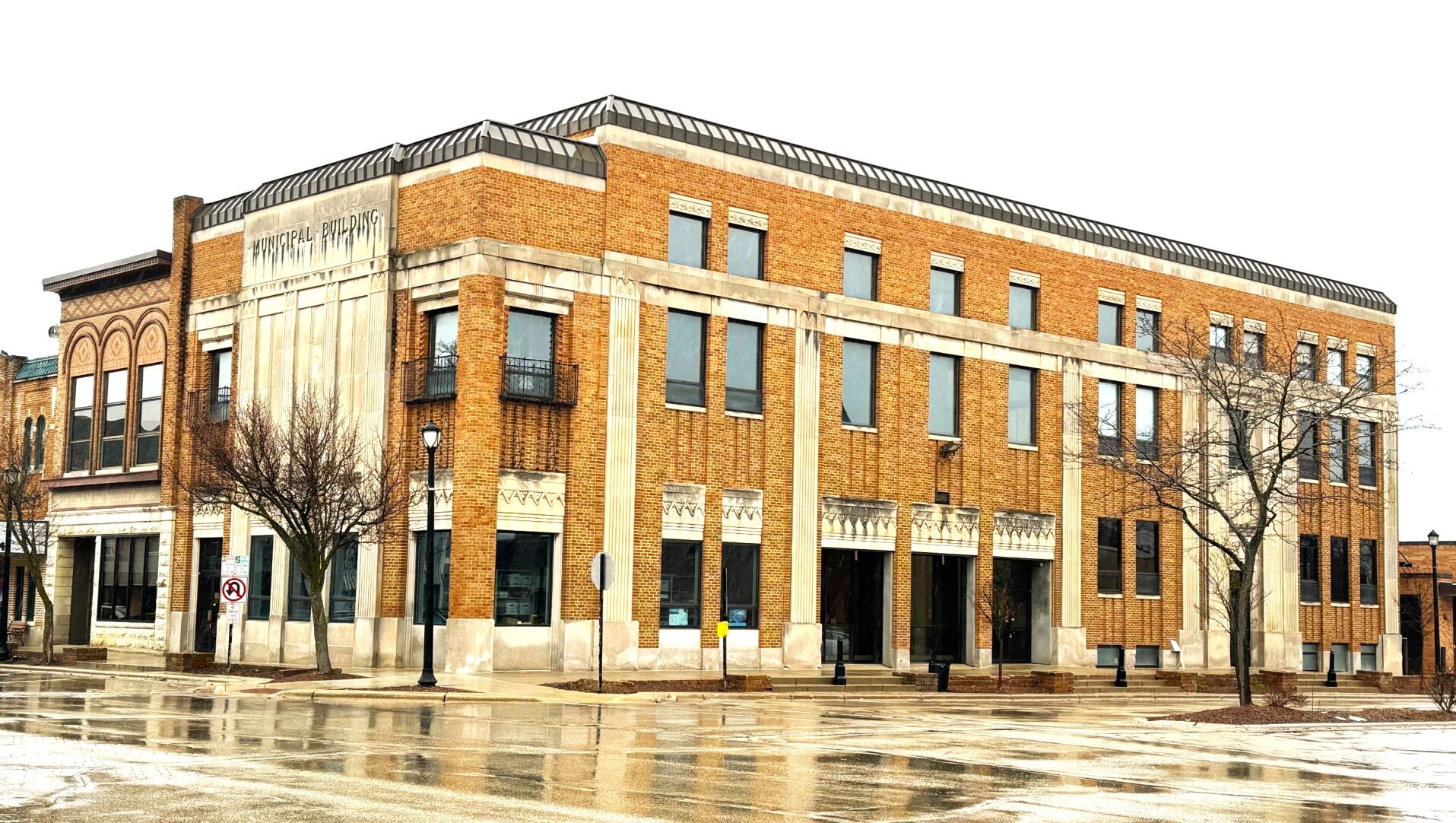
The Art Deco-styled Elkhorn Municipal Building, 9 S. Broad St. at Courthouse Square in downtown Elkhorn, was designed by architect Edward Tough and built during the Great Depression in 1931. The Elkhorn Municipal Building was listed on the National Register of Historic Places in August 2012.
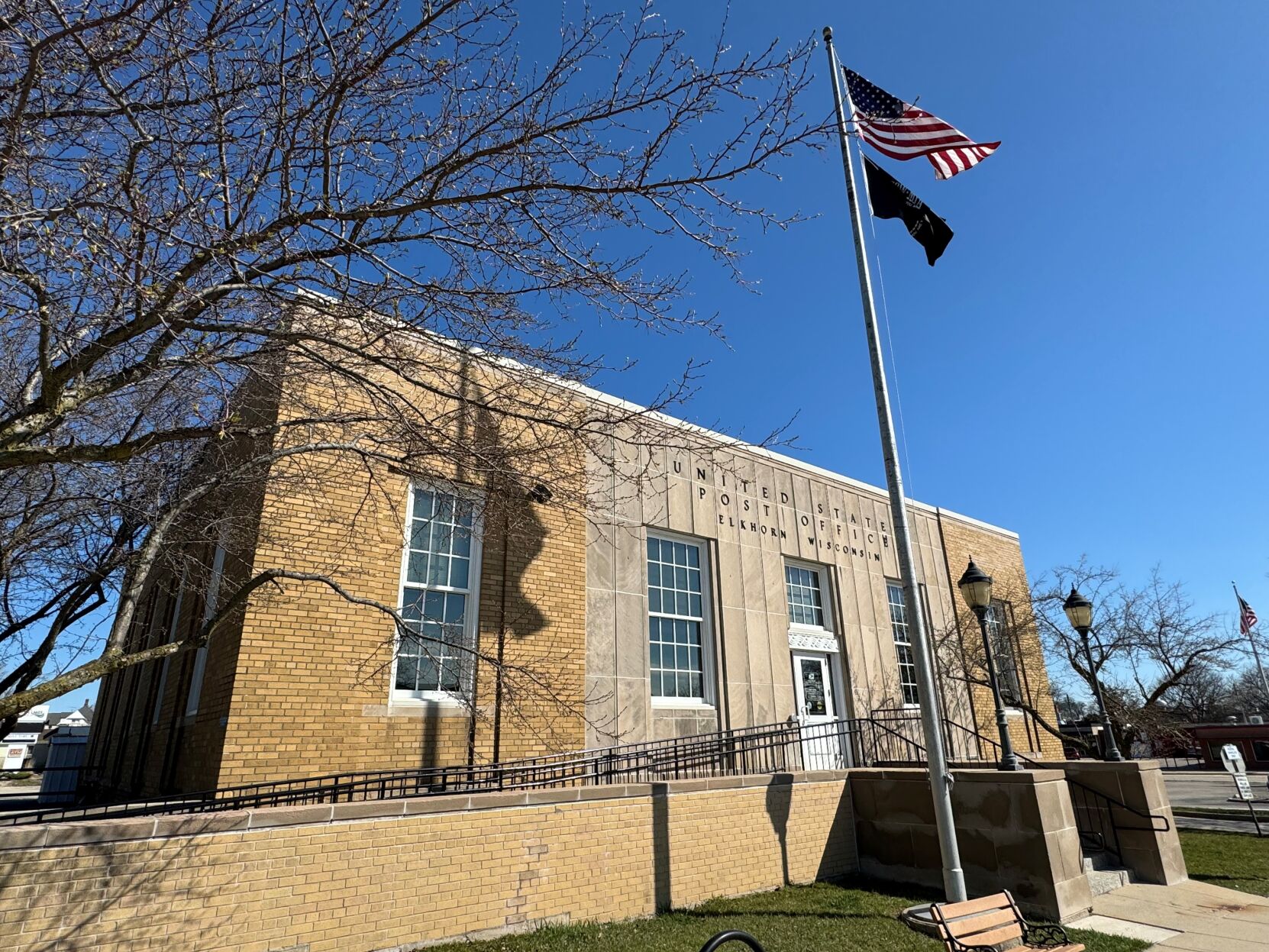
The United States Post Office in Elkhorn, 102 E. Walworth St., was listed on the National Register of Historic Places in October 2000. Built in an Streamline Moderne architectural style in 1936 and designed by architect Louis A. Simon, the Elkhorn Post Office features a circa-1938 interior lobby mural by artist Tom Rost depicting early mail delivery by horseback. At the time he painted the mural, Rost was a political cartoonist for The Milwaukee Journal. Still home to the U.S. Postal Service, the Elkhorn Post Office is the first federally-owned post office facility in Elkhorn.
Delavan
Of state significance in Delavan in the Mile Long Site, an archeological site of prehistoric significance listed on the National Register in June 1977.
Delavan is also home to seven locally-significant National Register sites, many located along East Walworth Avenue, including the Delavan Water Tower Park Historic District, the Downtown Delavan Historic District, the Edward Townsend Mix-designed A.H. Allyn Mansion, and the circa-1914 Neoclassical/Beaux Arts-styled Delavan Post Office, 335 E. Walworth Ave.
A distinctive, unique National Register listing is Delavan’s circa-1913 “Vitrified Brick Street” encompassing the 100-300 blocks of East Walworth Avenue.
An old school paving medium supplanted by modern concrete and asphalt construction, vitrified bricks are fired at a higher temperature and for a longer period of time than a conventional brick, making it harder and impervious to the absorption of water.
Replacing the mud and dust that preceded it, the 100-300 blocks of East Walworth Avenue in downtown Delavan were paved in 1913 with vitrified brick by Racine-based Birdsall-Griffith Co. at a cost of $19,198 and installed by a crew of skilled Italian immigrants over the course of 29 days in July-August 1913,
The city’s famed “Brick Street” was listed on the National Register in March 1996, when Elkhorn-based B.B. Amon and Sons Construction Co. reconstructed the brick roadway at a cost of $1,055,000. Many of the original circa-1913 pavers were reused and remain in place.
Delavan’s historic Vitrified Brick Street is one of the last and best remaining examples of original paved roads in Wisconsin.
“It’s an interesting ‘character’ kind of thing,” Rehberg said. “Who else can say in Walworth County they have a brick street? It’s part of the community’s personality.”
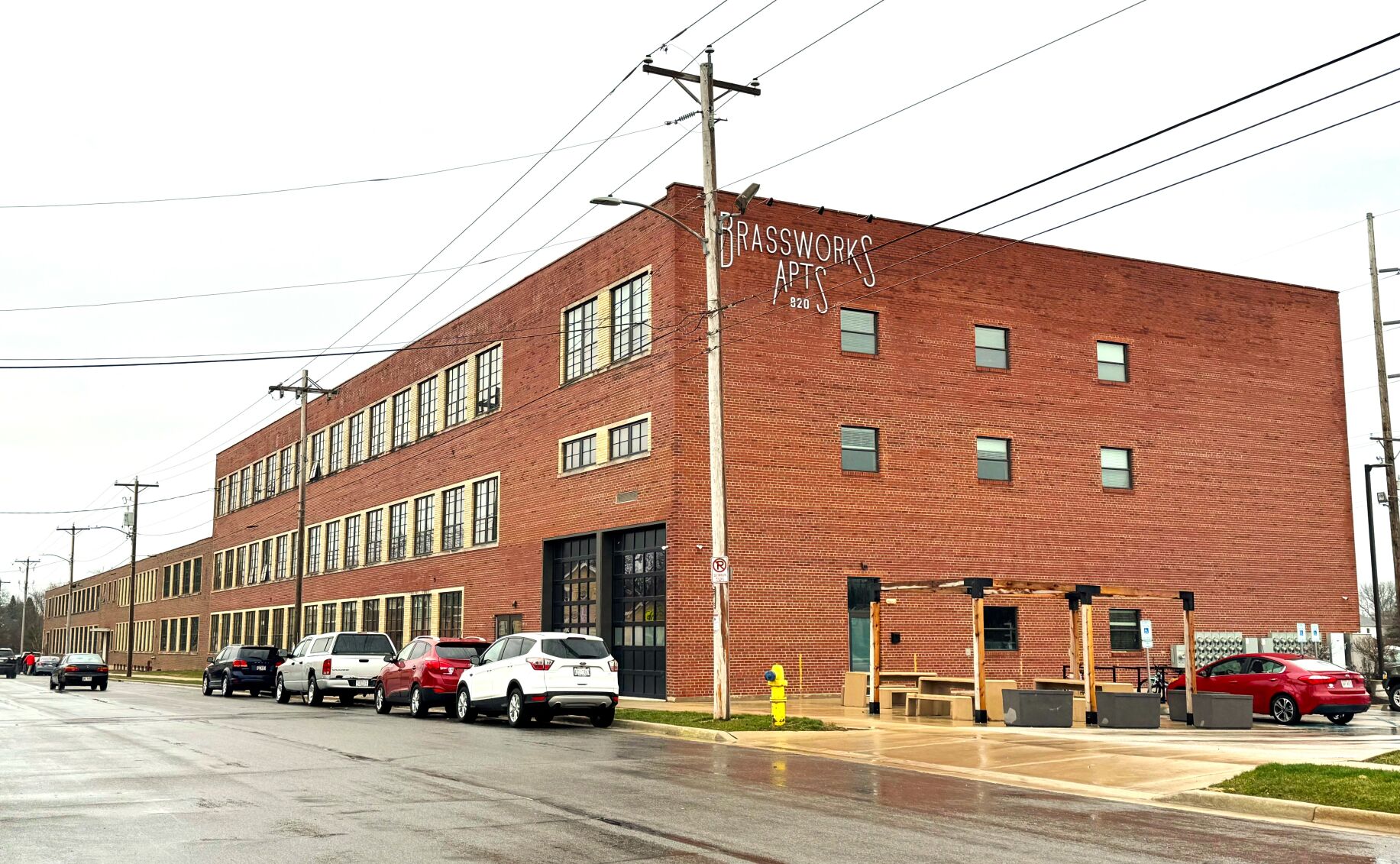
Significant in its contribution to the industrial heritage of Wisconsin and the nation, the George W. Borg Corp. manufacturing plant at 820 E. Wisconsin St. in Elkhorn was added to the National Register of Historic Places in February 2020. The original two-story factory was built in 1943 for the production of war materiel during World War II, including time fuzes for anti-aircraft shells. After the war, the plant shifted under Borg's newly-created Borg Fabric Division to the production of textiles for the apparel industry, adding a three-story addition in 1956. The division pioneered advancements in the production of knitted pile fabrics using synthetic fibers, including its patented Borgana fabrics. The largest employer in Delavan from the 1940s into the 1960s, Borg ended its Delavan manufacturing operations in 1980. Later home to Bergamot Brass Works, Inc., the industrial plant was repurposed in 2020 as the 73-unit Brassworks Apartments, a mixed-use apartment complex.
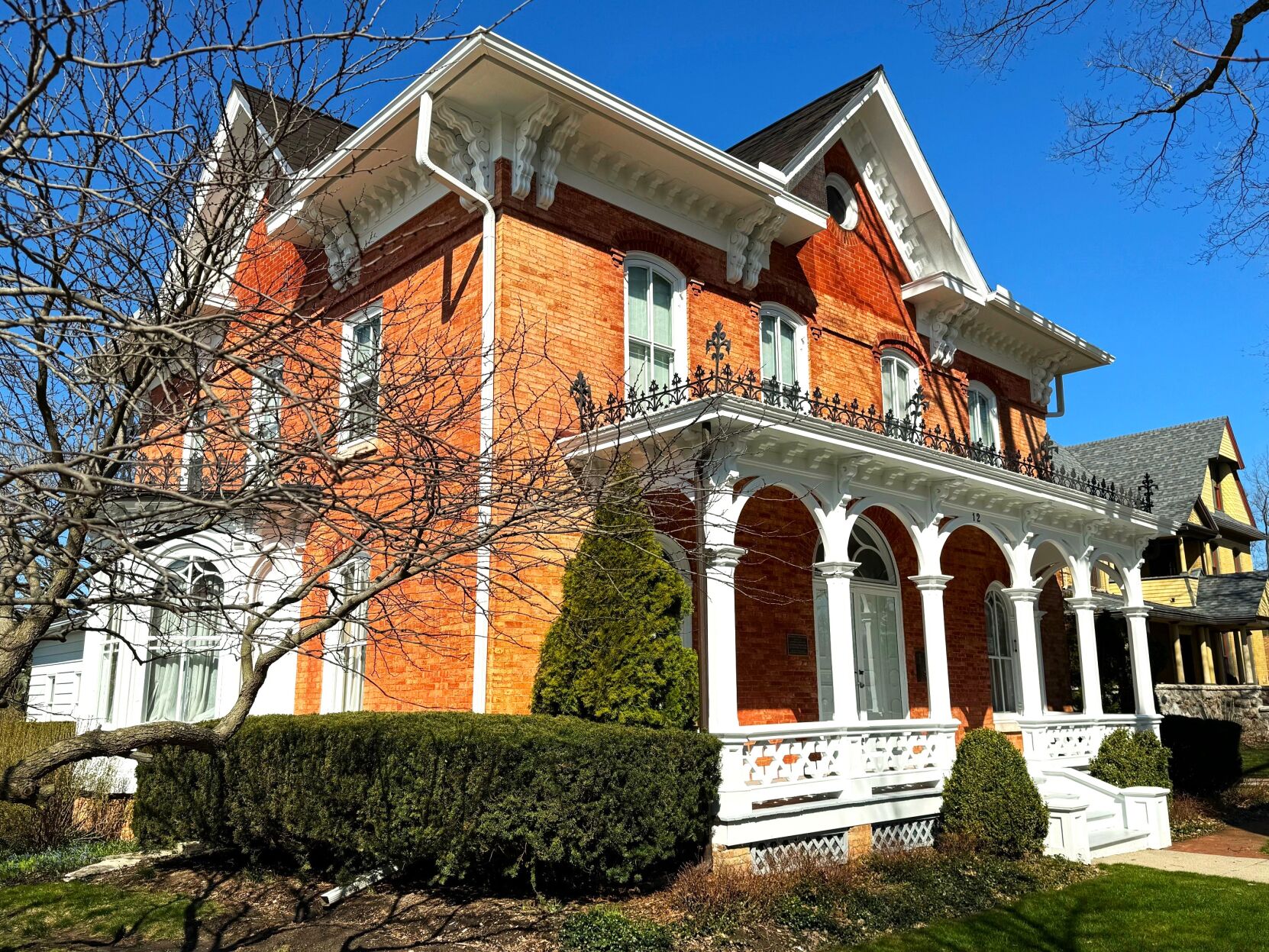
A longtime architectural anchor on Walworth County seat Elkhorn's Courthouse Square, the picturesque Reynolds-Weed House at 12 N. Church St. was added to the National Register of Historic Places in March 1983. Named after former owners Dr. James Reynolds and Belden Weed, the brick structure was built as Elkhorn Union School in 1850. Decorative Victorian/Italianate-styled ornamentation and a distinctive bay window were added later by either Reynolds or Weed, who bought the home in 1879.
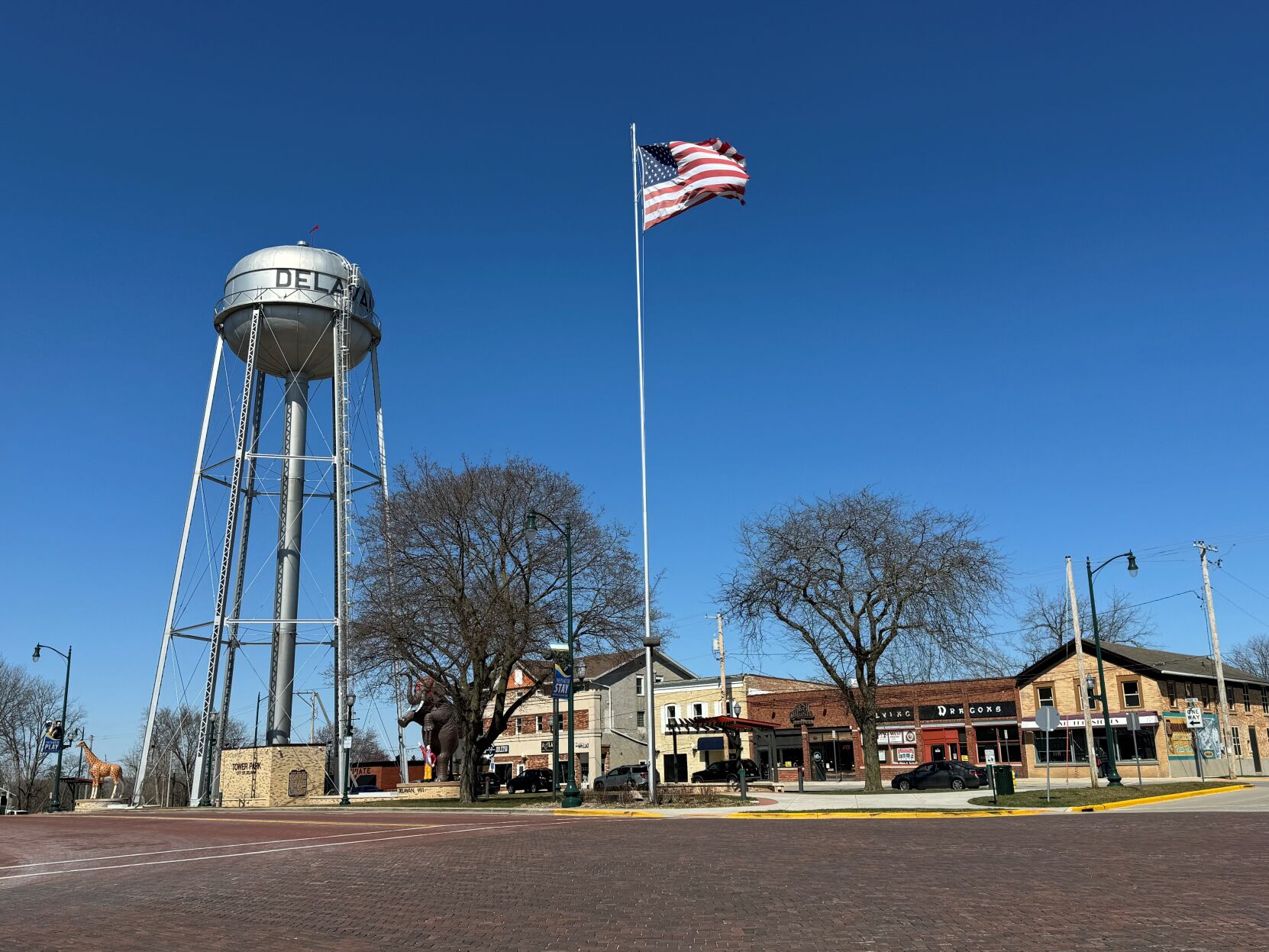
Downtown Delavan's Water Tower Park Historic District, listed on the National Register of Historic Places in March 2016, is anchored by the city's circus-themed Water Tower Park and commercial districts bordering the 0.5-acre park at 101-137 Park Place and 104-130 E. Walworth Ave. Notable buildings in the Water Tower Park Historic District include the Italianate-styled 1851 Jackson Flats, the Greek Revival-styled 1866 Smith's Blacksmith Shop and the 20th Century Commercial-styled Delavan Motor Co. garage.
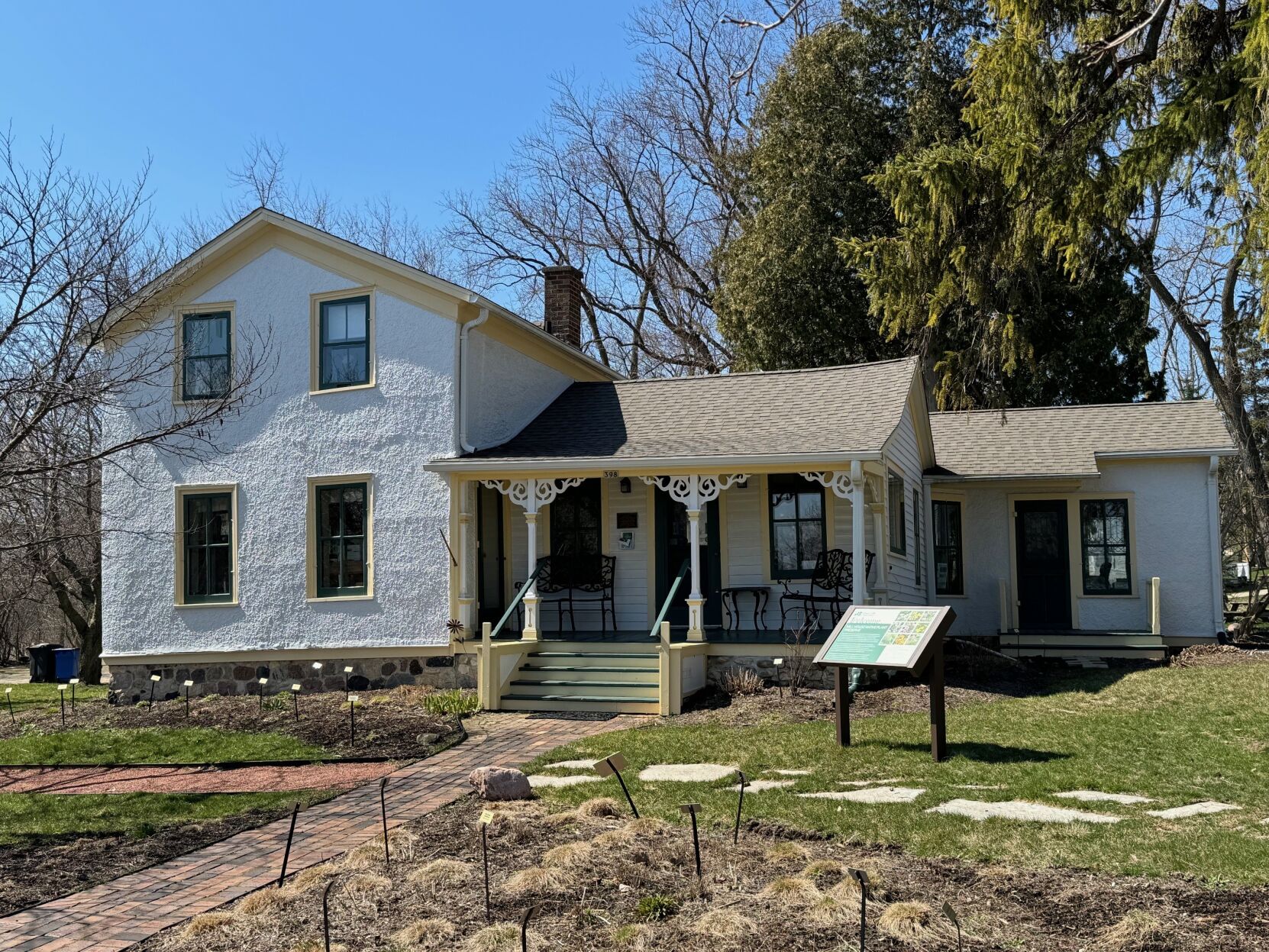
Built in the 1840s partly with "stovewood" construction walls, the Douglass-Stevenson House at 398 Mill St. in downtown Fontana was listed on the National Register of Historic Places in April 1986. New York-born namesake Carlos Lavalette Douglass (1827-1898) relocated to Walworth County in 1837, where made his name and forture farming and operating early flour mills in Fontana. Later a land developer and the donor of land for the community's first school, Douglass would become active in local and state politics, serving on the Walworth County Board of Supervisors and a single one-year term as a Republican legislator in the Wisconsin State Assembly in 1873. The Webster-Stevenson House today houses the Geneva Lake Conservancy, a not-for-profit organization dedicated to the preservation of environmentally-sensitive lands, open space and the unique character and quality of life of Walworth County.
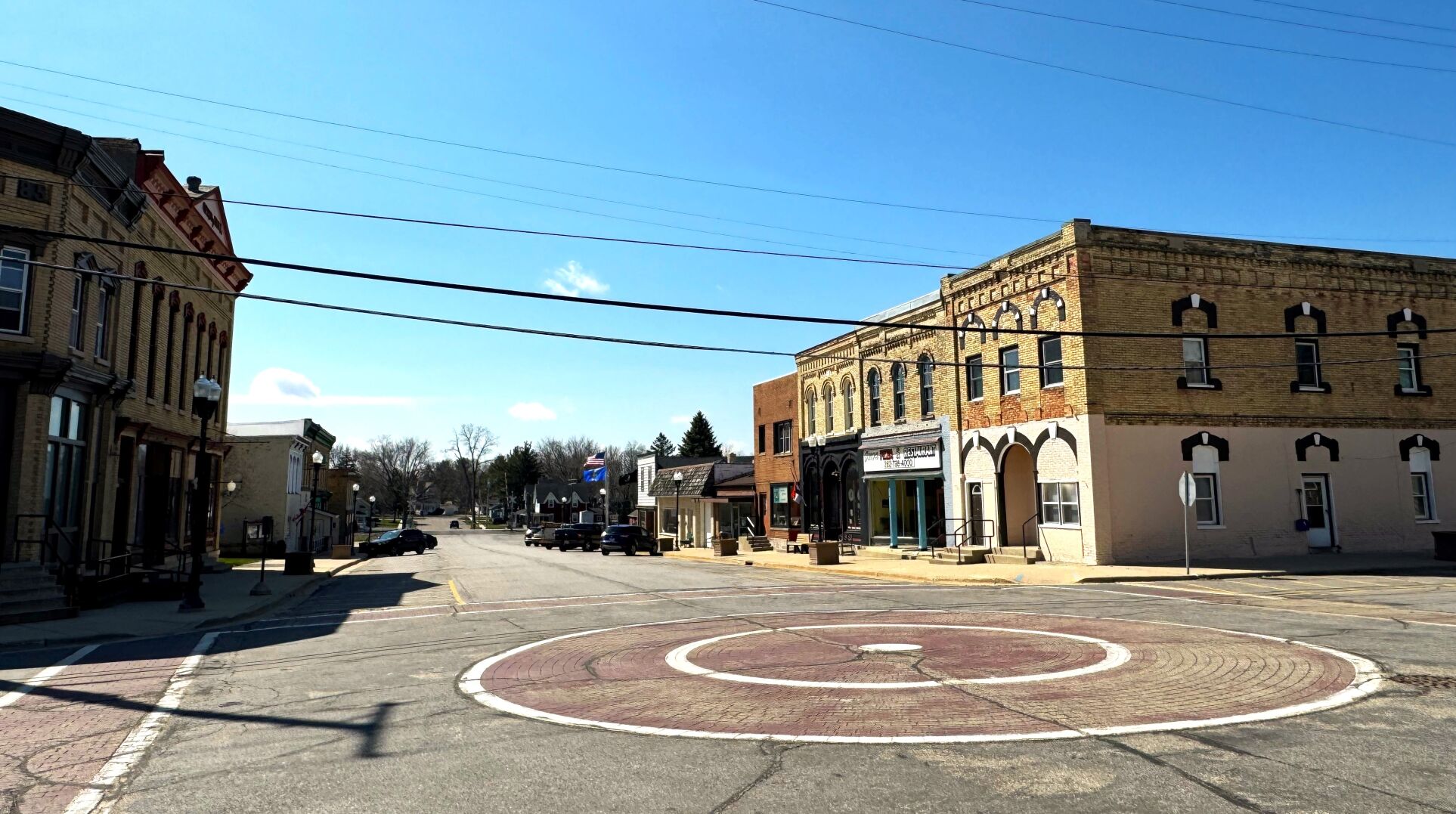
Added to the National Register of Historic Places in August 1993, the 1,586-resident Village of Sharon is home to the Grace and Pearl Historic District, roughly bounded by Pearl, Park, Dougall, Grace and Martin streets. Encompassing two long residential streets directly east of downtown Sharon (pictured), the residential historic district encompasses 62 contibuting historic residences, garages and carriage houses dating from 1860-1920 in a variety of architectural styles including Greek Revival, Gothic, Italianate, Queen Anne, Colonial Revival, Classical Revival, Prairie School, Bungalow/Craftsman, as well as some vernacular forms. Noteworthy structures in the district include the circa-1860 Manning Hoard house, the Italianate-styled circa-1875 Daniels/Pearson house, the circa-1893 Queen Anne-styled Dr. Ripley House, and the circa-1900 Dutch Colonial Revival-styled William Hoard House.