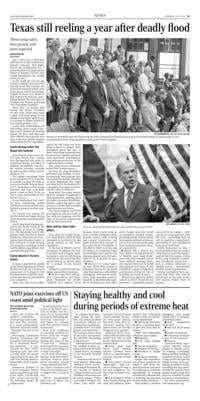


Texas Hill Country still reeling a year after deadly flood
July 3, 2025, was a Thursday, with Fourth of July celebrations already underway that night, but in the background was a severe weather warning from the National Weather Service that would foreshadow the deadly event to come.
As the night set and the day turned, a weather system moved into the Texas Hill Country and produced torrential rainfall, with celebrations swiftly becoming a tragedy as rivers rose about 25 feet in about 45 minutes, overtaking homes, RVs and tents of families and friends gathering over the holiday weekend.
More than 130 people died during the floods, including 28 who were swept away from a girls’ Christian camp in the middle of the night while trying to evacuate to higher ground as the Guadalupe River rose.
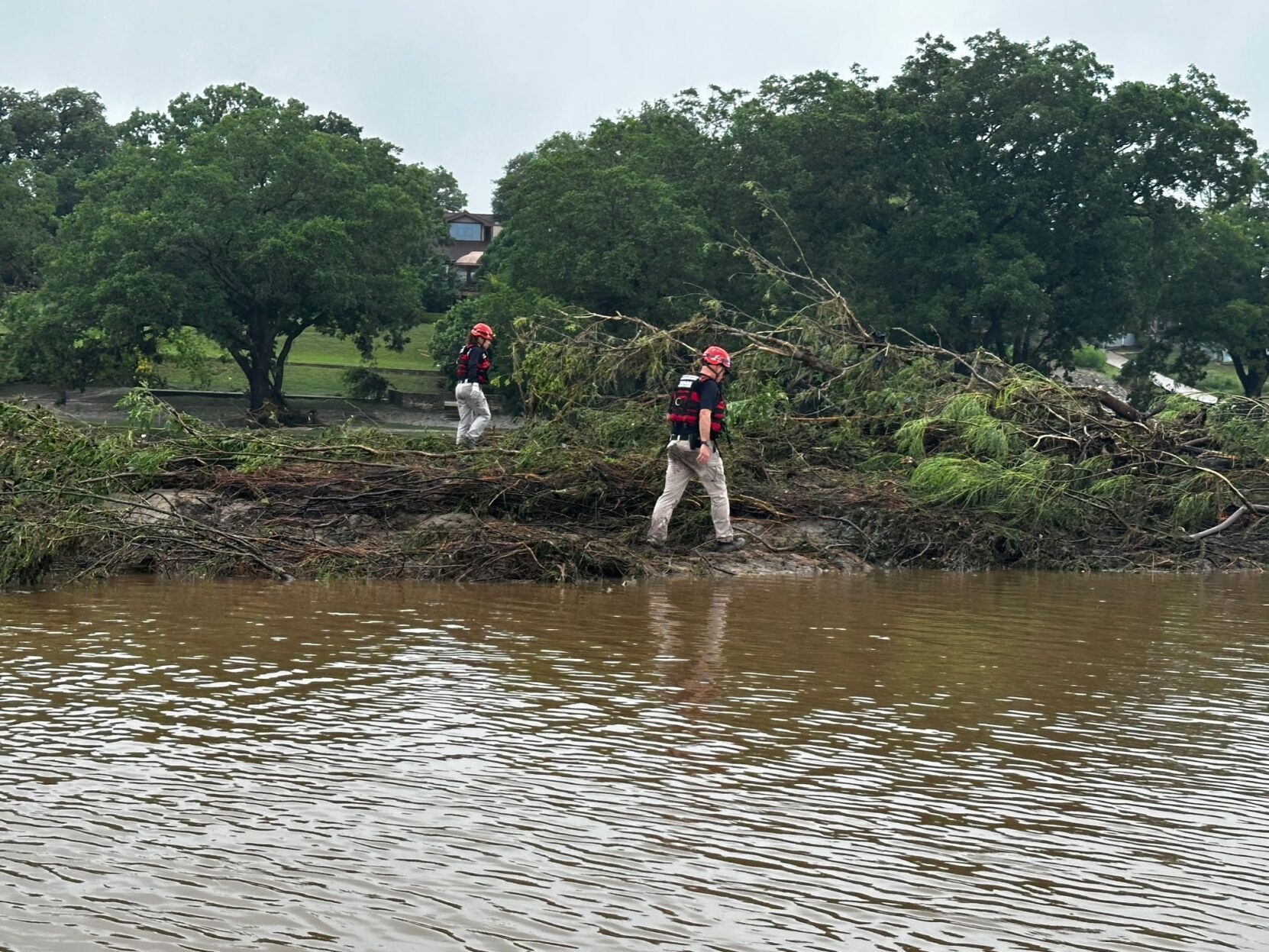
TEXSAR search-and-rescue volunteers scour the banks of the Guadalupe River, looking for victims of the July 2025 floods in Texas. The group deployed 50 volunteers and six swift-water rescue boats to help search for victims.
A year later, communities are still reeling. Kerr County is trying to heal, families are seeking justice for their lost ones and state officials have passed new laws to prevent another tragedy while eyeing further regulation.
Confronting what the flood left behind
According to a Texas lawmaker’s June report, Kerr County bore the heaviest toll, with 117 confirmed deaths, including 37 children. In addition, two people remain missing, bringing the total number of Kerr County deaths to 119.
The upper Guadalupe River basin saw about 10 to 15 inches of rainfall, causing the river to rise across south-central Texas. A U.S. Geological Survey gauge reported the river rose from about 10 feet at about 3 a.m. on July 4, 2025, and crested at 37.52 feet at 5:10 a.m.
It was determined that a better river monitoring system and flood warning system were needed to prevent another tragedy. K
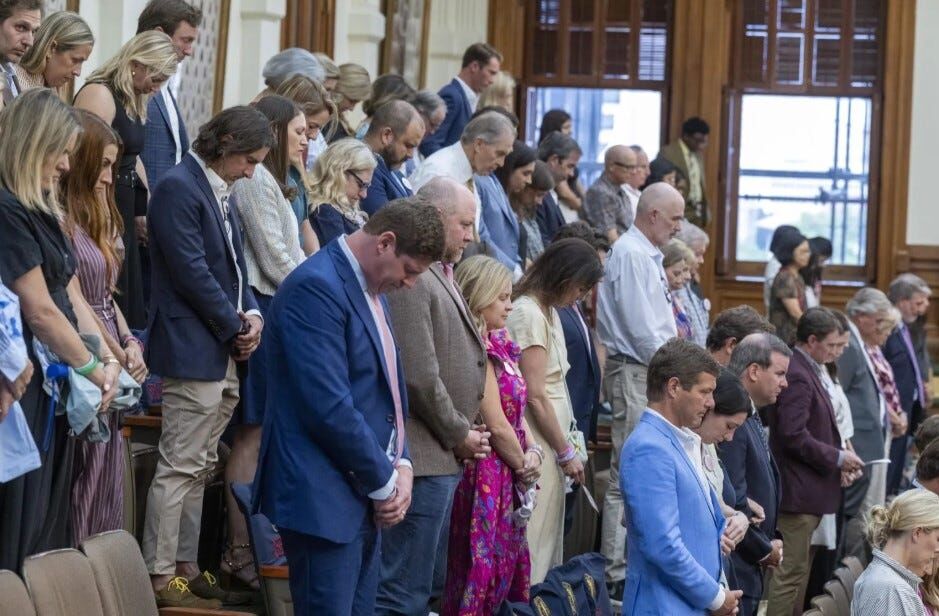
Parents of Camp Mystic girls who died during the 2025 Guadalupe River flooding pack seats in the Senate chamber to view passage of a bill strengthening summer camp regulations to help prevent future tragedies.
err County was among the first to install and begin testing sirens along the Guadalupe River in May.
A real-time flood warning system is also in the works at the University of Texas at Arlington. The university said it will partner with the Severe Storm Prediction, Education and Evacuation from Disasters Center at Rice University to help develop the computer modeling system and floodplain map library that underpin the platform.
Camp Mystic’s future stalls
In April, Camp Mystic applied to the Texas Department of State Health Services for a license to reopen part of its property, but the department found the application was missing information in 22 categories.
There was also much public outcry for the camp not to be given a chance to reopen. State lawmakers heard two days of heart-wrenching testimony from flood victims’ families and from state-appointed investigators, who determined the loss of life could have been avoided.
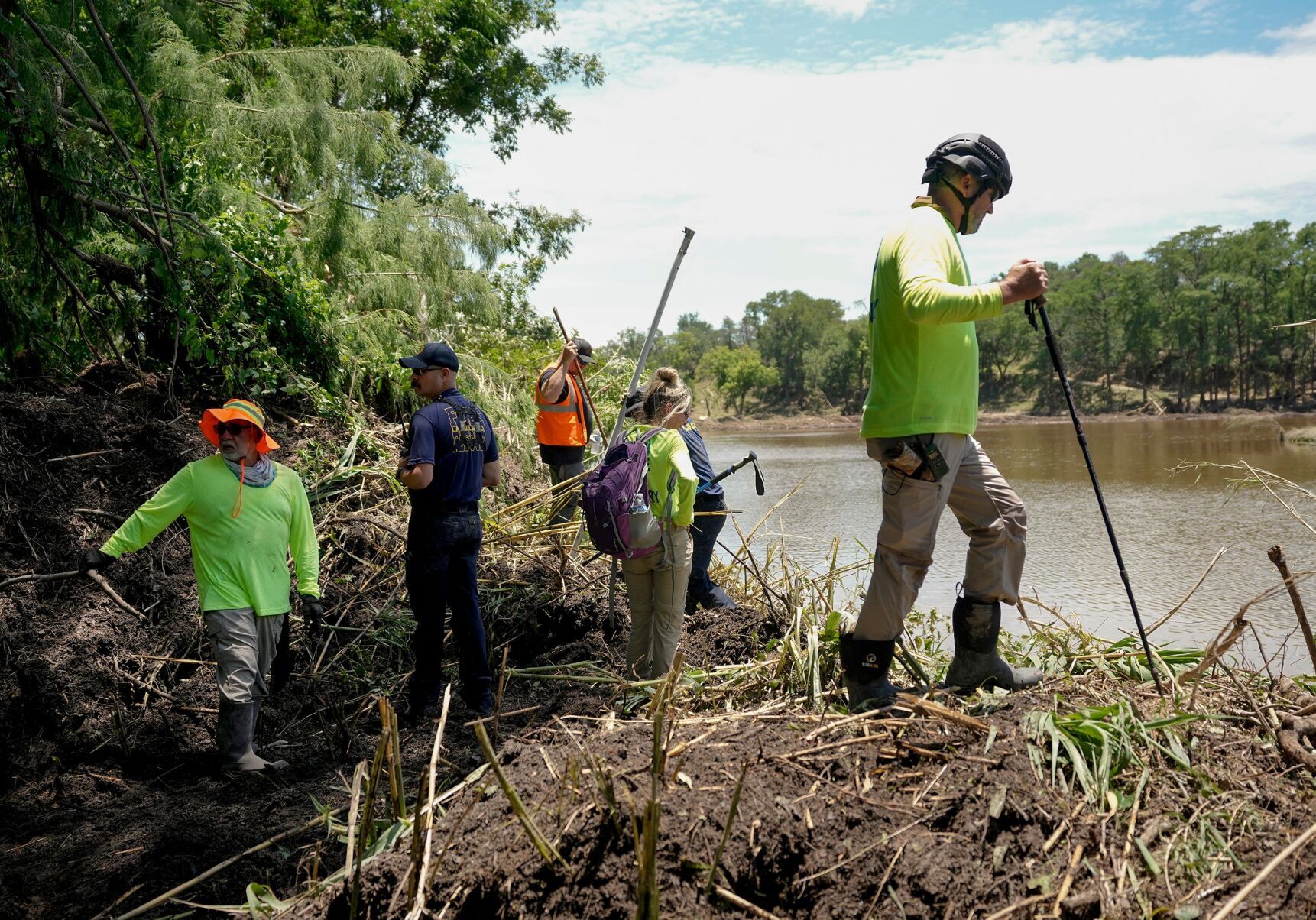
Eric Herr, a volunteer with Search and Support San Antonio, does search-and-rescue work on the banks of the Guadalupe River in Ingram, Texas, on July 8, 2025, after the Fourth of July flood.
The camp owners ultimately pulled their license request.
On June 18, state lawmakers published the findings of their monthslong investigation into the tragedy, including a timeline of what happened that night and what led to the deaths of 25 young girls, two camp counselors and the camp’s codirector.
Days later, the camp owners filed for Chapter 11 bankruptcy with documents showing their total debts exceeded $10 million. Families called the move a gut punch as it threw their wrongful death lawsuits into limbo.
The Texas Rangers and DSHS investigations into the events at the camp are ongoing, and the body of one of the campers has still not been recovered.
New safety laws take effect
Days after the deadly floods, Gov. Greg Abbott called all state lawmakers to Austin for a 30-day special session of the Texas Legislature.
At the top of Abbott’s list for lawmakers to address was how to prevent such a tragedy again. Lawmakers were not able to pass a bill before the end of the first special session, so Abbott called for a second 30-day special session.
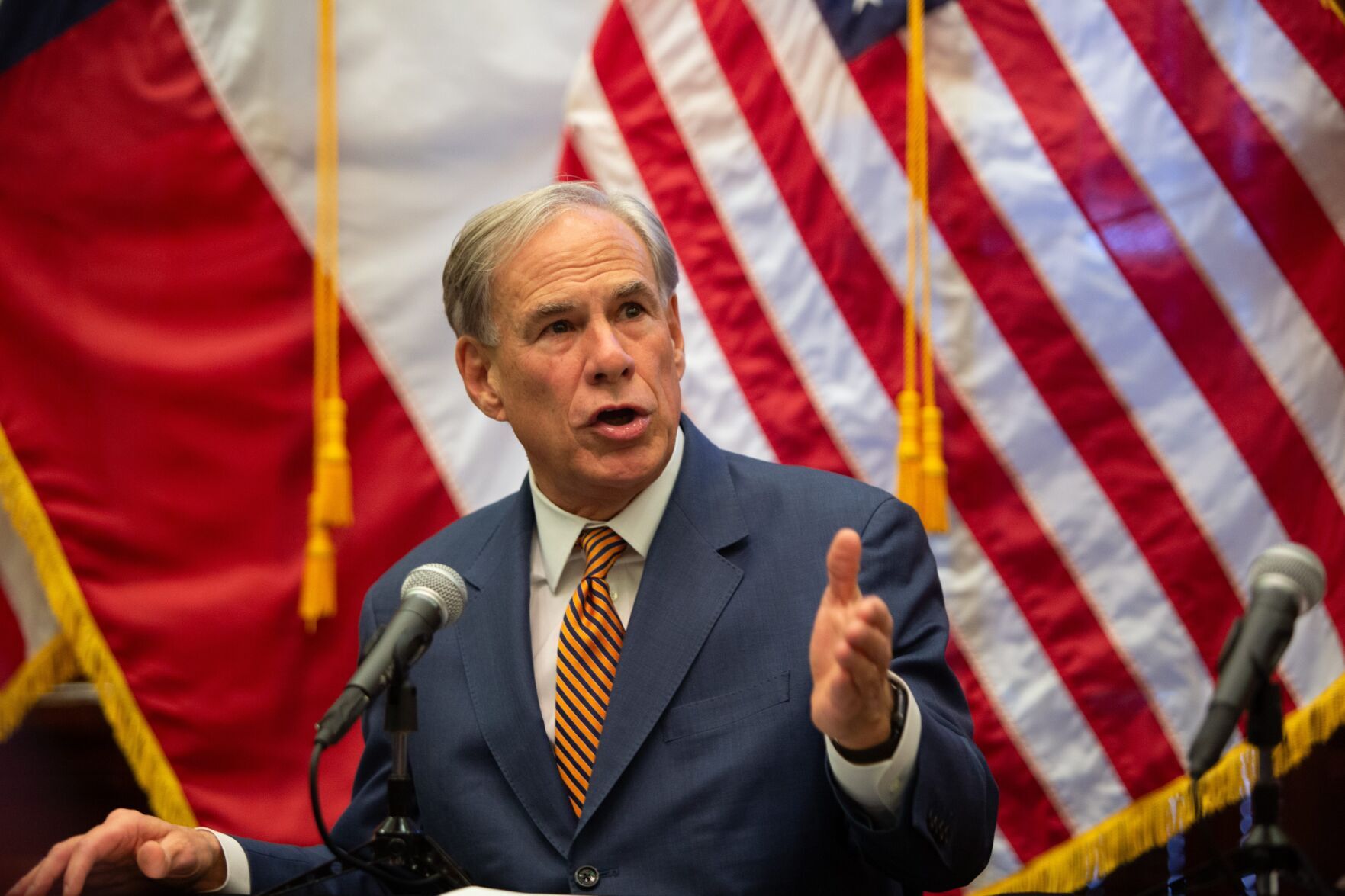
Texas Gov. Greg Abbott speaks during a news conference on Aug.15, 2025.
During the second session, lawmakers passed three measures:
Youth Camp Alert, Mitigation, Preparedness, and Emergency Response Act (Youth CAMPER Act) requires every licensed Texas youth camp to have a written emergency plan, provide annual staff training and camper orientation, and notify parents when any part of the camp sits in a floodplain. It also directs DSHS to review and set camper-to-counselor ratios for overnight stays and lets the attorney general seek civil penalties of up to $1,000 for each violation.
Heaven’s 27 Camp Safety Act bars DSHS from issuing or renewing a license for any youth camp that operates a cabin within a floodplain, with narrow exceptions, while requiring camps to maintain an operable radio capable of receiving real-time NWS alerts. Camps must also install an emergency warning system, including a public address system that operates without an internet connection, and each youth camp must maintain redundant internet connectivity.
Senate Bill 3 directs the Texas Water Development Board to identify each flash-flood-prone area that warrants one or more outdoor warning sirens and requires the areas to install and regularly test them. It also establishes a grant to help local governments defray the cost of installing the required sirens.
All laws were signed by Abbott and are in effect, except for one provision — redundant internet connectivity for camps — after a group of camp operators sued the state, contending that an end-to-end fiber connection is unavailable or cost-prohibitive in much of rural Texas.
DSHS announced on May 7 that it would not deny or revoke a camp’s license under the requirement for the 2026 season, as long as the camp maintains a redundant broadband connection — such as cellular, microwave or satellite service — and satisfies all other safety requirements.
Several lawmakers have signaled that more bills will be introduced on the topic in the next session, which starts in January.