
It's a pet's house, too: Keep your beloved animal safe outdoors with these tips
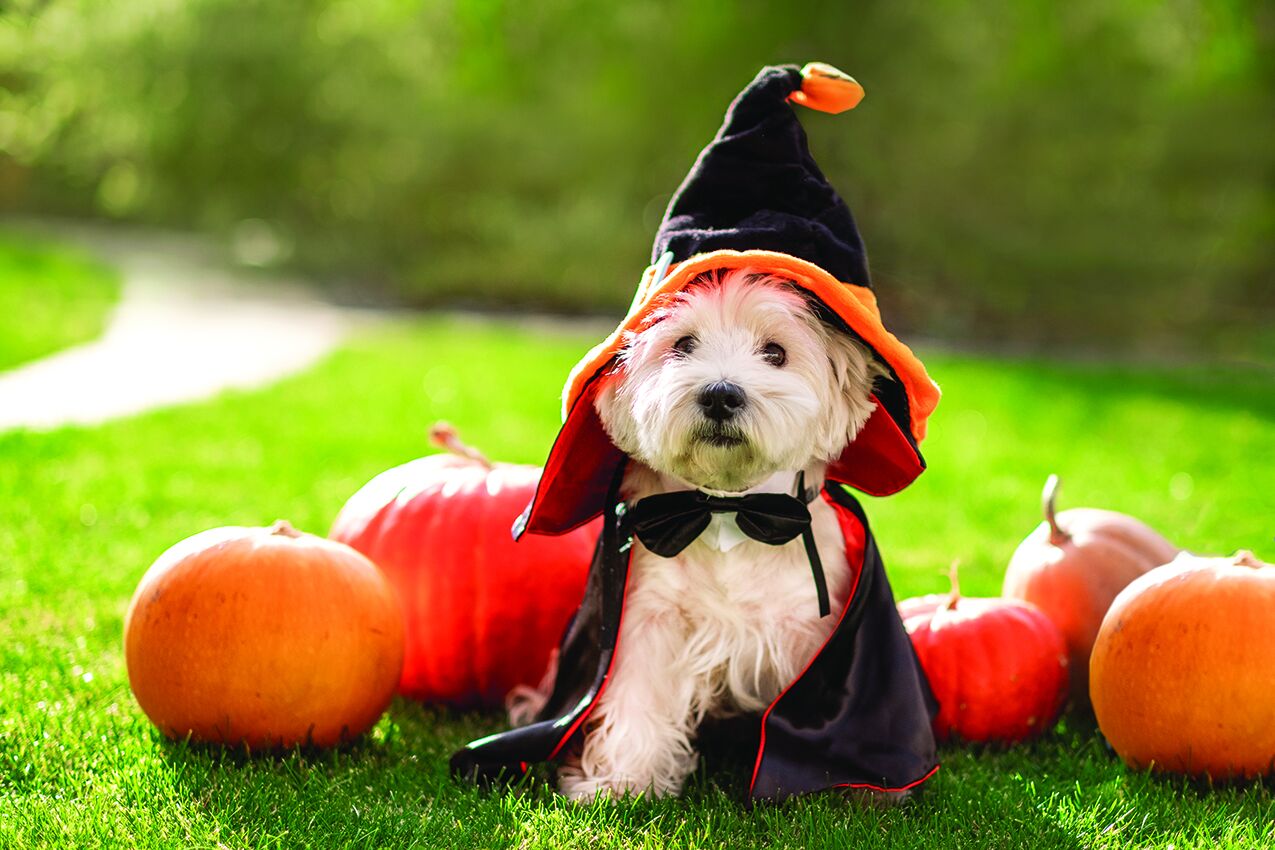
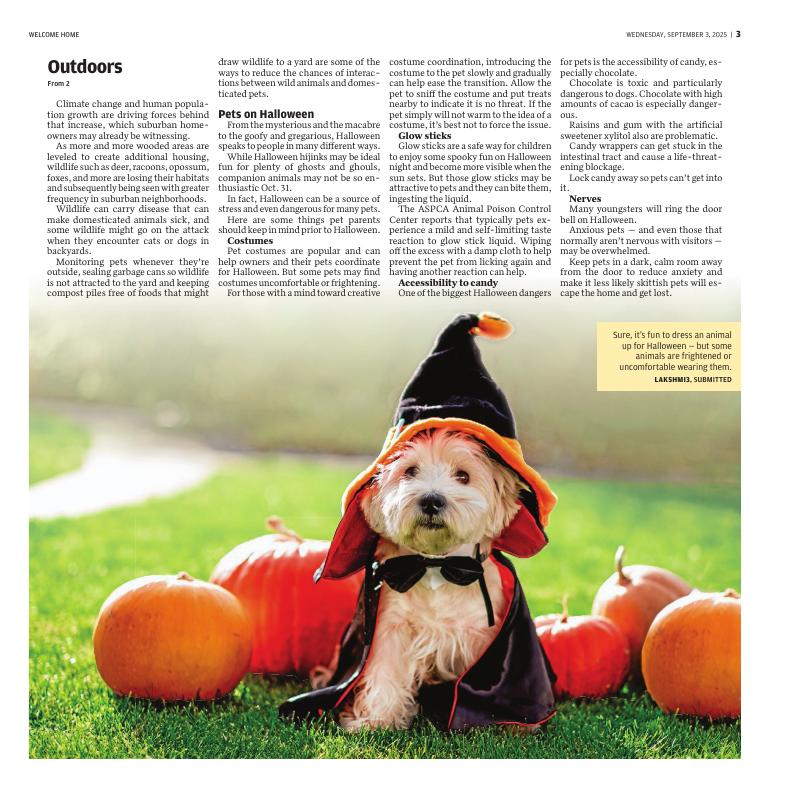
Sure, it’s fun to dress an animal up for Halloween — but some animals are frightened or uncomfortable wearing them.
When it comes to keeping pets safe at home, there is more than just what lies indoors to consider.
Various threats to pet health exist outside as well as inside one’s house.
It is good to recognize outdoor threats to a pet, such as:
Mulch
Mulch is found in many yards, as it adds aesthetic appeal to a landscape and helps soil retain moisture, which can safeguard trees, plants and flowers from drought and the dog days of summer.
But some mulch contains theobromine, a chemical compound that can be toxic and may even be lethal to dogs when ingested.
Pet owners are urged to use mulch that does not contain theobromine, which is typically found in cocoa mulch.
Flower
The mulch around flowers can be toxic to pets, and so can the blooms themselves.
Lilies, tulips, hydrangeas and azaleas are just some of the popular flowers that can cause stomach upset in pets.
Pet owners are urged to speak with their veterinarians about flowers and plants native to their areas that might be toxic to pets.
Wildlife
A collaborative study from researchers at the University of Michigan, the University of Washington and University College London published in 2024 warned that the overlap between humans and animals will increase considerably over the next half century.
Climate change and human population growth are driving forces behind that increase, which suburban homeowners may already be witnessing.
As more and more wooded areas are leveled to create additional housing, wildlife such as deer, racoons, opossum, foxes, and more are losing their habitats and subsequently being seen with greater frequency in suburban neighborhoods.
Wildlife can carry disease that can make domesticated animals sick, and some wildlife might go on the attack when they encounter cats or dogs in backyards.
Monitoring pets whenever they’re outside, sealing garbage cans so wildlife is not attracted to the yard and keeping compost piles free of foods that might draw wildlife to a yard are some of the ways to reduce the chances of interactions between wild animals and domesticated pets.
Pets on Halloween
From the mysterious and the macabre to the goofy and gregarious, Halloween speaks to people in many different ways.
While Halloween hijinks may be ideal fun for plenty of ghosts and ghouls, companion animals may not be so enthusiastic Oct. 31.
In fact, Halloween can be a source of stress and even dangerous for many pets.
Here are some things pet parents should keep in mind prior to Halloween.
Costumes
Pet costumes are popular and can help owners and their pets coordinate for Halloween. But some pets may find costumes uncomfortable or frightening.
For those with a mind toward creative costume coordination, introducing the costume to the pet slowly and gradually can help ease the transition. Allow the pet to sniff the costume and put treats nearby to indicate it is no threat. If the pet simply will not warm to the idea of a costume, it’s best not to force the issue.
Glow sticks
Glow sticks are a safe way for children to enjoy some spooky fun on Halloween night and become more visible when the sun sets. But those glow sticks may be attractive to pets and they can bite them, ingesting the liquid.
The ASPCA Animal Poison Control Center reports that typically pets experience a mild and self-limiting taste reaction to glow stick liquid. Wiping off the excess with a damp cloth to help prevent the pet from licking again and having another reaction can help.
Accessibility to candy
One of the biggest Halloween dangers for pets is the accessibility of candy, especially chocolate.
Chocolate is toxic and particularly dangerous to dogs. Chocolate with high amounts of cacao is especially dangerous.
Raisins and gum with the artificial sweetener xylitol also are problematic.
Candy wrappers can get stuck in the intestinal tract and cause a life-threatening blockage.
Lock candy away so pets can’t get into it.
Nerves
Many youngsters will ring the door bell on Halloween.
Anxious pets — and even those that normally aren’t nervous with visitors — may be overwhelmed.
Keep pets in a dark, calm room away from the door to reduce anxiety and make it less likely skittish pets will escape the home and get lost.