

Easy aromatics
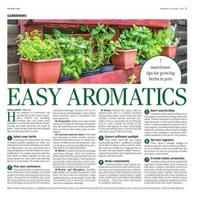
Herb gardens in containers are among the easiest types of gardens. There’s less weeding, bending over and fewer tools needed to care for the fresh basil, thyme, parsley and other favorites you want to grow. To get started, here are seven simple tips for growing herbs in pots:
Select your herbs
Choosing the right herbs for your container garden depends on what you ultimately want to do with them once they are fully grown. Do you want herbs for a fragrant garden or the best herbs to attract pollinators? Or, maybe you just want the best herbs to plant together so you can bring beauty to your yard and exciting flavors to your meals. It’s really up to you.
Pick your containers
Choosing the best container for your herbs depends on your budget, your herb garden’s location, the temperature of your space, the amount of available space and the types of herbs you want to grow. More than anything, herbs grown in containers need good drainage, because root rot often occurs in potted gardens. Here are the most common types of containers that herbs thrive in:
Terracotta: Allows for water to flow easily and evaporate through the porous clay. But soil in these decorative pots often dries out faster than other types of containers.
Concrete and cast stone: Will stand up to freezing or windy weather. Keep in mind that once these easy-to-make containers are filled with soil and plants, they can be heavy and may be difficult to relocate unless you dismantle them.
Metal: Usually resistant to breakage and freeze damage. They can, however, gather heat from the sun and warm the soil enough to harm the plants. Putting plastic pots inside metal containers (steel, zinc, galvanized or cast iron) keeps the soil from coming into contact with the metal.
Plastic and fiberglass: Durable, lightweight and usually inexpensive. Soil won’t dry out as fast as in clay pots. Some molded plastics can be made to look like a decorative clay or metal pot. Just make sure it has adequate drainage.
Wood: Softens the space with its natural look and is a natural insulator that protects herbs’ roots in hot and cold weather. Choose a decay-resistant container such as one made out of redwood, teak or cedar. Lining the inside of the planter with plastic or sheet metal helps to prevent rotting from constant soil and moisture contact with the wood.
Ensure sufficient sunlight
Most herbs need full sun, which means getting direct, unfiltered sunlight for at least 6 hours a day. Look for areas that stay very bright for a large portion of the day. You may need to adjust their location if your herbs aren’t getting enough light to suit their needs.
Water consistently
Container plants need regular watering because the roots don’t have a natural way to source ground moisture. Attaching a drip hose or drip irrigation system to a hose or sprinkler system helps to apply water slowly to the soil without disturbing the plants — they even come with timers to automate watering.
Don’t overfertilize
Container plants need fertilizer once the organic matter in its potting soil breaks down. The less soil mass a container has to hold nutrients, it will need fertilizer more often. A balanced general-purpose natural or organic-based liquid fertilizer can be mixed in a watering can and used to deeply water at the container’s soil level to distribute nutrients to the herbs’ root system.
Harvest regularly
Once there’s enough foliage to maintain growth, harvest leaves and flowers in as whole a form as possible for the best flavor. It’s best to cut sprigs of herbs just above a leaf cluster.
Provide winter protection
Container plants that are potentially exposed to harsh winds such as those on balconies, rooftops and decks need to be moved to a sheltered location for protection during colder weather. Water plants as needed until the soil in the container is frozen. Help herbs survive winter in pots by grouping containers together for extra protection from the winter elements.
Better Homes and Gardens is a magazine and website devoted to ideas and improvement projects for your home and garden, plus recipes and entertaining ideas. Online at www.bhg.com.