

Medicare drug plan costs to rise

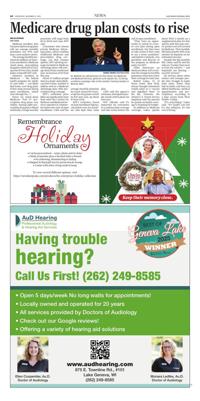
Dr. Mehmet Oz, administrator for the Centers for Medicare and Medicaid Services, gestures as he speaks Oct. 15 during a midterm campaign rally at the LevelUp Training Complex in Monroe, Mich.
Medicare enrollees who buy prescription drug plans will see average monthly premiums rise 50% next year, a new analysis shows.
The average monthly premium for millions of Americans enrolled in a Medicare stand-alone prescription drug plan will be $51 in 2027, up from $34 in 2026, health policy nonprofit KFF said.
However, enrollees in Medicare — the federal health program for adults 65 and older — can likely find lower-cost drug plans if they shop around during open enrollment, which runs through Dec. 7.
Prices for stand-alone Medicare "Part D" prescription drug plans vary widely. Among eight prescription drug plans offered nationally, average monthly premiums will range from $6 to $204 next year, KFF said.
Consumers who choose private Medicare Advantage plans, which combine traditional Medicare and prescription drug coverage, can find cheaper options. KFF said drug coverage included in Medicare Advantage plans will average about $9 per month next year, an increase of $2 from this year.
About 25 million people were in a stand-alone Medicare Part D plan. Another 31 million were in a Medicare Advantage plan with prescription drug coverage.
KFF's estimated price hikes are significantly more than what the Centers for Medicare and Medicaid Services reported in September before the start of open enrollment. CMS said the average monthly premium for stand-alone Part D prescription drug plans would be $36 next year, up about $1 from 2026.
KFF's estimates, based on June enrollment figures, calculated costs for enrollees who kept their same plan. CMS said the agency's estimates anticipated people would switch plans for next year.
KFF officials said it's important for consumers to scrutinize their coverage and take action before the end of open enrollment. "They have an opportunity to switch to a lower-cost plan during open enrollment, but they have to take action if they want to see a lower premium," said Juliette Cubanski, vice president and director of the program on Medicare policy for KFF.
Older Americans on Medicare likely will scrutinize the change in monthly premiums when they select their coverage for next year.
Robert Lukas, 72, of Stony Point, New York, always thought retirement would usher in a "secure and dignified time" in his life. However, the retired U.S. Postal Service employee said the amount he spends on health coverage is straining his budget.
In addition to Medicare coverage, Lukas spends about $920 a month on a supplemental plan for him and his wife that pays outof-pocket costs not covered by Medicare. That monthly bill alone absorbs 44% of an annuity he depends on for retirement income.
Despite the big monthly bill, Lukas said he and his wife are "luckier than most to have the relative — and hopefully not fleeting — security we have."
He worries about other seniors and younger people who struggle to make ends meet. Fewer than half of adults said they can afford healthcare, medical appointments and prescriptions, according to a June survey from West Health-Gallup.
"It's everything," Lukas said. "It's health care but it's also inflation. It's the cost of living."